Lina Hope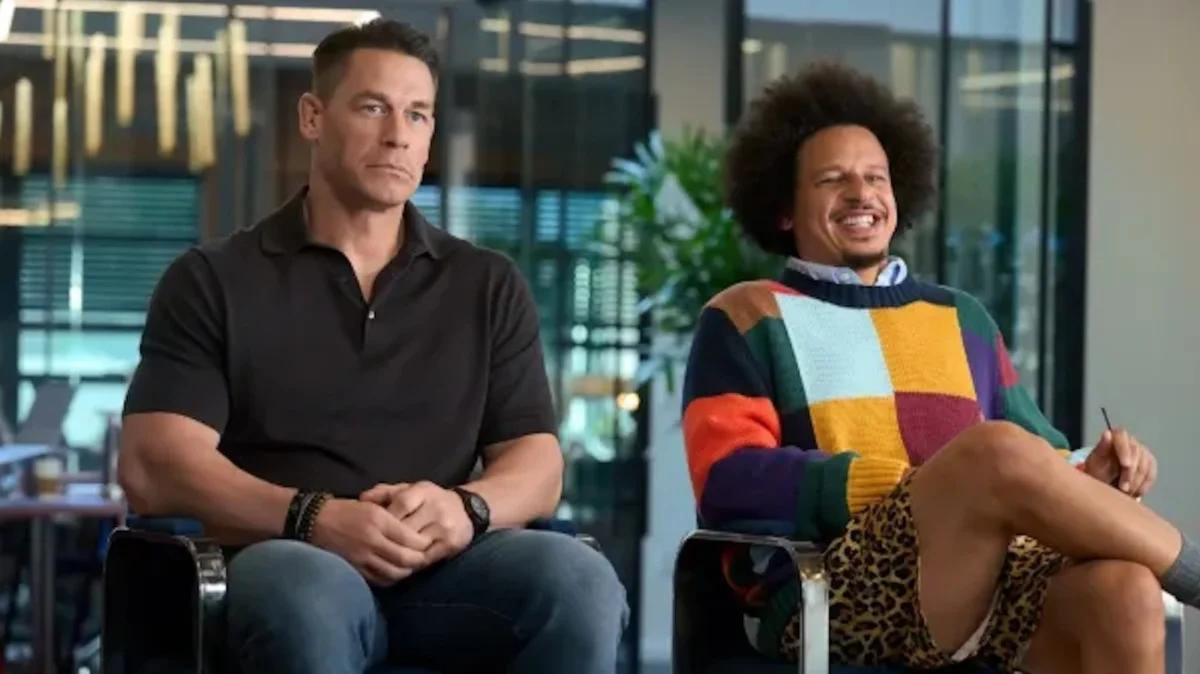
In the vast, ever-expanding digital library of Netflix, high-profile projects often find themselves buried beneath the weight of algorithm-driven recommendations and a relentless churn of new content. Occasionally, however, a film slips through the cracks—a project with genuine comedic star power, a sharp premise, and a surprising amount of heart—that deserves far more attention than it initially received. Such is the case with Little Brother, the 2026 comedy directed by Matt Spicer that has quietly become one of the most intriguing additions to the streaming giant’s catalog.
Main Facts: A Collision of Comedic Titans
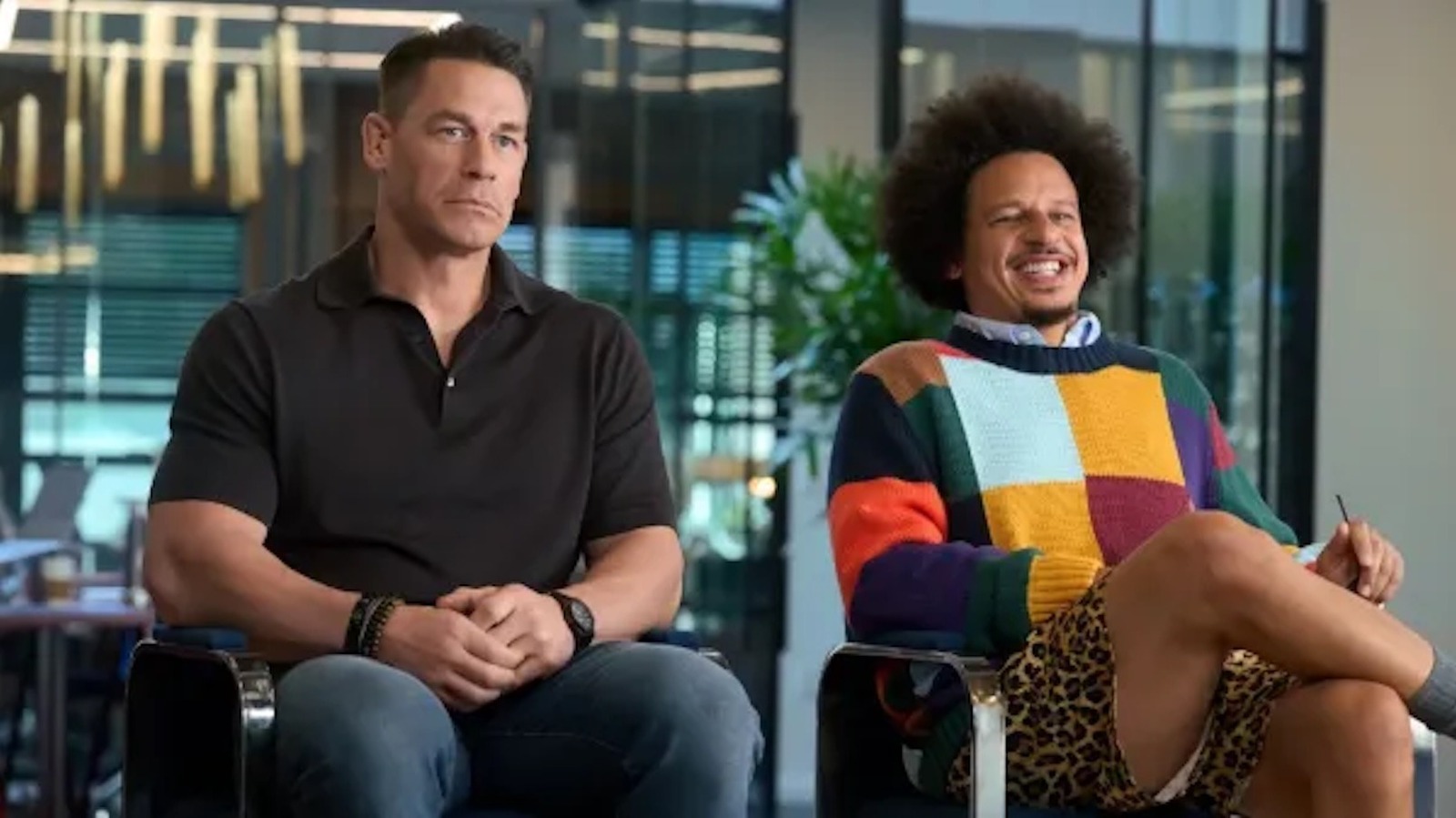
At its core, Little Brother is a quintessential "two-hander" comedy, relying heavily on the combustible chemistry between its two leads: professional wrestler-turned-Hollywood icon John Cena and the irreverent, chaos-fueled comedian Eric André.
Cena stars as Rudd Landy, a semi-famous real estate mogul whose carefully curated life begins to unravel when his former "Little Brother" mentee, Marcus Pinchel (played by André), unexpectedly reappears in his life. The setup is ripe for comedic conflict: Rudd is trying to maintain his professional standing while navigating the high-stakes, cutthroat world of New York City real estate, all while being filmed for a reality competition show. The intrusion of Marcus, a man who thrives on social discomfort, creates an "onslaught of cringe laughs" that propels the film forward.
The film is not merely a vehicle for slapstick; it is a character-driven piece that explores the absurdity of wealth, the complexities of mentorship, and the bizarre nature of modern reality television. With a tight 100-minute runtime, it manages to maintain a brisk, energetic pace that avoids the narrative bloat often found in contemporary studio comedies.
Chronology: From Concept to Streaming Silent-Launch
The production journey of Little Brother reflects the modern landscape of film distribution. Directed by Matt Spicer, known for his ability to blend dark comedy with nuanced character studies, the film was developed as a mid-budget project aimed at capturing the specific energy of the "raunchy buddy comedy" genre that has seen a resurgence in the mid-2020s.
- Pre-Production: Casting began in late 2024, with the pairing of Cena and André being hailed by industry insiders as a "wildcard" choice that promised a unique tonal balance between Cena’s deadpan, physical-comedy prowess and André’s avant-garde, transgressive style.
- Production: Filming took place across New York City, utilizing the city’s high-end real estate environments to ground the film’s more absurd comedic set pieces.
- The "Silent" Release: Unlike blockbuster tentpoles that receive months of marketing, Little Brother was released on Netflix in 2026 with a muted promotional campaign. This strategy, often used by streaming platforms to manage the massive influx of content, meant that the film did not immediately dominate social media discourse, leading to its current status as a "hidden gem" awaiting discovery by subscribers.
Supporting Data: Technical Merit and Critical Reception
While initial aggregate scores on platforms like Rotten Tomatoes reflect a polarized critical response, a deeper look reveals a divide between traditional mainstream critics and those who appreciate the film’s specific comedic sensibilities.
Technical Excellence
Little Brother boasts a level of craft that elevates it above standard "streaming fodder."
- Cinematography: Brandon Trost, a veteran cinematographer whose work often leans into vibrant, stylized aesthetics, brings a sharp, polished look to the film that emphasizes the claustrophobia of both the real estate world and the characters’ personal entanglements.
- Score: The soundtrack is composed by electronic music maestro Dan Deacon. Deacon’s signature frantic, rhythmic, and experimental soundscapes provide the perfect sonic backdrop for Eric André’s chaotic energy, effectively turning the film’s quieter moments into anxiety-fueled comedy.
Critical Perspectives
Veteran critics, including Matt Zoller Seitz and Glenn Kenny, have lauded the film for its refusal to play it safe. Unlike many modern comedies that feel sanitized for global distribution, Little Brother leans into its R-rated roots. Critics have noted that while the film may not be aiming for prestigious awards, it succeeds in its primary objective: to provide a consistently funny, technically proficient 100 minutes of entertainment. The small sample size of critical reviews currently available suggests that the film’s reputation is likely to grow as word-of-mouth spreads among comedy enthusiasts.
Official Responses and The "Sibling" Dynamic
A standout element of the film, frequently highlighted in early audience reactions, is the performance of Chris Meloni, who plays Rudd’s brother—a high-flying, ultra-wealthy real estate magnate.
The dynamic between Cena and Meloni is a masterclass in comedic frustration. Having a powerhouse performer like Meloni to bounce off of allows Cena to play the "straight man" in a way that feels fresh and grounded. Official production notes suggest that the chemistry between the cast members was largely improvised during rehearsals, allowing the dialogue to feel organic, spontaneous, and at times, genuinely unhinged.
Implications: The Future of Mid-Budget Comedy
The release and subsequent reception of Little Brother raise broader questions about how audiences consume comedy in the streaming era.
The "Algorithm Trap"
Netflix’s reliance on complex algorithms to suggest content can sometimes disadvantage films that don’t fit neatly into established categories. Little Brother is a film that requires a viewer to be in the mood for a specific blend of heart and filth—a genre-defying mix that doesn’t always perform well in "Top 10" metrics but finds a dedicated cult following.
A Plea for Originality
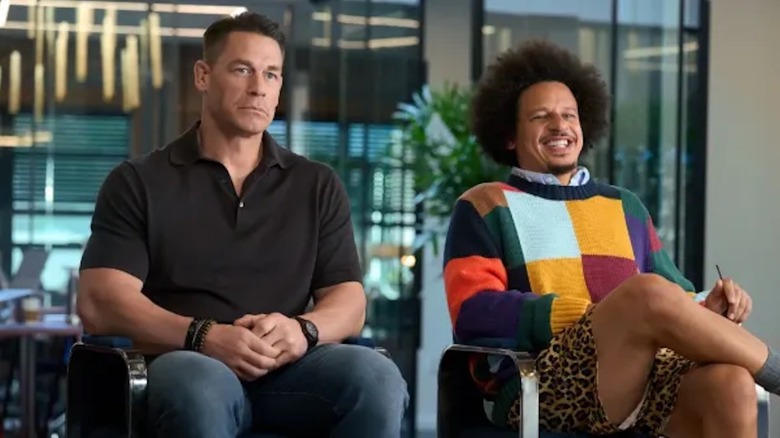
The success of Little Brother (in terms of viewer enjoyment) serves as a reminder that star power remains the most effective marketing tool. John Cena has spent the last decade proving he is one of the most versatile comedic actors of his generation, and pairing him with an uncompromising talent like Eric André suggests that studios are finally willing to take risks on non-traditional comedic pairings.
The Value of the 100-Minute Runtime
In an era of three-hour epics, the 100-minute runtime of Little Brother is a strategic advantage. It signals a respect for the viewer’s time and ensures that the film’s momentum never flags. It is a "perfect weekend watch"—a movie designed to be consumed in a single sitting, providing an immediate payoff without the requirement of a deep time investment.
Conclusion: Why You Should Watch It This Weekend
If you find yourself scrolling through the endless menus of Netflix this weekend, looking for something that is neither a documentary nor a high-stakes thriller, Little Brother is the answer. It is a film that refuses to be ignored, driven by two of the most entertaining performers working today.
It is rare to find a film that successfully balances genuine, heartfelt emotional stakes with unabashedly raunchy, scatological humor. Little Brother manages this feat with grace, thanks to its top-tier technical credits and a cast that is clearly having the time of their lives. Whether you are a fan of John Cena’s physical comedy or Eric André’s brand of transgressive, envelope-shredding humor, this film offers a unique experience that is well worth the 100-minute investment.
Don’t let this one stay buried in the algorithm. Grab your popcorn, settle in, and prepare for a riotous, filthy, and surprisingly moving experience that serves as a necessary reminder of why we go to the movies—or in this case, why we fire up the streaming app—in the first place: to laugh, to escape, and to enjoy the ride.

 Asep Darmawan
 Layla Zulfa