Layla Zulfa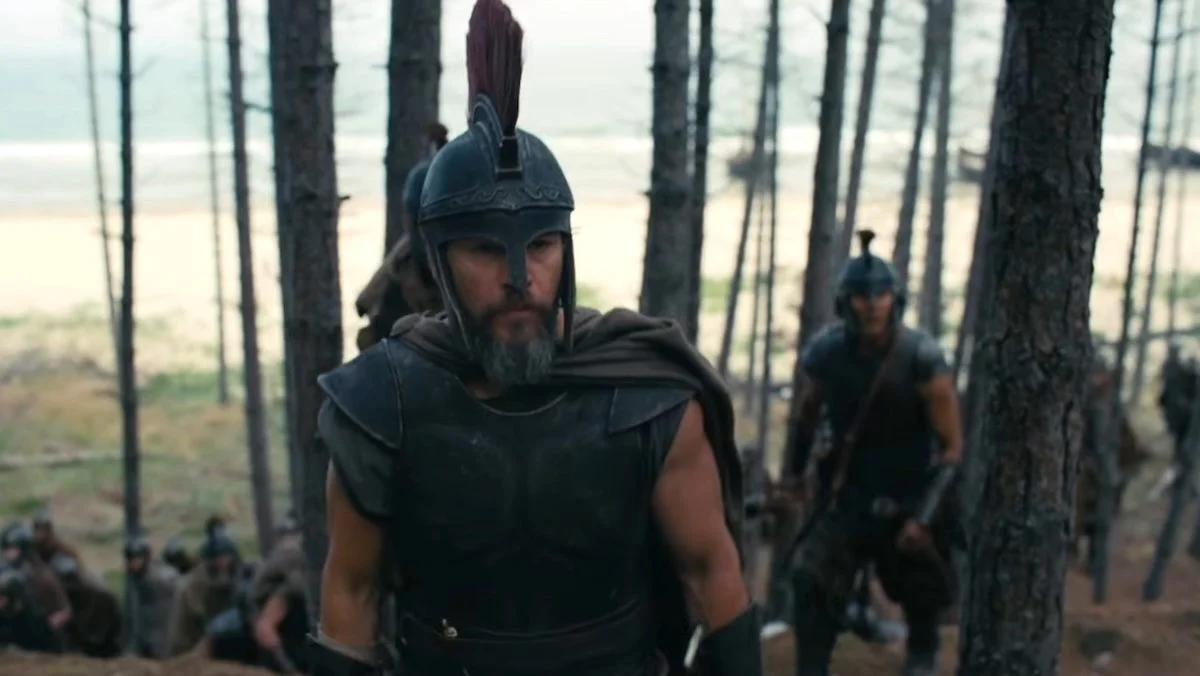
In an era where the digital landscape dictates the success of major motion pictures, the film industry has increasingly leaned on the "influencer screening." This promotional strategy, designed to manufacture instant, organic-seeming word-of-mouth, has become a staple of modern movie marketing. However, Universal Pictures has made a bold, industry-defying decision regarding Christopher Nolan’s highly anticipated adaptation of Homer’s The Odyssey. According to The Hollywood Reporter, the studio is opting to skip the influencer circuit entirely, heading straight for traditional critic screenings.
This decision marks a significant inflection point in how major studios approach the prestige market, signaling a potential shift in the tension between social media hype and critical legitimacy.
The Epic Scope of Christopher Nolan’s Latest Vision
Christopher Nolan, a director known for his meticulous approach to craft and his preference for practical effects and large-format cinema, is turning his lens toward one of history’s most foundational pieces of literature. The Odyssey promises to be a sprawling, visceral adaptation of the Greek epic, detailing the ten-year journey of King Odysseus as he attempts to return to his kingdom of Ithaca following the conclusion of the Trojan War.
Given the depth of Homer’s narrative, which traverses treacherous seas, pits the hero against cyclopes, and subjects him to the enchantments of powerful witches, the scale of the production is immense. It has been confirmed that the film will boast a runtime of nearly three hours—a duration that reflects the gravity and ambition of the source material.
The casting choices further solidify the film’s status as a cinematic event. Matt Damon steps into the titular role of Odysseus, anchored by an ensemble cast that spans generations and genres. The inclusion of stars like Robert Pattinson and even unexpected additions like Travis Scott suggests a deliberate, multifaceted casting strategy designed to appeal to diverse demographics while maintaining a high-caliber dramatic standard.
The Mechanics of Influencer Screenings: A Contentious Strategy
To understand why Universal’s decision to bypass influencer screenings is so significant, one must first examine the rise of the influencer in Hollywood marketing. Over the past decade, studios have increasingly invited social media personalities, content creators, and "fan-influencers" to early screenings. The goal is simple: to generate a deluge of enthusiastic social media posts, TikTok reactions, and Instagram stories that create an aura of inevitability and excitement before a film hits the general market.
However, this practice is fraught with complications. Critics often argue that these screenings are fundamentally different from professional press junkets. While a journalist is tasked with analyzing the film’s merits, flaws, and technical achievements, an influencer’s objective is often to generate engagement.
The Problem with "Fanatical Positivity"
The primary criticism leveled against influencer-led marketing is the lack of objective distance. Influencers, who often rely on access to studios for their livelihood, are frequently incentivized to provide "fanatically positive" reactions. This creates a feedback loop where the audience is no longer receiving a critique, but rather a polished, studio-sanctioned advertisement disguised as personal opinion.
Furthermore, there is an ongoing issue of transparency. The lines between a genuine fan account and a studio-hired promoter have become increasingly blurred. When an influencer praises a film, the average viewer may not realize that the opinion is part of a broader marketing campaign. This "astroturfing" effect has begun to erode public trust in early social media buzz, leading to a disconnect between the glowing reception on X (formerly Twitter) and the actual critical reception upon a film’s wide release.
Chronology of the Marketing Shift
The timeline for The Odyssey reflects a strategy centered on prestige and legacy rather than rapid, fleeting digital engagement.
- Production Phase: Following the success of Oppenheimer, Nolan’s production team spent months on location-heavy shoots to bring the mythological world of The Odyssey to life.
- The Promotional Pivot: As the release date approached, industry analysts expected a hybrid approach to screenings, involving both early influencer access and traditional press previews.
- The Decision: In a move that surprised many, Universal opted to exclude influencer previews, choosing to prioritize a more traditional path that centers on professional critical appraisal.
- The Premiere: The film is set to hold its world premiere in London on July 6, followed by a concentrated period of professional critic screenings.
- The Public Release: The final, wide release for general audiences is slated for July 17.
By consolidating the initial feedback into the hands of professional critics, Universal is placing a massive bet on the quality of the film. It suggests a confidence in the movie’s ability to stand on its own without the artificial "cushion" of pre-release hype generated by social media figures.
Supporting Data and the "Prestige" Economy
The tension between influencer marketing and professional criticism is not merely a matter of taste; it is a matter of economic survival. For "mid-budget" or experimental films, influencers are often necessary to cut through the noise. However, for a Christopher Nolan film—a brand that carries significant weight in the industry—the math changes.
Nolan’s films are historically "critic-proof" or "critic-reliant" in a way few other directors’ works are. His fan base is notoriously analytical, often dissecting his films for their technical, structural, and philosophical merits. Inviting influencers to provide surface-level reactions to a complex, three-hour epic could potentially alienate this core demographic, who value deep-dive analysis over 30-second TikTok reviews.
Industry data suggests that while influencers can spike initial opening weekend numbers, professional critical consensus remains the most reliable indicator of long-term "legs" at the box office. By targeting critics first, Universal is aiming to cultivate a long-term narrative of artistic merit rather than a short-term burst of social media visibility.
Official Responses and Industry Implications
While Universal has not issued a formal manifesto explaining the decision, insiders suggest that the studio is responding to a growing "influencer fatigue" among audiences. The proliferation of early-reaction marketing has led to a cynical viewing public that is increasingly wary of the "best movie ever" reactions that seem to follow every new blockbuster screening.
Christopher Nolan himself has long championed the theatrical experience and the importance of the professional film critic. His commitment to the sanctity of the cinema hall often puts him at odds with the "content-first" culture of modern tech-integrated marketing.
Implications for Future Blockbusters
If The Odyssey succeeds—both critically and at the box office—without the aid of influencer screenings, it could signal a return to traditional marketing models for major studio releases. Other studios may find that the risks of influencer-led marketing (the potential for backlash, the erosion of brand trust, and the perceived "shallowness" of the promotion) outweigh the benefits of early viral engagement.
Conversely, if the film struggles to gain traction, it may lead to a debate about whether even the most auteur-driven films can afford to ignore the digital generation.
The Broader Cultural Context
The shift in The Odyssey’s marketing strategy is part of a larger conversation about the role of the "expert" in the digital age. As social media democratized the ability to voice an opinion, the value of that opinion has been diluted by the sheer volume of content. Professional critics are increasingly positioning themselves as a necessary filter in a world of infinite, often compromised, commentary.
By choosing to invite only those whose profession is to understand the language of film, Universal is reaffirming the idea that a movie like The Odyssey is an artifact of art, not just a product for the algorithm.
Conclusion: A High-Stakes Gamble
Universal’s decision to skip influencer screenings for The Odyssey is a bold statement. It is a gamble that quality will speak louder than hashtags and that the audience’s appetite for serious, contemplative cinema remains stronger than the desire for ephemeral social media trends.
As the industry watches the July 17 release date, the results will likely influence marketing budgets for years to come. If Nolan’s epic proves that prestige films can thrive on critical discourse alone, we may be witnessing the beginning of a decline in the "influencer-first" model. For now, the film stands as a test case: a three-hour journey into the heart of mythology, protected from the noise of the digital age, waiting to be judged by those who treat cinema not as content, but as culture.

 Siti Muinah
 Azzam Bilal Chamdy