Rifan Muazin
After a silence that stretched across four long years, the vibrant energy of Japan’s premier seafood celebration is returning to the heart of Tokyo. The 4th annual Sakana & Japan Festival 2023 is scheduled to transform Yoyogi Park in Shibuya Ward into a gastronomic wonderland from February 23rd to 26th. For seafood enthusiasts, culinary travelers, and local foodies alike, this marks a monumental return to normalcy, signaling the revival of one of the most beloved cultural gatherings in the nation.
As the sister event to the Japan Fisherman’s Festival—the largest fish-focused event in the country held annually in Hibiya Park—this four-day extravaganza promises to showcase the unparalleled diversity and quality of Japan’s maritime bounty.
Main Facts: A Celebration of Maritime Heritage
The Sakana & Japan Festival is far more than a simple food market; it is a curated celebration of Japan’s relationship with the ocean. With approximately 70 booths slated to participate, the festival serves as a nationwide culinary exchange, bringing delicacies from remote fishing villages and coastal prefectures directly to the center of Tokyo.
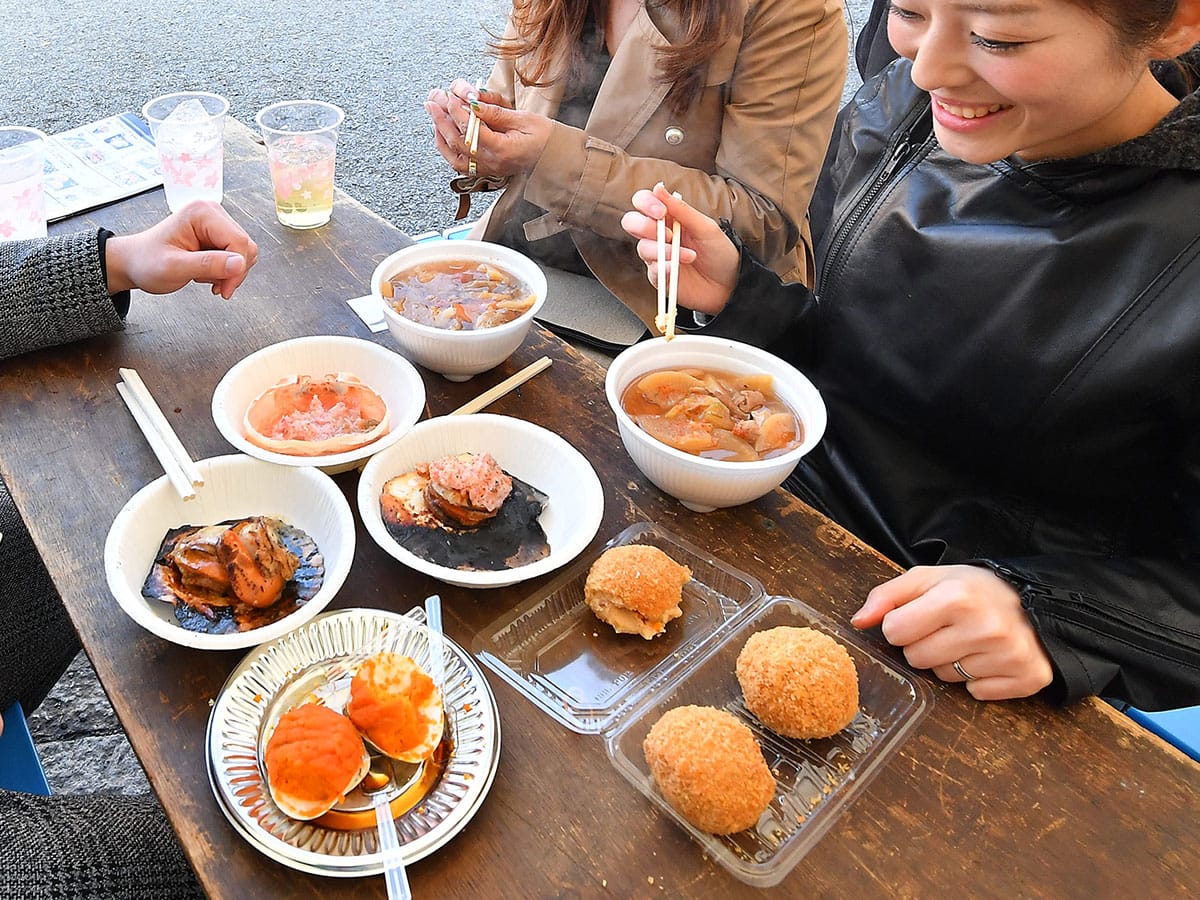
Attendees can expect a sensory overload of textures and flavors. The lineup includes everything from staples like tuna, salmon, and crab to more specialized offerings such as sea urchin (uni) and salmon roe (ikura). Whether it is a steaming bowl of seafood ramen, a sophisticated take on Spanish paella using local shellfish, or traditional fisherman’s meals prepared with age-old techniques, the festival acts as a bridge between the producer and the consumer.
Entry to the festival grounds at Yoyogi Park is free, allowing visitors to wander through the various stalls at their leisure, purchasing individual items as they explore. This accessibility is key to the event’s mission: to democratize high-quality seafood and educate the public on the importance of supporting Japan’s local fishing industries.
A Chronology of Resilience: From 2019 to the Present
The history of the Sakana & Japan Festival is intrinsically linked to the broader socio-economic landscape of Japan over the last half-decade.
- 2019: The Last Hurrah: The 3rd annual festival was held in 2019, drawing massive crowds and solidifying its reputation as a must-attend winter event in Tokyo. It was a time of growth and expansion for the festival organizers.
- 2020–2022: The Pandemic Hiatus: As the novel coronavirus pandemic took hold, the organizers were forced to make the difficult decision to cancel the 2020, 2021, and 2022 iterations of the festival. These years represented a period of immense challenge for the Japanese restaurant and hospitality sector, particularly for those relying on the seasonal foot traffic of large-scale festivals.
- 2023: The Great Return: With the lifting of travel restrictions and a renewed public appetite for communal dining, the announcement of the 2023 festival serves as a triumphant return. The four-year hiatus has only served to build anticipation, with organizers noting that this year’s event is poised to be the most significant in the festival’s history.
Culinary Highlights and Regional Specialties
While the full vendor list is currently being finalized, early reports from the festival’s press release have highlighted several "must-try" dishes that showcase the creative potential of Japanese seafood.
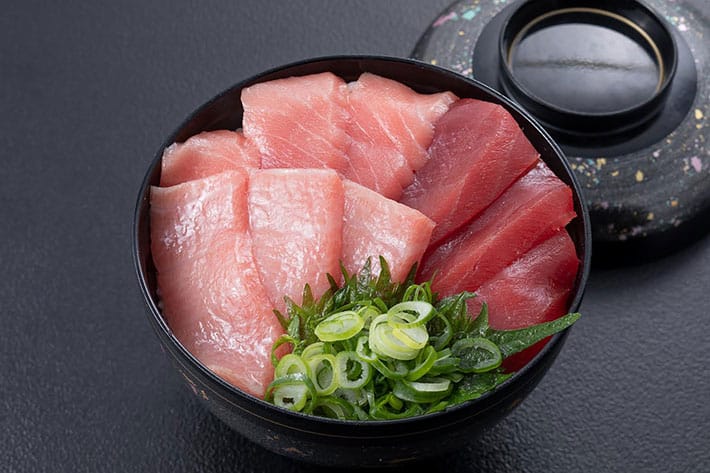
The Kuroshio Market’s Tuna Trio
A standout for any sushi lover will be the hon-maguro (tuna) bowl from the Kuroshio Market. This dish typically features a decadent selection of three different cuts of tuna, allowing guests to appreciate the varying fat content and flavor profiles of the fish—from the lean, ruby-red akami to the melt-in-your-mouth otoro.
The Evolution of Salmon: Maple Salmon
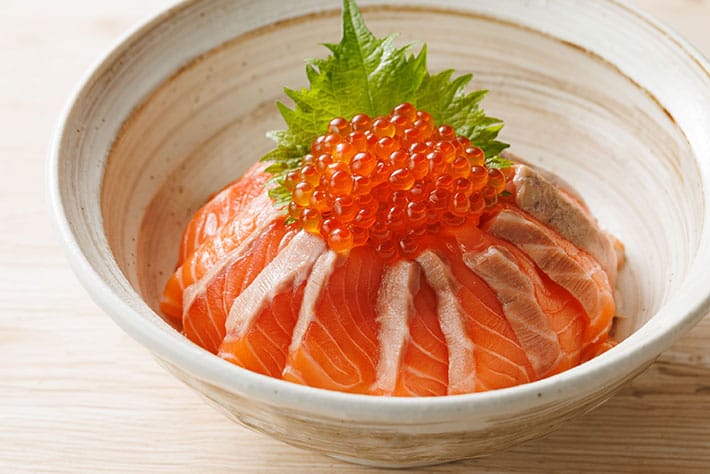
Perhaps the most interesting addition to this year’s roster is the "Maple Salmon" and roe bowl. Maple Salmon is a testament to Japanese agricultural innovation. A specialized brand of salmon trout raised in Fukushima Prefecture, the lineage began with Canadian rainbow trout roe that was hatched and carefully bred over several generations. The resulting fish was specifically engineered to suit the delicate Japanese palate. The name serves as a nod to its Canadian roots, highlighting the global collaboration inherent in modern aquaculture.
Coastal Specialties and Enhanced Classics
Visitors should also look out for:
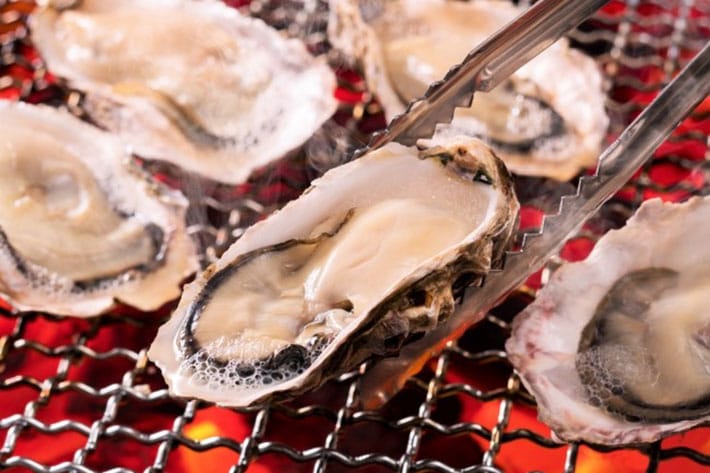
- Grilled Oysters: Succulent, freshly shucked oysters grilled over charcoal, a staple of coastal winter markets.
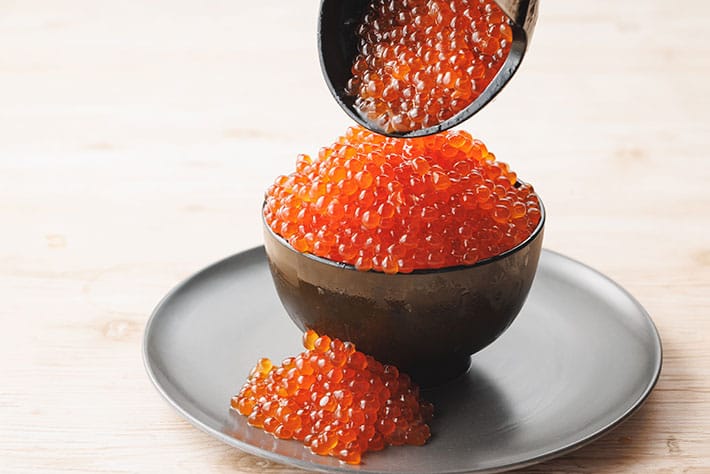
- The "New Improved" Salmon Roe Bowl: An upgrade on the classic, focusing on the quality of the brine and the pop of the roe.
- Fukushima Seafood Bowls: A signature dish that aims to highlight the recovery and quality of the region’s produce, bringing the taste of the Tohoku coast to the Shibuya cityscape.
Supporting Data: Why This Matters for Japan
The importance of the Sakana & Japan Festival extends beyond mere enjoyment. Japan’s fishing industry has faced significant headwinds in recent years, including aging demographics among fishermen, competition from imported seafood, and the lingering economic impacts of the pandemic.
Events like this provide a vital platform for small-to-medium-sized fisheries and independent food vendors. By centralizing these businesses in a high-traffic area like Yoyogi Park, the festival facilitates direct-to-consumer sales, providing an essential revenue stream that bypasses traditional retail intermediaries. Furthermore, the festival plays a crucial role in "food tourism." Foreign visitors, who may otherwise never visit the rural prefectures where these delicacies originate, gain an intimate understanding of Japan’s local food culture in a single afternoon.
Official Responses and Strategic Vision
The organizers have emphasized that the return of the festival is a collaborative effort between local governments, fishing cooperatives, and the hospitality sector. In their press communications, the organizing committee highlighted that the 2023 event is not just a revival, but a reimagining of the festival experience.
"The goal is to reconnect the people of Tokyo with the sources of their food," a spokesperson noted in the official press release. "By showcasing the craftsmanship of our fishermen and the dedication of our chefs, we hope to foster a renewed appreciation for the maritime bounty that defines our nation."
The festival also aims to serve as a beacon for tourism. As Japan continues to reopen its borders to international travelers, the Sakana & Japan Festival acts as a cultural anchor, offering an accessible, authentic experience that aligns with the growing global interest in Japanese cuisine (Washoku).
Implications: The Future of the Festival
Looking ahead, the organizers have stated their intention to maintain this event as an annual February fixture. The implications for the local economy are significant; the festival’s success often serves as a barometer for consumer confidence in the restaurant industry.
For those unable to attend the 2023 event, the long-term prognosis is positive. Barring any unforeseen health emergencies, the festival is expected to grow in scope and diversity. Future iterations are rumored to include more educational workshops, live demonstrations of fish butchery, and deeper collaborations with environmental organizations focused on sustainable fishing practices.
Final Thoughts for Visitors
For anyone visiting Tokyo in late February, the Sakana & Japan Festival at Yoyogi Park is an unmissable highlight. It is an opportunity to witness the resilience of a culture that has always turned to the sea for sustenance and inspiration.
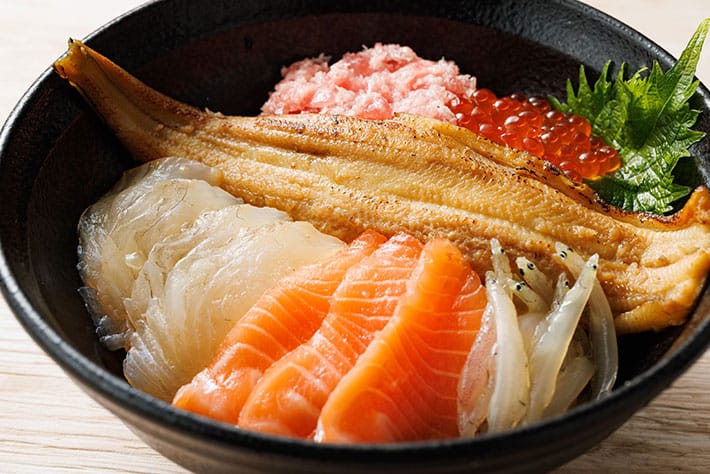
As you navigate the rows of stalls, remember that each bowl of rice topped with glistening salmon roe or every grilled oyster represents the hard work of coastal communities across the Japanese archipelago. It is a rare chance to experience the full spectrum of Japanese seafood in one place, creating memories that are as rich and varied as the flavors themselves.
Stay tuned to the official event website for the most up-to-date information regarding booth locations, performance schedules, and special guest appearances as the opening day approaches.


 Neng Nana
 Asro
Asro