Evan Lee Salim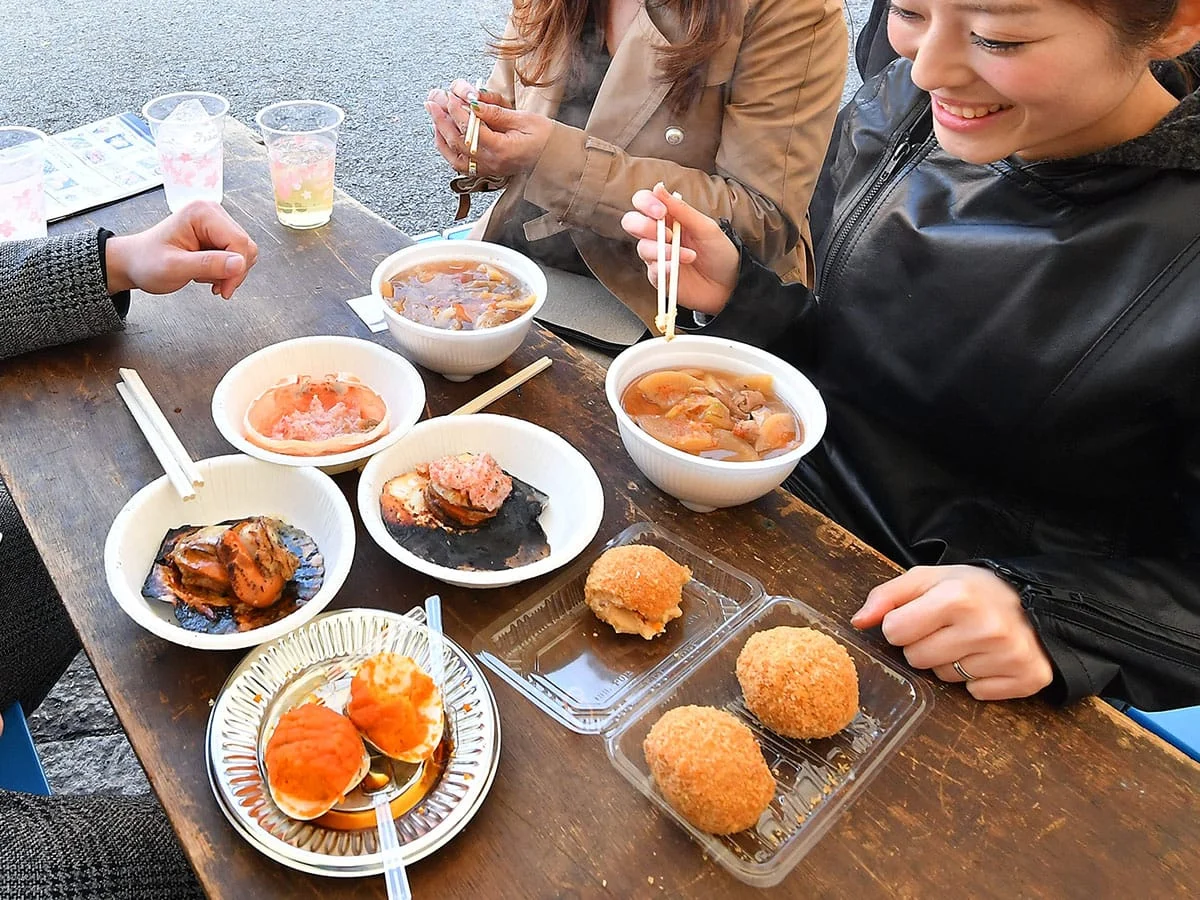
After a protracted four-year silence that left a void in the heart of Tokyo’s vibrant food scene, one of the capital’s most anticipated gastronomic gatherings is finally making its comeback. The 4th annual Sakana & Japan Festival 2023 is scheduled to transform Yoyogi Park in Tokyo’s Shibuya Ward into a sprawling open-air seafood sanctuary from February 23rd to February 26th. For seafood enthusiasts, local residents, and international tourists alike, the return of this event signals not only a celebration of Japan’s rich maritime heritage but also a symbolic return to normalcy following the turbulence of the COVID-19 pandemic.
Main Facts: A Celebration of Japan’s Maritime Bounty
The Sakana & Japan Festival serves as the prestigious sister event to the Japan Fisherman’s Festival—the nation’s largest fish-focused culinary gathering, traditionally held every November at Hibiya Park. By migrating to the expansive grounds of Yoyogi Park, the festival aims to bring the ocean’s freshest harvest directly to the urban landscape of Shibuya.
The scale of the 2023 iteration is set to be significant, featuring approximately 70 curated booths. These vendors represent a cross-section of Japan’s diverse coastal regions, offering a culinary tour of the archipelago’s maritime resources. From the cold, nutrient-rich currents of the north to the temperate waters of the south, the festival showcases the vast variety of Japan’s seafood, including premium tuna, buttery salmon, vibrant ikura (salmon roe), delicate sea urchin, and succulent crab.
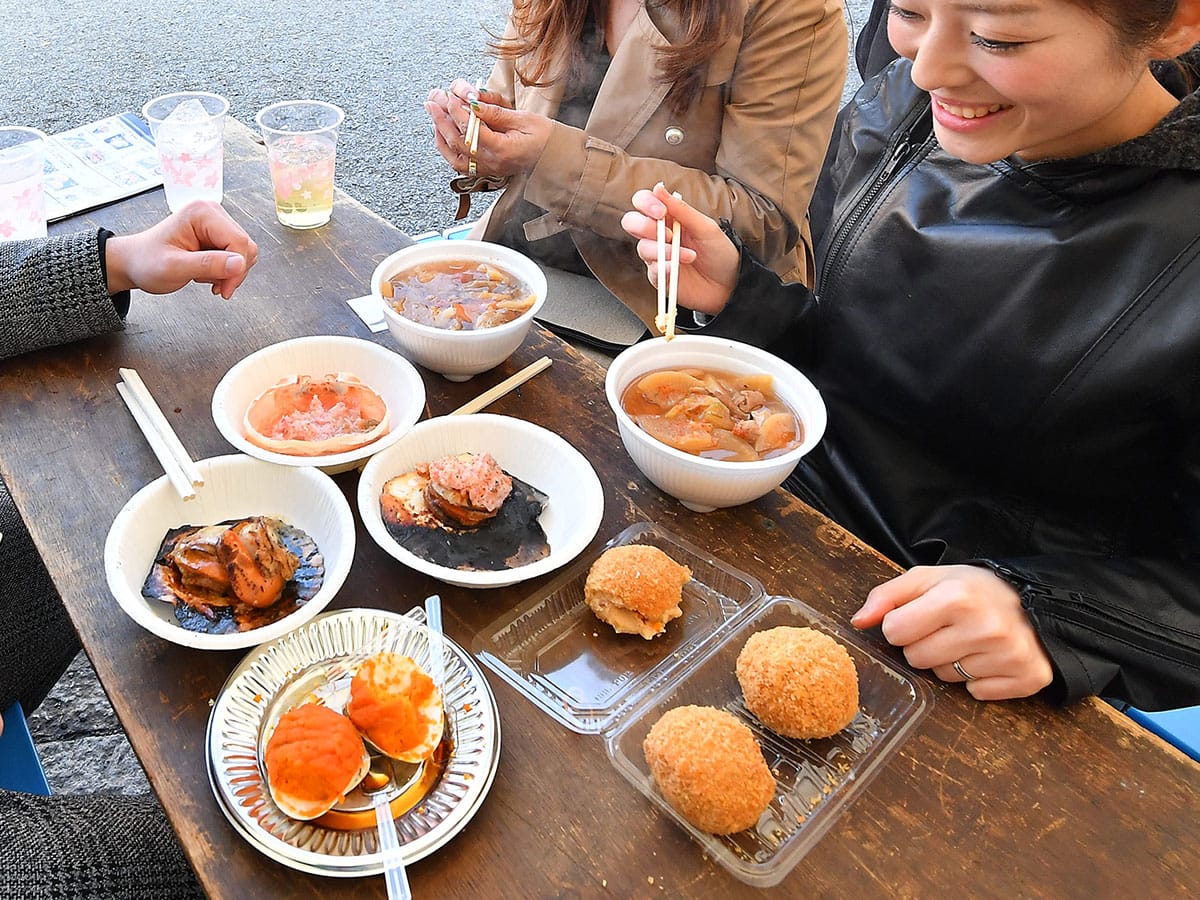
Beyond simple preparation, the event highlights the evolution of Japanese seafood culture. Attendees can expect an eclectic menu ranging from traditional fisherman’s meals and pristine seafood bowls (kaisendon) to modern fusion interpretations such as seafood ramen and Mediterranean-inspired seafood paella.
A Chronological Look at the Festival’s Resilience
To understand the magnitude of this year’s event, one must look at the timeline of the festival’s recent history. The inaugural years of the Sakana & Japan Festival established it as a staple of Tokyo’s winter calendar, drawing tens of thousands of visitors eager to sample delicacies that are often difficult to find in standard metropolitan restaurants.
The 3rd iteration of the festival took place in 2019, providing a high-water mark for attendance and vendor participation. However, as the COVID-19 pandemic swept across the globe in early 2020, the festival—like many other major public gatherings—was forced to suspend operations. The subsequent cancellations in 2020, 2021, and 2022 were a heavy blow to the regional fisheries that rely on such events to promote their specialized goods to the Tokyo market.
The return in 2023 is not merely a scheduled event; it is a milestone. After a four-year hiatus, the festival’s resurgence serves as a litmus test for the recovery of Japan’s event-based tourism and local food trade sectors. Organizers have spent the interim period refining the event’s logistics to ensure that the 2023 comeback is not only safe but also provides an elevated experience for the public.
Supporting Data: Must-Try Culinary Highlights
While the full list of vendors is subject to ongoing updates, preliminary reports from the official organizers highlight several "must-try" items that encapsulate the diversity of Japanese regional seafood:
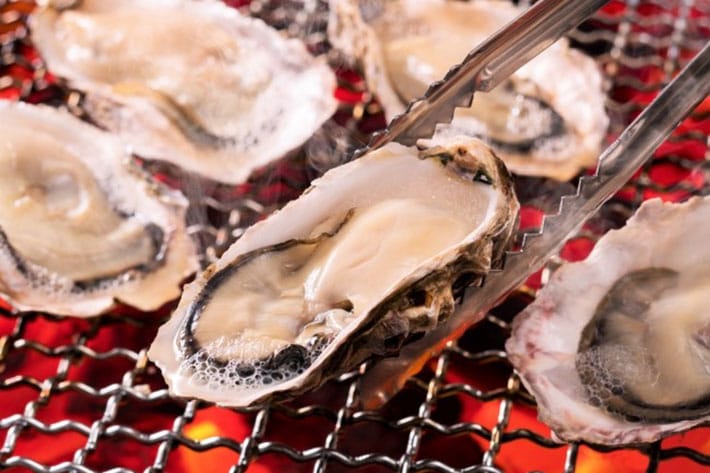
- Fresh Grilled Oysters: A festival classic, these are sourced from Japan’s premier oyster-growing regions, known for their plump texture and briny, sweet flavor profile.
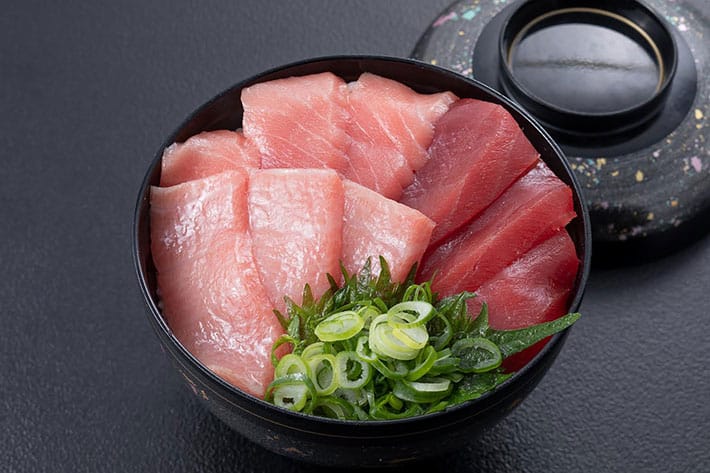
- The Kuroshio Market’s "Three-Type Tuna Bowl": A masterclass in tuna variety, this bowl allows diners to compare the subtle differences in texture and fat content between different cuts of the fish.
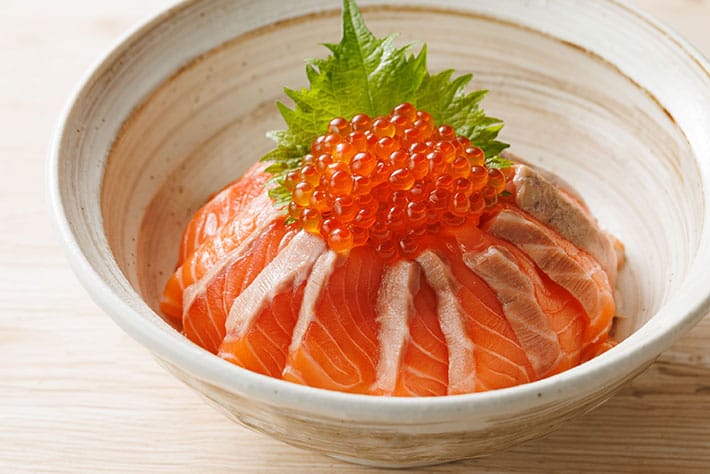
- Maple Salmon & Roe Bowl: This highlight showcases the "Maple Salmon" brand from Fukushima Prefecture. This specific strain of salmon trout—developed through generations of careful cross-breeding between Canadian rainbow trout roe and Japanese farming expertise—is renowned for its rich, melt-in-the-mouth quality. The name pays homage to its North American heritage while celebrating its Japanese refinement.
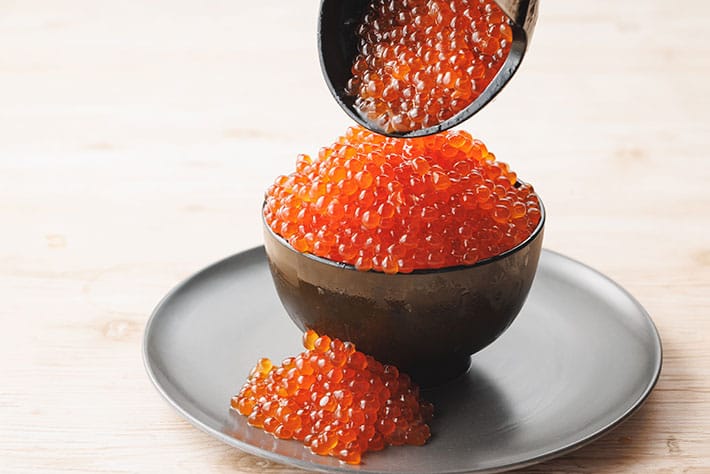
- New Improved Salmon Roe Bowl: A refined version of a fan favorite, focusing on the quality and seasoning of the roe to ensure an explosion of umami in every bite.
- Fukushima Seafood Bowl: A specialty bowl that highlights the resilience and high quality of the marine products from the Fukushima region, which has invested heavily in rigorous safety testing and quality control to regain its reputation as a powerhouse of seafood production.
Admission to the festival grounds is free, allowing visitors to roam the stalls and soak in the atmosphere of the park. Food and drink purchases are handled on an individual basis at each booth, offering flexibility for those who wish to sample small portions from a wide array of vendors.
Official Responses and Strategic Significance
The organizers have emphasized that this festival is more than just a place to eat; it is an educational platform. By bringing together fishers, processors, and the public, the event bridges the gap between rural production and urban consumption.
In official press releases, the festival committee underscored the importance of this event for the revitalization of the fishing industry. Many regional fisheries have struggled with fluctuating market prices and changing consumer habits during the pandemic. The Sakana & Japan Festival provides a direct-to-consumer channel that bypasses traditional market intermediaries, allowing fishers to retain a higher percentage of their earnings while receiving immediate feedback from the public.
For international visitors, the event offers a rare, concentrated look at the intricacies of Japanese fish culture. The sheer variety of preparation methods—from raw sashimi to charcoal-grilled skewers—demonstrates the deep-seated respect for ingredients that defines the national palate.
Broader Implications for Tokyo’s Tourism
The return of the Sakana & Japan Festival serves as a vital signal for Tokyo’s tourism industry. As international borders reopen and travel to Japan surges, the availability of authentic, high-quality cultural experiences is essential. The festival provides a accessible entry point for foreign travelers to engage with Japanese food culture in a casual, park-based setting that is both welcoming and informative.
Furthermore, the event’s return to Yoyogi Park is a strategic decision that leverages one of Tokyo’s most popular public spaces. Situated near the bustling districts of Harajuku and Shibuya, the location ensures high foot traffic and accessibility. This visibility is crucial for promoting regional specialties that might otherwise remain unknown to the average Tokyoite.
Looking Toward the Future
The organizers have expressed optimism that the 2023 festival will lay the groundwork for a long-term, stable future. Should the event prove successful, it will reaffirm the festival’s position as a permanent fixture in the Tokyo social calendar. Barring any unforeseen health or safety disruptions, the festival is intended to resume its annual cycle, with plans already being discussed for a follow-up in February 2024.
For those planning to attend, it is highly recommended to monitor the official festival website and social media channels for real-time updates regarding specific vendors, scheduled stage events, and any potential changes to park hours due to weather.
As the scent of charcoal-grilled seafood begins to drift across Yoyogi Park this February, it will mark the end of a long, quiet season and the beginning of a vibrant new chapter for Japan’s culinary scene. Whether you are a dedicated seafood aficionado or a curious traveler seeking an authentic taste of the Japanese archipelago, the 4th annual Sakana & Japan Festival is an unmissable destination for your 2023 itinerary.


 Neng Nana
 Asro
Asro