Nana Muazin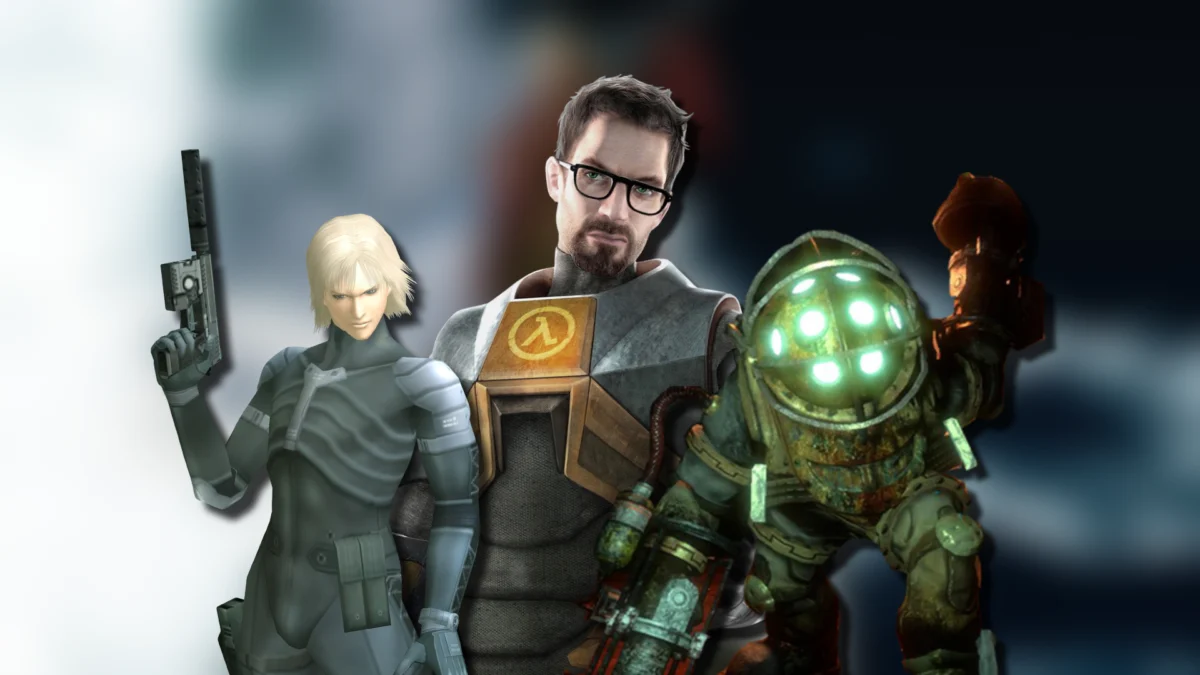
The history of video games is often charted through technological leaps—the transition from 2D sprites to 3D polygons, the birth of online connectivity, and the rise of mobile gaming. However, the 2000s represent something far more profound: the decade where the medium found its creative voice. It was a transformative era that saw developers transition from mere "toy makers" to architects of complex, immersive, and emotionally resonant experiences.
From 2000 to 2009, the industry underwent a metamorphosis. Developers worldwide pushed the boundaries of narrative, mechanics, and art design, gifting us works whose influence remains not just palpable, but foundational. While modern hardware allows for photorealistic graphics and massive open worlds, many of the masterpieces from this decade remain untouched, standing as the apex of their respective genres. In this analysis, we explore ten classic games from the 2000s that have yet to be truly surpassed.
The Evolution of the Medium: A Chronological Retrospective
To understand why these titles endure, one must look at the climate of the early 2000s. The industry was moving away from the arcade-centric design philosophies of the 90s, embracing longer, more deliberate campaigns and deeper world-building.
- 2001–2002: The dawn of atmospheric excellence. Titles like Silent Hill 2 redefined psychological horror, proving that games could tackle mature, heavy themes like guilt and trauma.
- 2004–2005: The rise of the blockbuster. World of Warcraft bridged the gap between niche MMORPGs and mainstream culture, while Devil May Cry 3 and Resident Evil 4 (notably absent here, but indicative of the era) pushed action mechanics to a level of fluidity that many modern titles still struggle to emulate.
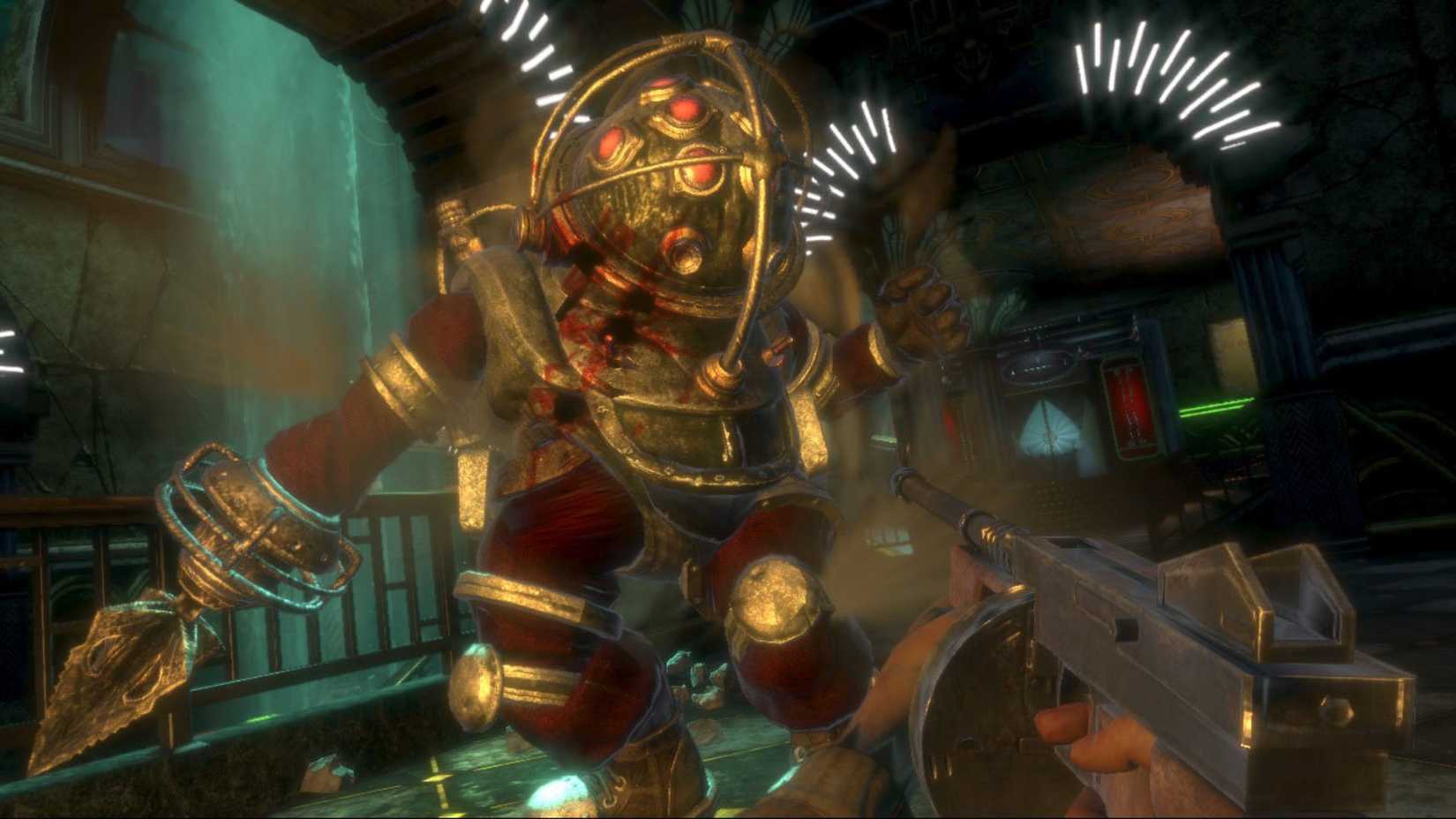
- 2007–2008: The refinement of systems. BioShock and Mirror’s Edge demonstrated that the First-Person perspective could be used for far more than just "shooting gallery" gameplay, prioritizing environmental storytelling and kinetic movement.
The List: Ten Unrivaled Icons
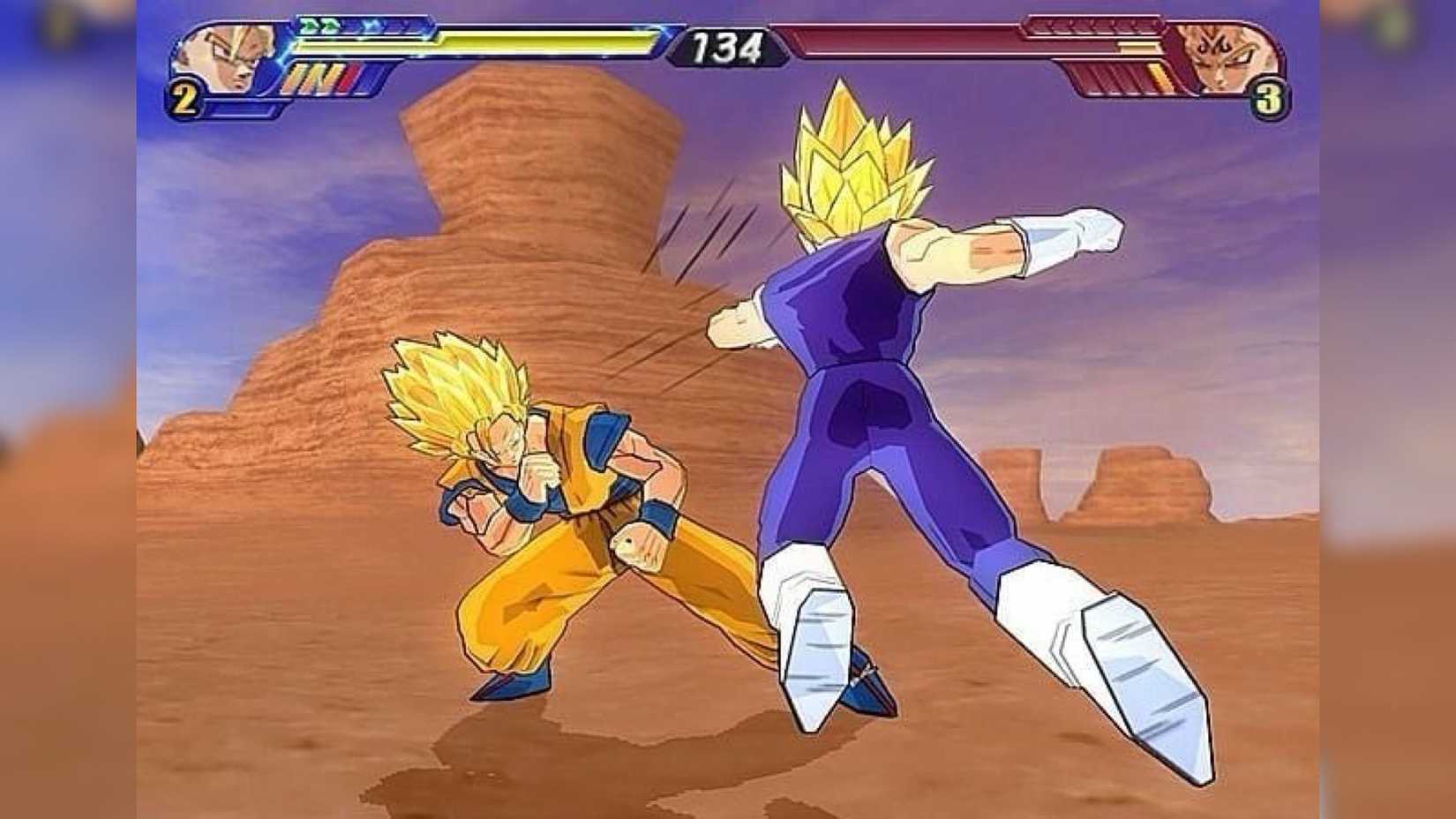
10. Dragon Ball Z: Budokai Tenkaichi 3 (2007)
While modern arena fighters focus heavily on eSports-ready balance and aggressive meta-gameplay, Budokai Tenkaichi 3 remains the definitive "fan service" experience. With a roster that seems gargantuan even by today’s standards and a control scheme that captured the chaotic energy of the anime, it prioritized fun and scale over rigid competitive integrity. It is a time capsule of an era where developers were more interested in fulfilling a power fantasy than perfecting a frame-data chart.
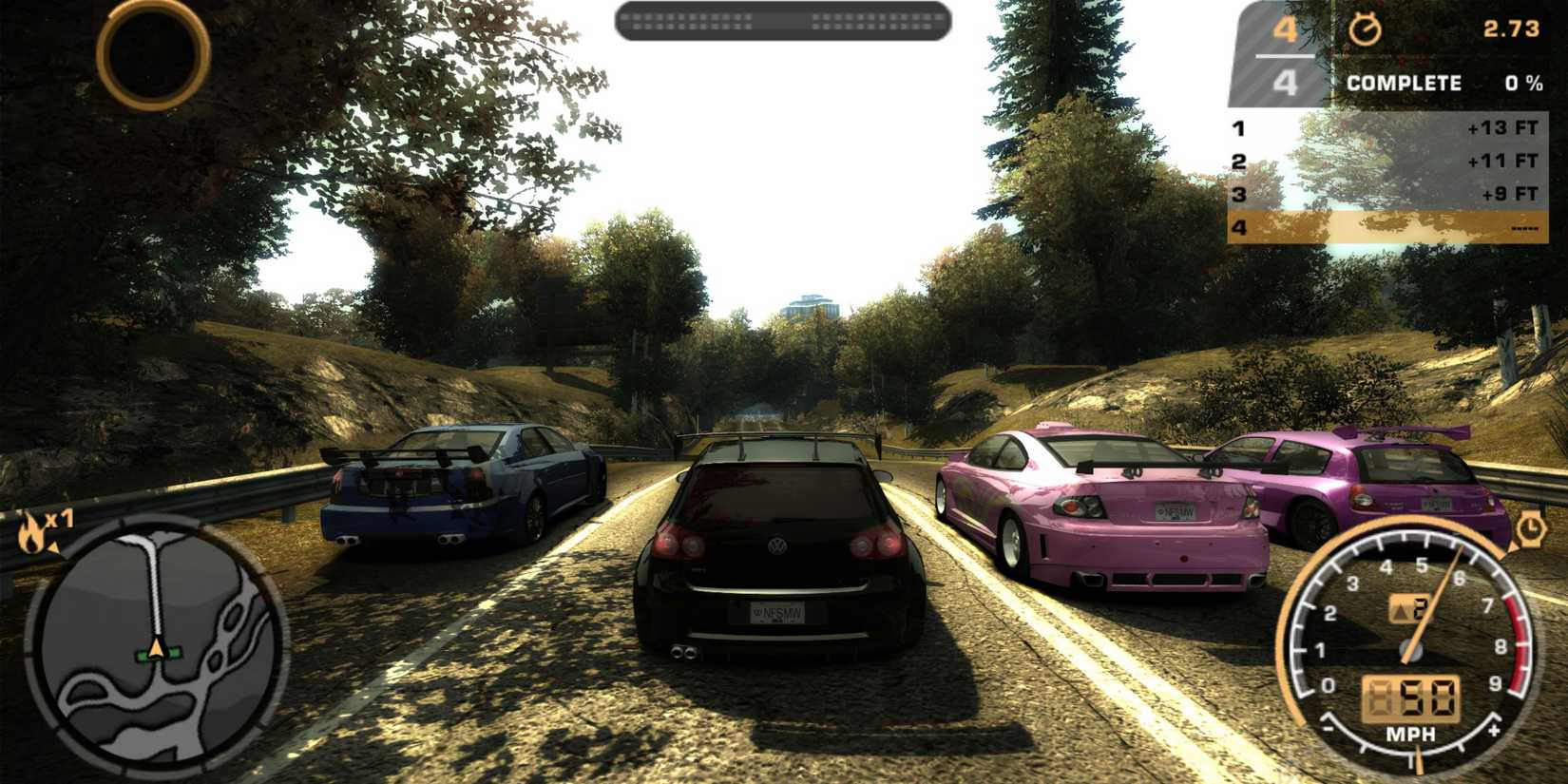
9. Need for Speed: Most Wanted (2005)
The racing genre has largely pivoted toward ultra-realistic simulation. In doing so, the arcade-style, high-stakes thrill of street racing—the "culture" of the pursuit—has been lost. Most Wanted remains the gold standard for its perfect blend of aesthetic customization, a punchy, iconic soundtrack, and an adrenaline-fueled police evasion system that has yet to be replicated with the same level of intensity.
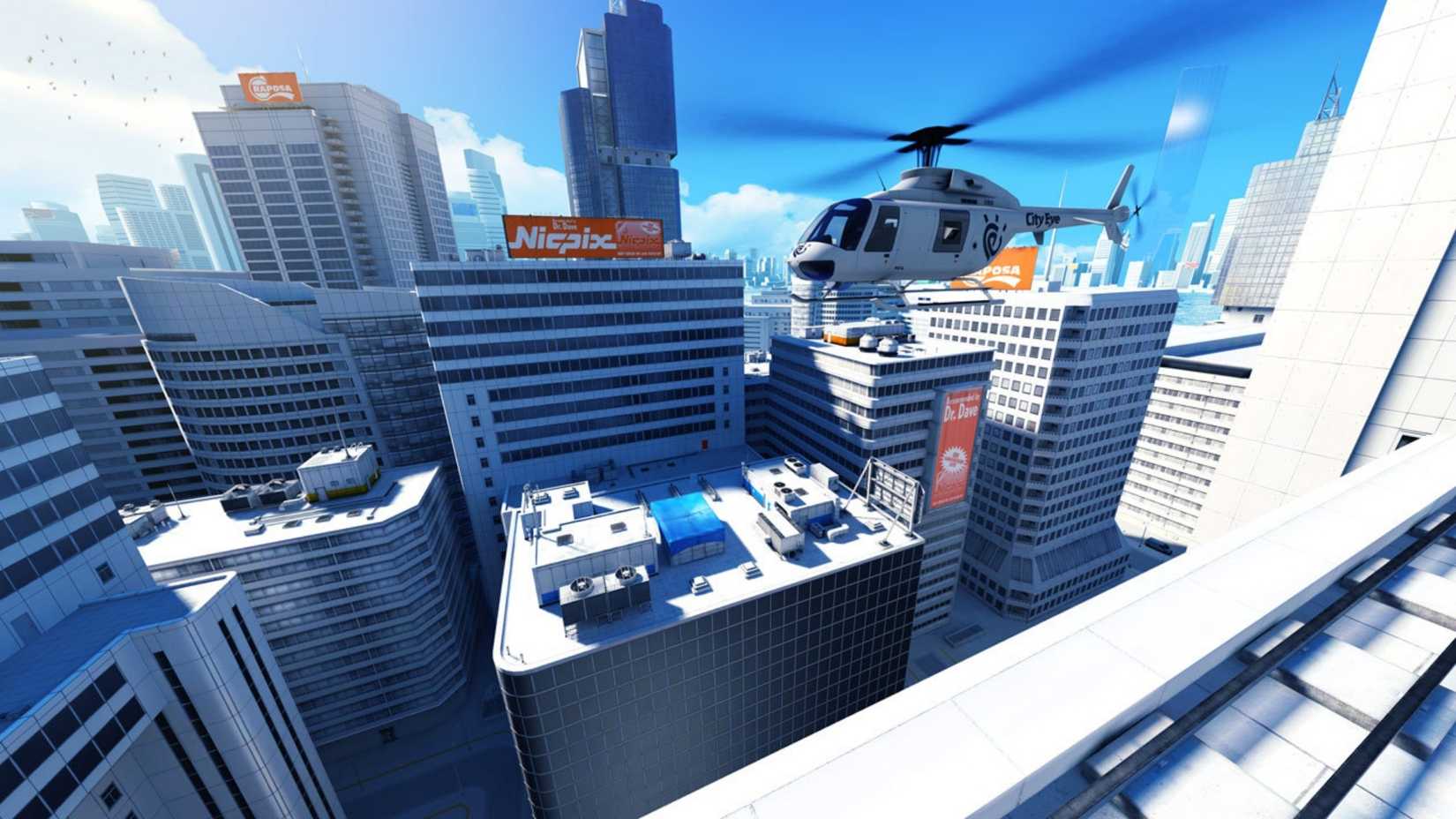
8. Mirror’s Edge (2008)
DICE’s Mirror’s Edge was a bold experiment in first-person platforming. Even nearly two decades later, the game’s commitment to "first-person presence"—where you feel the weight of every jump and the impact of every landing—remains unmatched. While many games have attempted to incorporate parkour, they often rely on automated button presses. Mirror’s Edge requires rhythmic precision, creating a sense of flow that is effectively a digital ballet.
7. BioShock (2007)
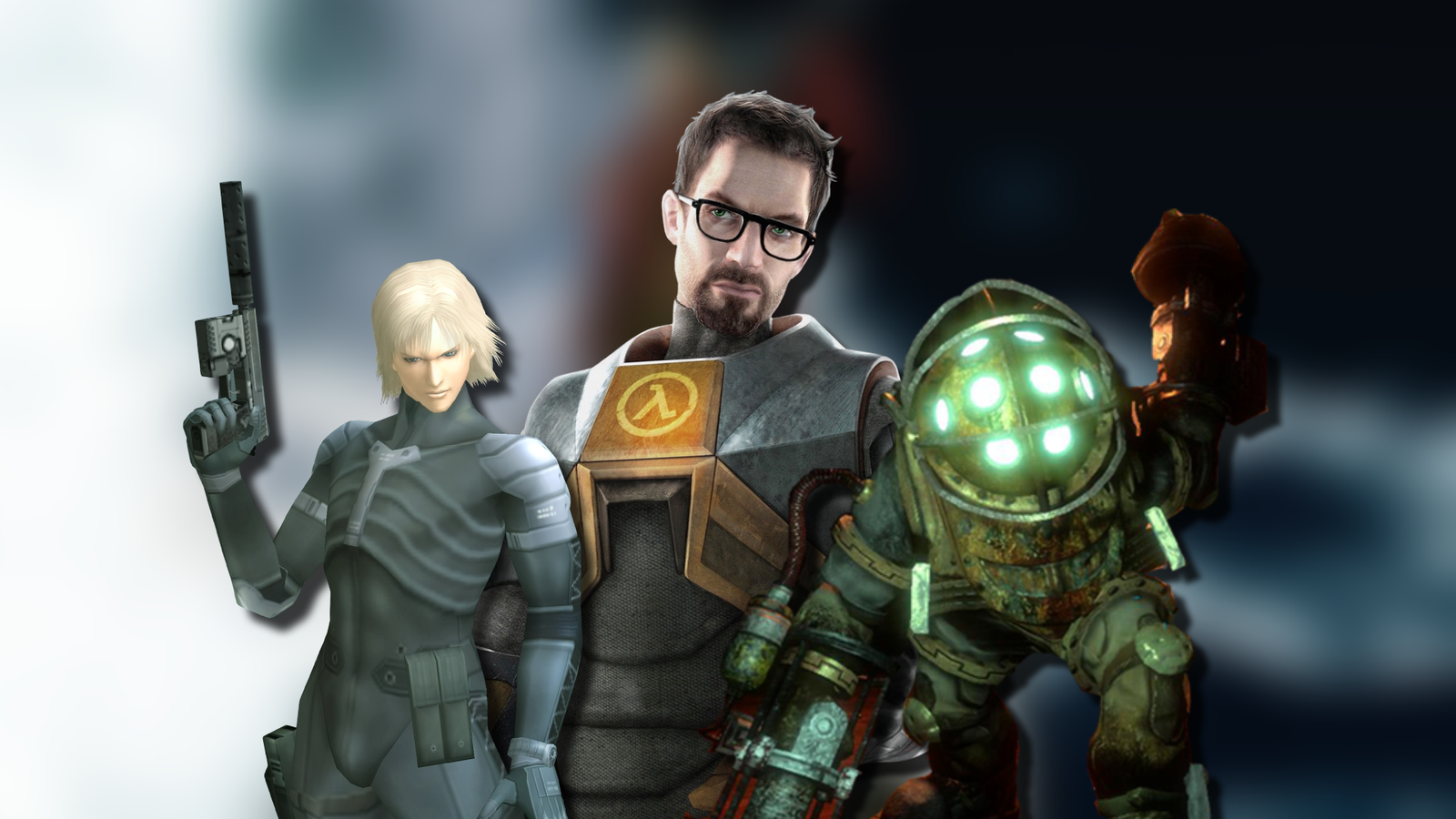
BioShock is the primary argument for video games as a high-art medium. Beyond its revolutionary "Plasmids" (magic-like powers in an FPS setting), it remains the benchmark for environmental storytelling. Rapture is not just a level; it is a character. Every audio log and piece of debris tells a story, and the game’s meta-commentary on the player’s own agency remains the most sophisticated narrative twist in the history of the medium.
6. World of Warcraft (2004)
To discuss the 2000s without mentioning World of Warcraft is to ignore a global cultural shift. It didn’t just invent the modern MMO; it perfected it. The sheer scale of Azeroth, the depth of its lore, and the social infrastructure it created remain the blueprint for the genre. Despite the existence of more advanced graphics engines, no other game has managed to capture the same sense of "living" adventure that defined the early years of WoW.
5. Max Payne (2001)
Third-person shooters have evolved significantly, particularly with the "cover shooter" mechanics popularized by Gears of War. However, Max Payne remains the king of the "Gun-Fu" aesthetic. Its comic-book-style storytelling and the visceral, slow-motion bullet time mechanic are still the most stylish implementation of the concept. It is a masterclass in atmosphere and noir-inspired grit that modern shooters often replace with generic military tropes.
4. Silent Hill 2 (2001)
Psychological horror is a difficult needle to thread. Many modern titles rely on "jump scares" or high-intensity chase sequences. Silent Hill 2 opted for a slow, agonizing descent into madness. The game’s brilliance lies in its symbolism—the monsters aren’t just threats; they are manifestations of James Sunderland’s psyche. It remains the most mature, nuanced, and genuinely disturbing story ever told in a video game.
3. Devil May Cry 3: Dante’s Awakening (2005)
After the disappointing Devil May Cry 2, Capcom returned to the drawing board to create the ultimate hack-and-slash experience. Dante’s Awakening is a perfect synergy of combat depth, character charisma, and level design. It introduced the "Style" system that forces players to get creative, ensuring that the combat never feels stale. It remains the high-water mark for the action genre’s emphasis on "style as substance."
2. Metal Gear Solid 2: Sons of Liberty (2001)
Hideo Kojima’s MGS2 is perhaps the most prescient piece of software ever created. It warned players about the dangers of the internet, the manipulation of information, and the rise of artificial intelligence—all in 2001. Beyond its thematic genius, it is a mechanically sound stealth-action game that remains incredibly fun to play. It is a rare example of a game that truly "grows" with its audience as the real world catches up to its predictions.
1. Half-Life 2 (2004)
Valve’s Half-Life 2 is the pinnacle of the First-Person Shooter. It is not just the gunplay or the physics-based Gravity Gun that makes it legendary; it is the pacing. Half-Life 2 never relies on the same trick twice. It shifts seamlessly between puzzles, horror, vehicular combat, and squad-based warfare, all while maintaining a consistent narrative thread. It set a standard for "level design as narrative" that developers have been chasing for twenty years.
Implications for the Modern Industry
The fact that these games remain the "gold standard" decades later has significant implications for the current industry. We are currently in an era of massive budgets and massive scale, yet we often lack the tight, focused, and revolutionary design philosophies found in these 2000s classics.
Modern developers have the tools to create perfect replicas, but often struggle to capture the "magic" or the "audacity" of these titles. Many of the games on this list were born from risk-taking—DICE betting on first-person parkour, or Valve betting on a physics engine that no one had ever used before.
As we look toward the future of interactive entertainment, these ten titles serve as a constant reminder: greatness in gaming is not determined by resolution, ray tracing, or the size of the map. It is determined by the clarity of the vision and the willingness to innovate. Until a new generation of developers can match the ambition of these 2000s legends, they will remain the pillars upon which the entire industry stands.


 Asro
Asro
 Muslim