Pevita Pearce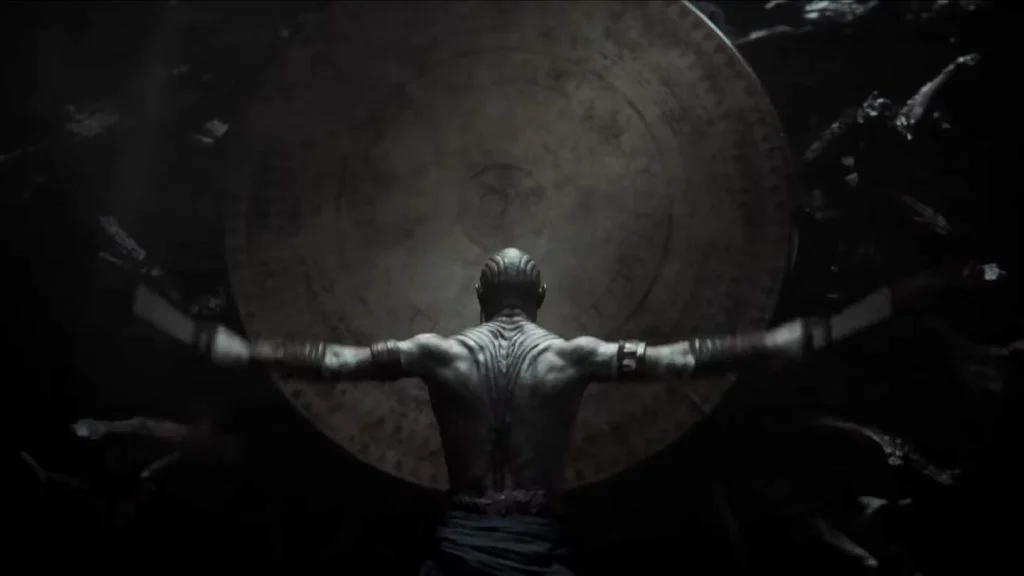
By Editorial Staff
Updated: 7 hours ago
In a rare and dramatic display of internal advocacy, developers at Quantic Dream have initiated strike action this week, signaling a deepening crisis within the renowned French studio. The industrial action, which has seen over 100 staff members walk off the job or halt their output, is not a demand for higher wages or standard labor grievances, but rather an urgent plea for management to restructure internal resource allocation to "save" the long-gestating project, Star Wars Eclipse.
The Core Conflict: Resource Mismanagement
The catalyst for this labor dispute is the abrupt shelving of Spellcasters Chronicles, a project that left more than 100 developers in professional limbo. Despite having a full, talented team ready to contribute, Quantic Dream management has reportedly failed to integrate these workers into other active departments.
According to reports from the French outlet GameKult, the striking developers are demanding that this idle workforce be immediately reassigned to the Star Wars Eclipse team. Insiders paint a picture of a studio divided: while Eclipse is allegedly suffering from severe understaffing and sluggish development, a significant portion of the company’s human capital sits on the sidelines, waiting for administrative directives that have yet to arrive.
The striking employees have framed their protest as a constructive effort. They argue that the current trajectory of Star Wars Eclipse is unsustainable. By moving the former Spellcasters staff to the Eclipse project, the studio could theoretically infuse the team with the necessary manpower to move development from a crawl to a sustainable, professional pace.
A Chronology of Stagnation
To understand the gravity of the current strike, one must look at the timeline of Star Wars Eclipse, a project that has become synonymous with "development hell" in the eyes of industry analysts.
- Late 2021: Star Wars Eclipse is officially unveiled with a high-production cinematic trailer at The Game Awards. The announcement generates massive buzz, positioning the game as a flagship title for the studio.
- 2022–2023: Silence ensues. Reports begin to surface regarding Quantic Dream’s difficulties with their proprietary engine, which was originally built for narrative-heavy, linear experiences, struggling to adapt to the open-world scale required for a Star Wars title.
- Early 2024: The studio faces internal pressure as Spellcasters Chronicles enters a period of uncertainty, eventually leading to its cancellation or indefinite suspension.
- Last Month: The formal closure of the Spellcasters project is confirmed. Despite the availability of the staff, management fails to provide a clear roadmap for their transition.
- This Week: Tensions boil over. Developers, witnessing the lack of progress on Eclipse and fearing for the future of the company, initiate a strike to force a management pivot.
The irony is not lost on the staff. They point out that in the month since Spellcasters was shuttered, those developers could have been trained on the internal tools and pipelines used for Eclipse. Instead, those weeks have been squandered, leaving the project in a significantly weaker position than it needed to be.
The Anatomy of a Development Crisis
The grievances expressed by the employees go beyond simple staffing issues. There is a palpable frustration with the top-down management structure at Quantic Dream. Sources speaking to GameKult describe a work environment characterized by unclear project direction, frequently discarded assets, and a lack of transparency from the leadership team.
The "top-down" approach is cited as a primary driver of the slow development cycle. When leadership fails to provide a cohesive vision, teams end up building features or assets that are later scrapped, leading to "crunch" periods followed by long stretches of aimless work. This cycle of inefficiency is, according to the strikers, precisely what threatens the viability of Star Wars Eclipse.
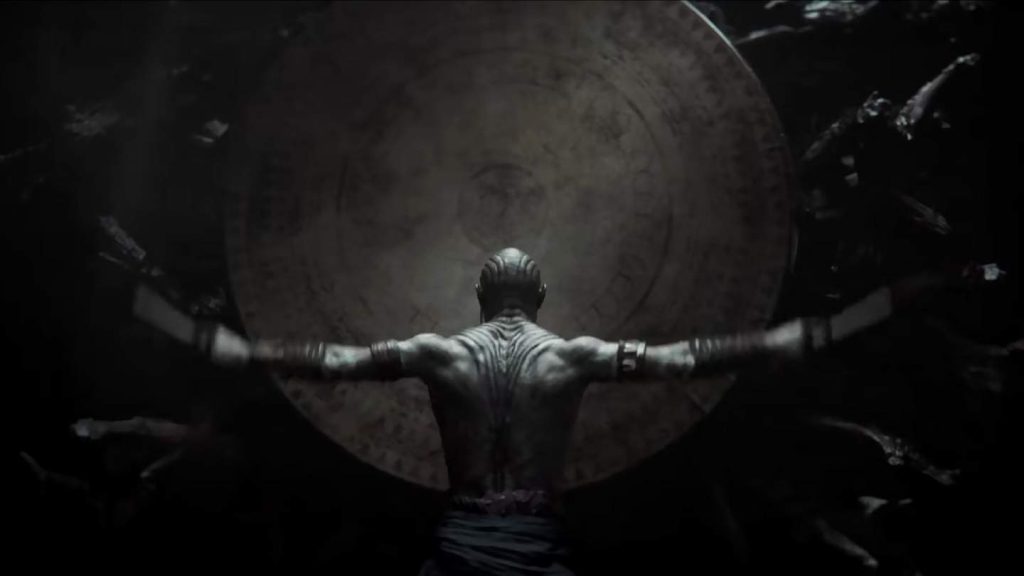
If the proposed redundancy programs go ahead—essentially laying off the workers who are currently trying to save the project—the developers warn that Star Wars Eclipse may never reach a state of completion. The consensus among the striking group is that the project requires a massive, coordinated effort to salvage, and that the current staff reduction plan is a strategic error that could cost the studio its most high-profile contract to date.
Implications: The "Death Sentence" of Prolonged Development
The stakes for Quantic Dream could not be higher. Having spent five years in development, Star Wars Eclipse is at a critical juncture. In the current gaming market, which has become increasingly ruthless regarding long-term, high-budget projects, the five-year "nothing to show for it" phase is often a death sentence for a studio’s reputation and financial stability.
For major publishers and stakeholders like Lucasfilm Games, continued delays and internal labor strife are red flags. The reputation of a studio is its most valuable currency; if a studio is seen as unable to manage its own internal resources or keep its staff aligned, the trust required to handle massive intellectual properties (IPs) like Star Wars evaporates.
Furthermore, this strike highlights a growing trend in the industry: developers taking a stand not just for their own livelihoods, but for the quality of the product they are building. These workers are clearly invested in the success of Star Wars Eclipse and are terrified that mismanagement will lead to the project’s cancellation, which would ultimately result in the loss of their jobs regardless.
Industry Context: A Challenging Climate
The situation at Quantic Dream arrives amidst a broader, systemic struggle within the gaming industry. Just recently, we have seen major players like Sony’s PlayStation Studios commit to aggressive live-service models, even as they scale back on other projects. The volatility of the market means that developers are no longer just cogs in a machine; they are increasingly willing to voice their concerns when they see the companies they work for making decisions that jeopardize their creative output and job security.
The move to strike is a high-risk, high-reward strategy. By going public with their grievances, these developers have effectively cornered Quantic Dream management. The studio must now choose between two paths:
- The Pivot: Acknowledge the concerns of the staff, halt the redundancy programs, and integrate the Spellcasters team into the Eclipse project, potentially revitalizing the game’s development cycle.
- The Confrontation: Double down on current management decisions, proceed with the layoffs, and risk a total collapse of morale and potential further industrial action, which would almost certainly lead to further, indefinite delays for Star Wars Eclipse.
Conclusion: The Future of Quantic Dream
As of this writing, Quantic Dream has not issued a formal statement regarding the specifics of the strike or the allegations of mismanagement. However, the pressure is mounting. The video game industry is currently in a state of rapid contraction, and projects that take too long to materialize are the first to be put on the chopping block.
For the developers currently on strike, this is a final effort to save the studio from itself. They are not asking for the moon; they are asking for the tools, the personnel, and the direction necessary to deliver the game they were hired to make. Whether management listens will determine not only the fate of Star Wars Eclipse but the future of Quantic Dream as a viable, respected entity in the global gaming landscape.
The world is watching. If a studio as storied as Quantic Dream cannot navigate its own internal politics, it sets a concerning precedent for the industry at large—a reminder that in the world of AAA game development, talent is only half the battle; the rest is organizational competence, and right now, that is the one thing the studio seems to be lacking.


 Dwi Wanna
 Sagoh
Sagoh