Suro Senen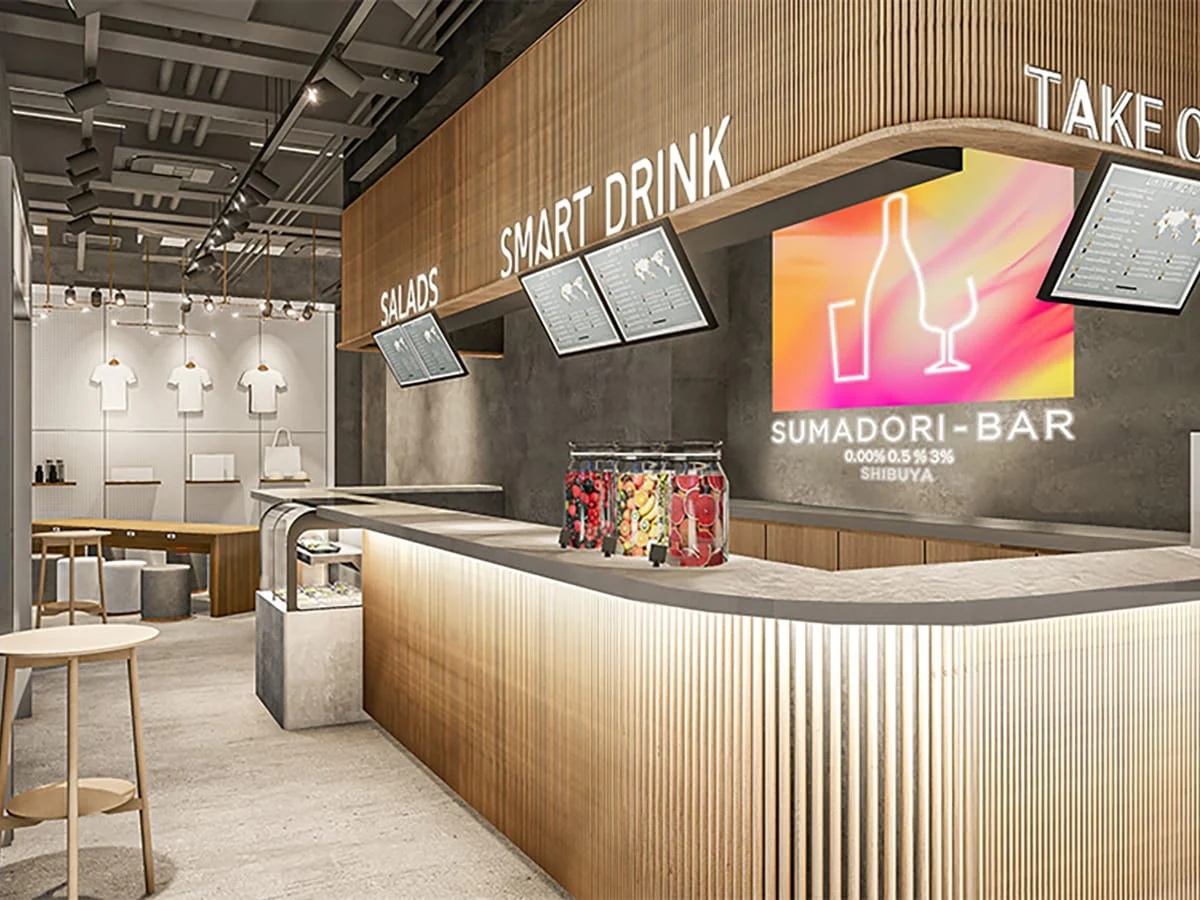
Shibuya is globally renowned as the pulsing heart of Tokyo’s nightlife. Its neon-drenched streets, labyrinthine alleyways, and subterranean bars serve as a beacon for those seeking the quintessential Japanese izakaya experience. For decades, the cultural script of the Tokyo evening has been predictable: gather with friends, order a round of beer or highballs, and drink until the final train departs.
However, the tide is turning. As global health consciousness rises and societal attitudes toward alcohol consumption shift, a new movement is taking hold in the bustling metropolis. Enter the "Sober-Curious" wave, and at the center of this movement stands a pioneering venture: the SUMADORI-BAR SHIBUYA. Opened in June 2022, this establishment represents a fundamental shift in how Japan thinks about social drinking.
Main Facts: Redefining the Social Landscape
Located in the iconic Shibuya Center-Gai, SUMADORI-BAR SHIBUYA is not merely a bar; it is a laboratory for the future of social interaction. Established as a joint venture between industry giant Asahi Breweries, Ltd. and the innovation-focused Dentsu Digital Inc., the venue was designed to dismantle the binary choice between "drinking" and "not drinking."
The bar’s core philosophy is built upon a menu of over 100 distinct beverages, meticulously categorized by their alcohol content: 0%, 0.5%, and 3.0%. By providing a spectrum of choices, the establishment ensures that every patron—regardless of their physiological tolerance, professional commitments the next morning, or personal health goals—can participate in the communal ritual of raising a glass.
The menu is a testament to sophisticated mixology. Offerings include the innovative "Beery" (0.5% ABV), which mimics the complex flavor profile of traditional beer without the heavy intoxication, alongside "Bispa" (a sparkling low-alcohol refreshment) and "VIVA" (a 3.0% ABV hard seltzer). The bar serves as a sanctuary where the social benefits of the pub atmosphere remain, but the physical repercussions of high-alcohol consumption are stripped away.
Chronology: The Genesis of the Smart Drinking Movement
The inception of SUMADORI-BAR SHIBUYA was not an overnight decision but rather the culmination of years of market observation.
- Early 2020: As global trends shifted toward wellness and mindful consumption, Asahi Breweries began researching the "low- and no-alcohol" (Lo-No) market, identifying a significant gap in the Japanese dining scene.
- Late 2021: The formal partnership between Asahi and Dentsu Digital was solidified, focusing on creating a "Smart Drinking" ecosystem that combines product innovation with experiential hospitality.
- June 2022: The official doors opened at Shibuya Center-Gai. The launch was strategically timed to coincide with a post-pandemic shift in consumer behavior, where younger generations were demonstrating a higher interest in "mindful" consumption.
- Late 2022–2023: The bar gained significant traction on social media, with viral videos showcasing their signature "Marbling Rain" mocktail, cementing its reputation as a "must-visit" destination for both locals and tourists curious about the new wave of Japanese hospitality.
Supporting Data: Why "Smart Drinking" Matters
The rise of SUMADORI-BAR is backed by shifting demographics and market data. In Japan, the government and health organizations have long noted the societal pressures associated with traditional drinking culture.
According to market research trends, the demand for non-alcoholic alternatives has spiked by over 20% in the last three years within the urban centers of Tokyo and Osaka. While traditional alcohol sales remain a pillar of the Japanese economy, the growth rate of the Lo-No category is outpacing standard alcoholic beverages. This is not simply about sobriety; it is about "Smart Drinking"—a term derived from the Japanese sumāto (smart) and dorinku (drink).
The data suggests that consumers are increasingly looking for ways to maintain a "healthy lifestyle" without sacrificing social capital. In a corporate culture where "nomikai" (drinking parties) were once mandatory for career advancement, the ability to choose a 0% drink allows individuals to engage in the networking and bonding essential to Japanese business life without compromising their productivity or health.
Official Responses and Philosophy
The leadership behind the SUMADORI-BAR project emphasizes that the project is not intended to discourage alcohol, but rather to broaden the definition of it. In official statements, the team behind the venture highlights the concept of "mingling."
The philosophy of "Smart Drinking" is an inclusive one. The design of the bar itself, characterized by a vibrant, marbled pattern behind the counter, is a visual metaphor for the blending of different lifestyles. As the company notes, "Smart drinking lets people in various circumstances, no matter why they choose to cut down on alcohol, to mingle and enjoy a good time in good company."
This inclusivity is best exemplified by their signature cocktail, the "Marbling Rain." The drink is a performance piece: a base of homemade craft lemonade and gin is topped with a puff of color-infused cotton candy. As the patron pours Wilkinson soda water over the cotton candy, it dissolves into a "rainshower," creating a swirling, multi-colored marble effect in the glass. It is a drink designed for the social media age, proving that non-alcoholic options need not be boring, nor should they lack the theatricality of traditional cocktails.
Implications: The Future of Japanese Hospitality
The implications of the SUMADORI-BAR model are profound, extending far beyond the Shibuya district.
1. The De-stigmatization of Sobriety
By creating a high-end, aesthetic space that treats non-alcoholic drinks with the same respect as artisanal spirits, the bar effectively removes the social stigma associated with not drinking. In Japan, where "drinking culture" is deeply embedded, this is a revolutionary shift.
2. Economic Diversification
For the beverage industry, the success of this venture signals a shift in revenue streams. Asahi and other major breweries are now investing heavily in R&D for 0% and 0.5% products. This diversification allows companies to hedge against shifting health trends while maintaining their foothold in the social experience sector.
3. Urban Social Design
The model of the "Smart Drinking" bar is likely to be exported to other major Japanese cities such as Kyoto, Osaka, and Fukuoka. As urban centers become more diverse and health-conscious, the demand for "third spaces"—locations that are neither home nor the office, and where alcohol is not the primary driver—will continue to climb.
4. Cultural Preservation
Interestingly, the movement does not seek to destroy the izakaya culture but to evolve it. By offering low-alcohol alternatives, traditional pubs can retain customers who might otherwise stay home. It is an evolution of the Japanese hospitality concept of omotenashi (wholehearted hospitality)—anticipating the needs of the guest before they even realize they want a non-alcoholic option.
Conclusion: A New Standard for the Night Out
As the sun sets over the famous Shibuya Crossing, the lights of SUMADORI-BAR SHIBUYA serve as a beacon for a new generation of nightlife enthusiasts. The establishment proves that the joy of a night out does not have to be tethered to the volume of alcohol consumed.
Whether one is a teetotaler, a designated driver, an athlete in training, or simply someone looking to pace themselves, the bar offers a seat at the table for everyone. By bridging the gap between indulgence and health, the SUMADORI-BAR is not just serving drinks; it is serving a new social contract. It is a reminder that in a rapidly changing world, the smartest drink is the one that allows you to enjoy the company, the atmosphere, and the morning after with equal enthusiasm.
As Tokyo continues to innovate, the "Smart Drinking" movement stands as a testament to the city’s ability to balance its deep-rooted traditions with the demands of a modern, health-conscious global society. The bar is open, the drinks are poured, and for the first time in Shibuya’s long history, the night belongs to everyone.


 Neng Nana
 Asro
Asro