Nila Kartika Wati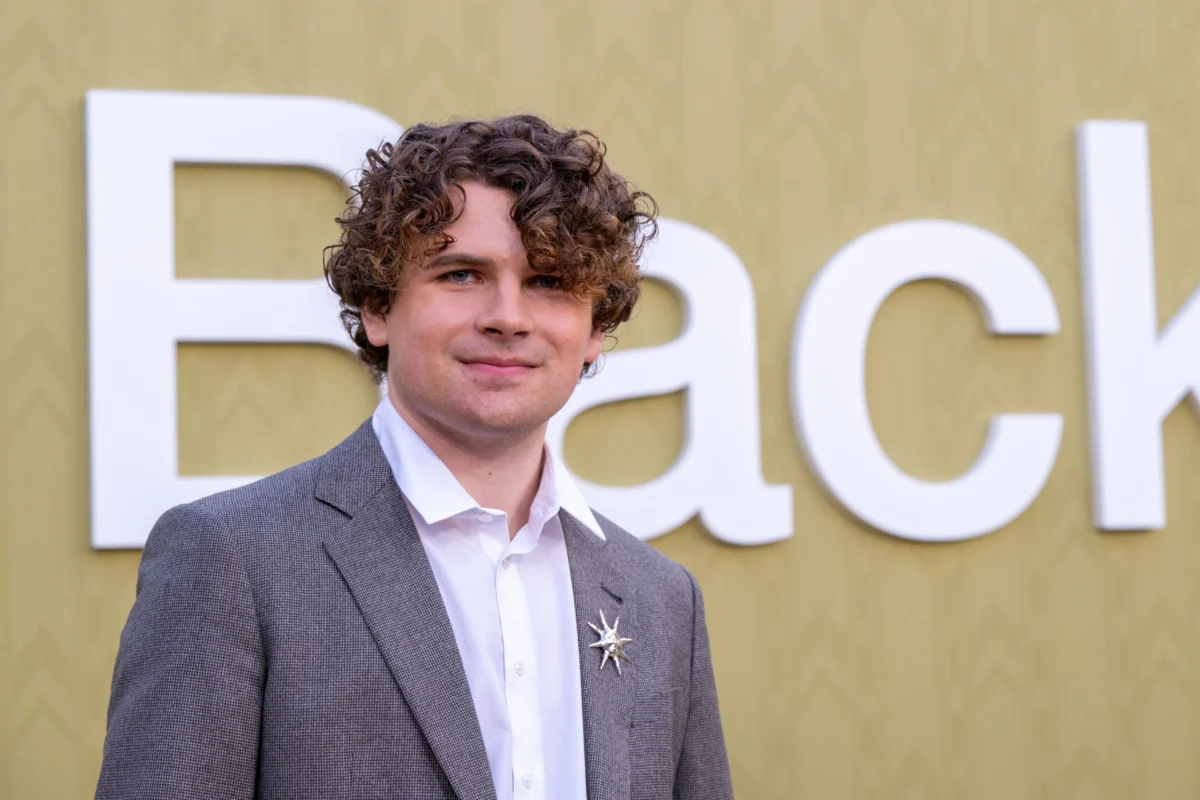
For over a decade, A24 has functioned as the gold standard of modern independent cinema. By championing auteur-driven projects—ranging from the intimate, grief-stricken narratives of Barry Jenkins to the surreal, genre-bending visions of Ari Aster and the cerebral science fiction of Alex Garland—the studio cultivated a cult-like following. Their branding became synonymous with artistic integrity, high-quality physical media, and a deep, aesthetic respect for the craft of filmmaking.
However, in the span of just two years, that meticulously constructed aura of "cool" has begun to fray. The culprit? An increasing proximity to the very technology that much of their core audience views as an existential threat: Artificial Intelligence.
The Catalyst: A History of Missteps
The friction began in early 2024 with the marketing campaign for Alex Garland’s Civil War. Despite the film being a poignant, cautionary tale about the vital importance of photojournalism in a fractured society, A24 opted to promote it using AI-generated posters. The decision was met with immediate, widespread derision.
Observers were quick to point out the irony: a high-budget film centered on the integrity of the photographic image was being sold using soulless, machine-synthesized graphics. It felt like a betrayal of the very medium the film sought to explore. While some dismissed it as a minor marketing blunder, it served as a harbinger of a deeper, systemic misalignment between the studio’s corporate maneuvers and its fan base’s values.
A Strategic Pivot or a Corporate Sellout?
On Monday, that friction ignited into a full-blown PR crisis. A24 and Google DeepMind announced a $75 million research partnership. The goal, according to the official press release, is to explore the development of AI workflows for the film industry.

While the studio has been quick to frame this as a "research-only" initiative—strictly focused on building tools rather than replacing creative labor or training models on A24’s intellectual property—the optics have been disastrous. For a brand that thrives on "cultural cachet"—where fans are willing to pay $40 for a single branded candle—this partnership feels like a violation of the unspoken social contract between the studio and its devotees.
The backlash was immediate and vitriolic. Across social media and comment sections on industry news sites, the sentiment was clear: A24 is no longer the "chosen one" of indie film. Users described the move as "selling their soul," with many suggesting that they are now just another "tech-bro-adjacent" production company masquerading as a bastion of art.
The Chronology of Animosity
To understand the depth of this divide, one must look at the timeline of the industry’s broader struggle with AI. The 2023 WGA and SAG-AFTRA strikes were largely defined by a fierce, unified resistance against the encroachment of generative AI. During those months, the creative community stood in solidarity to protect human jobs and artistic ownership.
A24, which often positions itself as the antithesis of the "Big Hollywood" studio model, was expected by many to remain a fortress of human-centric creativity. Instead, the studio has found itself entangled in a series of controversies:
- 2024: The Civil War AI poster incident sets a negative tone for the studio’s relationship with emerging tech.
- 2026 (June): The Google DeepMind partnership is announced, sparking an immediate and intense backlash from fans and creators alike.
- 2026 (June): Just days after the announcement, the discourse is further complicated by the news that Amazon MGM has dropped the rights to Artificial, a Luca Guadagnino film detailing the rise of OpenAI’s Sam Altman. A24’s choice to pass on distributing such a project—while simultaneously partnering with Google—has only fueled accusations of hypocrisy.
The Voices of Dissent
Prominent figures within the industry have not stayed silent. Filmmaker Justine Bateman, a leading voice in the anti-AI movement during the 2023 strikes, took to social media to call out the hypocrisy of the move. She specifically noted the irony of a company that recently enjoyed the massive success of Backrooms—directed by Kane Parsons, a vocal critic of AI—now aligning itself with the very tech giants that threaten to automate the industry.

"All A24 directors should prepare to have your films altered against your wishes with this deal," Bateman warned on X (formerly Twitter). While her claim is speculative, it highlights a profound, visceral fear: that the "black box" of AI research will inevitably lead to the commodification and degradation of the very auteur-driven work that put A24 on the map.
The sentiment on the ground is even harsher. Comments on recent A24 trailers—such as those for the Jesse Eisenberg film The Debut—are being flooded with anti-AI vitriol. The films themselves are being "punished" for their studio affiliation, with viewers declaring they will boycott the company entirely.
The Official Defense: A Seat at the Table
A24’s defense, articulated in a statement provided to Wired, emphasizes a pragmatic, forward-thinking approach. They argue that they are not seeking to replace artists, but to ensure that the tools of the future are built with the input of creators.
"We’d rather have a seat at the table than on the sidelines," the statement read. The studio maintains that by working directly with Google, they can steer the development of AI in a way that serves, rather than replaces, human filmmakers.
However, this argument falls flat with a segment of the audience that views AI as fundamentally "creative rot." For these critics, the presence of AI in any stage of the creative process is a moral failure. They argue that by normalizing these tools, A24 is providing legitimacy to a technology whose core training methods rely on the unauthorized ingestion of human labor and intellectual property.

The Implications: Is the "A24 Brand" Broken?
Can A24 survive this? Historically, the company has shown a remarkable ability to weather controversy. They are currently riding high on the box office success of Backrooms, and their future slate remains the envy of the industry, boasting titles like the Robert Pattinson-led Primetime and an Elden Ring adaptation from Alex Garland.
Yet, the danger is not a lack of quality films; it is the erosion of brand loyalty. A24’s business model is predicated on being "cool." It is a lifestyle brand as much as a studio. When a company built on the perception of being the "realest" in the business starts to mirror the strategic pivots of massive tech conglomerates, the shine inevitably wears off.
Consider the case of MUBI, which suffered a significant loss of subscribers following controversies over its own investment and acquisition strategies. While A24 has a much deeper well of goodwill to draw from, they are currently in the process of burning that capital.
The studio will likely continue to attract top-tier talent, but the "cultural cachet" they once enjoyed is becoming increasingly tenuous. If A24 continues to prioritize "seating at the table" with tech giants over the trust of its audience, they risk becoming just another legacy media company—one that produces great movies, but no longer defines the zeitgeist.
Ultimately, the lesson here is one that the film industry has been slow to learn: in the age of AI, artistic integrity is not just a creative choice—it is a business asset. By alienating the very people who built their brand, A24 is proving that even the most "indie" of entities is not immune to the gravitational pull of Silicon Valley’s ambitions. Whether that move pays off or marks the beginning of their decline remains to be seen, but one thing is certain: for many fans, the magic has already begun to flicker.

 Layla Zulfa
 Sagoh
Sagoh