Evan Lee Salim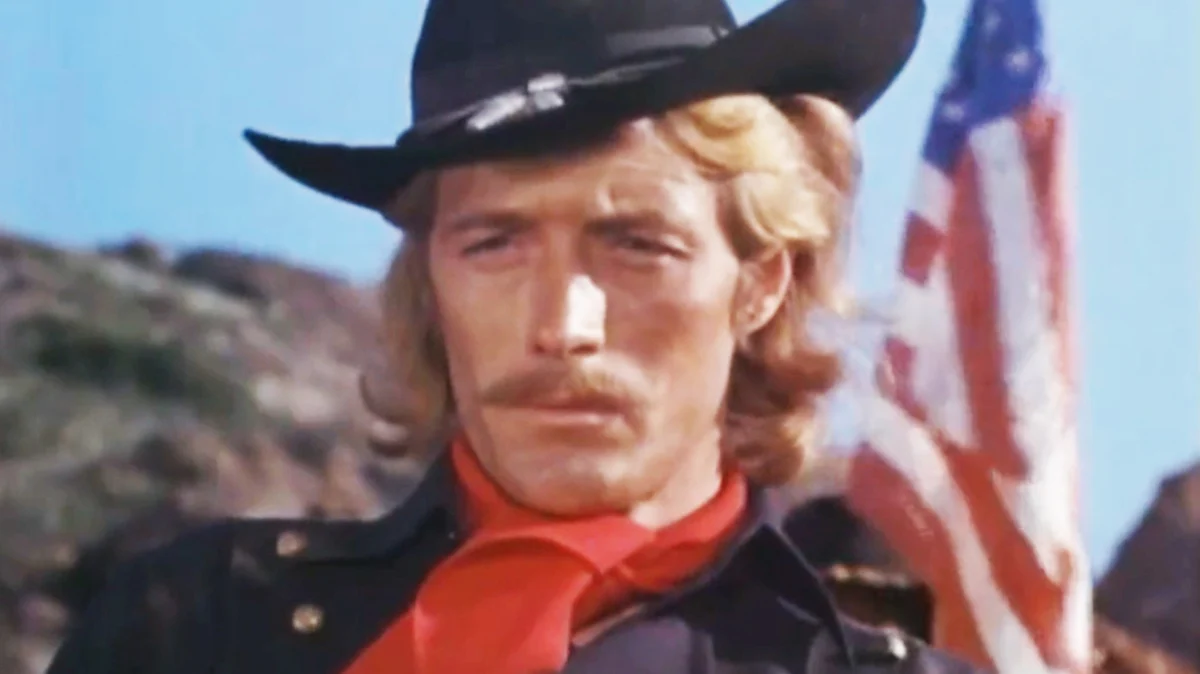
In the late 1960s, the American television landscape was dominated by the rugged individualism of the Western. From the sprawling family drama of Bonanza to the gritty law-and-order morality plays of Gunsmoke, the genre was the undisputed king of prime-time ratings. However, in the fall of 1967, ABC attempted to capitalize on this genre fatigue with a project that would become one of the most controversial misfires in broadcasting history: Custer.
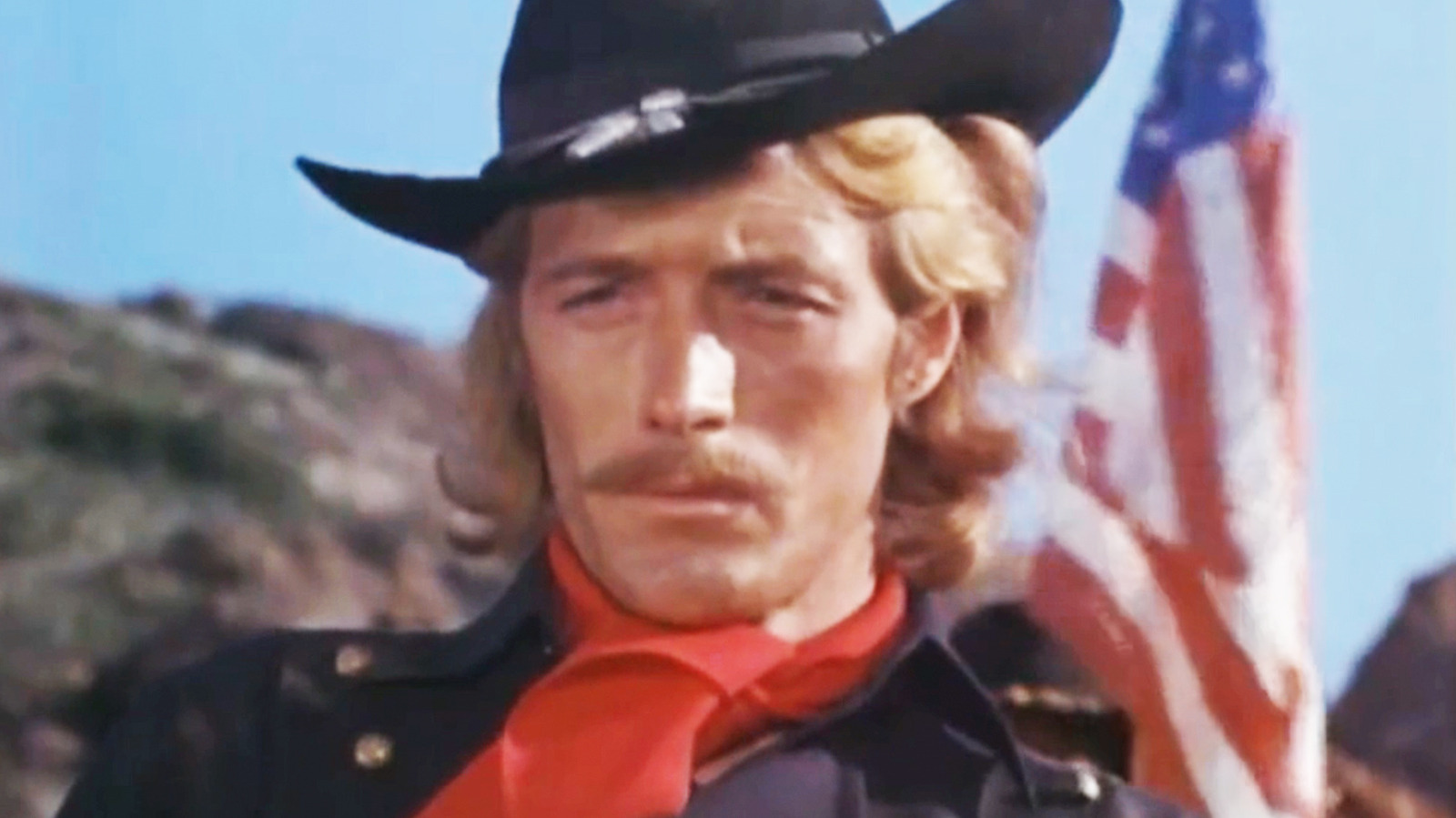
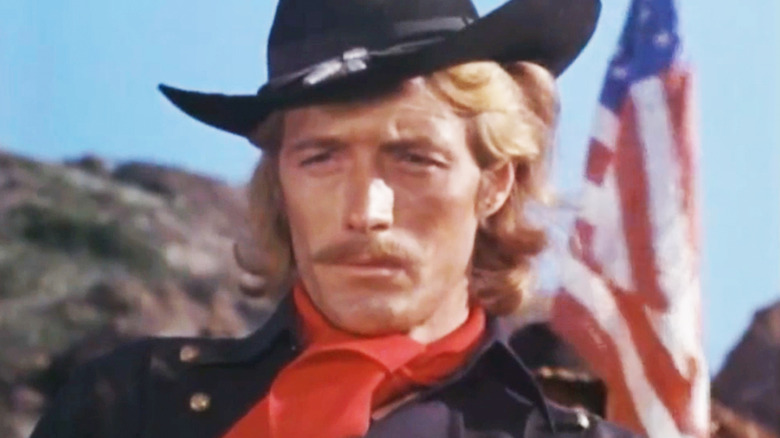
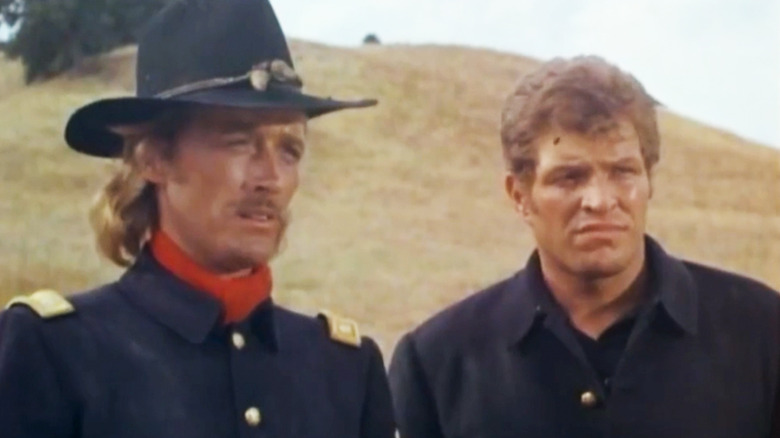
The series, which starred Wayne Maunder as the eponymous Lieutenant Colonel George Armstrong Custer, sought to romanticize the life of the controversial cavalry officer during his post-Civil War years. Yet, before a single frame of the series reached the public, the production found itself at the epicenter of a burgeoning civil rights movement. The attempt to transform a historical figure regarded by many as a symbol of genocide into a television hero triggered a fierce, organized, and ultimately successful resistance.
The Myth of the Hero: Contextualizing the Series
To understand why Custer became a lightning rod for controversy, one must look at the historical climate of 1967. The Vietnam War was raging, the Civil Rights Movement was gaining momentum, and a new generation of activists was beginning to challenge the established, Eurocentric narratives of American history.
George Armstrong Custer, once celebrated as the "Boy General" of the Civil War, had seen his reputation undergo a radical transformation. By the mid-20th century, historical analysis—most notably found in Brian W. Dippie’s Custer’s Last Stand: The Anatomy of an American Myth—began to peel back the layers of propaganda that had defined his legacy. The showrunners of the 1967 series, however, appeared to be clinging to an antiquated, hagiographic view of the officer.
The opening sequence of the show famously framed the general as a man of "excess of zeal," suggesting that his aggressive tactics against Indigenous populations were merely the "minor blemishes" of a misunderstood hero. This narrative choice was not merely an artistic direction; it was a fundamental misreading of the cultural temperature of the late 1960s.
A Chronology of Conflict: From Production to Cancellation
The timeline of the series is a study in rapid escalation and swift decline. The friction began months before the September premiere, as word of the project leaked to various Indigenous rights organizations.
The Pre-Airing Backlash
The Tribal Indians Land Rights Association led the initial charge. They were not merely disgruntled; they were organized. Producer Frank Glicksman would later recount the surreal experience of receiving angry phone calls at his private residence and discovering protest literature stuffed under his office door. The message was clear: the glorification of a man who played a central role in the subjugation of the Great Plains tribes was unacceptable.
The Premiere and the "Equal Time" Strategy
When the show finally aired in September 1967, it was met with immediate, sophisticated tactical opposition. Yakima tribal lawyer James Hovis pioneered a legal strategy that crippled the show’s momentum. Recognizing that the national network was not directly beholden to certain Federal Communications Commission (FCC) content regulations regarding fairness, Hovis encouraged individual tribes to file for "equal time" against ABC’s local affiliates.
The argument was simple: if a network was going to broadcast a show that presented a one-sided, glorified account of historical events involving the destruction of Indigenous nations, the stations airing that content were obligated to provide a platform for the opposing perspective. Several tribes successfully leveraged this strategy, forcing local stations to dedicate airtime to Indigenous voices to counter the narrative of the Custer episodes.
The Final Retreat
Despite the intensity of the protests, the series was ultimately doomed by the cold, hard logic of the Nielsen ratings. While the public outcry certainly created a hostile environment for advertisers and station managers, the show failed to capture the imagination of the general viewing public. After a grueling run of just 17 episodes, ABC pulled the plug in December 1967.
Data and Disparity: The View from the Activists
The opposition to Custer was not a disorganized outburst; it was the birth of modern Indigenous media advocacy. As documented in Vine Deloria, Jr.’s seminal work, Custer Died for Your Sins: An Indian Manifesto, the campaign against the show served as a catalyst for a broader movement.
The National Congress of American Indians (NCAI) played a pivotal role in shifting the discourse. By labeling Custer the "Adolph Eichmann of the 19th Century," they forced a public reckoning with the reality of the Frontier Wars. This comparison was jarring to the average 1967 viewer, who had been raised on films like They Died with Their Boots On, which depicted Custer as a tragic martyr.
Supporting data from the period suggests that the show faced a three-pronged attack:
- Organized Legal Pressure: The "equal time" filings created administrative headaches for affiliates, making the show a financial and logistical liability.
- Reputational Risk: Advertisers, sensitive to the mounting pressure from various civil rights groups, began to distance themselves from the program to avoid being associated with the controversy.
- Audience Indifference: Even without the protests, the show struggled to compete with established Westerns that offered more compelling character development or action sequences.
Official Responses and Network Maneuvering
The network’s response to the criticism was characterized by a mix of defensiveness and intellectual distancing. ABC executives and producers frequently argued that Custer was merely a "fictionalized series based on a legend." They claimed that the show was never intended to be a historical documentary, and they expressed confusion over the "antagonistic" nature of the protests, insisting they were portraying Indigenous people with "dignity and respect."
This defense, however, fell on deaf ears. The fundamental issue was not the individual portrayal of any specific Indigenous character, but the overarching structural decision to center a series on a man who had become a symbol of colonial violence. The network’s inability to grasp this distinction illustrates the vast disconnect between the Hollywood establishment of the 1960s and the realities of the groups they were attempting to depict.
The Long-Term Implications of the Custer Controversy
The cancellation of Custer serves as a landmark moment in the history of American television. It marked one of the first times that organized, collective action from Indigenous groups had a direct, measurable impact on the programming decisions of a major network.
Changing the Lens
The failure of Custer signaled the end of the "unquestioned hero" era for Westerns. Following the show’s demise, creators became more cautious about how they approached the history of the American West. The protest effectively moved the needle, leading to more nuanced, albeit still imperfect, representations of Indigenous history in the decades that followed.
The Power of Advocacy
The tactics employed by James Hovis and the NCAI—utilizing local affiliate pressure and public advocacy—provided a blueprint for future social justice campaigns in media. The episode proved that even the most powerful media conglomerates could be forced to answer for their editorial choices when confronted with organized, articulate opposition.
A Historical Footnote
Today, Custer exists primarily as a historical footnote, a failed experiment in television history. For those interested in the evolution of cultural representation, the show is available for streaming on platforms like Tubi, serving as a time capsule of a moment when the myth of the American frontier began to crumble under the weight of its own historical baggage.
In the final analysis, Custer did not die for its sins—it died because the American audience, influenced by a changing social landscape, was no longer willing to accept the sanitized, heroic version of a man whose legacy remains inextricably tied to the suffering of others. The series remains a testament to the fact that entertainment is never truly neutral, and that the stories we choose to tell—and who we choose to elevate as heroes—are always subject to the scrutiny of history.


 Layla Zulfa
 Sagoh
Sagoh