Layla Zulfa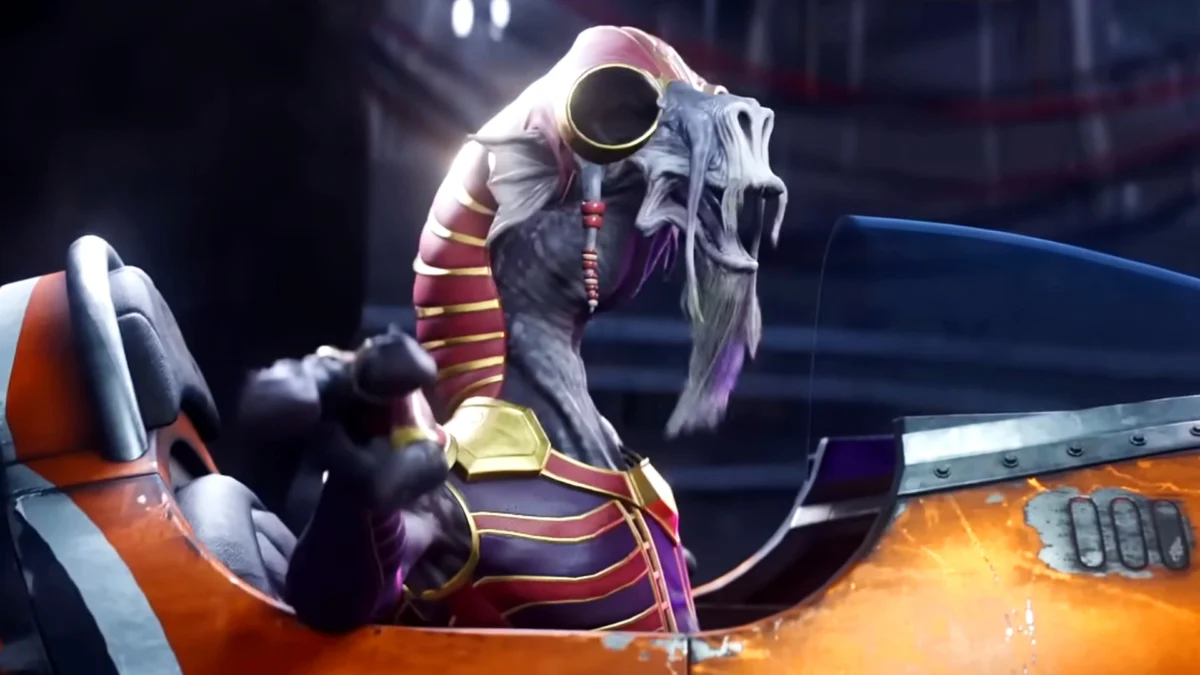
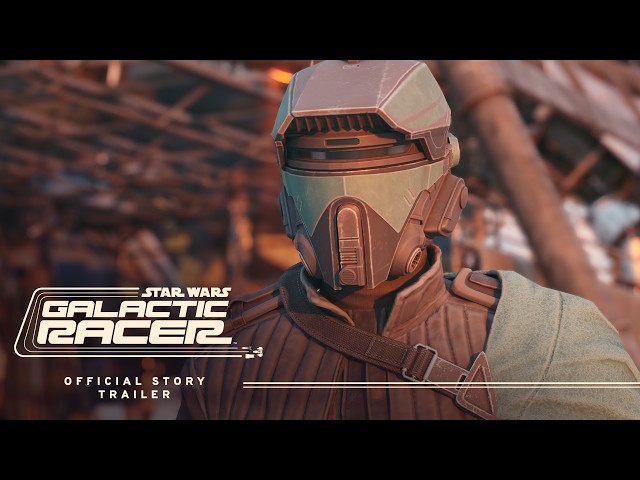
The racing genre has seen its fair share of peaks and valleys, but few sub-genres hold the same nostalgic gravity as the high-speed, death-defying thrills of Star Wars podracing. For over two decades, fans have clamored for a worthy successor to the crown jewels of the category: Star Wars: Episode I – Racer and its sequel, Racer Revenge. This October, that wait finally concludes. Star Wars: Galactic Racer, the upcoming title from the newly minted powerhouse Fuse Games, is positioning itself not merely as a reboot, but as a love letter to the visceral, aggressive spirit of arcade racing.
With a development team composed of industry veterans who defined the Burnout series and the most acclaimed entries in the Need for Speed franchise, Galactic Racer promises to marry the cinematic scale of a galaxy far, far away with the "elbows-out" combat mechanics that made Criterion Games a household name.
The Foundation: A Dream Team for the Digital Track
To understand why Star Wars: Galactic Racer is generating such fervent anticipation, one must look at the pedigree of its developers. Fuse Games is not a collection of newcomers; it is a studio built upon the DNA of the most influential racing game creators of the last twenty years.
Creative Director Kieran Crimmins, who sat down with us at Summer Game Fest 2026, speaks about the studio’s philosophy with the confidence of a veteran who has spent his career chasing the perfect drift. "It’s part of the DNA of the studio," Crimmins explains. "We live and breathe arcade racers. That kind of ‘smash people into the wall, have these incredible cinematic moments’—that’s who we are."
This heritage is immediately apparent in the gameplay footage released thus far. The impacts are weighty, the sense of speed is dizzying, and the environmental destruction feels like a natural extension of the chaos inherent in a Tatooine circuit. By channeling the lessons learned from Burnout: Hot Pursuit and Most Wanted, Fuse Games is attempting to solve the biggest hurdle in modern racing design: how to make the act of racing feel like an action movie without sacrificing mechanical depth.

The Vehicle Ecosystem: Balancing the Galaxy
One of the most ambitious aspects of Galactic Racer is its diverse fleet of vehicles. Rather than limiting players to a single class, the game features four distinct categories, each designed to offer a unique tactile experience.
- Landspeeders: The reliable workhorses of the game. They are built for stability and excel in heavy-drift scenarios, making them ideal for players who prefer to navigate corners with controlled, high-friction maneuvers.
- Speeder Bikes: The tactical choice. These nimble craft utilize a "kinetic burst" ability, allowing players to bypass traditional track layouts and traverse awkward, uneven terrain that would cripple larger vehicles.
- Skim Speeders: The precision machines. These offer the highest level of maneuverability, allowing for surgical lane changes during high-speed traffic.
- Podracers: The apex predators. As Crimmins notes, pods operate in a league of their own. They are the F1 cars of the Star Wars universe—volatile, incredibly fast, and inherently dangerous.
"Balancing pods against skimmers is so hard," Crimmins laughs, acknowledging the inherent difficulty in creating a fair race between a hover-car and a twin-engine behemoth tethered by plasma cables. However, the team has leaned into this disparity. By creating distinct categories, the game ensures that each vehicle serves a purpose within the broader scope of the campaign and multiplayer modes, rather than forcing a one-size-fits-all physics model.
The "Now This is Podracing" Mandate
The inclusion of podracing was never a question of "if," but a question of "how." For the developers at Fuse, the podracing sequences from The Phantom Menace represent the absolute pinnacle of high-stakes competition.
"You cannot have a Star Wars racing game without podracing," Crimmins emphasizes. "It has to embody the fantasy displayed in the movies. It is the pinnacle of racing in the Star Wars galaxy."
The studio’s commitment to this fantasy goes beyond simple visual replication. They have spent countless hours analyzing the original Episode I: Racer games, not just as players, but as researchers. By breaking down the aggressive, "no-holds-barred" contact that defined the cinematic podracing scenes, Fuse has integrated a level of combat-racing that feels both nostalgic and modern. The goal is to make the player feel like they are piloting a volatile engine on the brink of explosion, a sensation that the original Burnout games mastered so effectively.

Rivalry and Narrative: Beyond the Finish Line
A racing game without a personality is merely a time trial. Fuse Games understands that the thrill of victory is hollow unless you know exactly who you are beating. To that end, Galactic Racer is implementing a robust rivalry system.
While iconic antagonists like Sebulba will return to haunt the leaderboards, the game features a "rich cast of new characters," each with distinct personalities, racing styles, and motivations. In the campaign, these rivals act as narrative anchors, pushing the player to master specific tracks and vehicle classes.
"If those people don’t have personalities and you don’t know who they are, I think the satisfaction of beating them is lost," says Crimmins. By giving the AI personalities that react to the player’s driving style—be it aggressive, defensive, or chaotic—Fuse hopes to create emergent stories that extend well beyond the track. In multiplayer, players will be able to embody these characters, bringing their unique quirks and visual identities to the global stage.
Implications for the Future of Arcade Racing
As the October 6 release date approaches, the industry is watching Galactic Racer closely. If the game succeeds, it will likely trigger a revival of the "arcade-action" racing genre, which has been largely overshadowed by the rise of hyper-realistic simulators like iRacing or Gran Turismo.
The success of Galactic Racer will hinge on its ability to maintain its "complete at launch" promise. When asked about post-launch support, Crimmins remained guarded but optimistic. "We’ve thought of many places we can be, but we’re focused on making the game," he noted. The studio is prioritizing a polished, bug-free experience over a bloated roadmap of live-service updates, a refreshing stance in an industry currently obsessed with endless content drip-feeds.
However, the team is listening. The post-launch strategy will be reactive, shaped by how the community interacts with the vehicle classes and the competitive meta. "Watch this space," Crimmins promises.
Conclusion: The Starting Grid
Star Wars: Galactic Racer represents a rare alignment of talent and property. It is a game made by people who love the source material, developed by a studio that literally invented the modern mechanics of high-speed collision, and aimed at a fan base that has been starving for a high-quality, arcade-centric Star Wars experience.
With a release date set for Tuesday, October 6, 2026, the hype cycle is already in full swing. For those who grew up watching Sebulba and Anakin fight for supremacy on the sands of Malastare, the return to the track feels like a homecoming. As the development team puts the final polish on the physics engines and the character models, players everywhere are beginning to prepare. The engines are warming up, the rivals are waiting, and the finish line is in sight.
If you are ready to take your place on the starting grid, you can wishlist Star Wars: Galactic Racer on Steam today. The galaxy’s greatest race is about to begin, and it promises to be nothing short of legendary.


 Muslim
 Asep Darmawan