

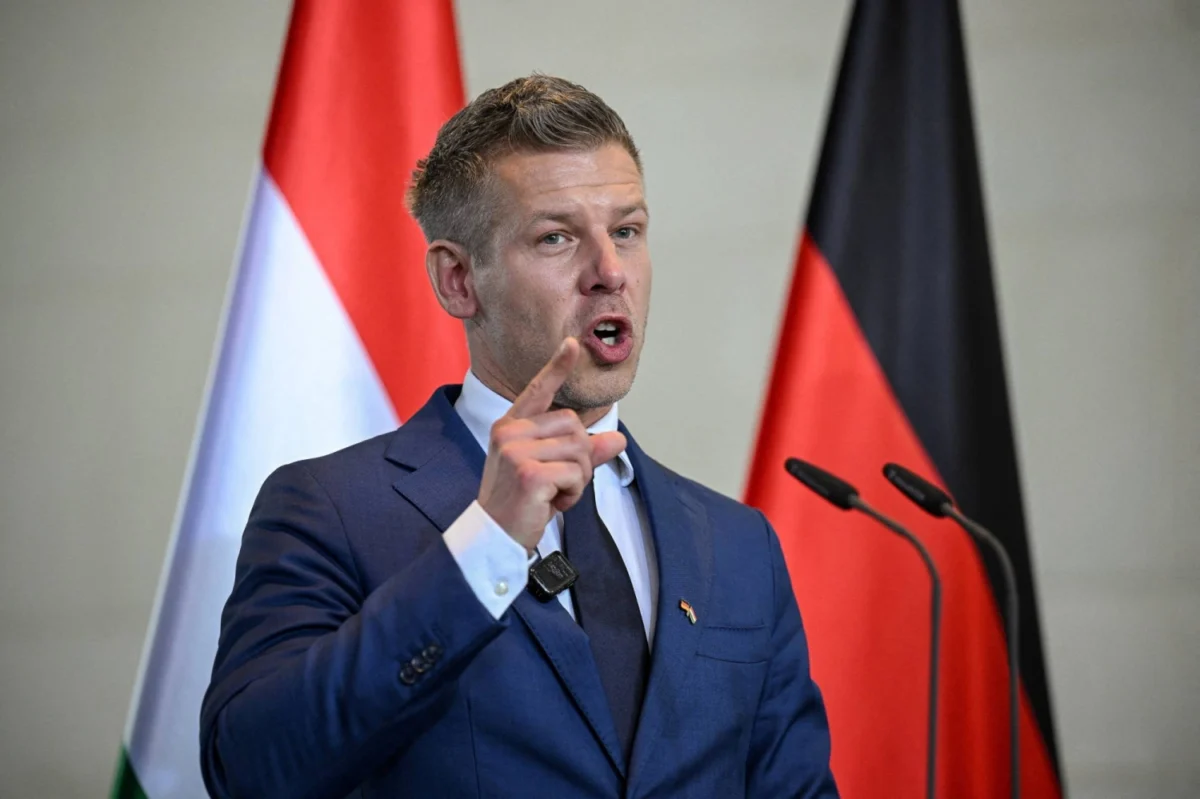
BUDAPEST — In a move that marks the definitive conclusion of one of the most contentious chapters in modern European political history, the Hungarian parliament is poised to vote on a sweeping constitutional amendment this week. The measure, designed to oust the remaining institutional vestiges of Viktor Orbán’s 16-year administration, signals a radical pivot for the nation. For Prime Minister Peter Magyar and his Tisza party, the vote is not merely a procedural change—it is a foundational act in his pledge to restore the rule of law and reintegrate Hungary into the democratic fold of the European Union.
Main Facts: A Total Shift in Power
The constitutional amendment, which requires a two-thirds majority to pass, is widely considered a formality. Since the landslide electoral victory in April, the Tisza party has commanded a robust mandate, effectively ending the Fidesz-led hegemony that defined Hungarian politics since 2010.
The primary objective of the upcoming vote is to remove the current president, a long-term ally of former Prime Minister Viktor Orbán. Magyar’s administration has characterized the move as a "necessary pruning of the institutional landscape," arguing that the current presidential office has been structurally compromised to serve party interests rather than the Hungarian state. By clearing these positions, Magyar intends to appoint a successor who will act as a non-partisan arbiter, restoring the checks and balances that were systematically eroded during the previous decade and a half.
Chronology: The Road to the "Clean Break"
To understand the gravity of the current political shift, one must trace the timeline of Hungary’s recent volatility:
- 2010–2025: The Orban Era: Viktor Orbán’s tenure was characterized by the centralization of power, the stifling of independent judiciary processes, and a contentious relationship with Brussels. His "illiberal democracy" model drew international condemnation for its impact on civil society and media freedom.
- Early 2026: The Rise of Tisza: Amid growing public frustration over systemic corruption and stagnant economic growth, Peter Magyar emerged as the face of the opposition. His rhetoric—focused on transparency, European alignment, and legal reform—resonated deeply with a disillusioned electorate.
- April 2026: The Landslide: The general election served as a referendum on the Orban years. The Tisza party achieved a historic victory, securing a two-thirds majority in parliament. This mandate provided the legislative muscle required to pursue constitutional change.
- June 2, 2026: Berlin Conference: Prime Minister Magyar signaled his intentions during a high-profile press conference in Berlin. He emphasized that Hungary’s path forward necessitated a "clean break" from the past, specifically highlighting the need to purge the government of holdover loyalists who might obstruct democratic reforms.
- July 2026 (Current): The Constitutional Vote: Parliament convenes to finalize the removal of the current presidency, setting the stage for a new administrative hierarchy.
Supporting Data: The Cost of Corruption
The impetus for this radical change is rooted in years of economic and institutional data. Under the previous administration, Hungary faced a series of sanctions and withheld funds from the European Commission due to persistent concerns regarding the rule of law.
According to transparency reports from 2024, Hungary ranked among the lowest in the European Union regarding judicial independence and public procurement fairness. The "Orban-allied" network of crony capitalism reportedly saw billions in EU development funds diverted toward enterprises owned by figures closely associated with the Fidesz party.
The current government’s fiscal analysis suggests that the administrative overhead of maintaining these loyalist structures has cost the taxpayer significantly. Furthermore, the brain drain—the migration of thousands of young, educated Hungarians to Western Europe—was consistently cited as a direct consequence of the lack of opportunities and the stifling political climate. Magyar’s government now faces the Herculean task of reversing these demographic and economic trends while navigating a volatile geopolitical landscape.
Official Responses: A Divided Political Landscape
The move to remove the president has been met with both acclaim and sharp criticism.
"This is not a political purge; it is a structural necessity," said a spokesperson for the Tisza party. "We cannot build a house on a foundation of sand. To restore faith in our democratic institutions, we must ensure that the individuals holding office are committed to the Constitution, not to a private political network."

Conversely, the remnants of the Fidesz parliamentary bloc have decried the move as an "authoritarian overreach." In a statement issued from the opposition benches, former officials claimed that Magyar is using the same tools of power concentration that he spent years criticizing. "By removing the president under the guise of reform, they are simply replacing one set of gatekeepers with another," the statement read.
International observers remain cautiously optimistic. Officials in Brussels have hinted that if the constitutional amendment is followed by transparent and meritocratic appointments, it could lead to the unfreezing of critical EU recovery funds, which would provide a much-needed stimulus to the Hungarian economy.
Implications: The Path Ahead
The implications of this week’s vote extend far beyond the borders of Budapest. For the European Union, a democratic and stable Hungary is essential for the cohesion of the bloc, particularly in the face of ongoing regional security concerns.
1. Restoration of the Rule of Law
Magyar’s primary challenge is to re-establish the independence of the judiciary. This involves repealing laws that allowed the government to influence judicial appointments and reversing the centralization of the prosecution service.
2. Media Freedom and Civil Society
The "illiberal state" model relied on the consolidation of media outlets into a state-friendly conglomerate. Dismantling this ecosystem will be difficult but is widely viewed as a prerequisite for a healthy democratic discourse. Magyar has pledged to introduce legislation to protect independent media and ensure that NGOs can operate without state harassment.
3. Economic Reintegration
Hungary’s economic future depends heavily on its ability to regain the trust of international investors and European institutions. The removal of political barriers to the rule of law is expected to lower the cost of borrowing for the state and encourage a return of foreign direct investment.
4. Geopolitical Positioning
The change in administration signals a pivot away from the "East-leaning" foreign policy adopted by Orbán. While Hungary is expected to maintain its sovereign interests, the Magyar administration has signaled a desire to align more closely with core EU and NATO priorities, particularly regarding regional security in Eastern Europe.
Conclusion: A Turning Point
As the parliamentary session approaches, the atmosphere in Budapest is one of cautious anticipation. The citizens who voted for change in April are now looking for tangible results. The ousting of the president is merely the first step; the true test will be whether Peter Magyar can transition from a revolutionary figure to a steady administrator capable of healing the deep-seated divisions left behind by 16 years of nationalist rule.
The democratic experiment in Hungary is far from over, but the current momentum suggests that the country is turning a page. The world is watching to see if this "clean break" will result in a vibrant, restored democracy or if the cycle of political consolidation will simply take on a new, albeit different, form. For now, the mandate is clear: the people of Hungary have demanded a change, and the machinery of state is finally beginning to respond.











