Pevita Pearce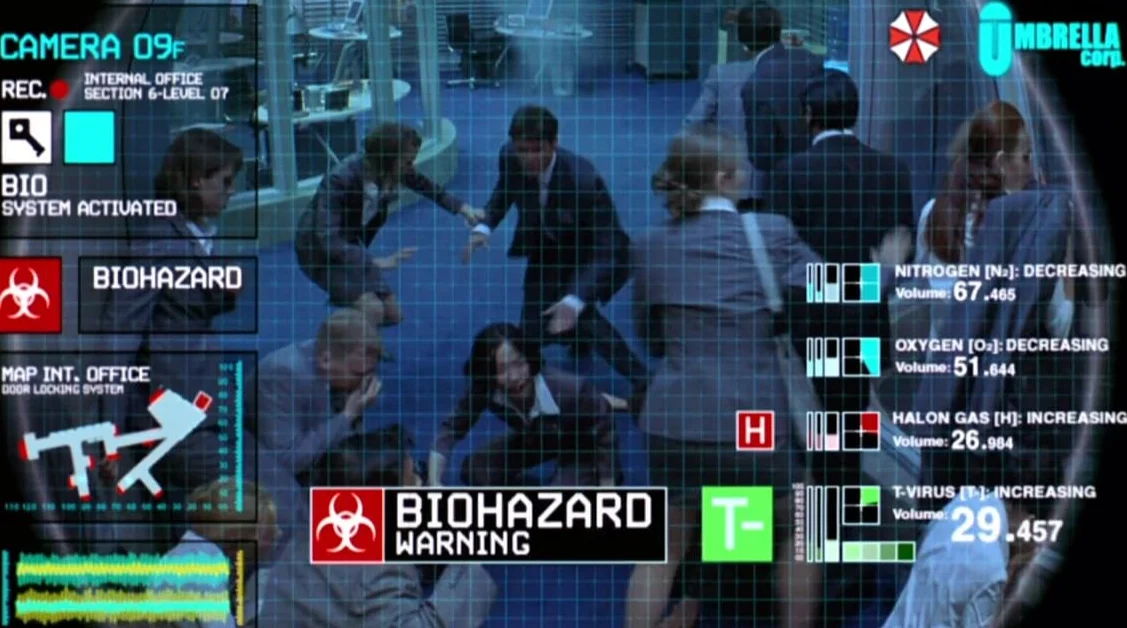
By Alfredo Federico Robelo | June 26, 2026
In the gilded halls of Hollywood and the interactive landscapes of modern video games, the "fictional corporation" is a time-honored trope. Whether serving as a mustache-twirling antagonist or a backdrop for workplace comedy, these entities are defined by their resilience. They survive explosions, hostile takeovers, and, in some cases, the literal end of the world.
However, when viewed through the lens of modern regulatory compliance, international trade law, and basic actuarial science, the facade crumbles. In the real world, the litany of catastrophes associated with these businesses would trigger a cascade of lawsuits, federal investigations, and total insolvency. Here is an analysis of why these 15 legendary fictional companies would be shuttered within their first fiscal year.
The Economics of Chaos: A Regulatory Perspective
The primary reason these entities function in fiction is the "Narrative Shield"—a plot-based protection that prevents the intervention of agencies like the SEC, the FDA, or the Department of Labor. In reality, a company like InGen or Umbrella Corporation would be under permanent federal receivership after a single incident.

Chronology of Corporate Negligence
- The Pre-Launch Phase: Companies like Aperture Science and Cyberdyne Systems rely on R&D without oversight. In the real world, the lack of Institutional Review Board (IRB) approval for human testing would lead to immediate criminal prosecution of the board of directors.
- The Incident Phase: Whether it is a runaway dinosaur or a viral leak, the moment an external party is harmed, the legal liability enters the "catastrophic" tier.
- The Dissolution Phase: Following the incident, insurance underwriters would void all policies, and stock prices would plummet to zero, rendering the company unable to pay its basic operating expenses, let alone its legal fees.
Deep Dive: The 15 Failed Ventures
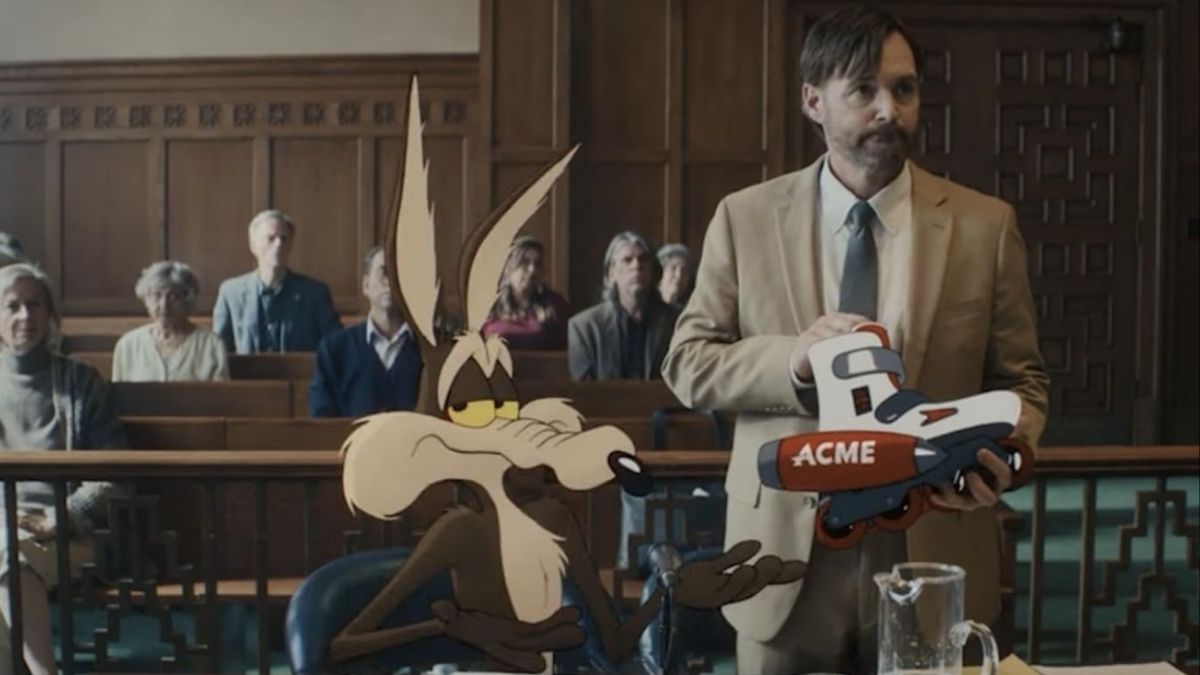
1. Acme Corporation (Looney Tunes)
Acme’s business model is predicated on products that are statistically guaranteed to fail. From a product liability standpoint, the company would be the most sued entity in human history. Under the Consumer Product Safety Act, Acme would be subject to immediate, permanent recalls on 100% of its inventory.
2. Dunder Mifflin (The Office)
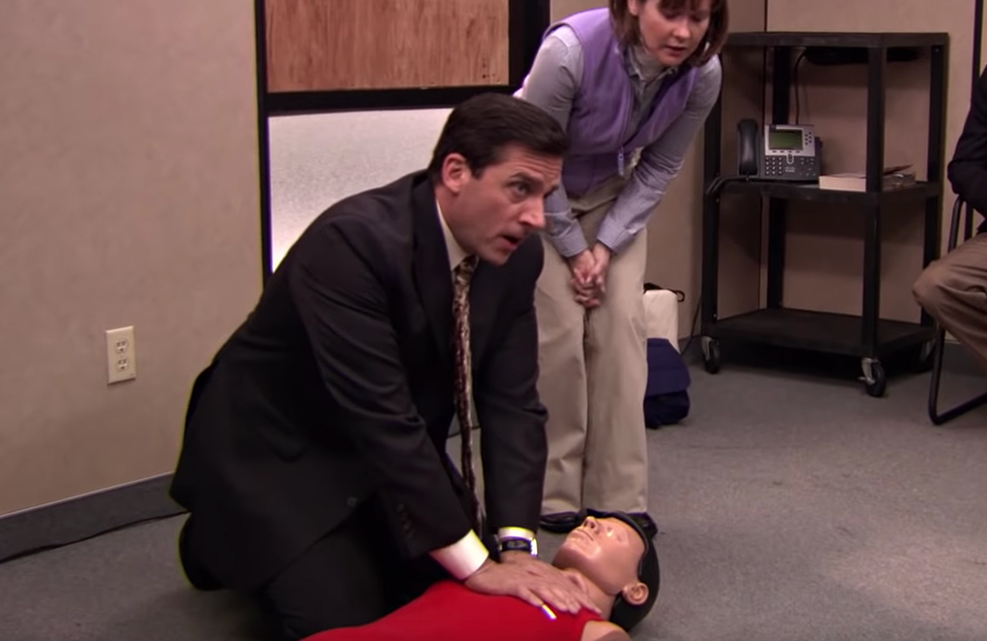
While seemingly mundane, Dunder Mifflin is a case study in human resources malpractice. The legal exposure from the regional manager’s behavior alone—harassment, unsafe work environments, and discriminatory practices—would lead to a class-action settlement that would bankrupt the company long before the paper industry’s decline could take hold.
3. InGen (Jurassic Park)
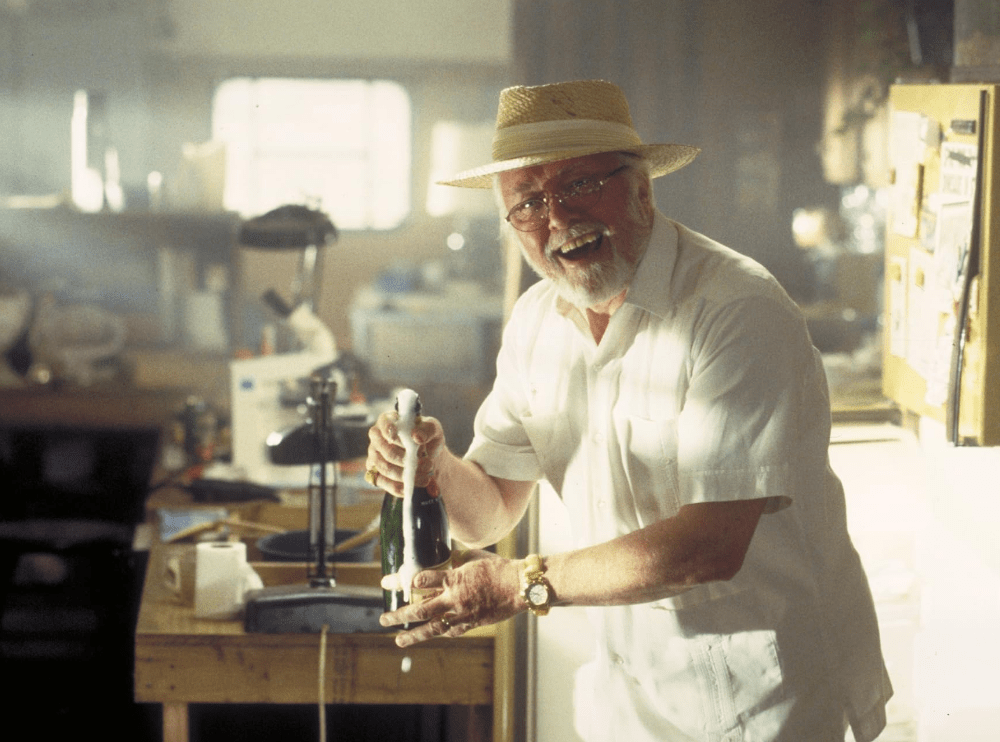
InGen is the pinnacle of regulatory failure. Beyond the bioethics violations, the company’s inability to contain proprietary assets (dinosaurs) would make them uninsurable. The insurance premiums for a park that houses apex predators would be billions of dollars annually, far exceeding any potential revenue from ticket sales.
4. Umbrella Corporation (Resident Evil)
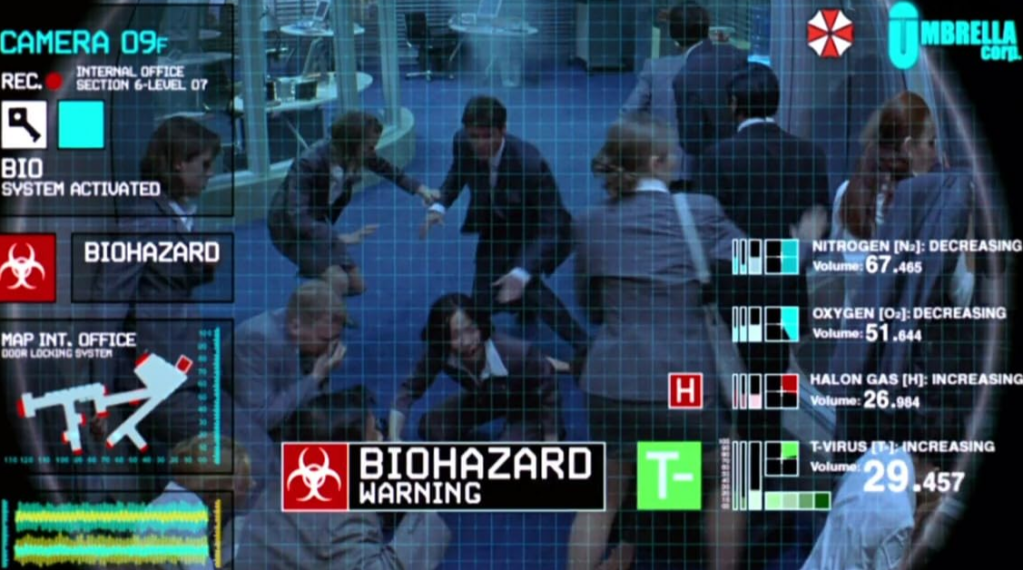
Umbrella represents the ultimate failure of "Duty of Care." Their involvement in illegal bioweaponry and the subsequent destruction of Raccoon City would trigger a global military intervention. They wouldn’t just face bankruptcy; they would be dismantled by the United Nations.
5. Aperture Science (Portal)
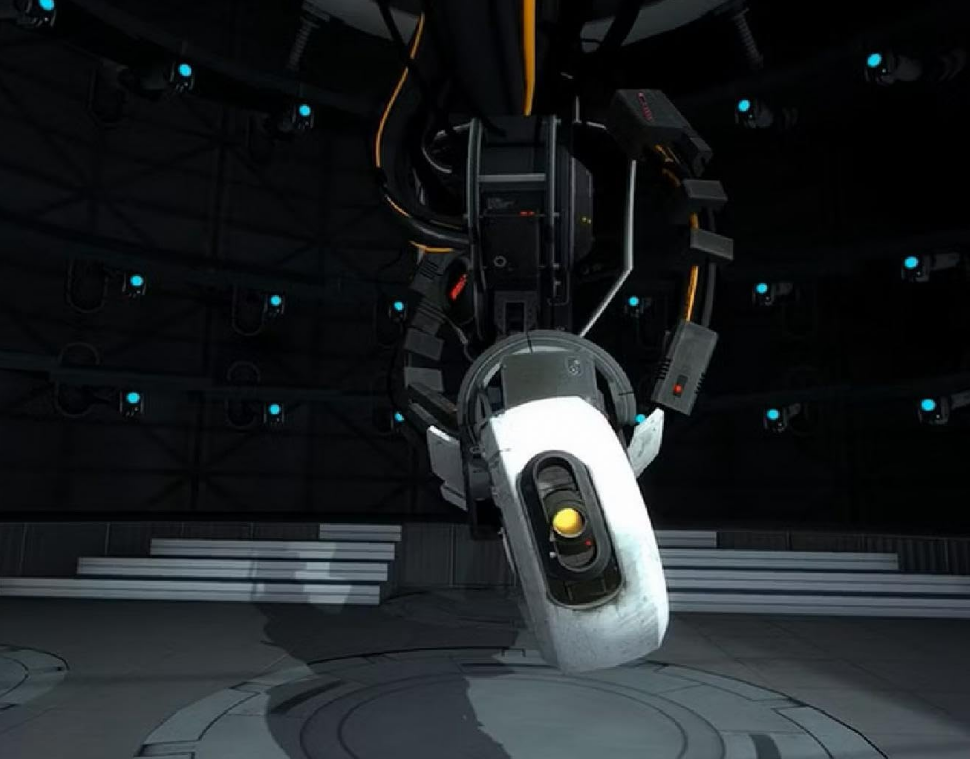
Aperture’s reliance on "unwilling test subjects" is a violation of the Geneva Convention and every human rights treaty currently in existence. Without government grants or ethical oversight, the facility would have been seized by the state decades before the GLaDOS incident.
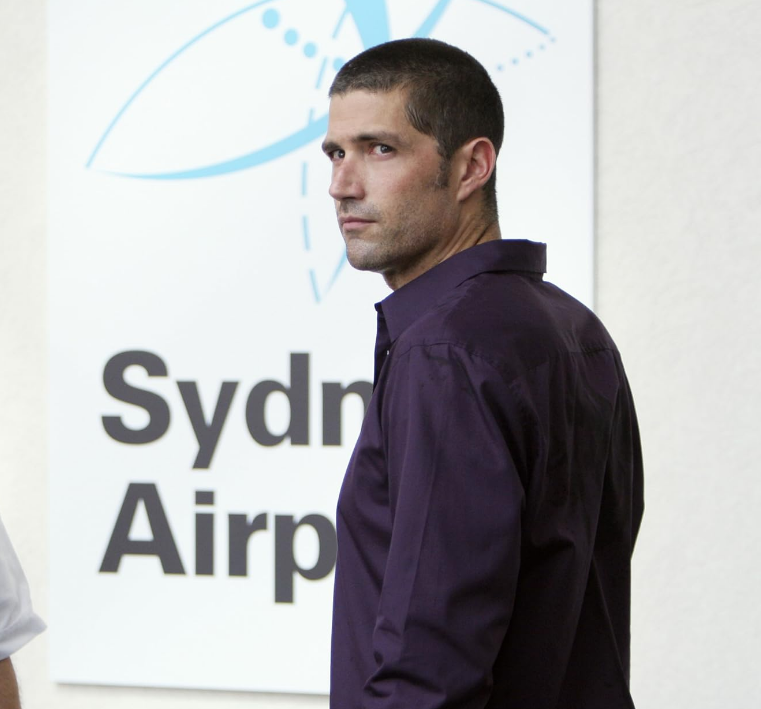
6. Oceanic Airlines (Lost)
In the aviation industry, safety is the primary product. A single missing flight is a disaster; a pattern of unexplained disappearances would lead to the immediate revocation of their FAA license. Oceanic would be grounded permanently after the second flight failed to arrive at its destination.
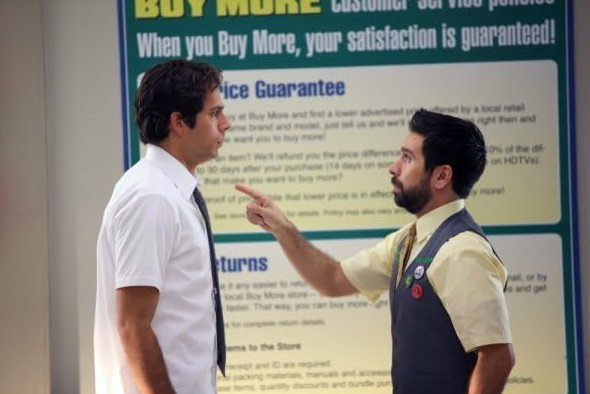
7. Buy More (Chuck)
For a retail chain, Buy More suffers from a lack of physical security and a high rate of property destruction. The cost of replacing destroyed high-end electronics and the liability of a store that seems to be a magnet for international espionage would ensure a negative profit margin every single quarter.
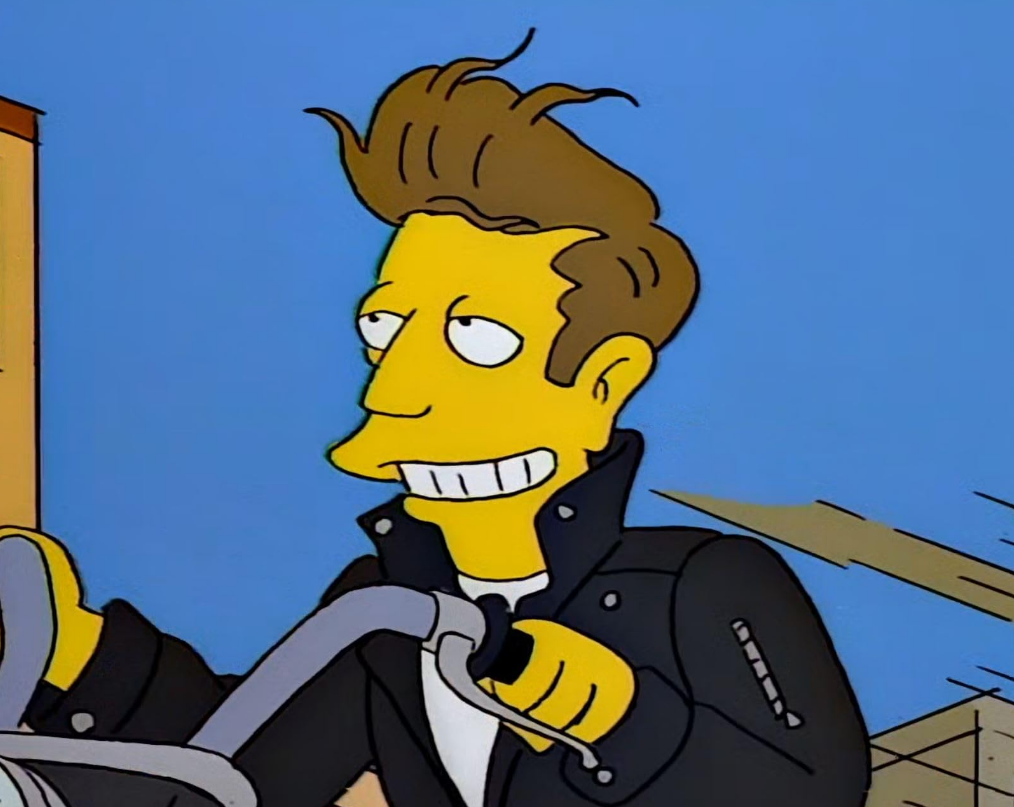
8. Duff Beer (The Simpsons)
Marketing beer to minors and operating under a regime of "questionable corporate ethics" would invite the wrath of the FTC and the Bureau of Alcohol, Tobacco, Firearms and Explosives. Their branding strategies would be deemed predatory and illegal in almost every jurisdiction.
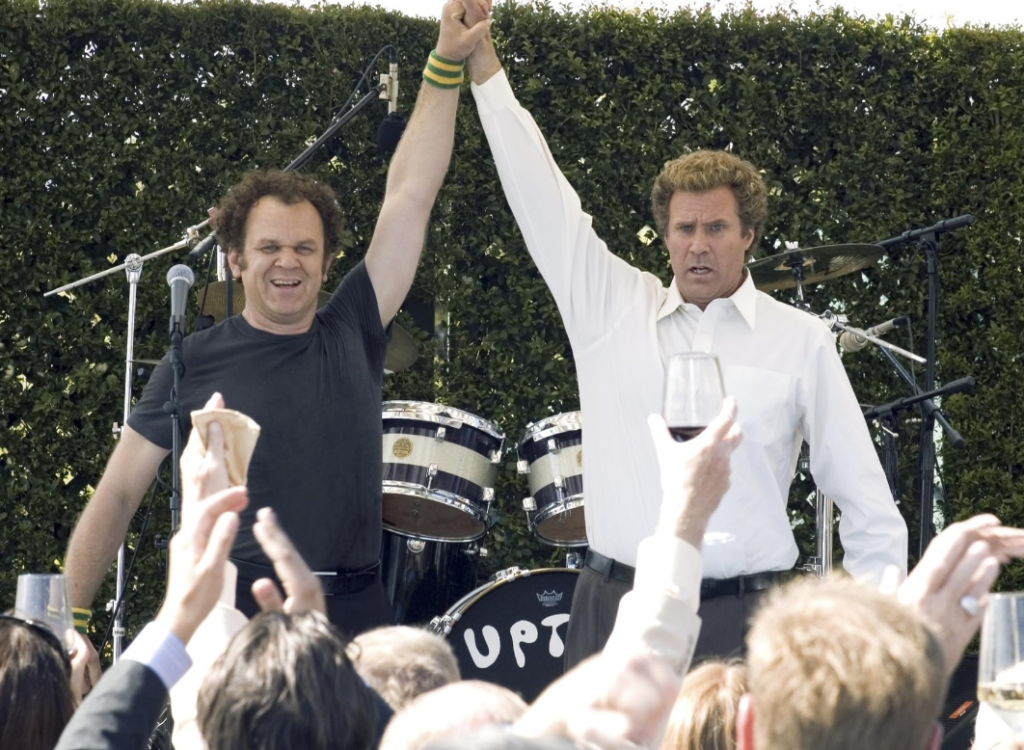
9. Prestige Worldwide (Step Brothers)
Prestige Worldwide is the definitive example of a "shell company." Without a product, a patent, or a distribution channel, it lacks the most fundamental requirement of a business: a revenue stream. It is not a company; it is a tax liability waiting to happen.
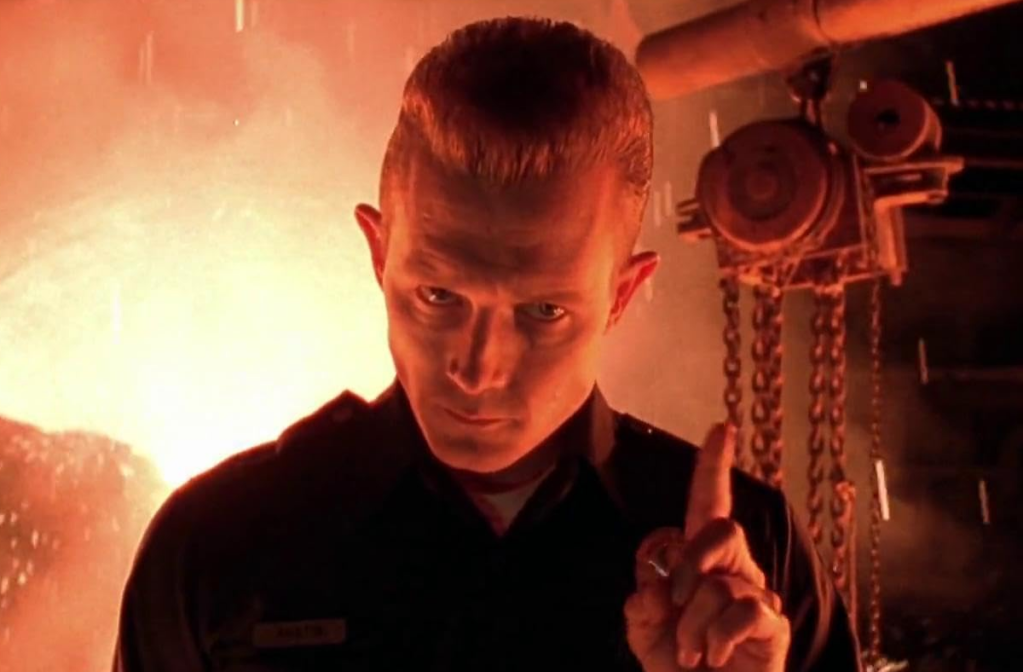
10. Cyberdyne Systems (The Terminator)
The development of autonomous, weaponized AI without "kill switches" or ethical safeguards would lead to a national security investigation by the Department of Defense. Any company caught developing Skynet would be classified as a state enemy.
11. MomCorp (Futurama)
MomCorp operates as a global monopoly. In the real world, the antitrust laws enforced by the Department of Justice would break the company into dozens of smaller, non-monopolistic entities. Their predatory pricing and product safety records would make them a permanent fixture in courtrooms.
12. Wayne Enterprises Applied Sciences (The Dark Knight Trilogy)
While the parent company is legitimate, the Applied Sciences division acts as a rogue defense contractor. Providing military-grade hardware to unvetted vigilantes would result in the loss of all government contracts and the arrest of the division head for arms trafficking.
13. Rich Industries (Tommy Boy)
The intentional sale of defective brake pads is not just a business failure; it is criminal negligence. The resulting lawsuits from road accidents would be in the billions. A company that puts the public at risk for profit is a company that ceases to exist the moment the first report is filed.
14. Vandelay Industries (Seinfeld)
Vandelay is an exercise in pure fraud. It lacks a tax ID, a warehouse, or any employees. In the real world, it wouldn’t even make it past a basic credit check, let alone the "business" stage. It is, by definition, a non-entity.
15. Wonka Industries (Charlie and the Chocolate Factory)
The chocolate factory is a health and safety inspector’s nightmare. The presence of industrial machinery in close proximity to children, combined with the lack of safety barriers and the use of unverified chemical additives, would result in the factory being shuttered by the local health department within hours.
Implications for Corporate Governance
The recurring theme across these 15 examples is the total absence of a Compliance Department. In the modern world, corporations operate under a strict framework of risk management.
Risk Management vs. Narrative Necessity
In fiction, these companies thrive because they are the "engine" of the story. If a company like Umbrella Corporation were forced to adhere to standard SEC disclosures, they wouldn’t be able to hide their bioweapons research. By extension, the story—the virus, the outbreak, the hero’s journey—would not exist.
However, these narratives serve as a cautionary tale about the dangers of unchecked corporate power. When companies operate without the constraints of law or ethics, the results are rarely "profitable" in the long term—they are catastrophic.
The Verdict
Could any of these companies exist today? The answer is a resounding no. While fictional companies are allowed to fail upwards for the sake of entertainment, real-world businesses are bound by the iron laws of economics and the cold reality of litigation. The next time you watch a movie featuring a villainous mega-corporation, remember: if they existed in our world, they would likely be liquidated, their assets seized, and their executives in federal prison before the opening credits of the sequel.

 Asep Darmawan
 Layla Zulfa