Sagoh
Sagoh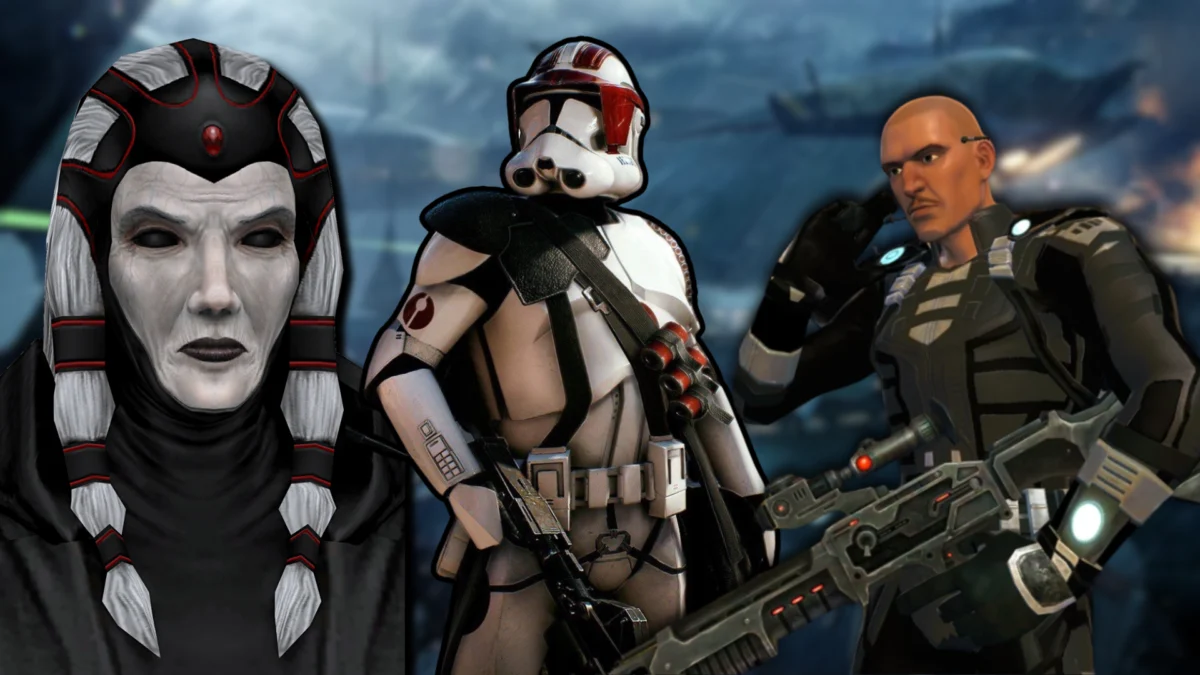
Since the theatrical debut of Star Wars Episode IV: A New Hope in 1977, the cultural obsession with the Jedi Order has remained the franchise’s North Star. For millions, the dream of wielding a lightsaber—perhaps in a signature yellow, the most criminally underrated color—was the primary draw to the galaxy far, far away. However, as the Star Wars expanded universe has matured, so too has the appetite of its audience. The allure of being a regular person—a bounty hunter, a soldier, or a rogue pilot—in a universe defined by cosmic mysticism has become arguably more compelling than the path of the Force-user.
Video games have played a pivotal role in this shift, offering players the freedom to engage with the Star Wars mythos through lenses that are entirely disconnected from the Jedi-Sith binary. Below, we explore eight definitive Star Wars gaming experiences where being a Jedi is far from the most interesting quality on offer.
1. Star Wars: Galaxies – The Cautionary Tale of Power Creep
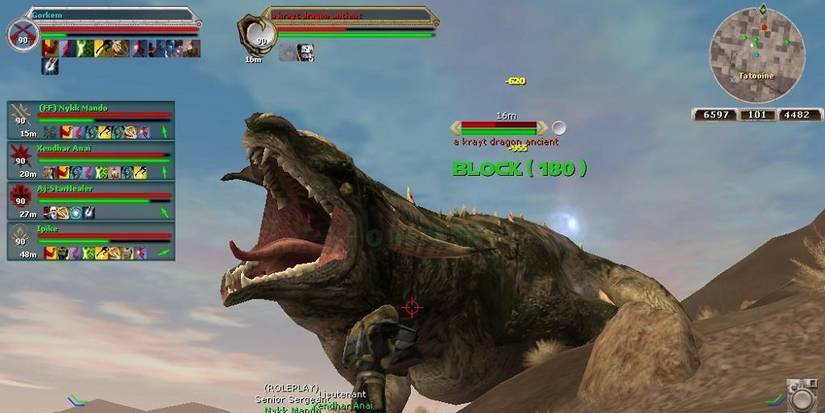
Star Wars: Galaxies (SWG) remains a legendary case study in community-driven game design. Upon its launch, it was the definitive "regular person" simulator. Players could spend weeks opening a cantina, perfecting the art of crafting armor, or simply exploring the vast, unscripted wilderness of Tatooine without ever seeing a lightsaber.
The Fatal Flaw: The Jedi "Checklist"
The decline of the game’s unique social fabric is often attributed to the decision to introduce the Jedi class. Originally, the developers intended for Jedi to be mythical, rare, and nearly impossible to unlock. When they eventually pivoted to making the Jedi an official, accessible class, the game’s core identity shifted overnight. The community stopped engaging with the deep crafting and social systems, treating them instead as a "grind" to reach the ultimate power fantasy. Once everyone became a Jedi, the social dynamics of the game evaporated, proving that when everyone is special, no one is.
2. Star Wars Battlefront 2 – The Grunt’s Perspective
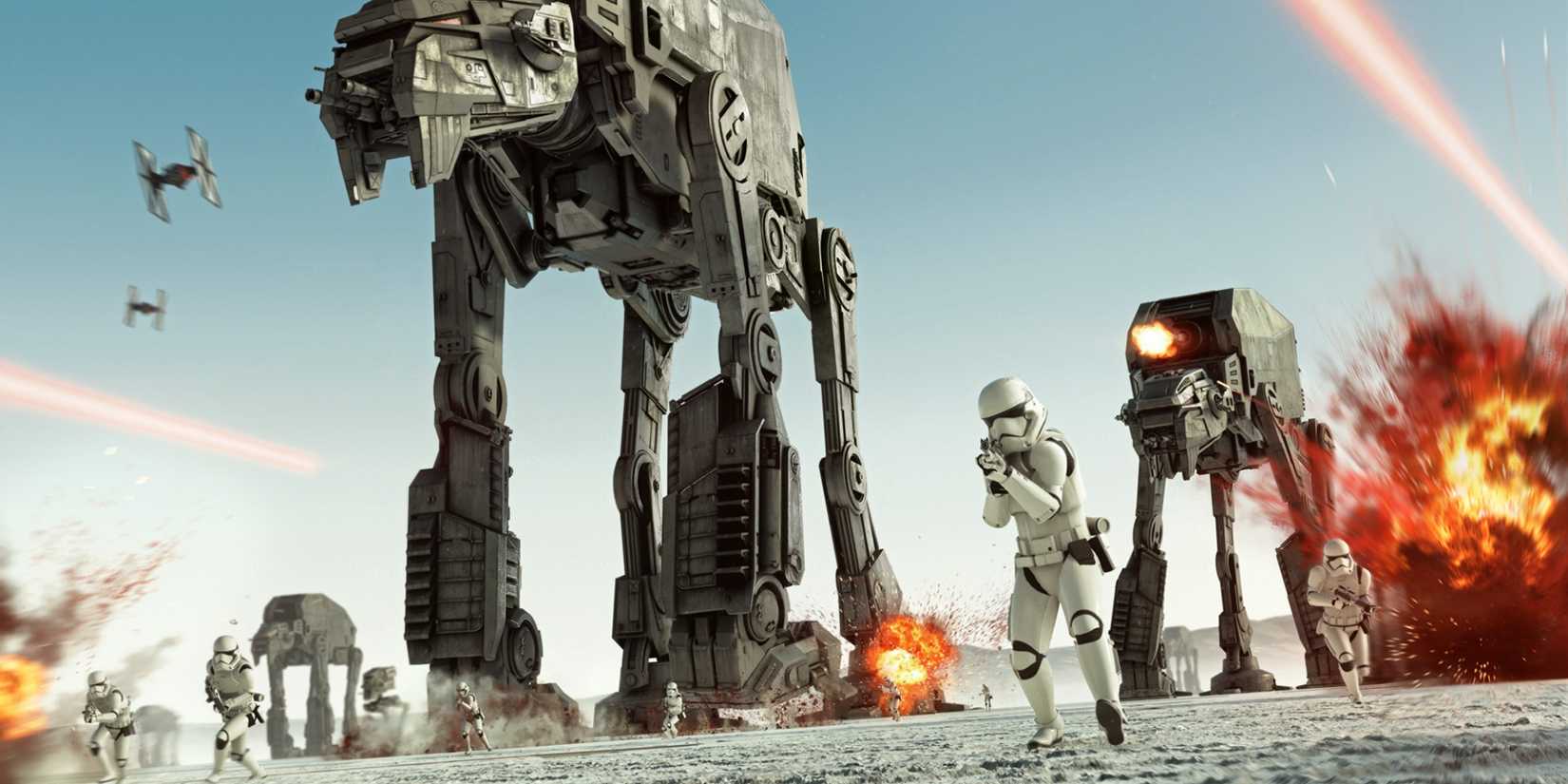
While Star Wars Battlefront 2 (2017) certainly offers the spectacle of playing as iconic heroes like Darth Vader or Obi-Wan Kenobi, the true heart of the experience lies in the boots-on-the-ground combat.
The Dopamine of the Heavy Trooper
There is a distinct, visceral satisfaction found in the standard trooper classes that lightsaber combat often fails to replicate. Whether you are holding a choke point with a Heavy’s Sentry ability or skillfully navigating a map as an Assault trooper, the game demands tactical awareness rather than Force-powered panic buttons. The thrill of being a nameless soldier holding the line against impossible odds captures the "war" in Star Wars better than any Force-push ever could. Furthermore, non-Force heroes like Han Solo and Boba Fett provide a refreshing change of pace, rewarding precision aiming and gadget mastery over simple button-mashing melee combat.
3. Star Wars: The Old Republic – The Narrative of the Ordinary
BioWare’s massive MMORPG, Star Wars: The Old Republic (SWTOR), is lauded for its narrative depth. While the game features Jedi and Sith storylines, the non-Force-sensitive classes offer some of the most compelling writing in the entire Star Wars canon.
The Imperial Agent’s Espionage
The Imperial Agent storyline, in particular, is frequently cited by fans as the pinnacle of the game’s writing. It focuses on political intrigue, betrayal, and the moral ambiguity of serving a galactic regime. The morality system allows players to make tactical decisions that deviate from their class archetype—such as a Bounty Hunter who chooses to spare a target out of a personal code of honor, or an Agent who actively undermines their superiors. These choices ground the player in a gritty, realistic conflict where a blaster at the right time is worth more than any lightsaber.
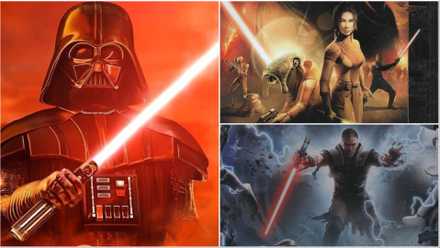
4. Star Wars: Knights of the Old Republic 2 – Defying the Force
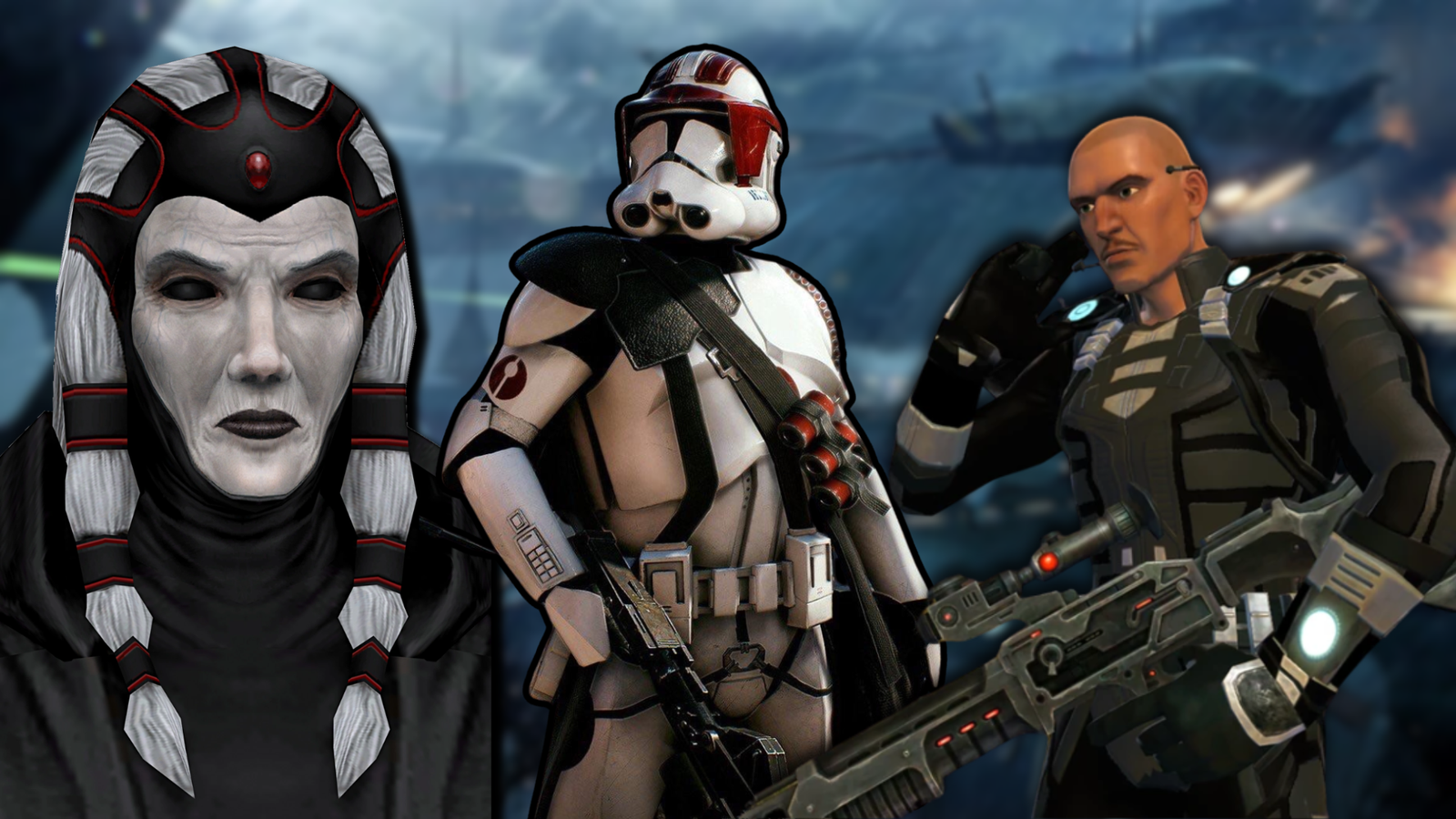
Knights of the Old Republic 2: The Sith Lords is a dark, philosophical deconstruction of the Star Wars universe. It dares to ask: What if the Force is actually the problem?
The Path of the Gunslinger
You play as the "Jedi Exile," a character who has been traumatized by their connection to the Force and, in a sense, cut off from it. The game offers the rare opportunity to roleplay a character who actively rejects their Jedi past. By focusing on non-Force skills, technical proficiency, and blaster combat, players can finish the game as a hardened veteran who relies on grit rather than mysticism. Following the cynical philosophy of the antagonist, Kreia, and rejecting the "will of the Force" makes for a playthrough that feels subversive and deeply intellectually satisfying.
5. Star Wars: Empire at War – The Grand Strategist
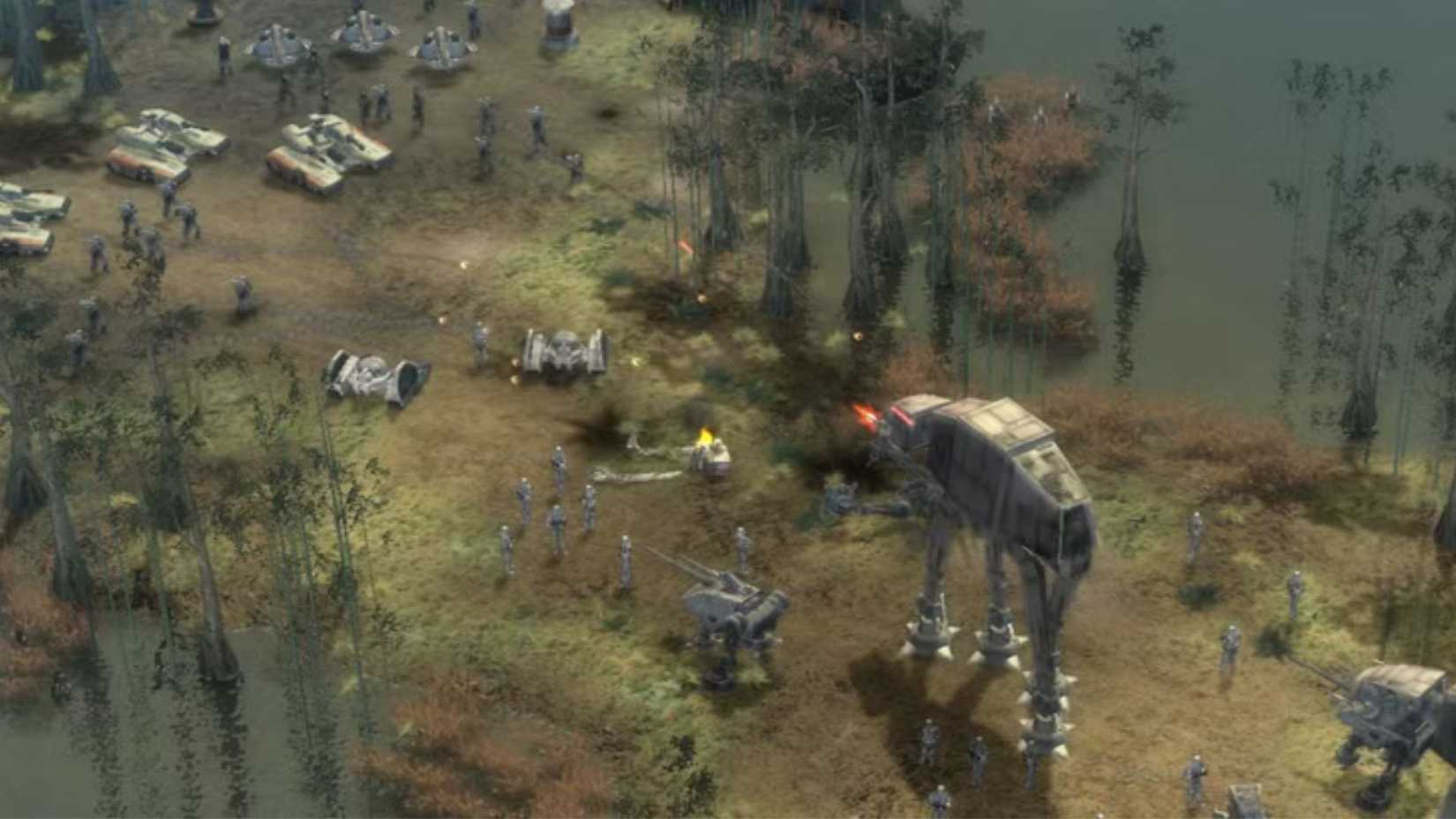
Star Wars: Empire at War is the gold standard for real-time strategy in the franchise. It removes the player from the individual perspective entirely, placing them in the role of a fleet commander.
Orbital Superiority vs. Force Powers
While the game allows you to deploy heroes like Vader or Luke to the battlefield, they are merely tools in a larger arsenal. The true victory in Empire at War comes from managing logistics, tech trees, and massive space battles. An orbital bombardment or a well-timed flank of Star Destroyers is infinitely more satisfying than watching a single character deflect blaster bolts. The game forces the player to think about the economy of war, reinforcing the idea that the galaxy is run by ships, credits, and supply lines—not just destiny.

6. LEGO Star Wars: The Skywalker Saga – The Utility of the Everyday
LEGO Star Wars: The Skywalker Saga is a love letter to the entire franchise, and its greatest strength is the sheer variety of its roster.
Why Jar-Jar and Padmé Reign Supreme
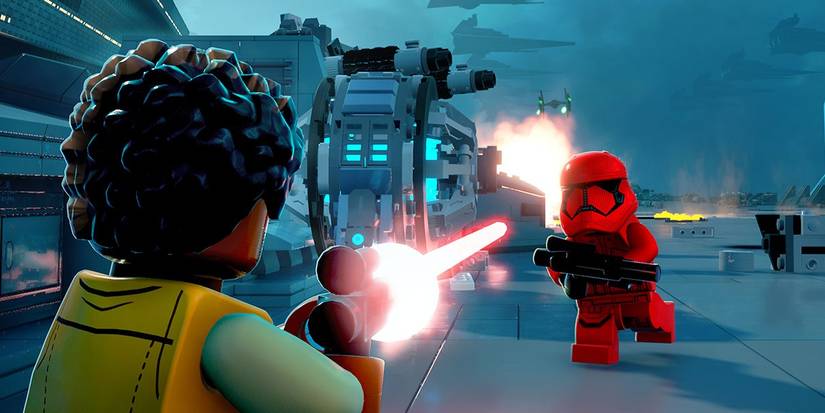
In this game, the non-Force-sensitive characters are not just "filler"; they are essential. Characters like Jar-Jar Binks, Padmé Amidala, and various Bounty Hunters have unique abilities that are mandatory for exploration. Jetpacks allow players to bypass environmental puzzles that Jedi cannot solve, and gadget-wielding characters provide access to areas locked behind technical barriers. When you can clear a boss fight as a First Order Flametrooper, you realize that the Force is just one of many ways to survive in the Star Wars universe.
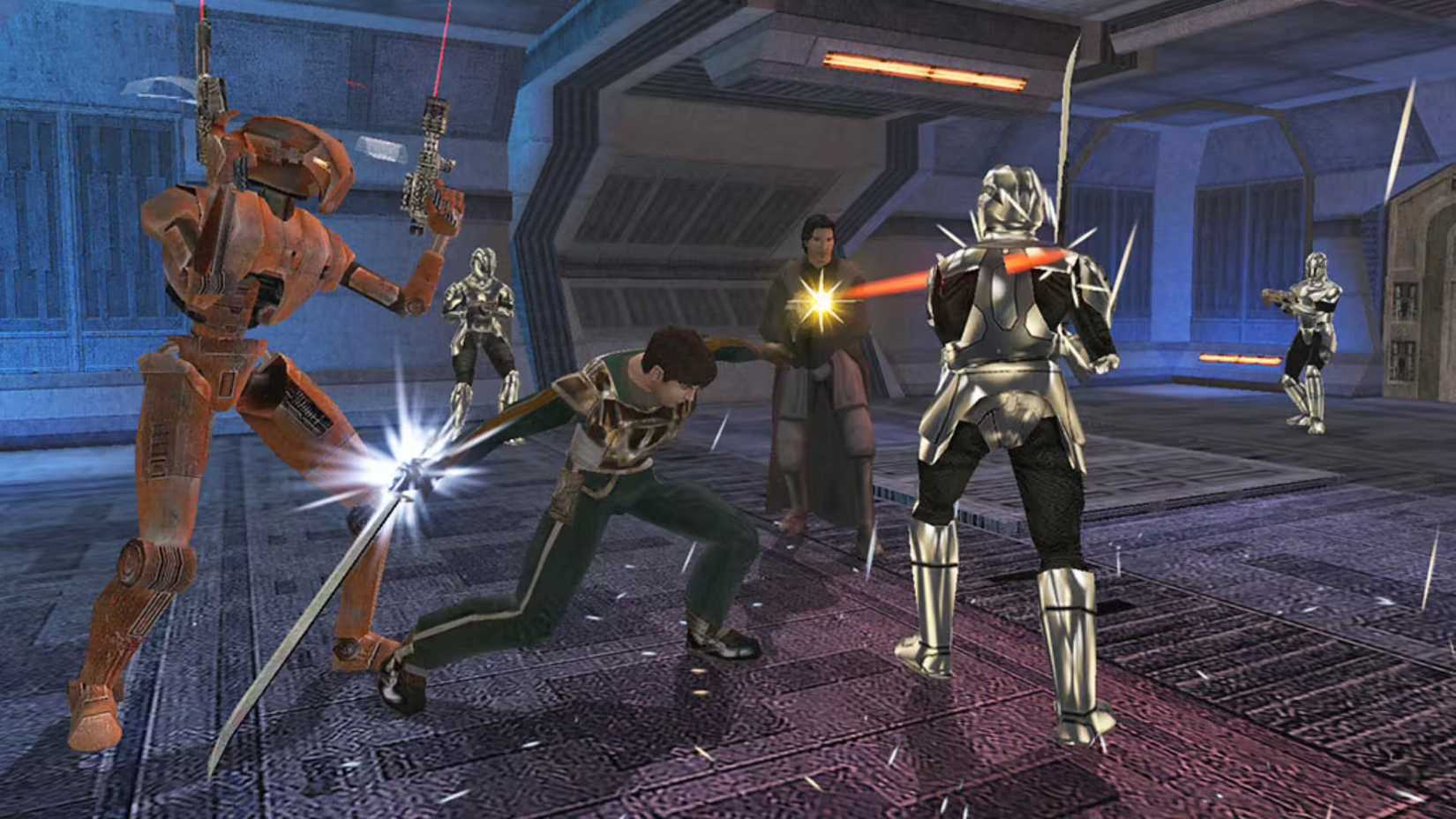
7. Star Wars: Dark Forces – The Blueprint for the Modern Rogue
Star Wars: Dark Forces is arguably the most important title in the history of Star Wars gaming. It introduced Kyle Katarn, a character who would eventually become a Jedi, but whose debut was defined by his identity as a mercenary.
The Gritty Shooter Foundation
Dark Forces succeeded because it focused on the Doom-inspired shooter loop. It was a grounded mission-based game where the player was tasked with stealing the Death Star plans—a plot point so essential it eventually birthed the film Rogue One. The game never needed Force powers to be iconic; its level design and atmosphere were sufficient. It remains a testament to the fact that Star Wars works perfectly well as a high-stakes military thriller.
8. Star Wars Jedi Knight: Jedi Academy – The "Doomguy" Experience
It is ironic that a game with "Jedi" in the title concludes our list, but Jedi Knight: Jedi Academy is the ultimate hybrid experience. While you can be a Jedi, the game’s gunplay is so robust that many players choose to ignore the lightsaber entirely.
The Tenloss Disruptor Rifle Mastery
The weapon variety in Jedi Academy is vast. Players can switch between snipers, heavy repeaters, and explosive launchers with fluid ease. When you combine high-level mobility—enhanced by the Force—with a powerful blaster like the TL-50, you stop playing like a monk and start playing like a futuristic super-soldier. It turns the game into a high-octane arena shooter where the lightsaber becomes a backup weapon rather than the primary tool. It’s the ultimate validation for players who want the movement speed of a Jedi but the firepower of a commando.
Implications: The Future of Star Wars Gaming
The success of these titles—and the enduring popularity of characters like The Mandalorian—highlights a significant shift in the Star Wars audience. While the Jedi will always be the icons of the franchise, there is a clear demand for "grounded" stories.
Professional Insight
Game developers are increasingly recognizing that the "Jedi Power Fantasy" has limitations. By providing players with the agency to exist as smugglers, soldiers, and spies, developers can explore the vast, unwritten corners of the galaxy. The future of Star Wars gaming likely lies in this diversity of experience. Whether it is through the strategic depth of an RTS or the gritty combat of a tactical shooter, the most successful future titles will be those that prove you don’t need a lightsaber to make your mark on the galaxy.
In conclusion, the Force may bind the galaxy together, but it is the regular people—the grunts, the pilots, and the outlaws—who truly make it a world worth fighting for. As we look ahead to new developments in the Star Wars gaming sphere, the lessons of the past are clear: sometimes, the most interesting character in the room is the one without a laser sword.


 Ali Ikhwan
 Nana Wu