

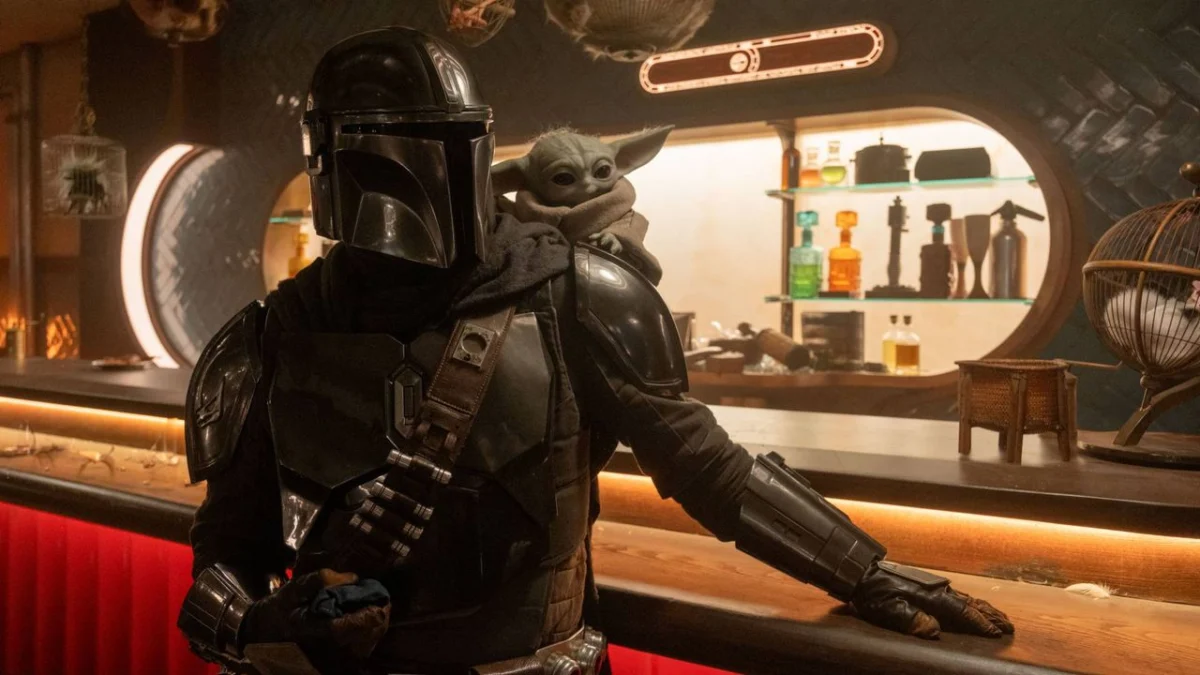
In the vast, ever-expanding galaxy of Star Wars, villains are typically defined by their connection to the Force, their mastery of the lightsaber, or their proximity to the throne of an Emperor. However, the latest cinematic entry in the franchise, The Mandalorian and Grogu, introduces a different breed of antagonist—one grounded in grit, pragmatism, and the chaotic power vacuum of the post-Imperial era. Enter Commander Coin, the ruthless crime lord of the moon Shakari, portrayed with chilling groundedness by veteran character actor Jonny Coyne.
As the titular duo of Din Djarin and his ward, Grogu, navigate the perils of the Outer Rim, they find themselves locked in a high-stakes conflict with the Imperial Remnant. At the center of this web is Commander Coin, a character whose journey from a brief, nameless appearance in the Shadow Council of The Mandalorian Season 3 to a central antagonist has been defined by secrecy, serendipity, and the enduring magic of practical filmmaking.
The Origins of a Villain: From Shadow Council to Star Screen
The path to Commander Coin was anything but linear. When Jonny Coyne first appeared in the third season of The Mandalorian, he was simply one of many Imperial officers lurking in the dark, conspiring against the burgeoning New Republic. In those early scenes, he was a nameless piece on the board—a face in a crowd of loyalists trying to maintain order in a galaxy that had moved on from their regime.
Director Jon Favreau, known for his meticulous approach to world-building, had a specific vision for the character’s evolution. In the lead-up to the film’s release, rumors swirled about the identity of this mysterious Imperial figure, with early reports and fan theories referring to him as "Lord Janu." This confusion persisted until the film’s premiere, where it was revealed that Lord Janu and Commander Coin were, in fact, one and the same.
The naming process itself carries a touch of Hollywood irony. According to Coyne, the name "Commander Coin" wasn’t a product of long-winded lore development, but rather a playful nod to the actor’s own name. "I don’t know how my name got involved in the mix," Coyne shared in an exclusive interview with GamesRadar+. "But at some point when I first got introduced to Jon… he said, ‘Listen, I hope you don’t mind, but we kind of like your name, we’re just going to maybe call you Commander Coin.’"
The serendipity didn’t end there. Coyne revealed that upon his initial move to Los Angeles years prior, friends had nicknamed him "Commander Coyne." When he stepped onto the Star Wars set, that nickname had seemingly manifested into his professional reality. As for the fleeting moniker "Lord Janu," Coyne remains amusedly baffled, noting, "I don’t know where that came from."
The Man Behind the Mask: A Non-Force-Sensitive Antagonist
Unlike the galactic threats of the past—the Sith Lords and dark side acolytes who relied on supernatural power—Commander Coin represents a shift toward a more "human" form of evil. Favreau was adamant about avoiding the tropes that have defined Star Wars villains for decades.
"I was kind of hoping that I might get a chance to do a much more scary thing, but Jon was very determined to make him a very, very real non-Star Wars kind of character without the breathing, none of that stuff going on," Coyne explained. "He wanted to make him a very real person."
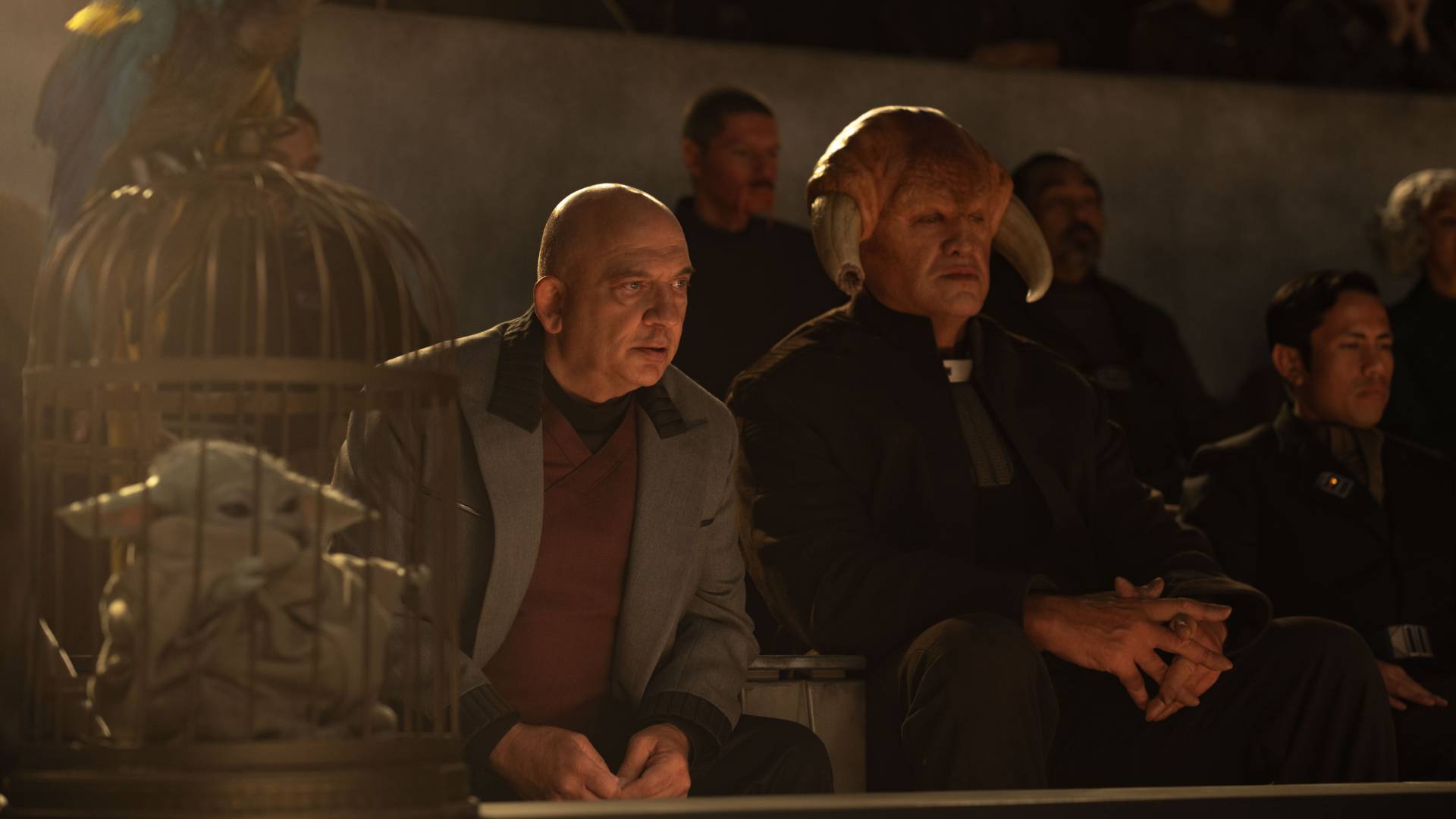
This commitment to realism extends to Coin’s operations. On the moon of Shakari, he doesn’t rule through Force-chokes or lightsaber duels; he rules through commerce, gladiatorial combat, and the exploitation of the desperate. His "club," a hub for prize fighting, serves as a metaphor for his character: a man of the Empire who has pivoted to the criminal underworld, viewing the galaxy not as a battleground for ideology, but as a marketplace for profit. His star warrior, the infamous Rotta the Hutt, serves as both his weapon and his mascot in this gladiator-style enterprise.
A Legacy of Practical Filmmaking
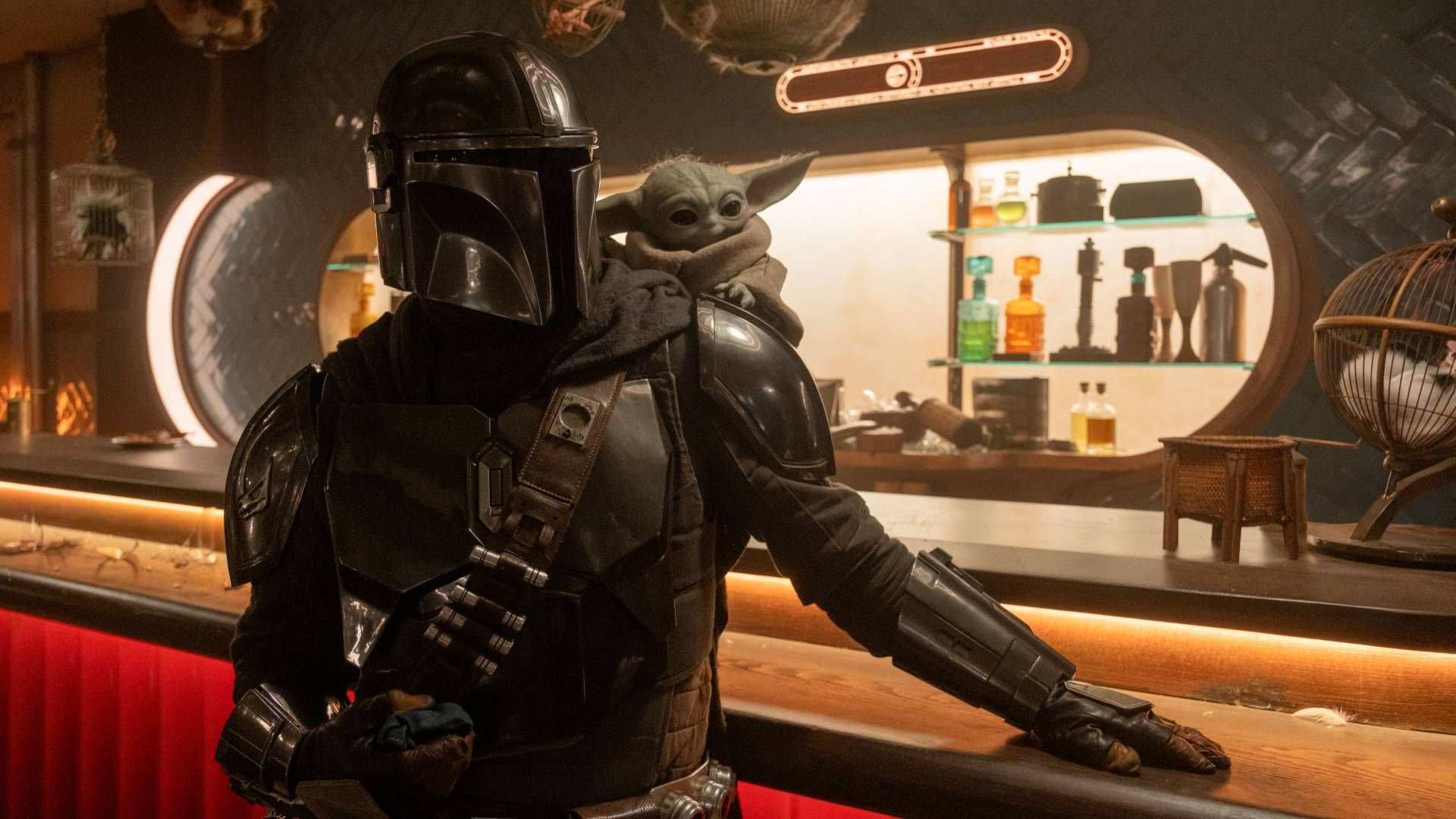
One of the defining features of the Disney-era Star Wars projects, particularly those helmed by Favreau and Dave Filoni, is the blend of cutting-edge technology and "old-school" practical effects. For Jonny Coyne, this was a formative experience. While much of the modern franchise relies on the "Volume" (the massive LED screens that provide real-time backgrounds), The Mandalorian and Grogu prioritized tactile, physical sets for Coin’s domain.
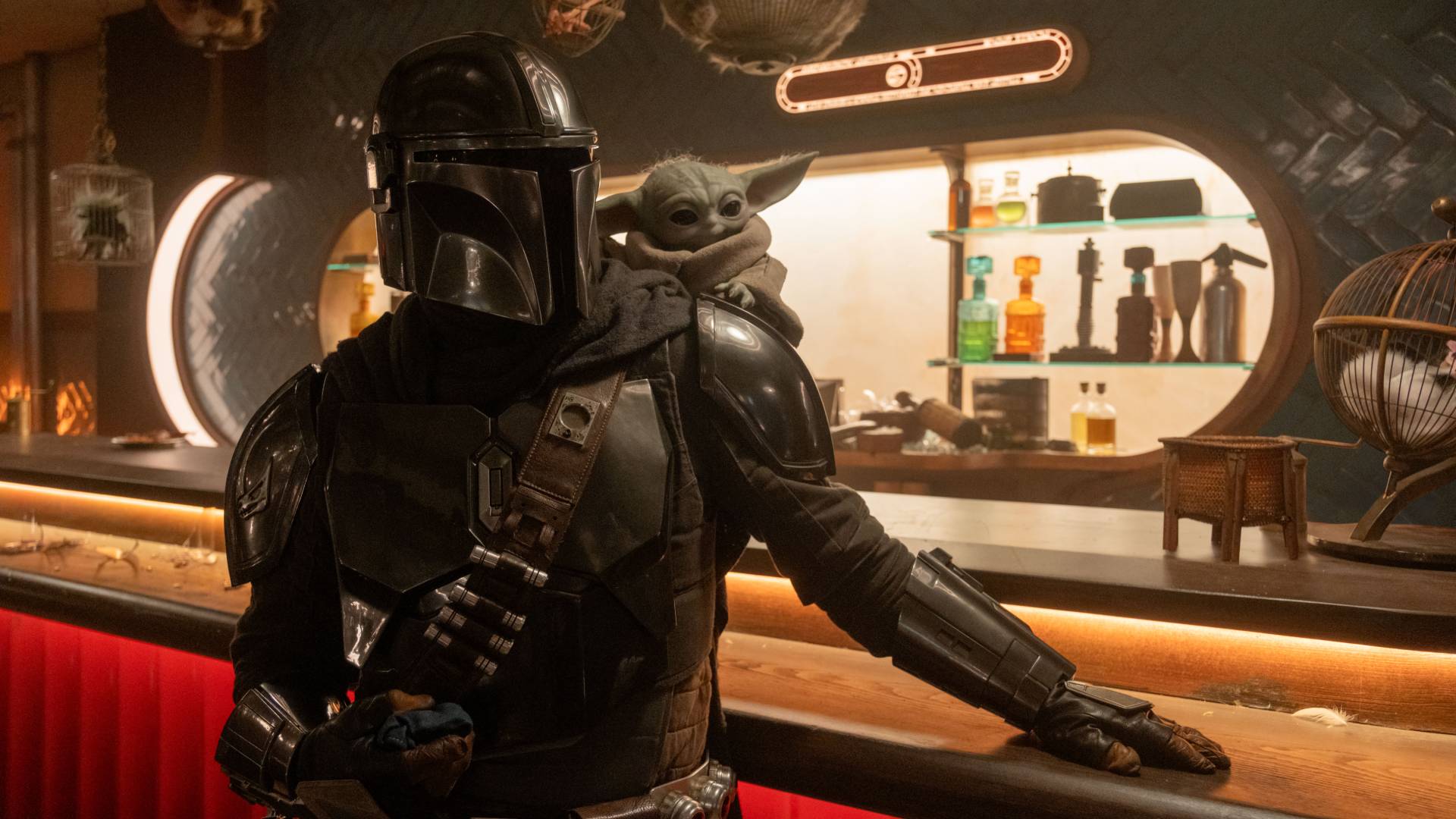
"I had very much practical sets, real sets, as opposed to the Volume and green screen," Coyne noted. "I got to play on the real stage, as it were, and that, well, for my little mind, it was much more helpful. I need to touch things."
This approach extended to the action sequences, including a high-octane speeder chase where Mando, Grogu, and the fan-favorite Zeb Orrelios attempt to flee Coin’s compound. The production team utilized traditional techniques—physically shaking the speeder props to simulate movement—to ensure the actors felt the weight and danger of the scene. Coyne described the experience as a perfect marriage of eras: "What is brilliant about the guys who do these movies is that they do introduce modern technology, modern techniques… but they never forget the old ways. You’re just being shook by poles. It’s old school attached to the new school."
The Security Apparatus: Keeping the Secret
The level of secrecy surrounding The Mandalorian and Grogu was, by all accounts, intense. For an actor tasked with embodying a pivotal villain, the process of receiving a script was a lesson in modern studio security.
"I was given the script: one day to read it," Coyne recounted. "I had to come into Manhattan Studios and take a MacBook, and read it off an iPad, and then hand the thing back, signed in, signed out. You weren’t allowed to take it away with you."
For the majority of the production, Coyne worked in the dark, receiving his lines "piecemeal"—often just a single line appearing on a screen—making it difficult to build a comprehensive character arc. Despite these constraints, the context provided by Favreau, including concept art and previews of the practical sets, allowed Coyne to anchor his performance in the reality of a former Imperial officer scavenging for power in a fractured galaxy.
Implications for the Galaxy Far, Far Away
The introduction of Commander Coin has significant implications for the future of the Star Wars timeline. By moving away from the "Big Bad" archetypes of the Galactic Empire, the franchise is signaling a shift toward more localized, gritty conflicts. The Shadow Council, first teased in The Mandalorian Season 3, is clearly operating as a decentralized cell structure, with members like Coin turning to crime and exploitation to sustain their remaining influence.
This evolution mirrors the real-world decay of empires, where remnants often dissolve into warlordism or criminal syndicates. Commander Coin is the personification of this transition. He is not a true believer in the Sith cause, nor is he a revolutionary; he is an opportunist. His existence suggests that the threat to the New Republic is not just the return of a monolithic army, but a "death by a thousand cuts" caused by individuals like Coin who are willing to weaponize the resources left behind by the Imperial machine.
Looking Ahead
As for the longevity of Commander Coin, Coyne remains humble and pragmatic. "I got to do a Star Wars movie," he says. "I’d be greedy to say, ‘Can I have another one, please?’"
Whether we see the commander again remains to be seen, but his impact on the current narrative arc is undeniable. He provided a grounded, tangible threat that challenged Din Djarin in a way that was both physically demanding and thematic. By stripping away the mysticism of the Force, the film allowed for a more intimate look at the desperation of those left behind in the wake of the Empire’s fall.
As audiences continue to digest the implications of The Mandalorian and Grogu, it is clear that characters like Commander Coin—born from the perfect storm of creative vision, practical craft, and the accidental irony of a casting director’s choice—are what keep the Star Wars galaxy feeling both massive and, occasionally, refreshingly human.
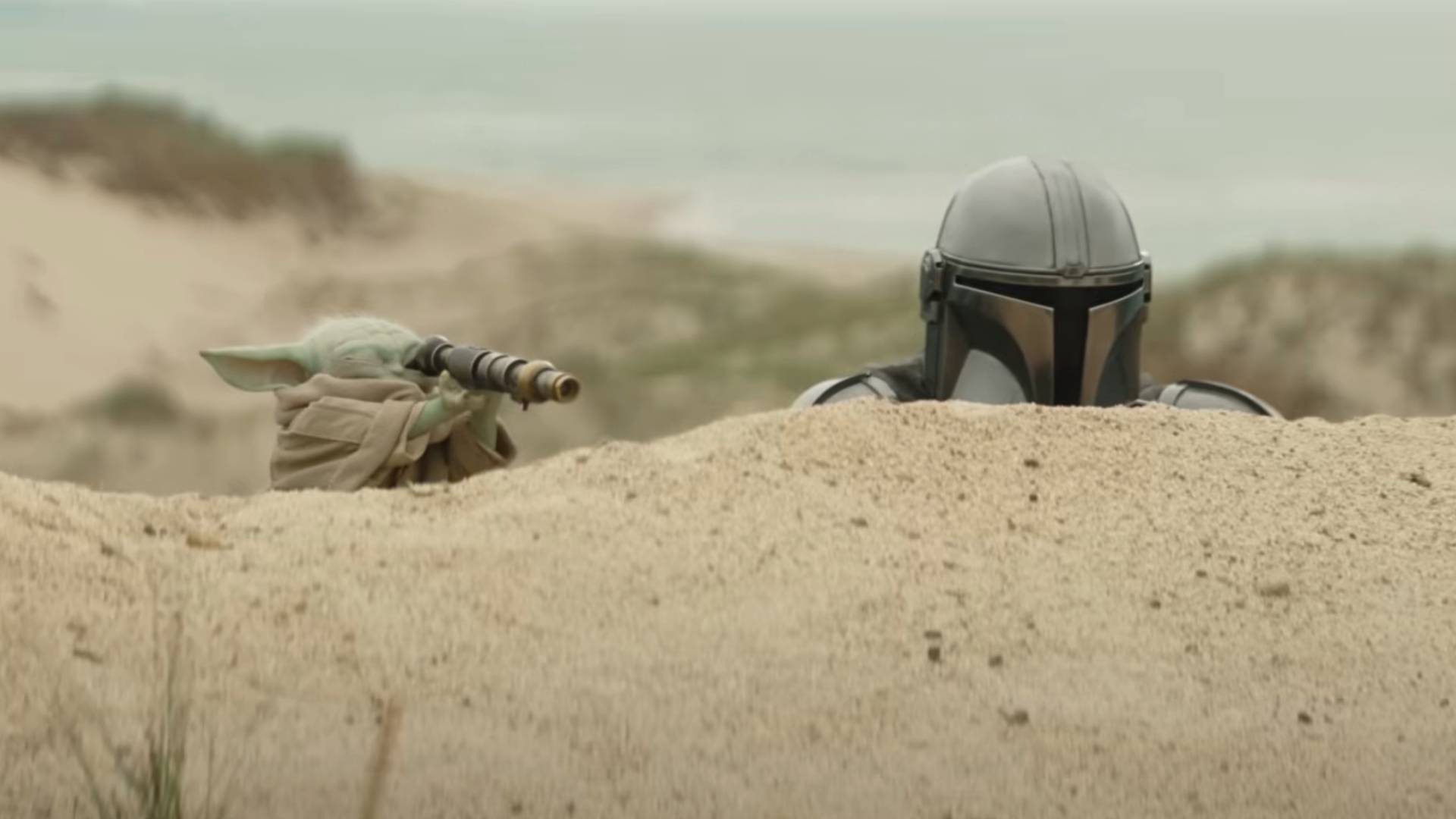
The Mandalorian and Grogu is currently in theaters. For deeper insights into the franchise, check our guides to upcoming Star Wars projects and the optimal chronological viewing order.











No comments yet. Be the first to join the conversation!