Asep Darmawan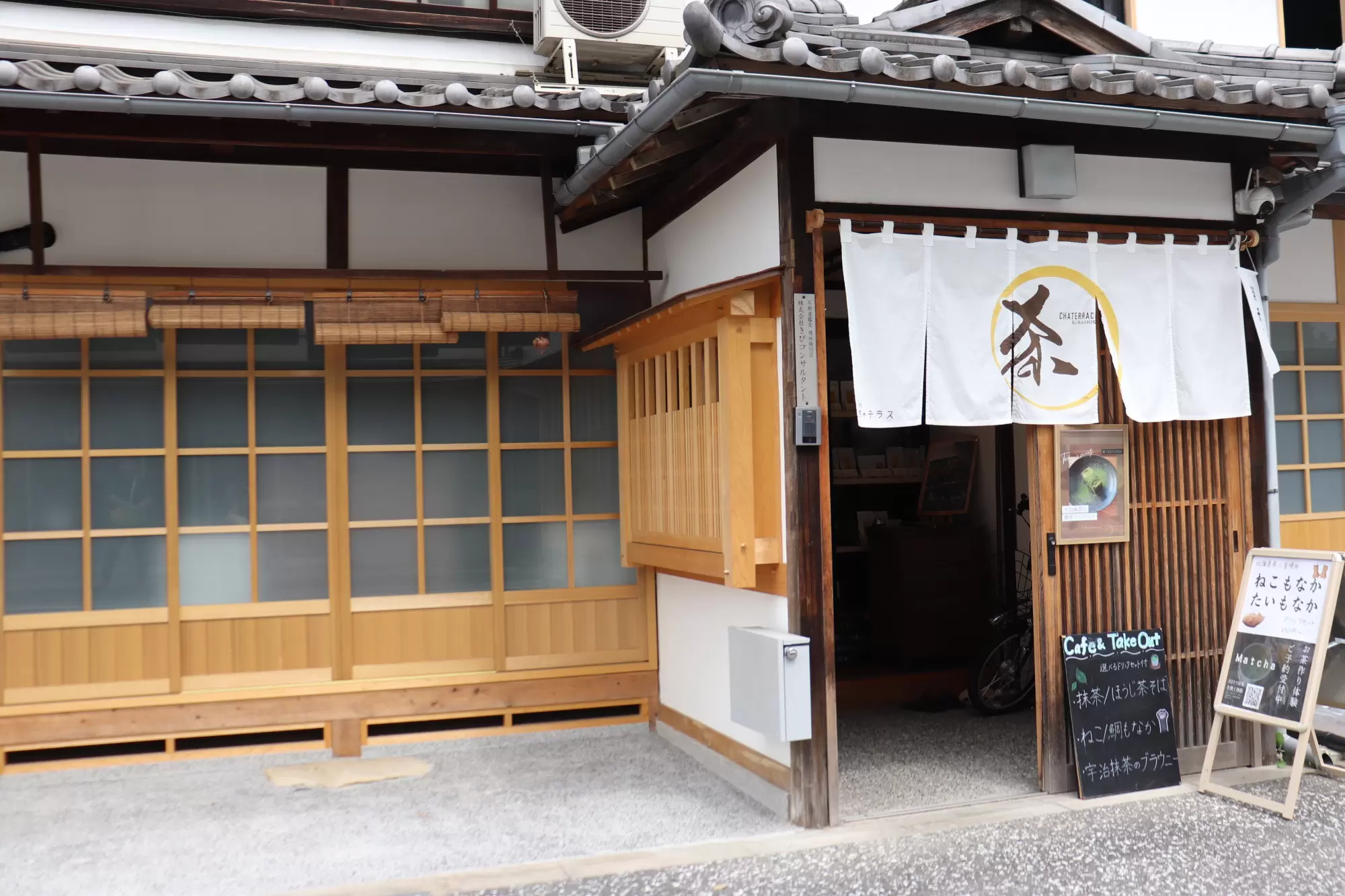
In the heart of the historic Kurashiki Bikan Historical Quarter, where white-walled storehouses and willow-lined canals whisper tales of the Edo period, a quiet revolution in tea culture is taking place. "Cha Terrace," a meticulously renovated 70-year-old traditional townhouse, has emerged as a sanctuary for those seeking to reconnect with the roots of Japanese tea. Far from being a mere cafe, this establishment serves as an immersive classroom, bridging the gap between historical tradition and modern sensory exploration.
The Essence of Cha Terrace: Main Facts and Origins
Founded in 2022, Cha Terrace was the vision of proprietor Ishii, a transplant from Tokyo who saw untapped potential in Okayama Prefecture’s agricultural landscape. Known as the "Land of Sunshine," Okayama’s warm, temperate climate provides an ideal environment for cultivating high-quality tea leaves. Leveraging his expertise as a certified Japanese tea instructor and his background in real estate development, Ishii transformed a derelict, aging structure into a vibrant hub of tea appreciation.
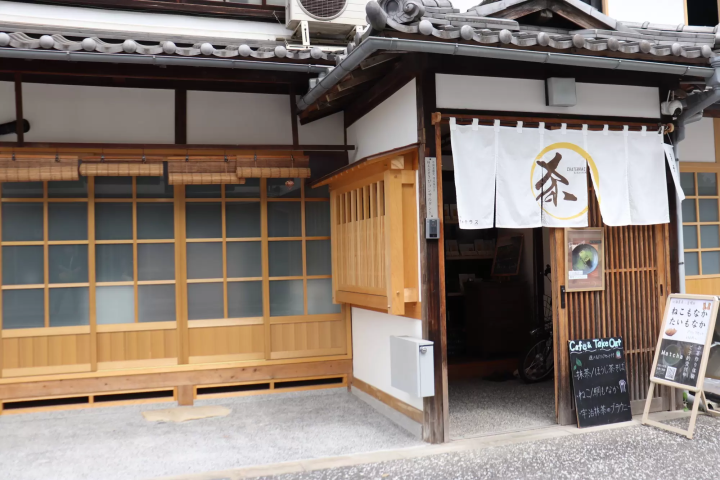
The facility operates on a weekend-and-holiday basis, offering a unique respite from the bustling tourist circuits of Kurashiki. At its core, the shop seeks to demystify the complex world of Japanese tea—a world where green tea, matcha, and hojicha all originate from the same Camellia sinensis plant, differentiated only by their cultivation and post-harvest processing.
A Chronology of Craft: The Evolution of the Experience
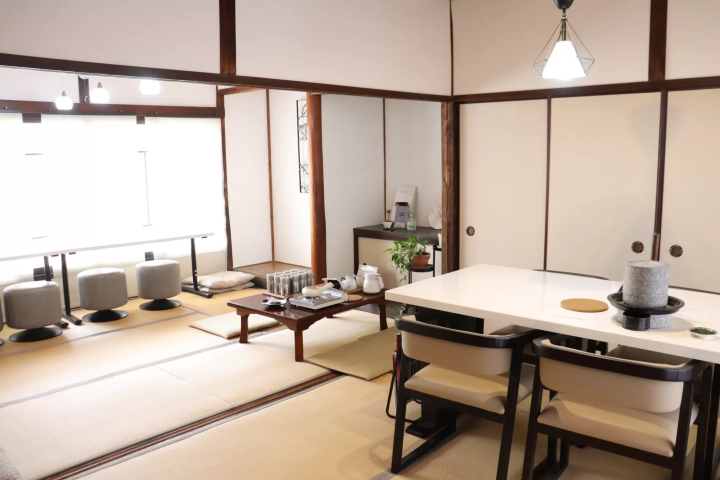
The journey of a visitor at Cha Terrace is not passive; it is a multi-sensory progression. The space is divided into a ground-floor tea house and a second-floor studio, accessed by the steep, narrow wooden staircases characteristic of early 20th-century Japanese architecture.
The Matcha Experience: From Stone to Sip
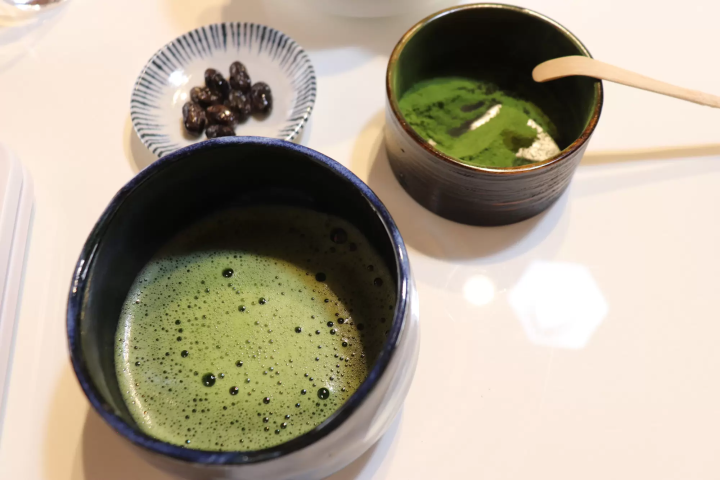
The flagship program is the "Stone-Ground Matcha Experience." Participants are introduced to tencha—tea leaves grown under shade to suppress photosynthesis, thereby boosting chlorophyll and the amino acid L-theanine. This process creates the vibrant, emerald-green color and the deep, umami-rich profile that defines premium matcha.
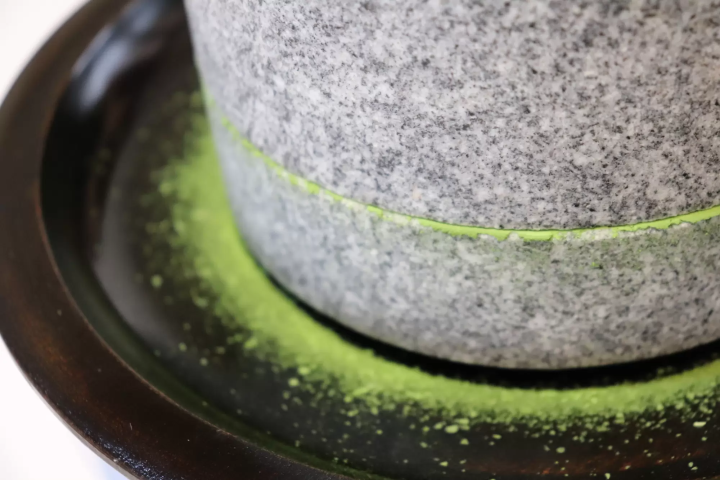
- Preparation (0–5 minutes): Guests are outfitted with aprons to protect against the fine green dust that characterizes the milling process.
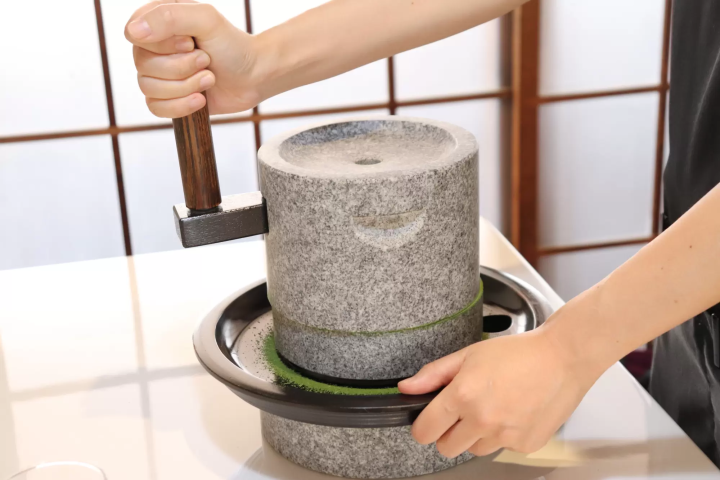
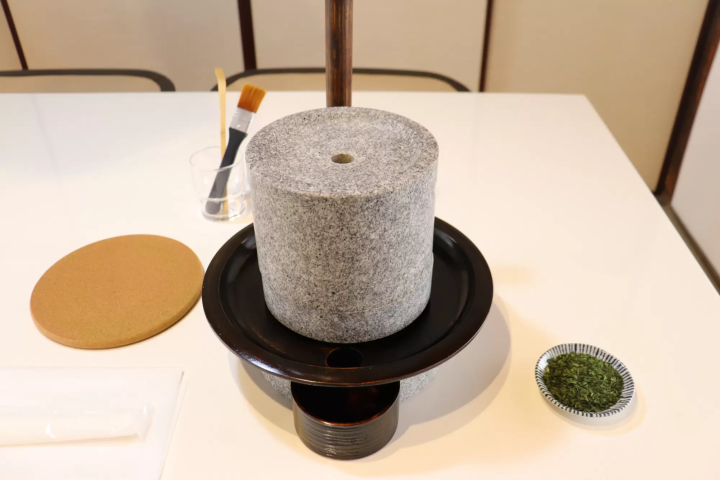
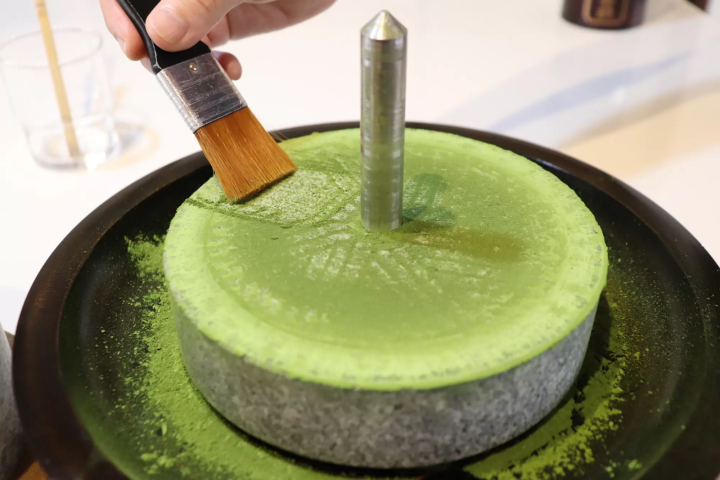
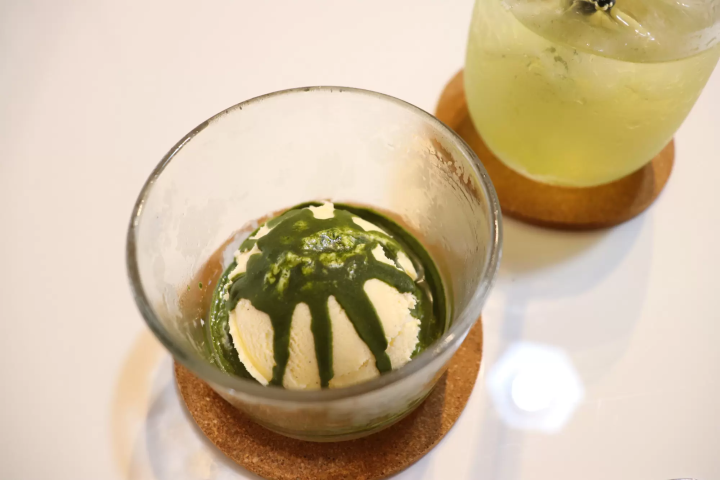
- The First Grind (5–15 minutes): Utilizing a traditional Aji Stone mill—sourced from Mount Tsurugi in Kagawa Prefecture—participants grind 5g of tea leaves. The initial result is a coarser powder, which is utilized for an affogato, a decadent fusion dessert where the raw, slightly bitter matcha is poured over cold, sweet ice cream.
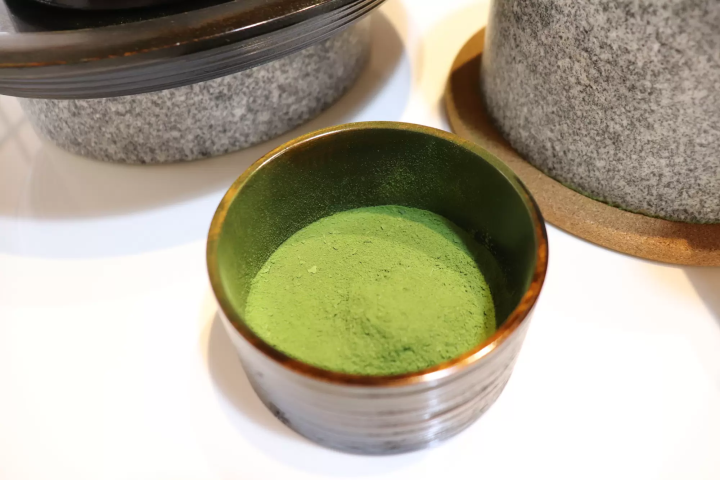
- The Second Grind (15–30 minutes): With the mill now primed, the second phase produces the ultra-fine, silk-like powder required for a traditional tea preparation.
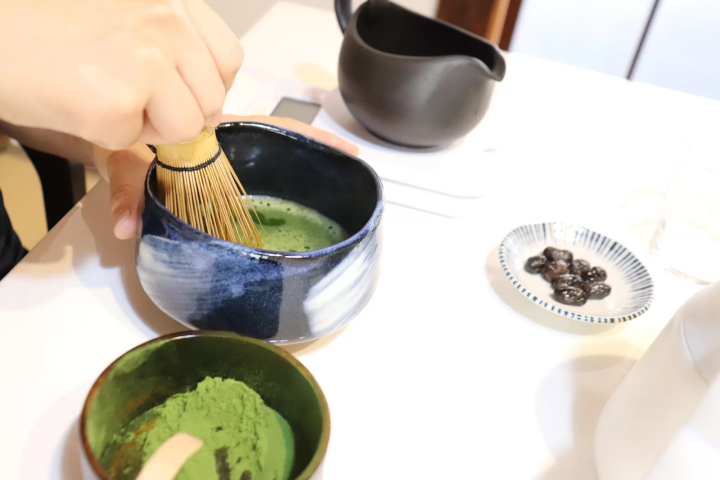
- The Whisk (30–50 minutes): Using a chasen (bamboo whisk), guests learn the art of frothing the tea. While the process is rooted in tradition, the shop encourages a relaxed atmosphere, explicitly stripping away the rigid formality often associated with the tea ceremony to ensure accessibility for beginners.
The Hojicha Transformation
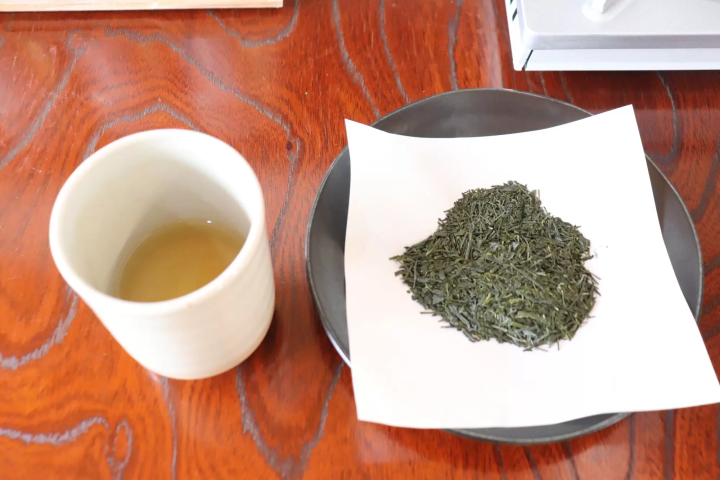
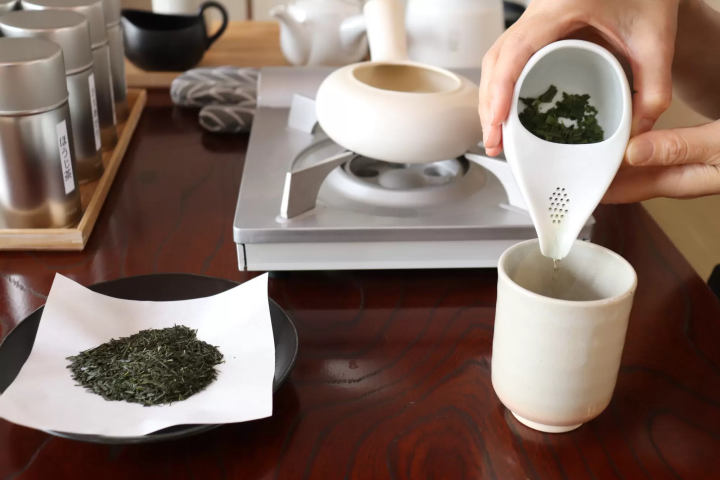
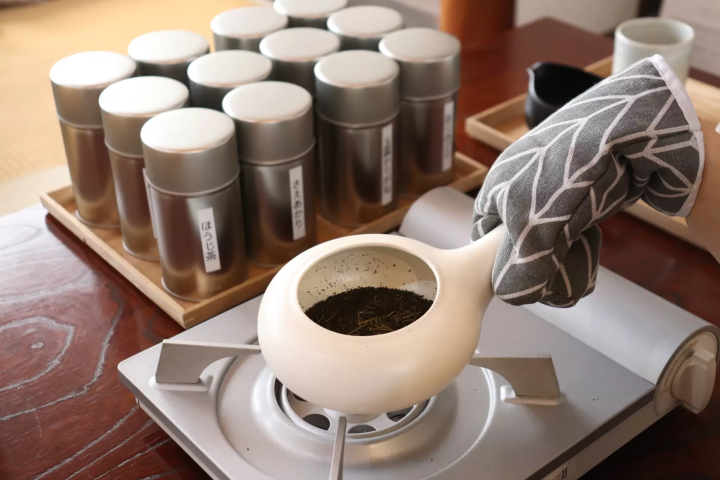
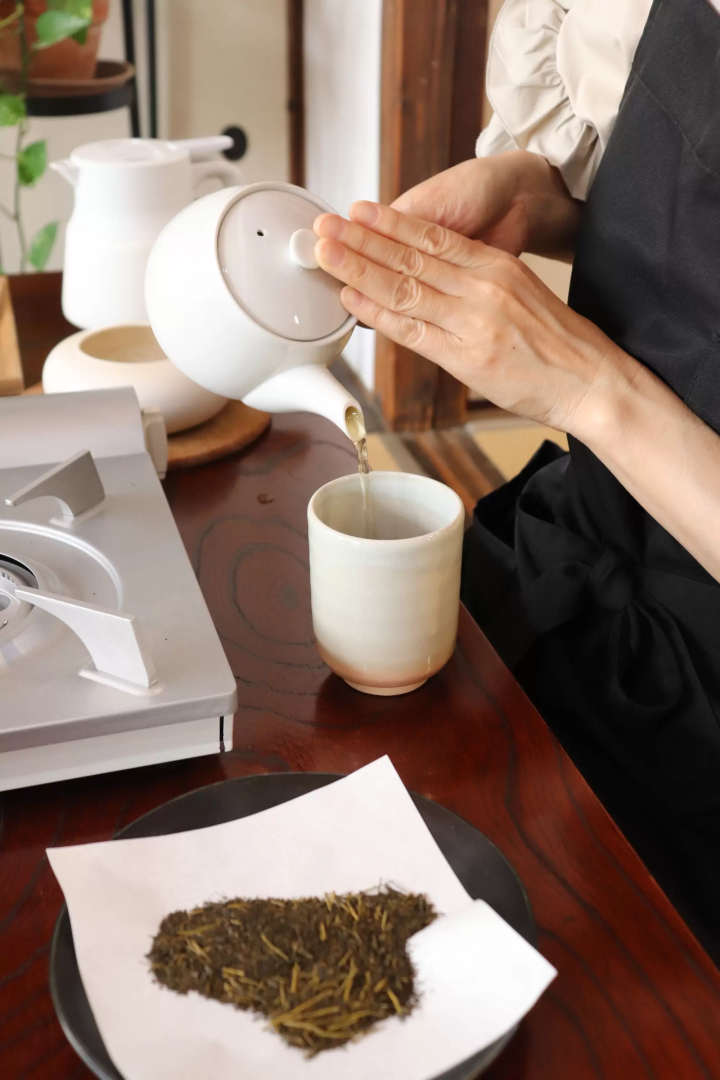
The "Roasted Green Tea Experience" highlights the alchemical nature of tea processing. Guests begin by sampling unroasted green tea leaves, noting their vegetal and astringent profile. They are then introduced to the horoku, a traditional Tokoname-ware ceramic roasting pan. As the tea leaves—specifically the "Mae Akari" variety from Mimasaka, Okayama—are roasted over low heat, the chemical structure of the leaves alters, breaking down tannins and releasing a warm, nutty aroma. The result is a refreshing, low-caffeine beverage that stands in stark contrast to the original leaves.
The Custom Blend Laboratory
For the creative visitor, the "Original Blend Tea Experience" offers a chance to play the role of a tea master. Participants select three distinct tea varieties from Okayama, experimenting with ratios to balance flavor, aroma, and color. This session serves as an educational masterclass in brewing techniques, teaching guests how water temperature and steeping time fundamentally change the final cup.
Supporting Data and Technical Specifications
The success of Cha Terrace lies in its commitment to the integrity of the materials. The table below summarizes the core experiences available to visitors:
| Experience | Duration | Price (Tax Incl.) | Primary Tool |
|---|---|---|---|
| Stone-Ground Matcha | 50 min | 3,300 JPY | Aji Stone Mill |
| Roasted Green Tea (Hojicha) | 40 min | 2,860 JPY | Tokoname Horoku |
| Original Blend Tea | 40 min | 3,850 JPY | Measuring Scales |
The technical rigor applied to these programs is balanced by a casual, welcoming environment. Whether it is the 70cc of 80-degree water used for the perfect matcha infusion or the exact 3-minute rotation cycle for the stone mill, every detail is engineered to ensure a repeatable, high-quality result for the amateur.
Official Perspective: The Philosophy of the Shop
Owner Ishii emphasizes that the primary goal of Cha Terrace is not just the consumption of tea, but the understanding of the "process." By allowing visitors to interact with the raw leaves—grinding, roasting, and blending them—the shop creates a narrative connection between the landscape of Okayama and the cup in the visitor’s hand.
"We want people to realize that tea is a living product," Ishii notes. "When you hear the stone mill turn or smell the leaves roasting, you aren’t just drinking a beverage; you are participating in a cycle of production that has defined Japanese culture for centuries."
Culinary Implications: More Than Just a Drink
The experience at Cha Terrace extends beyond the workshop. The cafe menu is a curated selection of tea-infused gastronomy. The "Fluffy and creamy yuba soba" is a standout, pairing the delicate, soy-derived yuba with high-quality matcha or hojicha noodles. The dish serves as a testament to the versatility of tea as a culinary ingredient.
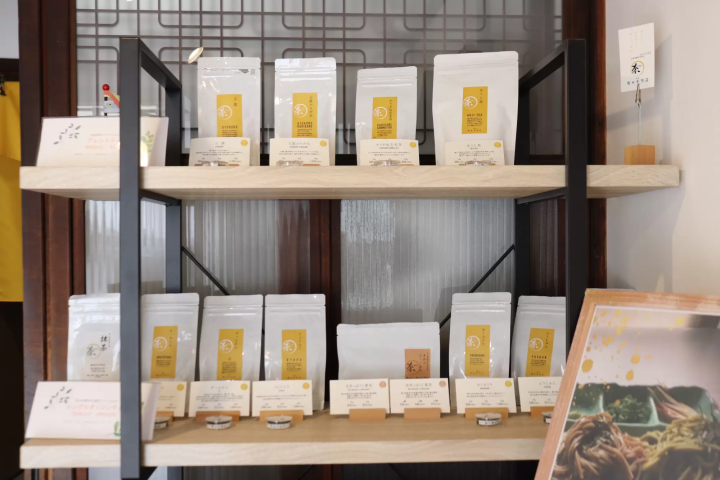
Furthermore, the shop’s commitment to sustainability and local commerce is evident in its retail offerings. Items such as the "Neko Monaka" (cat-shaped bean paste wafers) and the ability for guests to take home their own freshly ground matcha and roasted leaves ensure that the experience continues long after the guest leaves the Kurashiki Bikan Historical Quarter.
Conclusion: A Must-Visit for Cultural Enthusiasts
As tourism in Kurashiki continues to evolve, spots like Cha Terrace provide a vital service: they transform the historical district from a place to be observed into a place to be experienced. By stripping away the intimidating layers of traditional tea ceremony while retaining the respect for the craft, Cha Terrace has successfully democratized one of Japan’s most refined art forms.
For the traveler, the photographer, or the tea enthusiast, a visit to this renovated townhouse is more than a break from walking—it is an entry point into the soul of Okayama’s tea culture. With its combination of hands-on workshops, elegant lunch offerings, and a deep, respectful nod to local agricultural heritage, Cha Terrace stands as a beacon for the future of experiential tourism in Japan.
Visitor Information:
- Address: 1-26 Higashimachi, Kurashiki City, Okayama Prefecture.
- Operating Hours: 10:00 – 17:00 (Weekends and Holidays).
- Reservations: Recommended via the official Cha Terrace website.
- Contact: 050-3091-3561.


 Neng Nana
 Asro
Asro