
In the high-stakes world of VTubing, where content creation intersects with the rigid legal frameworks of intellectual property law, few entities maintain as strict a stance as Nintendo. A recent incident involving one of the industry’s most prominent stars, Hololive’s Usada Pekora, has once again brought the intersection of retro gaming, aftermarket hardware, and corporate compliance into sharp focus.
The controversy centers on a livestream in which Pekora attempted to play an authentic copy of Pokémon Emerald. Her pursuit of a rare, elusive Mew—an event-exclusive Pokémon that has not been legitimately obtainable since 2005—ultimately resulted in the forced removal of her content and a formal intervention from Nintendo. This incident highlights the growing friction between creators who treat retro hardware as a labor of love and the legal realities of a company that guards its digital assets with intense scrutiny.
The Pursuit of the Old Sea Map
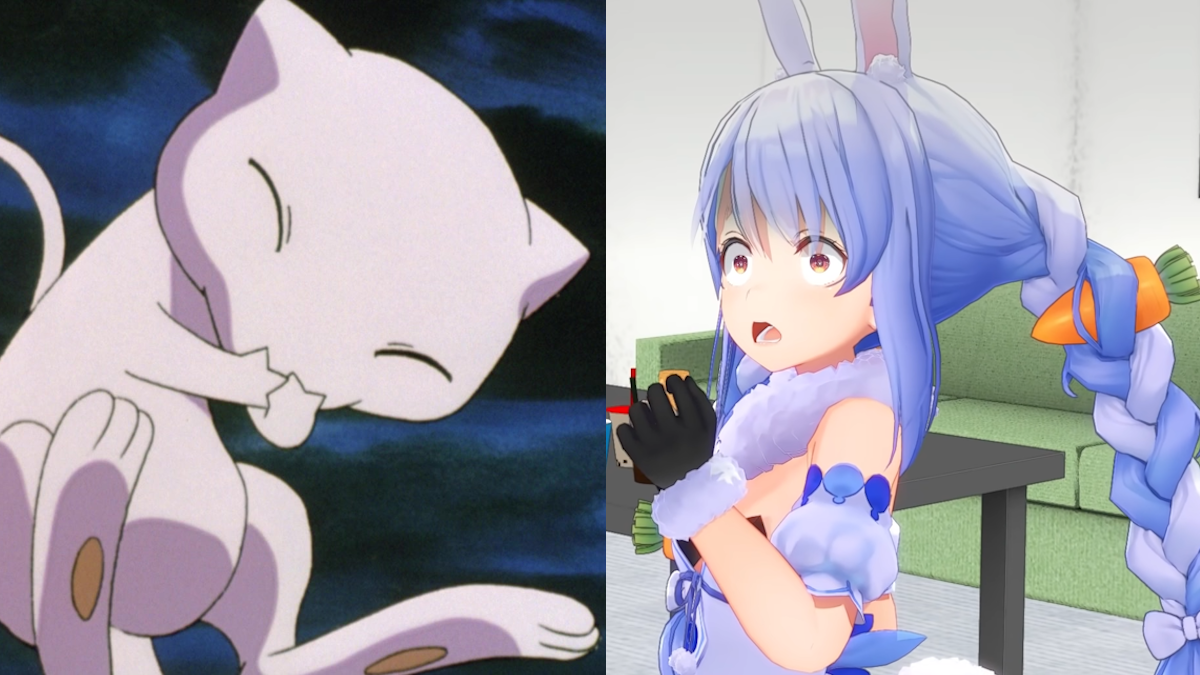
The saga began with a classic gaming enthusiast’s goal: obtaining the "Old Sea Map" in Pokémon Emerald. For the uninitiated, the Old Sea Map was a Japan-exclusive item distributed during a 2005 promotional event. It allows players to travel to Faraway Island, the only location in the game where the Mythical Pokémon Mew can be encountered in the wild.
Pekora, seeking to provide high-quality content for her audience, went to significant lengths to acquire a physical copy of the game. Rather than opting for the emulation paths often utilized by many streamers, she sourced used copies of Pokémon Emerald from online auction sites, hoping to find a cartridge that contained the legitimate, original event data.
Her initial excitement was palpable during her stream. Upon discovering that her acquired cartridge indeed possessed the Old Sea Map and the Mystic Ticket (another event item from the mid-2000s), she believed she had struck gold. She broadcasted her progress to thousands of fans, unaware that the authenticity of the cartridge was highly suspect—and that the very act of streaming this content was about to become a major liability.
Chronology of the Incident
The situation unfolded rapidly over the course of early April:

- The Stream: Pekora showcased her playthrough, highlighting the rare items found on the cartridge. Fans in the chat immediately began expressing concern, noting that the cartridge appeared to have been tampered with or modified.
- The Backlash: Following the broadcast, discussions regarding the legitimacy of the cart intensified. It became clear that the software or the save data on the cartridge did not align with official release standards.
- The Notice: Five days post-stream, Cover Corp, the parent company of Hololive, issued a formal statement. They confirmed that they had consulted with Nintendo regarding the stream, which was flagged for violating distribution guidelines.
- The Removal: Following Nintendo’s direct request, the VOD (video-on-demand) of the stream was set to private.
- The Resolution: On April 3rd, Pekora held a follow-up stream, clarifying that she had ceased her pursuit of the Mew and would avoid similar projects to prevent further issues with Nintendo’s guidelines.
The Legal Landscape: Why Nintendo Intervened
To understand why Nintendo acted so decisively, one must look at the legal environment in Japan. In 2019, the Japanese government amended the Unfair Competition Prevention Act. This legislation was designed to curb the unauthorized distribution of tools and programs that alter game save data, as well as the sale of unauthorized product keys.
The law is clear: distributing or selling software that has been modified to bypass original security measures, or offering services to manipulate save files, is a punishable offense. The potential consequences are severe, ranging from heavy fines of up to ¥5 million ($34,870 USD) to a prison sentence of up to five years.

For Nintendo, these regulations are not merely suggestions; they are the bedrock of their corporate policy regarding "hacked" games. By allowing a high-profile streamer to broadcast a modified cartridge—even if the streamer themselves did not perform the modification—the company risks signaling to the public that such behavior is acceptable. Nintendo’s strict enforcement is a prophylactic measure intended to protect their intellectual property and discourage the market for bootlegged, modified, or "cheated" hardware.
Official Responses and Corporate Compliance
The statement released by Hololive was measured and conciliatory. "We have consulted with Nintendo Corporation, the distributor of the game software in question, regarding the content of a recent game distribution that was suspected of violating the guidelines," the agency stated.

The directives from Nintendo were threefold:
- Immediate Deletion/Privatization: The specific video had to be removed to prevent further "misunderstanding" of the nature of the content.
- Stricter Future Oversight: Hololive was instructed to avoid future projects that risk violating Nintendo’s strict usage guidelines.
- Talent Education: The agency committed to educating its performers on the necessity of strict compliance, effectively placing the responsibility of "vetting" games on the individual creator.
This move effectively shifts the burden of proof onto the streamer. In the modern era of VTubing, where creators are often independent contractors under a corporate umbrella, the "gray zone" of retro gaming is rapidly disappearing.

Implications for the Streaming Industry
The broader implication of this incident is a chilling effect on retro-gaming content. Many streamers view retro games as a way to connect with the history of the medium, yet as seen with Pokémon Emerald, verifying the authenticity of 20-year-old hardware is nearly impossible for the average consumer.
Furthermore, the incident highlights a disparity in fan reaction. While Western fans on platforms like X (formerly Twitter) largely condemned Nintendo for being overly litigious—pointing out that the game is no longer being actively sold or supported by the company—the response from the Japanese community was markedly different. Many domestic fans expressed relief that the matter was resolved without harsher repercussions for Pekora, emphasizing the cultural importance of maintaining a positive relationship with copyright holders.

The "Grey Zone" of Retro Hardware
Pekora’s own reaction during her April 3rd stream captured the frustration of many enthusiasts. She noted the confusion surrounding the "card" (the in-game event ticket) and the contradictory information available regarding its authenticity. "I don’t know who is right," she told her viewers. "It will be meaningless if it’s fake. So I just won’t do it."
Her decision to abandon the Mew hunt is the only logical conclusion for a professional streamer operating under Japanese law. When a company as powerful as Nintendo sets a precedent, the risk of litigation—or even the permanent banning of a channel—far outweighs the entertainment value of a rare digital encounter.
Conclusion: The New Reality for Creators
The "Pekora Incident" serves as a stark reminder that in the eyes of major publishers, there is no distinction between "innocent fan enthusiasm" and "intellectual property infringement." As the gaming industry moves further into the digital age, the lines between physical ownership and digital licensing have become blurred.
For creators, the lesson is clear: the days of picking up a "rare" used cartridge and assuming it is safe for public broadcast are over. Companies like Nintendo are not only protecting their current revenue streams but are actively policing the secondary market to ensure that the integrity of their brand remains unblemished by modded or unauthorized data.

As Hololive and other agencies continue to tighten their internal guidelines, streamers will likely move away from the "gray zones" of retro gaming. While this may lead to a safer, more compliant landscape, it also signals the end of an era where the unpredictability of old, physical hardware was part of the charm of the gaming experience. The digital world, it seems, has little room for the mysteries of the past.