Ali Ikhwan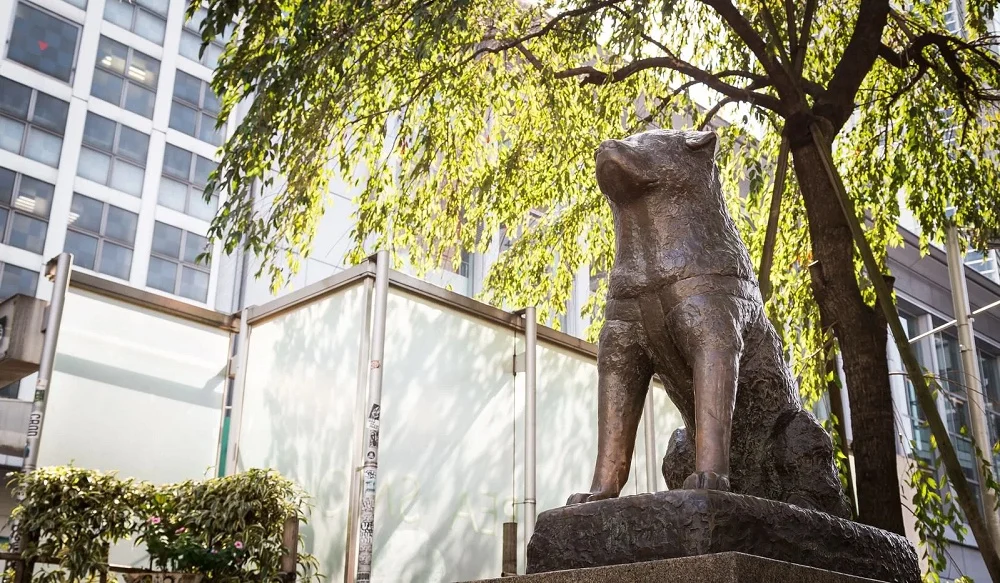
In an incident that has ignited a firestorm of criticism regarding police training and the treatment of foreign residents in Japan, a Nepalese national was wrongfully arrested in the heart of Tokyo’s Shibuya district. The arrest, which occurred on the morning of June 25, 2026, was not the result of criminal activity, but rather a profound failure of law enforcement to recognize updated identification documents issued by the Japanese government.
The incident highlights a systemic breakdown in communication within the Tokyo Metropolitan Police (TMPD), as officers failed to internalize critical updates regarding the nation’s immigration documentation—updates that had been disseminated by the Immigration Services Agency just days prior.
The Chronology of an Unnecessary Arrest
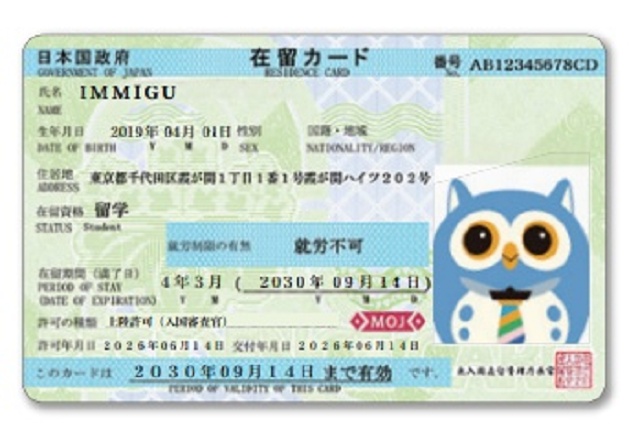
The sequence of events began at approximately 10:10 a.m. on Thursday, in the bustling Hachiko Plaza, one of the most heavily trafficked public spaces in Japan. The man, a Nepalese national in his 20s, was walking through the plaza with a companion when he was intercepted by two patrolling officers.
According to police accounts, the officers initiated a shokumu shitsumon—a standard, albeit controversial, police tactic involving stop-and-question procedures. When asked by investigators why they had targeted this specific individual in such a crowded area, the officers claimed that the man’s behavior appeared suspicious because he had made eye contact with them and subsequently looked down at the ground.
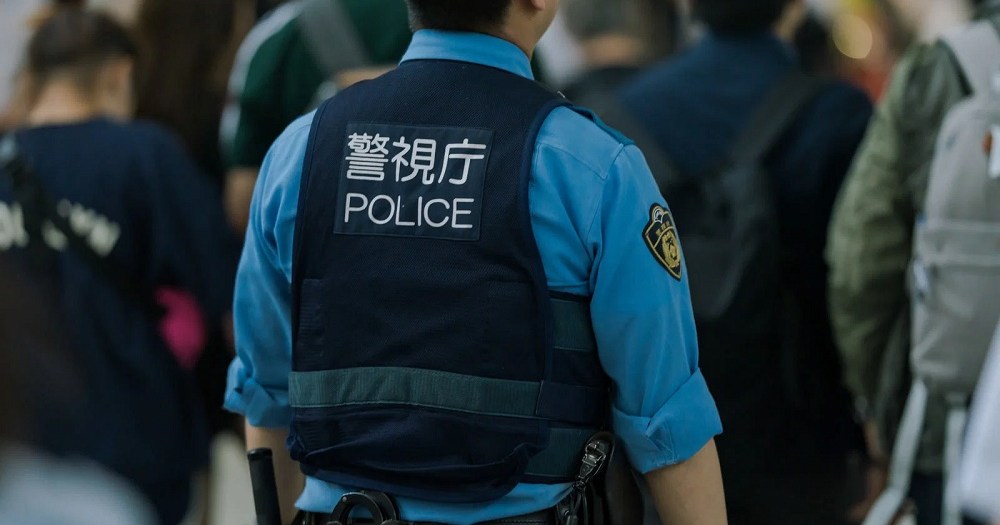
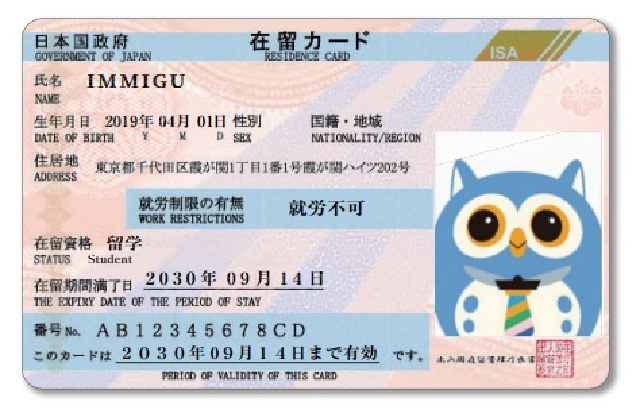
The officers requested identification from both men. The companion provided a standard residence card (zairyu card), which the officers immediately recognized as legitimate. However, when the young Nepalese man presented his card, the officers were confronted with a document they did not recognize. The card featured a distinct pink-and-purple color scheme and a layout that differed from the traditional format they were accustomed to seeing.
Despite the man’s explanation that he had received the card through his workplace just days earlier, the officers dismissed his claims. Believing the document to be a forgery, the patrolmen called for backup. Two detectives arrived at the scene roughly 20 minutes later. Despite the man’s insistence on his legal status, the four officers collectively determined the card was fraudulent and placed him under arrest. He was subsequently transported to the Shibuya Precinct police station.
It was only upon arrival at the station, under the scrutiny of an officer specialized in immigration affairs, that the blunder was identified. The official confirmed that the card was a perfectly valid, government-issued document reflecting the new format introduced on June 14, 2026. The man was released at 11:32 a.m.—roughly one hour after his initial detention—with a formal apology from the department.
Understanding the New Residency Documentation
The confusion stemmed from the Japanese government’s recent rollout of modernized residence cards. As of June 14, 2026, the Immigration Services Agency began issuing two new types of documentation to foreign residents:
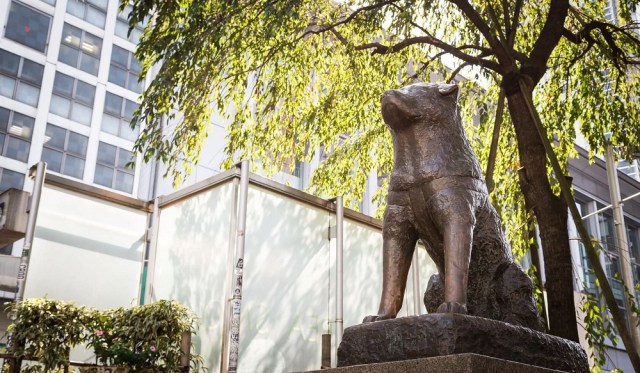
- The Standard Residence Card: A redesigned card featuring updated security features and a new aesthetic layout.
- The Specified Residence Card (Tokutei Zairyu Card): A specialized, integrated ID that merges the traditional residence card with the "My Number" card, which is used for social security, tax, and health insurance verification.
The government implemented these changes to streamline administrative processes and enhance the security of identity verification. However, while the central government had circulated notifications regarding these new designs to local police precincts between June 5 and June 12, it is now clear that this vital information failed to reach the officers on the ground in a meaningful way.
The Controversy of Shokumu Shitsumon
The incident has brought the practice of shokumu shitsumon back into the public eye. While the practice is legally sanctioned as a tool for maintaining public order, it has long been a source of tension between the police and Japan’s growing foreign community.
Critics argue that the practice is often applied in an arbitrary or discriminatory manner, with foreign residents being disproportionately targeted for identity checks compared to Japanese citizens. Because the zairyu card is a mandatory document for all long-term foreign residents, the act of stopping a foreigner to request identification is, in practice, an on-the-spot verification of immigration status.
When police officers are not properly trained to recognize the documents they are demanding, the practice ceases to be a tool for public safety and becomes an instrument of harassment. In this instance, the "suspicious behavior" cited by the police—simply glancing at an officer—highlights the subjective nature of these stops, which many argue leads to frequent, unnecessary friction.
Official Responses and Accountability
The Tokyo Metropolitan Police have been forced to confront the public relations and operational fallout of the arrest. Naotaka Hayakawa, head of the Shibuya Precinct’s General Affairs Division, issued a formal statement shortly after the man’s release.
"We wish to offer our deepest apologies," Hayakawa stated. "We will provide thorough guidance to officers so that this does not happen again."
While the apology addresses the immediate harm caused to the individual, legal experts and civil rights advocates suggest that an apology is insufficient. The case underscores a "trickle-down" failure within the police hierarchy. If the Tokyo Metropolitan Police Headquarters correctly disseminated the information to precincts, then the failure occurred at the precinct management level—a failure to conduct briefings, post updates, or ensure that patrol officers were informed of changes that would directly impact their interactions with the public.
Broader Implications for Foreign Residents
The implications of this incident are far-reaching. For the international community living in Japan, the arrest serves as a reminder of the vulnerability they face when dealing with law enforcement.
1. Training and Professional Standards
The fact that it took four officers to arrest a man, and a fifth to realize the mistake, suggests that the police culture in Shibuya prioritizes suspicion over verification. There is a clear need for a more robust, digitized system of verification. If officers had access to a mobile database to scan the QR codes or chips on these new cards, they could have verified the document’s authenticity in seconds without escalating to an arrest.
2. The "Knowledge Gap"
As Japan continues to open its doors to more foreign workers to combat a shrinking domestic workforce, the frequency of interactions between police and foreign residents will only increase. If the police force cannot keep pace with the administrative changes of the government, such incidents are likely to recur. The "knowledge gap" regarding new documentation is not merely a bureaucratic oversight; it is a threat to the civil liberties of residents.
3. Impact on Public Trust
Public trust is the foundation of effective policing. When innocent individuals are detained in one of the world’s most visible public squares for a mistake caused by police incompetence, it damages the reputation of the force. The international community, as well as the Japanese public, is now demanding greater transparency regarding how police are trained to handle diversity and how they will be held accountable for such egregious errors in the future.
In conclusion, while the Nepalese man has been released, the incident remains a stark example of the dangers of unchecked authority combined with poor communication. For the Tokyo Metropolitan Police, the path forward will require more than just an apology; it necessitates a fundamental reevaluation of how officers are prepared to interact with a modern, diverse society in an era of rapidly changing administrative systems.


 Neng Nana
 Asro
Asro