Pevita Pearce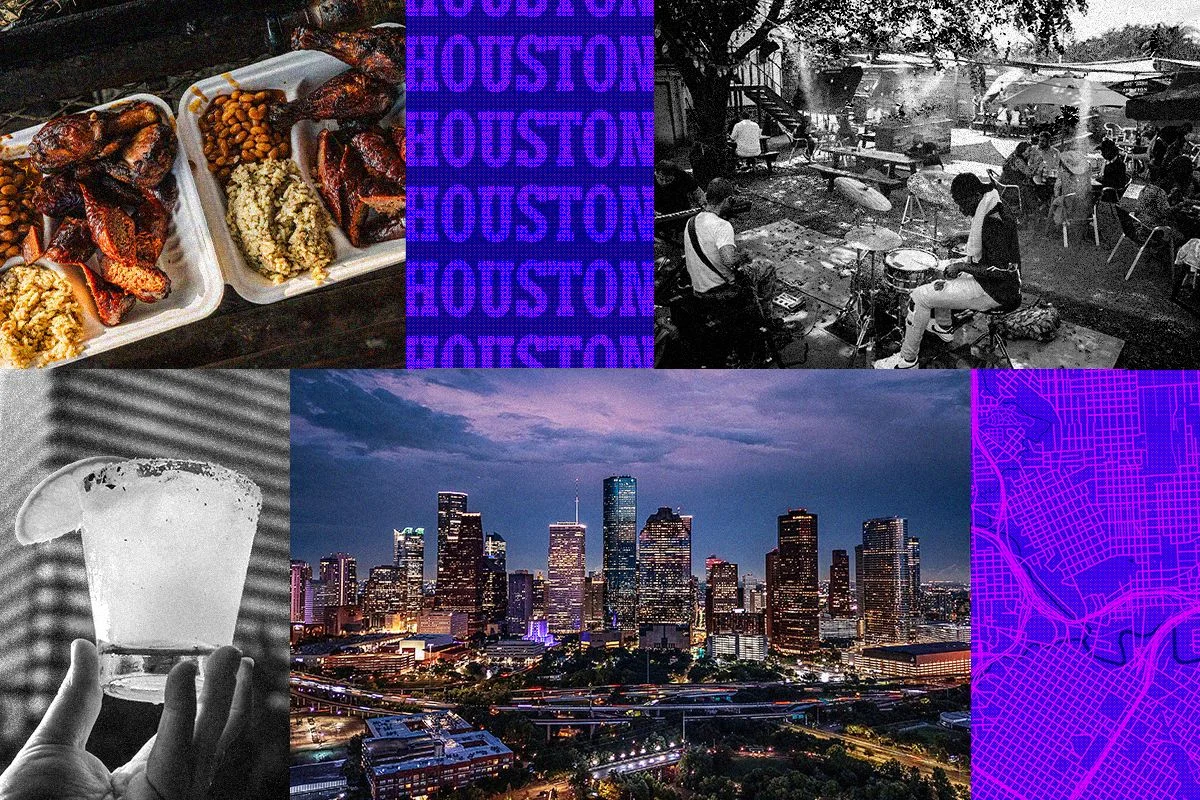
Houston has long worn the mantle of America’s energy capital—a global titan of oil, gas, and petrochemical innovation. Yet, to view the nation’s fourth-largest city solely through the lens of a refinery or a drill bit is to ignore a seismic, decades-long shift. Today, Houston is a sprawling, high-tech, and culturally diverse powerhouse that demands a recalibration of the business traveler’s itinerary. With over 230,000 residents now employed in the tech sector, the "Space City" has effectively evolved into a sophisticated hub where legacy energy giants collide with high-growth startups in logistics, health care, and sustainable energy.

However, the reality of Houston remains a paradox. It is a city of immense geographic scale, a "sweaty, sprawling" metropolis of nearly 8 million people where the lack of formal zoning laws has created a landscape that is as challenging to navigate as it is rewarding to discover.

The Evolution of an Urban Giant: A Brief Chronology
To understand Houston, one must look at the timeline of its transformation:

- The Early Era: Founded in 1836 on the banks of Buffalo Bayou, Houston grew rapidly as a port city, bolstered by the construction of the Houston Ship Channel.
- The Energy Boom: The discovery of oil in the early 20th century transformed the regional economy, establishing Houston as the undisputed center of the global energy industry.
- The Space Age: The establishment of the Manned Spacecraft Center (now the Johnson Space Center) in 1961 cemented the city’s reputation as a center for human spaceflight and engineering.
- The Modern Pivot: Over the last decade, Houston has aggressively diversified. The redevelopment of historic landmarks—such as the POST office building and the establishment of the Ion District—signifies a move toward a tech-forward, innovation-led economy.
Supporting Data: Why Houston Matters
The numbers behind Houston’s transformation are staggering. As the most populous city in Texas, its demographic profile is one of the most diverse in the United States. This diversity is not merely a social statistic; it is the engine of the city’s culinary and cultural vibrancy.

- Economic Breadth: Houston’s economy is anchored by the Texas Medical Center—the world’s largest medical complex—which hosts more than 10 million patient encounters annually.
- Culinary Density: The city boasts roughly 13,000 restaurants, representing the cuisines of over 70 countries and regions.
- Connectivity: George Bush Intercontinental Airport (IAH) serves as a critical transit hub for the Western Hemisphere, making Houston a mandatory gateway for business across Central and South America.
Navigating the Megalopolis: Where to Stay and Work
For the business traveler, logistics are the primary hurdle. Houston’s traffic is legendary, and the city’s sprawl makes "location, location, location" the only rule that matters.

Premier Business Outposts
- The Post Oak Hotel at Uptown Houston: An indie gem owned by Tilman J. Fertitta, this property near the Galleria offers a masterclass in luxury. It is designed for the executive who values efficiency, with in-room fitness equipment and expansive meeting facilities.
- Marriott Marquis (Downtown): Positioned adjacent to the George R. Brown Convention Center, this property features 100,000 square feet of meeting space and the iconic Texas-shaped lazy river—a testament to the city’s flair for the extravagant.
- The Houstonian: Spanning 27 acres in the West Oaks district, this hotel offers a secluded, resort-like atmosphere that once served as the official residence for President George H.W. Bush. Its 125,000-square-foot spa remains the largest in the state.
- Hotel ZaZa (Museum District): A boutique, midcentury-inspired property that provides a quieter, more curated experience near the Menil Collection.
Coworking and Innovation Hubs
For those needing a professional workspace, the city has moved beyond the standard office park:

- POST: Housed in a redeveloped historic post office, this space is a cultural ecosystem. With day passes starting at $25, it offers an environment that blends work with an art museum, concert hall, and rooftop garden.
- The Ion District: Developed in partnership with Rice University, this 16-acre tech park in Midtown is the heart of Houston’s innovation strategy, hosting the nation’s largest climate and sustainable energy incubator.
Official Perspectives: The City’s Strategic Shift
City officials and trade organizations, including the Greater Houston Partnership, emphasize that the city is currently in a "rebranding phase." The official narrative is one of "convergence"—where the traditional strengths of the energy sector provide the capital and infrastructure to support the city’s future in green tech and life sciences. By hosting major trade shows and incentivizing the relocation of corporate headquarters, Houston is positioning itself as a cost-effective, culturally rich alternative to the high-tax, high-cost environments of the West Coast tech hubs.

The Culinary Implication: More Than Just BBQ
One cannot talk about Houston without addressing the food. In a city where a cross-town drive can consume an hour, the dining scene acts as the primary incentive for exploring different neighborhoods.

- Xochi: A James Beard-winning Oaxacan restaurant located downtown that challenges the perception of "Tex-Mex" by focusing on complex, multi-layered moles and indigenous Mexican ingredients.
- Brennan’s of Houston: A 60-year institution that serves as the refined, white-tablecloth ambassador of Creole and Cajun cuisine.
- March: For the high-stakes dinner, March offers a "fussy" and exquisite tasting menu that rotates its focus through different regions of the Mediterranean.
- Feges BBQ: A modern contender in the crowded BBQ field, balancing classic prime brisket with innovative, vegetable-forward sides.
Cultural and Leisure Implications
When the work is done, Houston offers a distinct set of experiences:

- The Museum District: A concentrated cluster of over 20 institutions. The Museum of Fine Arts (MFAH) is a highlight, specifically for its underground tunnels featuring immersive light art.
- Space Center Houston: A pilgrimage site for those interested in the history of NASA. Seeing the Saturn V rocket remains a humbling experience that underscores the scale of human ambition.
- Galveston: For those with a full day of downtime, the Gulf Coast barrier island offers a glimpse into Texas history. Rebuilt after the 1900 hurricane, it is now a hub for fresh seafood and historical architecture.
- The SLAB Culture: Visitors should keep an eye out for Houston’s unique automotive subculture. "Slow, Loud, and Bangin’" (SLAB) cars—often vintage Cadillacs or Buicks fitted with protruding "Swanga" wheels—are a vibrant, rolling expression of local identity.
Conclusion: A City of Layers
Houston is not a city you "see" in a weekend; it is a city you experience in layers. It requires a willingness to navigate its humidity, its traffic, and its sheer size. However, for the traveler who looks beyond the airport terminal or the downtown high-rise, Houston reveals itself to be a place of immense professional opportunity and, perhaps more surprisingly, one of the most exciting culinary and cultural landscapes in the United States. Whether you are there to close a deal on a renewable energy project or to sample the best Vietnamese crawfish in the country, Houston rewards the curious.

 Neng Nana
 Sagoh
Sagoh