

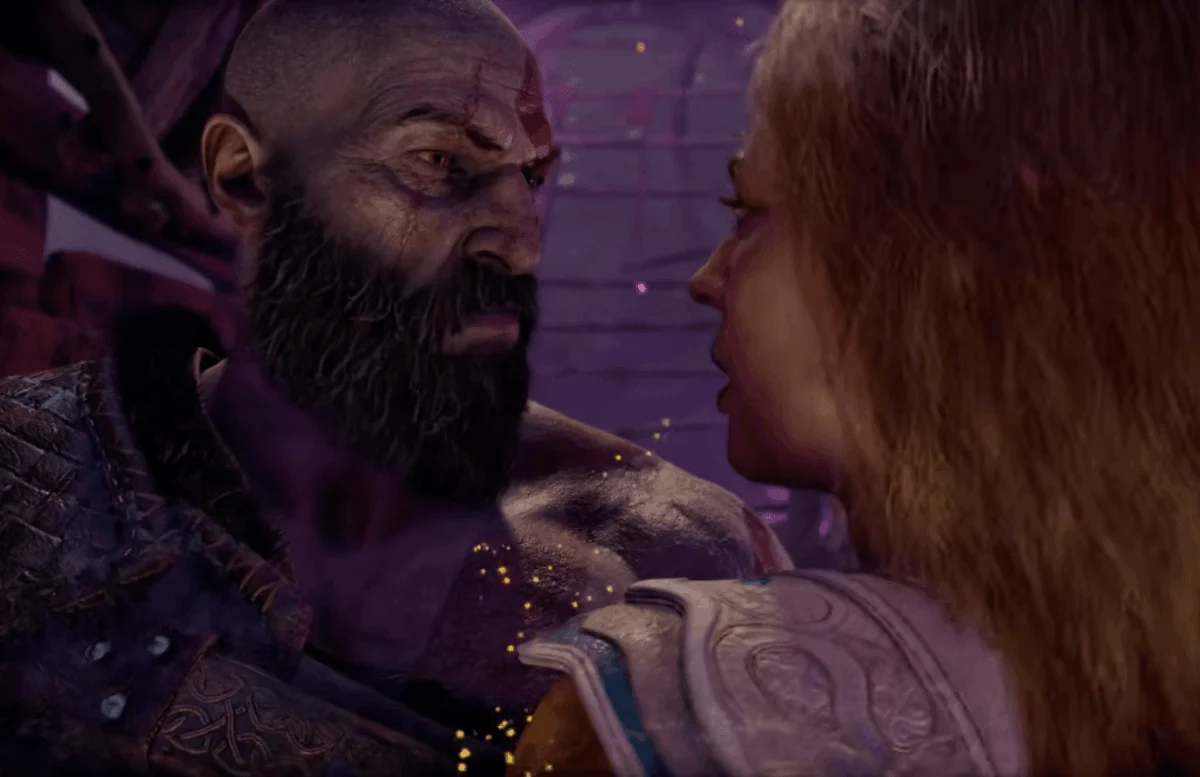
For many enthusiasts, the passing of the Electronic Entertainment Expo (E3) left a void in the industry that felt impossible to fill. E3 was more than just a trade show; it was the rhythmic heartbeat of the gaming world—a centralized week of spectacle where the industry gathered to align its vision, showcase the future, and compete for the collective imagination of millions. Since its dissolution, the gaming landscape has felt somewhat fragmented, a collection of disconnected digital events lacking the "Super Bowl" gravitas that defined a generation.
However, if the June 2 State of Play is any indication, the spirit of E3 hasn’t vanished—it has simply evolved. Sony’s latest broadcast didn’t just offer a list of trailers; it delivered a masterclass in pacing, transparency, and consumer-focused marketing. By eschewing the industry trend of announcing projects years before they are playable, Sony reminded us why we fell in love with console gaming in the first place, setting a towering benchmark for the remainder of the summer season.
The State of Play: A Breakdown of the Event
The June 2 presentation was a powerhouse display of breadth and depth. Across a brisk but packed runtime, Sony showcased two dozen titles ranging from first-party heavy hitters to experimental indie projects. The diversity in art style, genre, and development pedigree was palpable, creating an atmosphere of genuine discovery.
Key highlights included the highly anticipated Wolverine, the haunting atmosphere of Silent Hill: Townfall, the high-octane intrigue of Marathon: Nightfall, and a surprising look at the Tomb Raider: Legacy of Atlantis revival. Whether one leans toward the gritty, cinematic storytelling of God of War: Laufey or the niche appeal of titles like Gitaroo Man, the message was clear: PlayStation is aggressively courting every segment of its diverse player base.
The Strategy: Transparency and Release Velocity
The most striking element of the show was the shift in communication strategy. In an era where "Coming Soon" has become a euphemism for "we have no idea," Sony took a refreshing approach: nearly every title announced came with a firm release date or, at the very least, a definitive, near-future release window.
Of the 24 games featured, only four were relegated to the nebulous "in development" category. This is a massive victory for consumer trust. Nothing drains the excitement out of a reveal faster than a multi-year wait, during which interest wanes and expectations become distorted. By focusing on games arriving within the current fiscal year, Sony ensured that the hype generated by the event would translate directly into engagement.
Prioritizing Gameplay Over Cinematic Fluff
Perhaps the most egregious sin of modern game marketing is the "vertical slice" trailer—gorgeous, pre-rendered cinematics that bear no resemblance to the actual gameplay experience. We all remember the 2011 Dead Island reveal, a masterwork of emotional storytelling that ultimately misrepresented the final product.
Sony’s State of Play seemingly learned this lesson. The presentation leaned heavily into actual, fluid gameplay footage. Seeing Wolverine and God of War: Laufey in motion wasn’t just about showing off graphics; it was about demonstrating the feel, the mechanics, and the actual player experience. This transparency is vital in a market where hardware prices are rising and consumers are becoming increasingly discerning about where they invest their time and money.
The Critical Lens: Where the Show Faltered
Despite the success of the presentation, it was not without its blind spots. While the "games, games, games" mantra was fulfilled, the type of games revealed raised some questions regarding the industry’s long-term health.
The Remake Fatigue
There is a fine line between paying homage to the past and relying on it as a crutch. The show was heavy on remakes and reboots, including Rayman Legends: Retold, Dynasty Warriors 3, and Onimusha: Way of the Sword. While these titles undeniably look fantastic, they highlight a growing trend: the industry is becoming increasingly obsessed with its own back catalog.

If the industry continues to prioritize the refinement of 15-year-old concepts over the cultivation of new intellectual properties (IPs), we face a stagnation of the medium. We need the next God of War or The Last of Us, not just the next polished version of a legacy title. While Kemuri, The Lost Wild, and Ill provided a much-needed breath of fresh air, they were the exception rather than the rule.
Tonal Monotony
The presentation also skewed heavily toward the "serious." While mature, visceral, and violent games are a cornerstone of the PlayStation brand, the sheer volume of dark, gritty titles created a sense of tonal fatigue. Video games are a "big tent" medium; they are just as capable of lighthearted wonder as they are of dark, psychological torment.
Titles like Bancho the Chef and Stuntman: Hollywood served as vital palate cleansers. Their presence was a reminder that gamers—even those who enjoy intense, blood-soaked epics—crave variety. Moving forward, a more balanced mix of genres and tones would serve Sony well.
The Preservation Dilemma
Perhaps the most disappointing aspect of the show was the treatment of game preservation. As a long-term PlayStation Plus subscriber, it is frustrating to see the catalog of classic titles treated as an afterthought. While the addition of Gitaroo Man, Psi-Ops: The Mindgate Conspiracy, and Onimusha: Dawn of Dreams is welcome, the slow trickle of content feels disconnected from the potential of the service.
Preservation should be a pillar of the PlayStation ecosystem, not a "bone" thrown to legacy fans once a quarter. There is a vast history of gaming that deserves to be accessible, playable, and celebrated with trophy support—not left to languish in legal limbo or server shutdowns.
Implications for the Industry
Sony’s June 2 event serves as a bellwether for the rest of the year. In a climate where hardware costs are at an all-time high, the pressure to deliver quality, accessible content is immense. By keeping the development cycle transparent and focusing on near-term releases, Sony is betting that consumer confidence is built through consistency.
The immediate availability of titles like Marathon: Nightfall and the Onimusha demo shows that Sony is willing to put their money where their mouth is, delivering on the "play now" promise rather than just the "dream later" promise.
Conclusion
Despite the valid criticisms regarding the reliance on remakes and the need for greater tonal diversity, the State of Play was, by all accounts, a knockout. It captured a sense of urgency and excitement that has been missing for some time.
The bar has been set incredibly high for the rest of the summer’s announcements. If other publishers and platform holders want to compete for the hearts and minds of gamers, they would do well to follow Sony’s lead: show us the gameplay, tell us when we can play it, and focus on the games that define the medium today, rather than just the ones that defined it yesterday. It is a great time to be a PlayStation gamer, and if this momentum continues, the rest of the year promises to be a landmark period for the industry.









No comments yet. Be the first to join the conversation!