

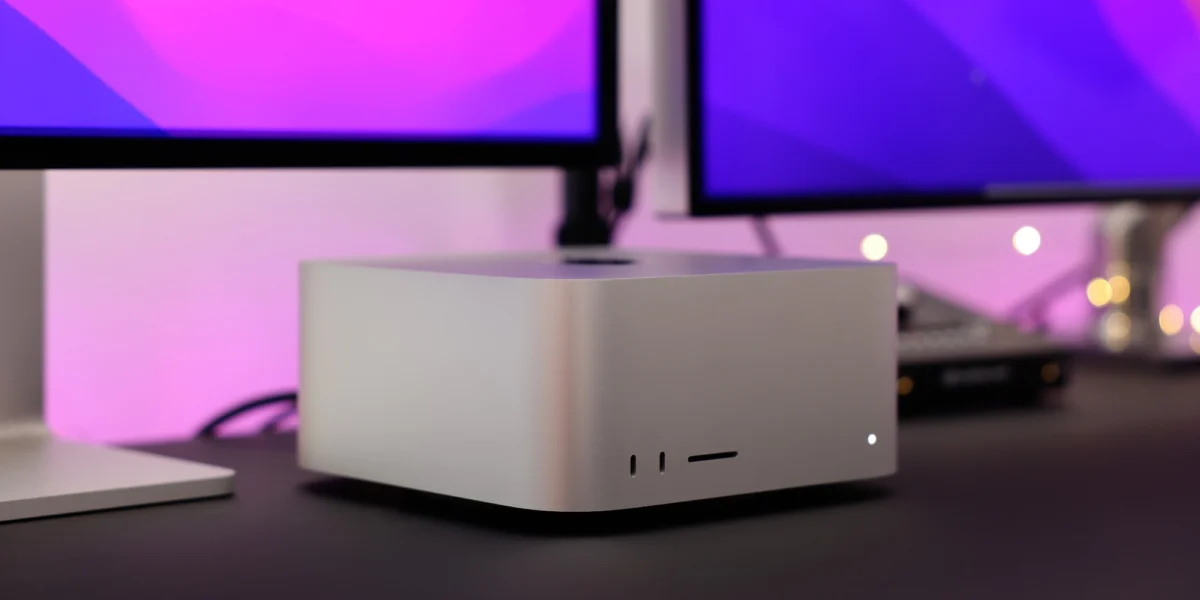
For creative professionals, developers, and data scientists, the Mac Studio has become the bedrock of the modern high-performance workspace. However, the last year has been defined by frustration: supply chain bottlenecks, a stagnant chip architecture, and the sting of recent across-the-board price hikes. As Apple navigates the complexities of the AI-driven hardware era, a clearer picture of the Mac Studio’s future is finally emerging.
According to industry reports and insights from Bloomberg’s Mark Gurman, Apple is preparing to break the current cycle of stagnation with an M5-series refresh later this year, followed by a more substantial thermal and architectural evolution in 2028.
Main Facts: The M5 Refresh and the Path to 2028
The current state of the Mac Studio is, by Apple’s high standards, uncharacteristically dated. The machines currently shipping rely on the M4 Max and M3 Ultra architectures, leaving power users at the top end of the performance spectrum waiting for a significant leap.
The upcoming refresh, expected to launch before the end of the year, will be defined primarily by the transition to the M5 Max and M5 Ultra silicon. This upgrade is intended to restore the Mac Studio’s status as a top-tier workstation. Crucially, this year’s update is expected to focus exclusively on internal chip architecture rather than a chassis redesign.

Looking further into the future, the roadmap suggests that 2028 will serve as a pivotal year for the product line. Apple is reportedly bypassing the M6 family for its high-end workstation chips—skipping the M6 Pro, Max, and Ultra variants entirely—and moving directly to an M7 Ultra architecture for the Mac Studio. This leap suggests a strategic realignment in how Apple differentiates its "pro-sumer" and enterprise-grade hardware.
Chronology of a Bottleneck
To understand why the impending release is so significant, one must look at the recent history of the Mac Studio’s availability.
- Early 2025: The current Mac Studio iteration debuts with M4 Max and M3 Ultra configurations. While powerful, the disparity between the two chip generations becomes a point of contention for enthusiasts.
- Early to Mid-2026: A perfect storm hits the Mac supply chain. A surge in demand for high-memory configurations, coupled with severe supply shortages, leads to delivery estimates ballooning to 4–5 months for top-tier models.
- June 2026: Apple announces sweeping price increases across its Mac and iPad lineups, further alienating a user base already grappling with hardware that is beginning to show its age compared to the rapidly evolving AI-computing landscape.
- Late 2026 (Projected): The release of the M5 Ultra-equipped Mac Studio. This is expected to alleviate the current performance gap and signal a return to a more predictable update cadence.
- 2028 (Projected): The introduction of the M7 Ultra-powered Mac Studio, featuring enhanced thermal management and potentially the first major design overhaul since the product’s inception.
Supporting Data: Why the Thermal Gap Matters
The core of the recent frustration among power users is not just raw clock speed, but thermal efficiency. As Apple pushes further into on-device AI—a process that requires consistent, high-wattage throughput—the existing chassis design of the Mac Studio is being pushed to its physical limits.
Recent reports indicate that Apple is actively developing internal modifications to the Mac Studio’s thermal architecture, specifically a new, high-performance heatsink. This modification is designed to handle the increased heat dissipation requirements of the upcoming ultra-class chips.
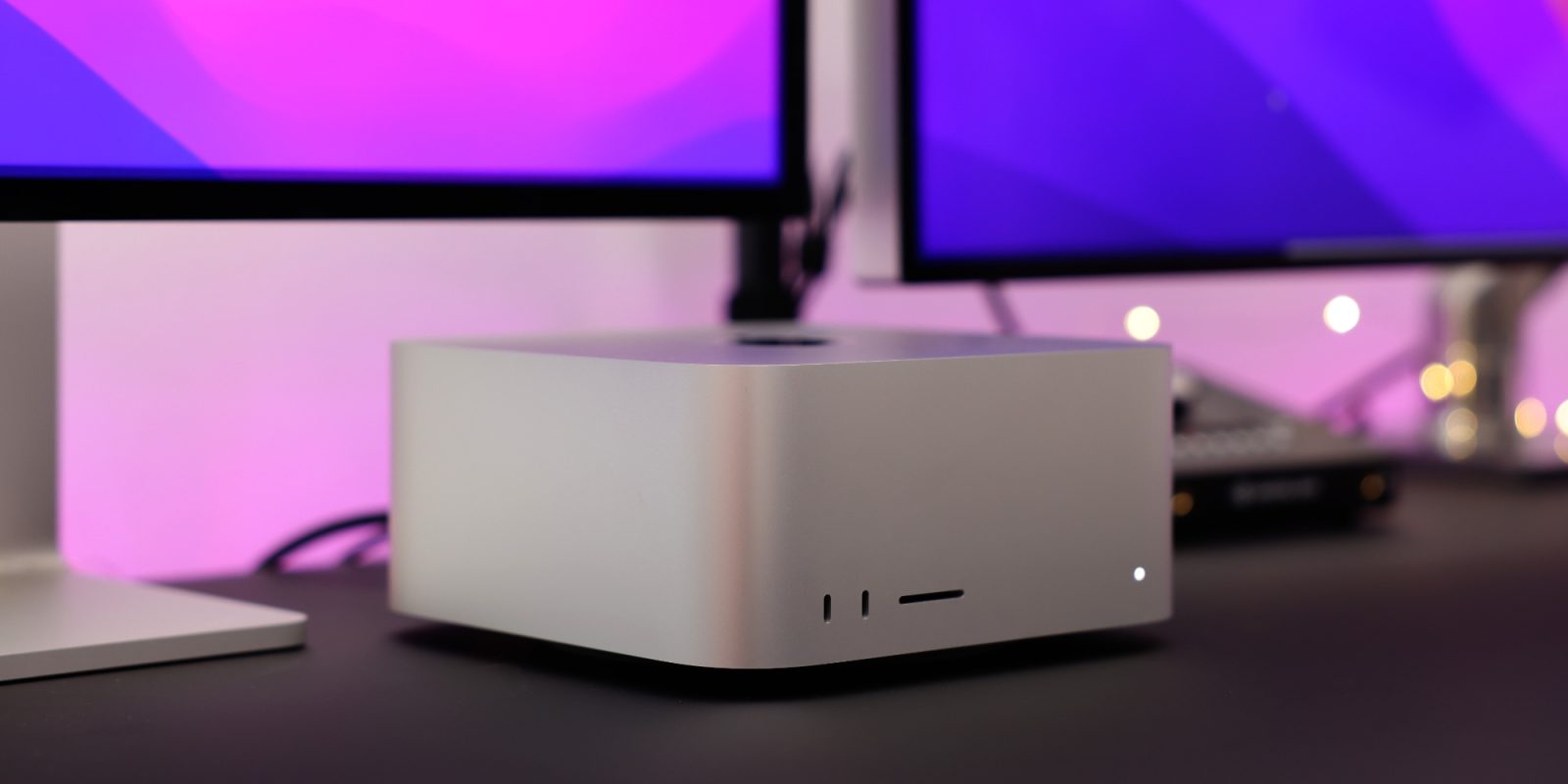
The necessity of this update is underscored by the current market climate. With Apple’s recent decision to drop the 512GB base storage option in favor of higher entry-level capacities, the average cost of entry has risen. Consumers are now paying a premium for a machine that, in its current state, struggles to keep pace with the thermal demands of intensive machine learning tasks. The implementation of an improved cooling system in the 2028 model—or potentially as a late-stage revision to the M5 cycle—will be the deciding factor in whether the Mac Studio remains the preferred choice for professional rendering and AI training.
Official Responses and Industry Context
While Apple has maintained its traditional silence regarding unannounced products, the broader context of the company’s recent communications suggests a shift in priorities. In his latest Power On newsletter, Mark Gurman noted that the decision to skip the M6 high-end chips is a strategic move, likely intended to consolidate R&D resources toward a more significant jump in silicon capability.
By skipping the M6 Pro, Max, and Ultra, Apple is effectively signaling that it prefers to launch revolutionary leaps rather than iterative, incremental improvements for its most demanding users. For the enterprise customer, this creates a "wait-and-see" environment. The company’s recent price adjustments, which have been criticized as a "tax" on the AI era, have placed immense pressure on the Mac Studio to deliver tangible, performance-based value.
Implications for the Creative Professional
What does this mean for the person deciding whether to buy a Mac Studio today?

The Short-Term Dilemma
If you are currently relying on an older Intel-based Mac or an aging M1-series machine, the jump to the M5 Ultra later this year will be significant. The M5 architecture, built on the latest lithography, will offer massive gains in both neural engine performance and unified memory throughput. However, the price point will be higher than ever before. Prospective buyers must weigh the immediate need for productivity against the higher cost of entry that characterizes the post-2026 market.
The Long-Term Outlook
For those whose workflows can sustain another 18 to 24 months, the 2028 horizon is the most attractive. With the transition to the M7 Ultra and a likely redesign, the 2028 Mac Studio represents the most significant platform shift for the desktop since the transition to Apple Silicon. The inclusion of improved thermal management suggests that Apple is planning for a future where the Mac Studio is not just a secondary computer, but a primary engine for heavy, localized AI model training and complex 3D simulation.
Supply Chain Stability
The most immediate positive implication is the expectation of stabilization. As supply chain constraints ease and the manufacturing process for the M5 series matures, the erratic 4–5 month wait times of early 2026 should dissipate. For businesses that rely on fleet consistency, this return to a more standard procurement cycle is perhaps the most welcome news of all.
Conclusion
The Mac Studio stands at a crossroads. It remains one of the most capable workstations on the market, yet it has been hampered by a lack of supply and an aging chip architecture. The upcoming M5 Ultra refresh is a necessary correction—a bridge to keep the platform competitive. However, the real story lies in 2028. By focusing on thermal efficiency and skipping intermediate chip iterations, Apple is positioning the Mac Studio to handle the next decade of computing demands.

For the professional, the path forward is clear: the current generation is a placeholder, the M5 is a recovery, and the M7 is the future. Whether you choose to invest now or wait for the architectural overhaul of 2028 will depend on how urgently your workflow requires the latest in silicon performance. Regardless of the choice, the Mac Studio remains an essential pillar of the professional Apple ecosystem, even as that ecosystem undergoes its most significant transformation in years.











