

In the rapidly evolving landscape of mobile technology, the cycle of innovation often feels like a treadmill that only moves in one direction: upward. For consumers in 2026, this pressure is particularly acute. A persistent "RAM crisis"—driven by the escalating memory requirements of on-device AI and increasingly bloated software—has triggered a wave of price hikes across the Android ecosystem.
However, a curious trend has emerged alongside these rising costs. Many manufacturers, seemingly unable to push hardware boundaries further without incurring massive R&D losses, have begun releasing devices that offer only marginal, iterative upgrades over their predecessors. Yet, despite the lack of meaningful innovation, the price tags on these new models continue to climb. For the savvy consumer, this creates a unique economic opportunity: in many cases, the most logical choice isn’t the shiny new flagship, but the refined, proven, and significantly more affordable device from the previous year.
The State of the Market: A Chronology of Stagnation
To understand why the "older phone" strategy is gaining traction, one must look at the recent trajectory of major mobile OEMs.
- Early 2025: Manufacturers leaned heavily into AI-integrated hardware, setting a high bar for performance.
- Late 2025: The "RAM crisis" began to materialize. As local large language models (LLMs) became standard, the baseline for "smooth performance" shifted from 8GB to 12GB or even 16GB of RAM, forcing manufacturing costs up.
- Early 2026: The current generation of flagships hit the market. While they showcased slight improvements in display brightness and glass durability, core components—like processors and camera sensors—remained largely static.
- Mid-2026: Consumer sentiment shifted. Reviews began reflecting a "diminishing returns" narrative, where the price-to-performance ratio of new devices plummeted compared to their 2025 counterparts.
This chronology reveals a widening gap between cost and value. By choosing a model from 2025, consumers are often securing nearly identical performance, identical software support lifespans, and, in some cases, superior storage configurations for hundreds of dollars less.
Supporting Data: The Case for the 2025 Holdovers
The following devices illustrate the current market disparity, where the newest model struggles to justify its premium over the previous iteration.
Samsung Galaxy S25 vs. S26
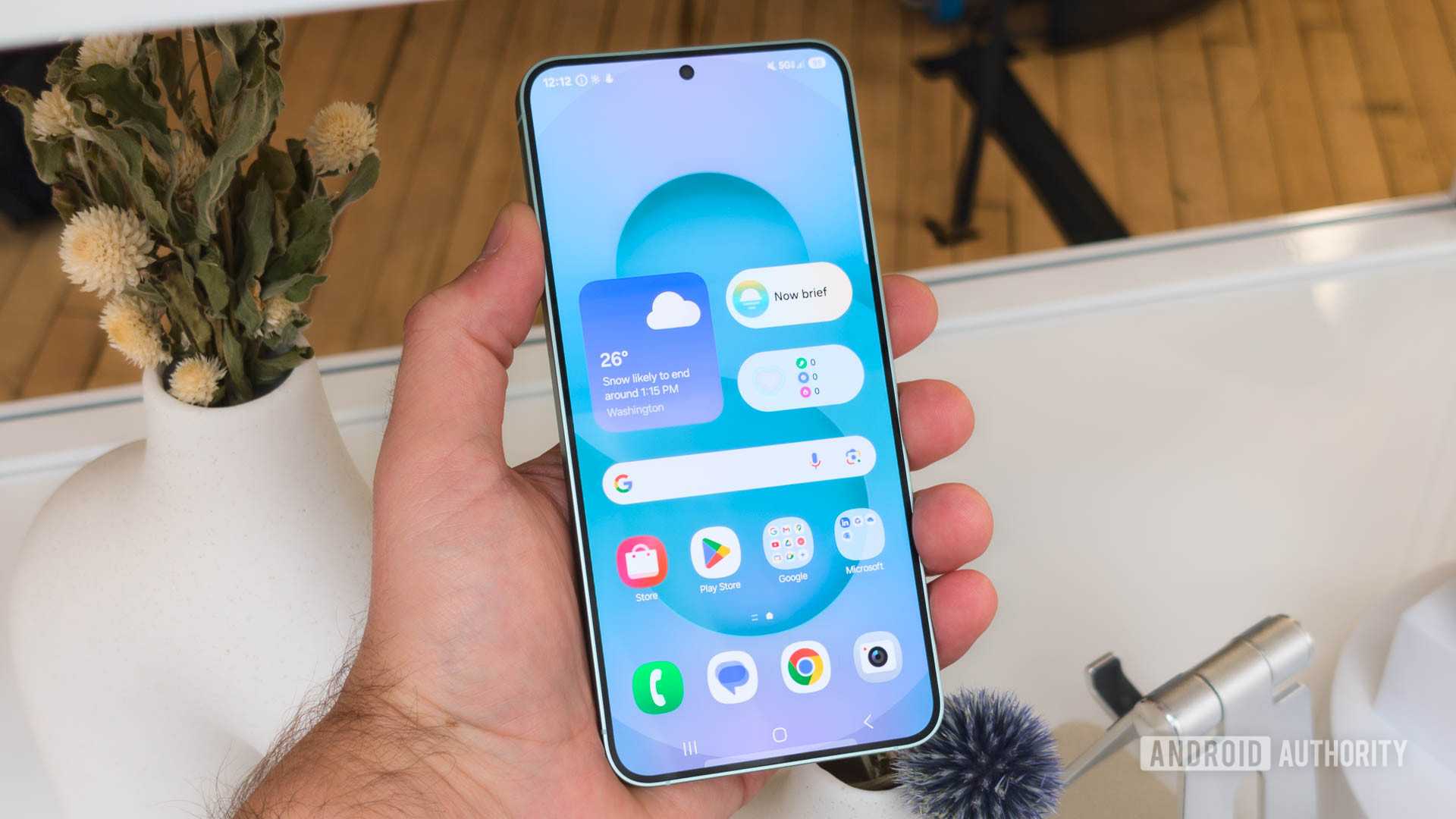
The Galaxy S26 arrived with a price tag of $900, a move largely justified by its shift to 256GB of base storage. However, when compared to the Galaxy S25—which launched at $800 for the 128GB model and $850 for the 256GB version—the value proposition for the S26 falters. You are essentially paying a $50 premium for the same storage, while receiving an experience that is functionally identical. Both devices utilize the high-performance Snapdragon 8 Elite processor, share a camera lineage dating back to the S22, and are tethered to the same 25W charging limitations. With the S25 currently available for as low as $700, the "upgrade" to the S26 feels more like a tax on novelty than an investment in utility.

Motorola Moto G Stylus (2025) vs. 2026
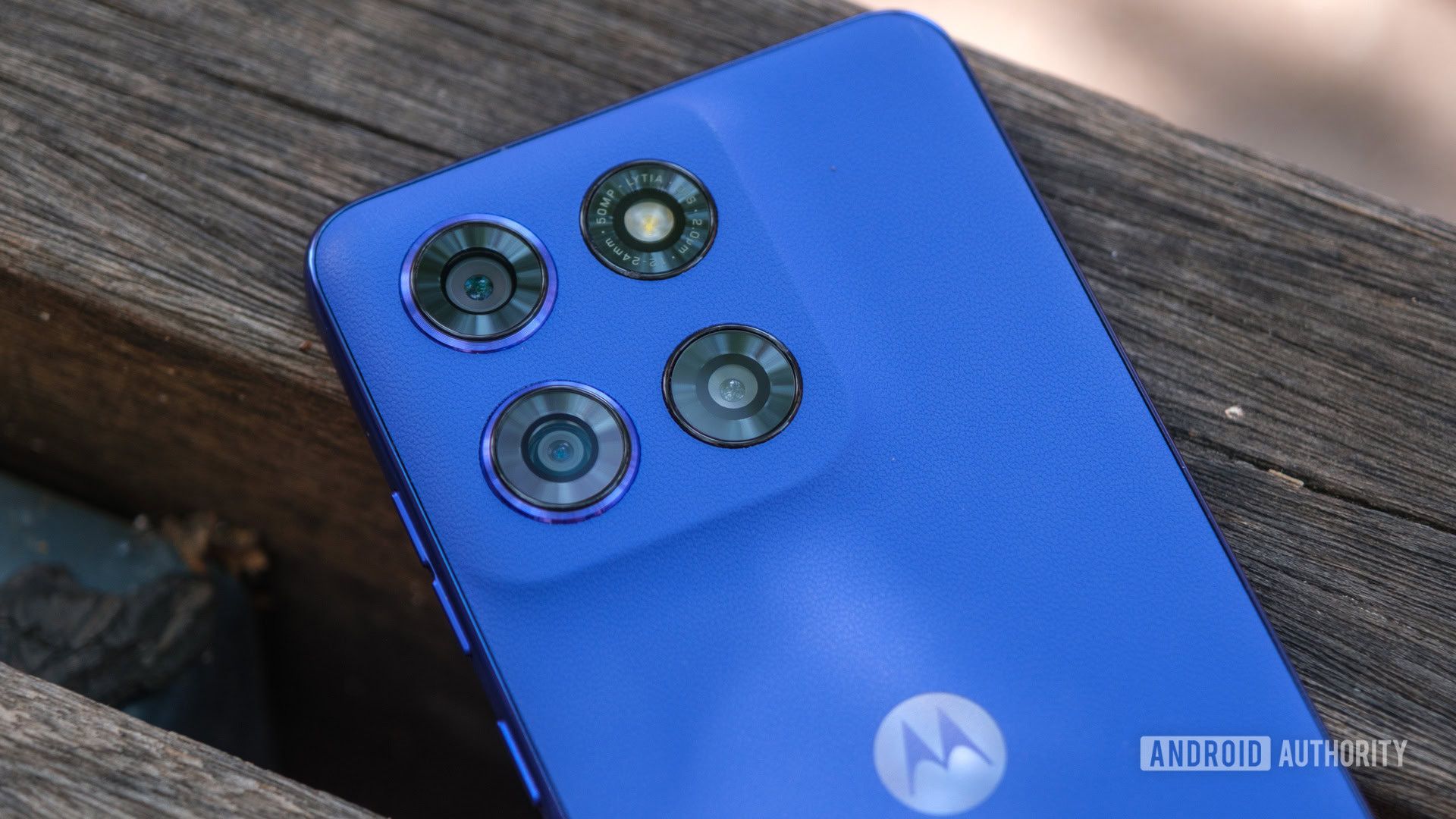
Motorola’s G Stylus line has long been a staple of the budget market, but the 2026 iteration marked a contentious $100 price increase. For that extra capital, users receive a brighter screen and an IP69 rating—features that, while nice, rarely impact the daily experience of a budget-conscious user. The core internals, including the Snapdragon 6 Gen 3 chipset and identical camera hardware, remain untouched. With the 2025 model still widely available at $350, it remains the superior choice for those seeking a functional stylus-equipped device without the unnecessary premium.
The Pixel 9a vs. 10a Dilemma
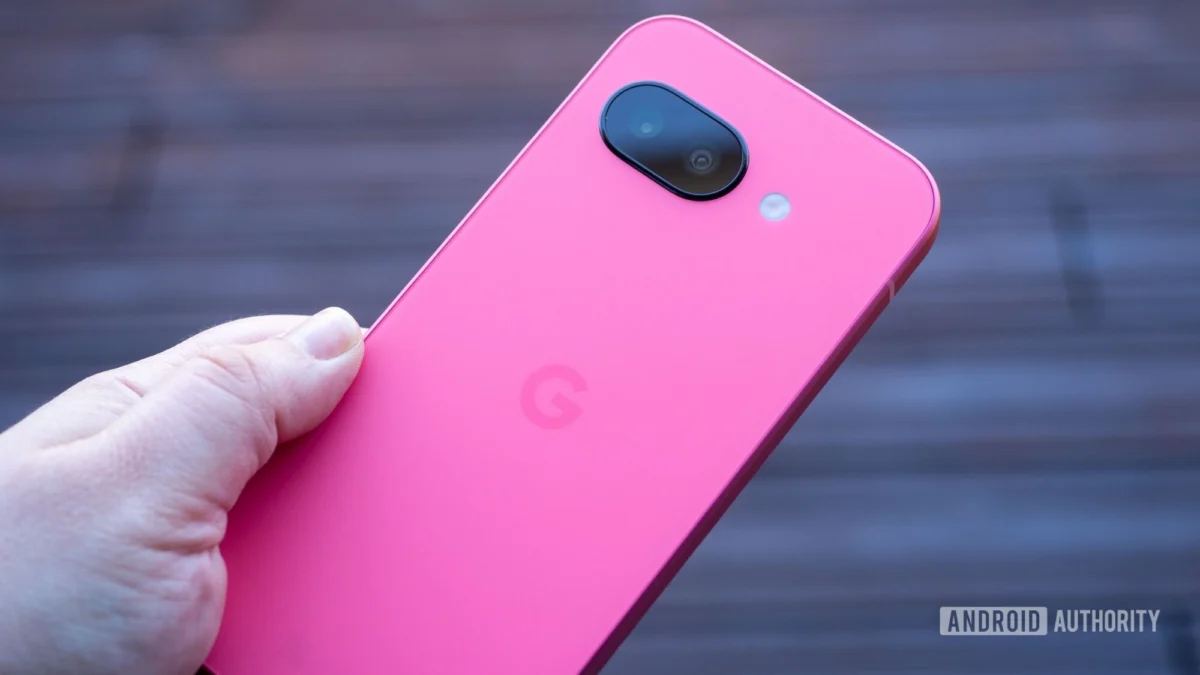
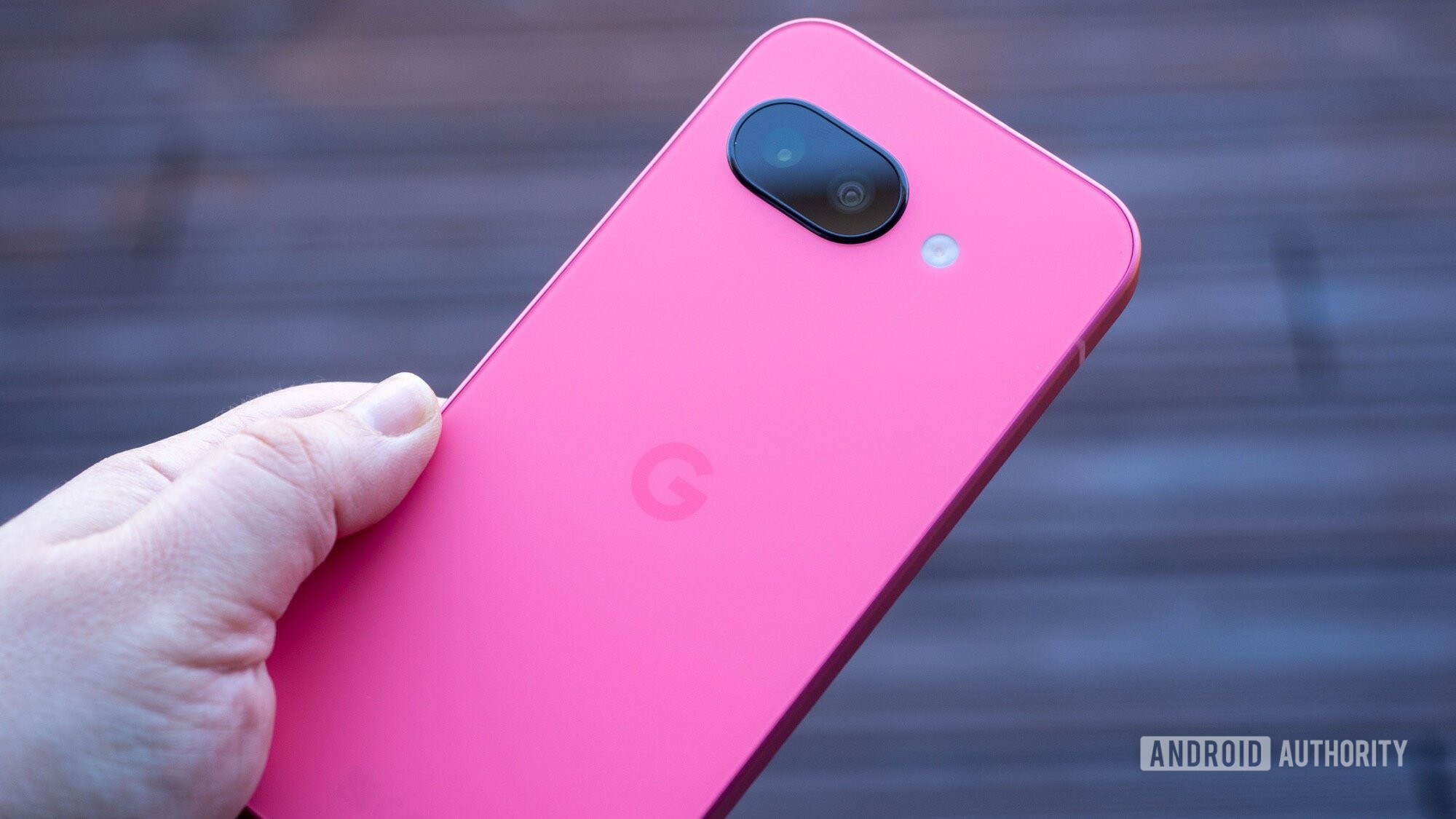
Google’s strategy with the Pixel 10a was lauded for avoiding the RAM-induced price hikes seen elsewhere, keeping it at $500. However, this restraint came at the cost of innovation. The hardware delta between the Pixel 9a and the 10a is negligible; both share the Tensor G4 processor, 5,100mAh batteries, and nearly identical camera arrays. When you can secure a new Pixel 9a for roughly $440, the decision to opt for the 10a becomes difficult to justify, unless one is absolutely determined to have the latest, minor refinements in display brightness.
Samsung Galaxy A56 5G vs. A57 5G
Perhaps the most egregious example of the "stagnation tax" is the Galaxy A57 5G. Launching at $550, it offers few meaningful improvements over the $500 Galaxy A56. Colleagues in the industry have noted that the A57 fails to address the chipset and secondary camera limitations that plagued the A56, making the price hike feel particularly unearned. With international A56 models currently hovering around $400, the older device is objectively the better value for the mid-range buyer.
Motorola Razr (2025) vs. 2026
Foldables are often marketed as luxury tech, but the 2026 Razr launch highlighted a strange regression. The new model actually saw a reduction in base storage (128GB compared to the 2025 model’s 256GB) despite a $100 price hike. When you factor in that the 2025 model is currently retailing for $599, it offers double the storage of the newer model for significantly less money. Since the chipset and form factor remain consistent, the 2025 Razr is a no-brainer for anyone interested in the folding form factor.

Official Responses and Corporate Stance
Manufacturers have largely defended these price increases by citing the "AI tax." In briefings, spokespeople from firms like Samsung and Motorola have pointed to the rising costs of NPU (Neural Processing Unit) integration and the licensing fees associated with advanced generative AI features.
However, industry analysts suggest that these companies are also grappling with supply chain inflation and a cooling market. By keeping R&D spending low and recycling chassis and camera modules, OEMs are attempting to protect their margins against a global decline in smartphone shipments. The official stance is that consumers are paying for "future-proofing," but the hardware reality suggests that the future they are paying for is nearly indistinguishable from the past.
Implications for the Consumer
What does this mean for your wallet? The implications are twofold:
- The End of the "Incremental Upgrade" Era: For years, consumers were conditioned to upgrade every two years. Today, the pace of hardware innovation has slowed to the point where a three- or four-year cycle is now the standard for a noticeable experience improvement.
- The Rise of the Secondary Market: Buying last year’s flagship is no longer a compromise; it is an intelligent financial strategy. By skipping the launch window, you avoid the "early adopter tax," bypass the initial software bugs that often plague new releases, and gain access to a device that has been thoroughly vetted by the community.
Conclusion: Making the Right Choice in 2026
The smartphone market in 2026 is defined by a paradox: technology has never been more powerful, yet it has rarely felt less "new." While the allure of the latest release is strong, the data is clear. Whether it is the storage advantages of the 2025 Motorola Razr or the price-to-performance dominance of the Samsung Galaxy S25, the most prudent path is often to look backward.

Before you commit to a pre-order, ask yourself: does the new device offer a feature that will fundamentally change how I use my phone, or am I simply paying for a different model number? In most cases, the answer will lead you straight back to the previous generation—where your money goes further, and your experience remains just as premium.











