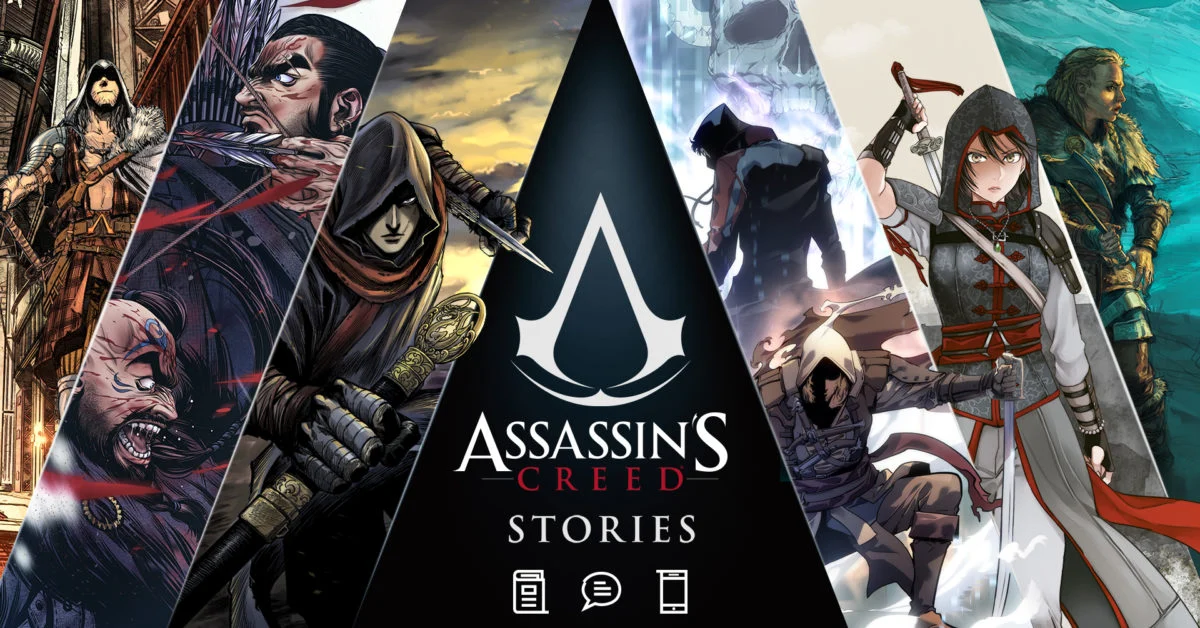
The Assassin’s Creed franchise, a titan of the gaming industry since its inception in 2007, is undergoing a profound metamorphosis. While the series has long been defined by its immersive open-world titles and high-fidelity historical simulations, Ubisoft is now pivoting toward a comprehensive "transmedia universe" strategy. By aggressively expanding into literature, graphic novels, manhuas, webtoons, and immersive audio experiences, the publisher is signaling a clear intent to move the Brotherhood beyond the confines of the controller.
This ambitious roadmap, detailed by Ubisoft’s publishing division, aims to weave a more intricate tapestry of lore, allowing fans to explore the centuries-old struggle between the Assassins and the Templars through diverse narrative lenses.
The Core Philosophy: A Three-Pillar Strategy
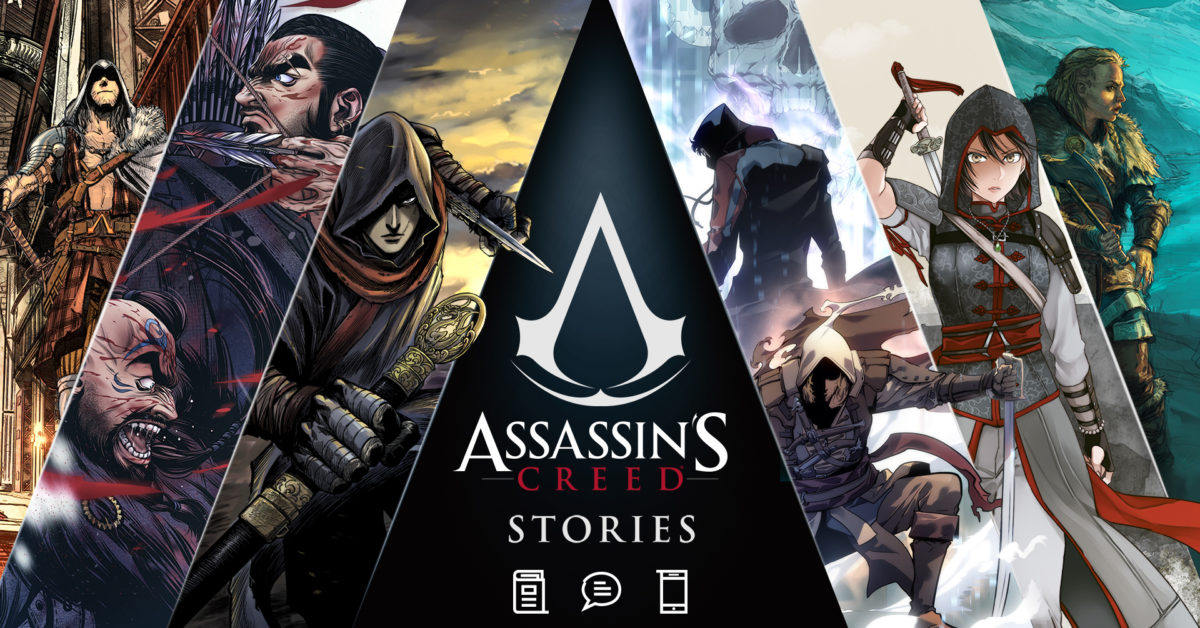
To organize this sprawling expansion, Ubisoft has categorized its upcoming publications into three distinct tiers. This taxonomy is designed to help fans navigate the lore while ensuring that every new piece of media feels essential to the overarching canon.
- Classics: These represent direct adaptations and expansions of the existing video game narratives, providing deeper insights into the missions and motivations already established on consoles.
- Chronicles: These works focus on established, fan-favorite Assassins, filling in the gaps between their known exploits and offering "side-story" adventures that flesh out their personal histories.
- Originals: Perhaps the most exciting pillar, this category introduces entirely new protagonists, novel historical eras, and fresh geographic settings that have yet to be touched by the mainline game series.
A Global Narrative Approach
The expansion is not merely a quantitative increase in content; it is a qualitative shift in how Ubisoft sources its stories. By forging strategic partnerships with creators in China, Japan, and Korea, the company is aiming for a "global vision, local approach."
"We are all consumers of stories," explains Etienne Bouvier, Publishing Content Manager at Ubisoft. "With this global vision and local approach, we seek to offer our fans new content in formats they are familiar with, and with stories that are rooted in their cultural background and their history."
This strategy ensures that when a reader in Asia picks up an Assassin’s Creed manhua or webtoon, the storytelling sensibilities, art style, and cultural nuance feel authentic to their region, while still functioning as a seamless part of the global Assassin’s Creed brand.
The Upcoming Slate: A Deep Dive into New Media
Ubisoft has provided a comprehensive look at the titles currently in development, showcasing a variety of formats that cater to different segments of the fanbase.
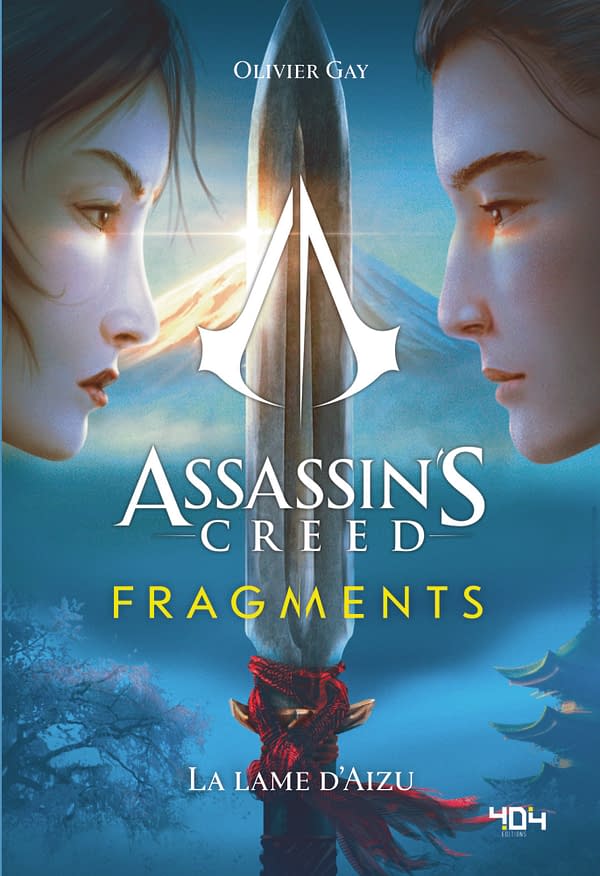
The Fragments Young Adult Trilogy (Originals)
In partnership with the French publishing house Editis, Fragments is an action-adventure historical fiction saga designed for the YA market. The series explores the nature of the relationship between siblings caught in the crossfire of the Assassin-Templar feud. Each volume takes place in a different era and location:
- Volume 1: Set in 19th-century Japan.
- Volume 2: Set in 13th-century Scotland.
- Volume 3: Set in 17th-century France.
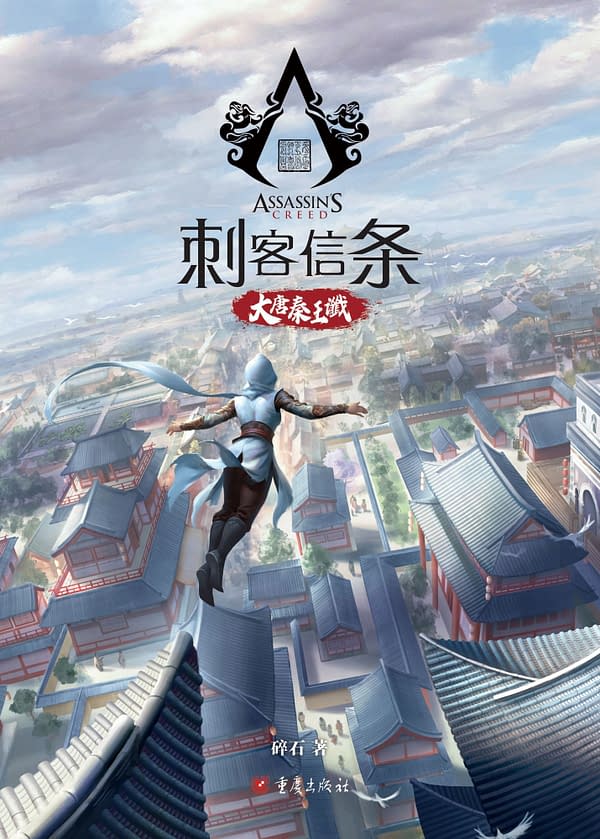
The Jade Seal Collection (Originals)
This collection represents a major commitment to Chinese history. Spanning from the Zhou Dynasty (4th Century BC) to the Ming Dynasty (17th Century), this series of ten novels will feature six acclaimed Chinese authors. It serves as a sprawling exploration of China’s past, introducing new Assassins and Templar antagonists who operate within the complex political landscape of the Middle Kingdom.
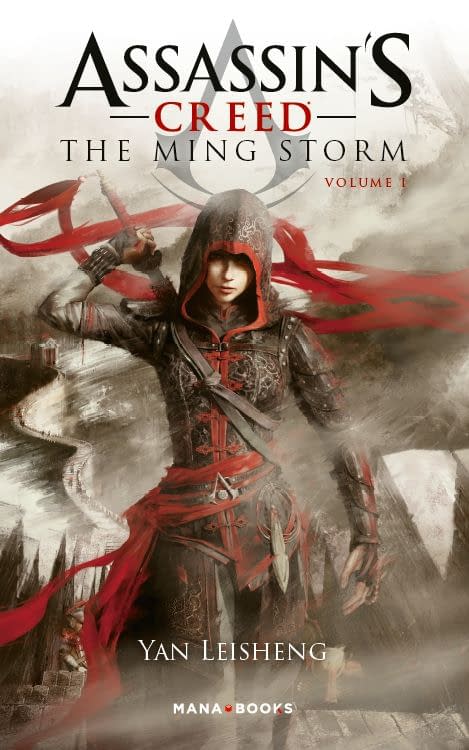
The Ming Storm (Chronicles)
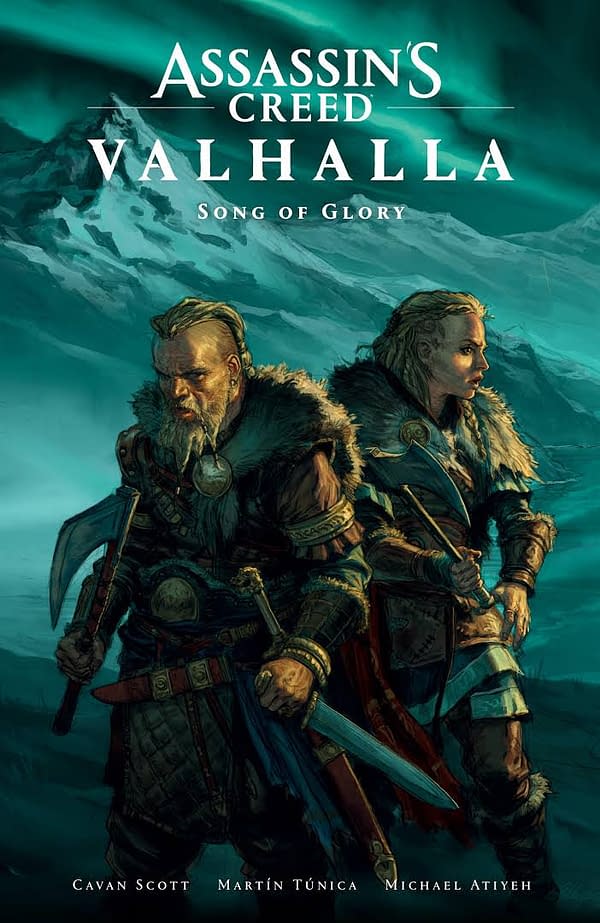
Written by best-selling Chinese author Yan Leisheng, this novel marks the beginning of an action-packed trilogy centered on Shao Jun. For fans of Assassin’s Creed Chronicles: China, this is a vital addition, providing a prose-based deep dive into her journey. Aconyte Books, Ubisoft’s key partner for English prose, is set to lead the international publication, with further Valhalla-themed novels planned for 2022.
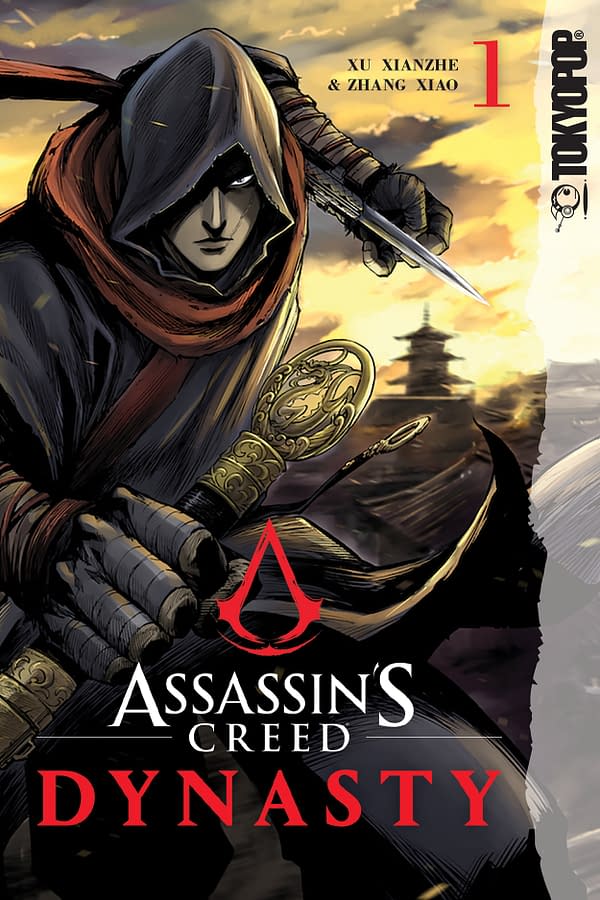
Assassin’s Creed Dynasty (Manhua)
Already a sensation in China, Dynasty has garnered over 150 million views on the Tencent platform. The story follows the Assassin Li E as he fights to save the Tang Dynasty from the throes of civil war. TOKYOPOP is handling the North American release, ensuring that this Wuxia-inspired epic reaches a global audience in both digital and physical formats.
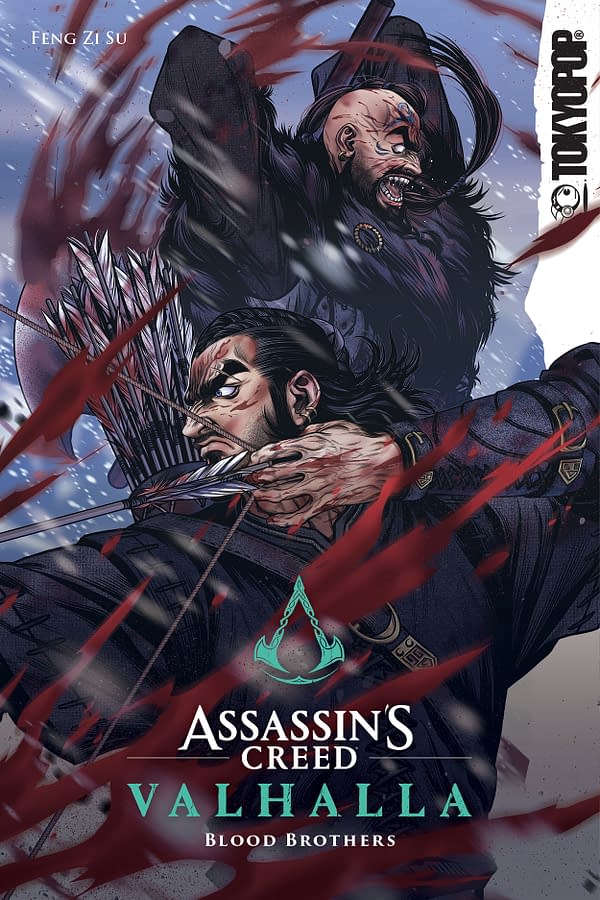
Assassin’s Creed Valhalla: Blood Brothers (Manhua)
Set in the world of the hit game Assassin’s Creed Valhalla, this manhua chronicles the tale of two Viking brothers, providing a prequel narrative that precedes the journey of Eivor the Wolf-Kissed. It offers a grounded look at the Norse culture that defined the recent video game entry.
Digital and Audio Frontiers: Podcasts and Webtoons
Ubisoft is also embracing the digital-first consumption habits of modern audiences.
- Turbulence in the Ming Dynasty (Podcast): Produced by the Chinese platform Ximalaya, this audio drama features a full cast, immersive sound effects, and a cinematic score. It serves as an audio adaptation of the Ming Storm novel, allowing for a more intimate, narrative-driven experience.
- Black Flag Webtoon (Originals): In a move that has delighted fans of the pirate-themed fan-favorite Assassin’s Creed IV: Black Flag, a new webtoon is in development with the Korean studio Redice. This will act as a direct sequel to Edward Kenway’s saga, bridging the gap between his life as a pirate and his later years as a Master Assassin.
Industry Implications: Why Transmedia Matters
The decision to expand Assassin’s Creed into such diverse media is a calculated move to maintain brand relevance in an era of content saturation. By moving away from a "game-only" release cycle, Ubisoft creates a "persistent narrative state." Fans no longer have to wait two or three years for the next major title to stay engaged with the lore.
Furthermore, this strategy mitigates the risks associated with the high-budget development cycles of modern AAA games. A novel or a podcast requires significantly less capital to produce than an open-world RPG, allowing the company to experiment with niche historical periods or experimental storytelling techniques that might be considered too risky for a $100 million game project.
The Role of External Collaborators
The involvement of industry-recognized authors and illustrators, such as Yan Leisheng, is a testament to Ubisoft’s desire to move beyond "branded merchandise" and toward "literary value." Aymar Azaïzia, Transmedia Director at Ubisoft Montreal, notes: "It’s a great creative opportunity to publish a work that is relevant to the genre in question and produced by authors or illustrators who are recognized in their field."

By empowering creators who are experts in their respective mediums—whether it be the pacing of a webtoon, the structure of a YA novel, or the soundscape of an audio drama—Ubisoft is effectively diversifying the Assassin’s Creed identity.
Looking Ahead: A New Standard for Gaming IP
The Assassin’s Creed franchise has always been about "history as a playground." By inviting novelists, comic book artists, and podcasters into that playground, Ubisoft is proving that the concept of the "hidden blade" is no longer just a mechanic for gameplay; it is a thematic anchor for a massive, multi-platform narrative universe.
As the lines between gaming, literature, and digital media continue to blur, Ubisoft’s approach may well become the gold standard for how legacy gaming franchises should operate in the future. For the fans, the result is clear: the history of the Assassins is becoming far larger, more detailed, and more accessible than ever before. Whether you prefer the tactile feel of a paperback, the scrolling convenience of a webtoon, or the immersive depth of an audio drama, the Assassin’s Creed universe is ready to meet you there.
For the latest updates on release schedules and to explore the full library of upcoming works, fans are encouraged to monitor the official Assassin’s Creed stories portal. With such a robust pipeline of content, the Creed is not just surviving—it is evolving.