Nana Muazin
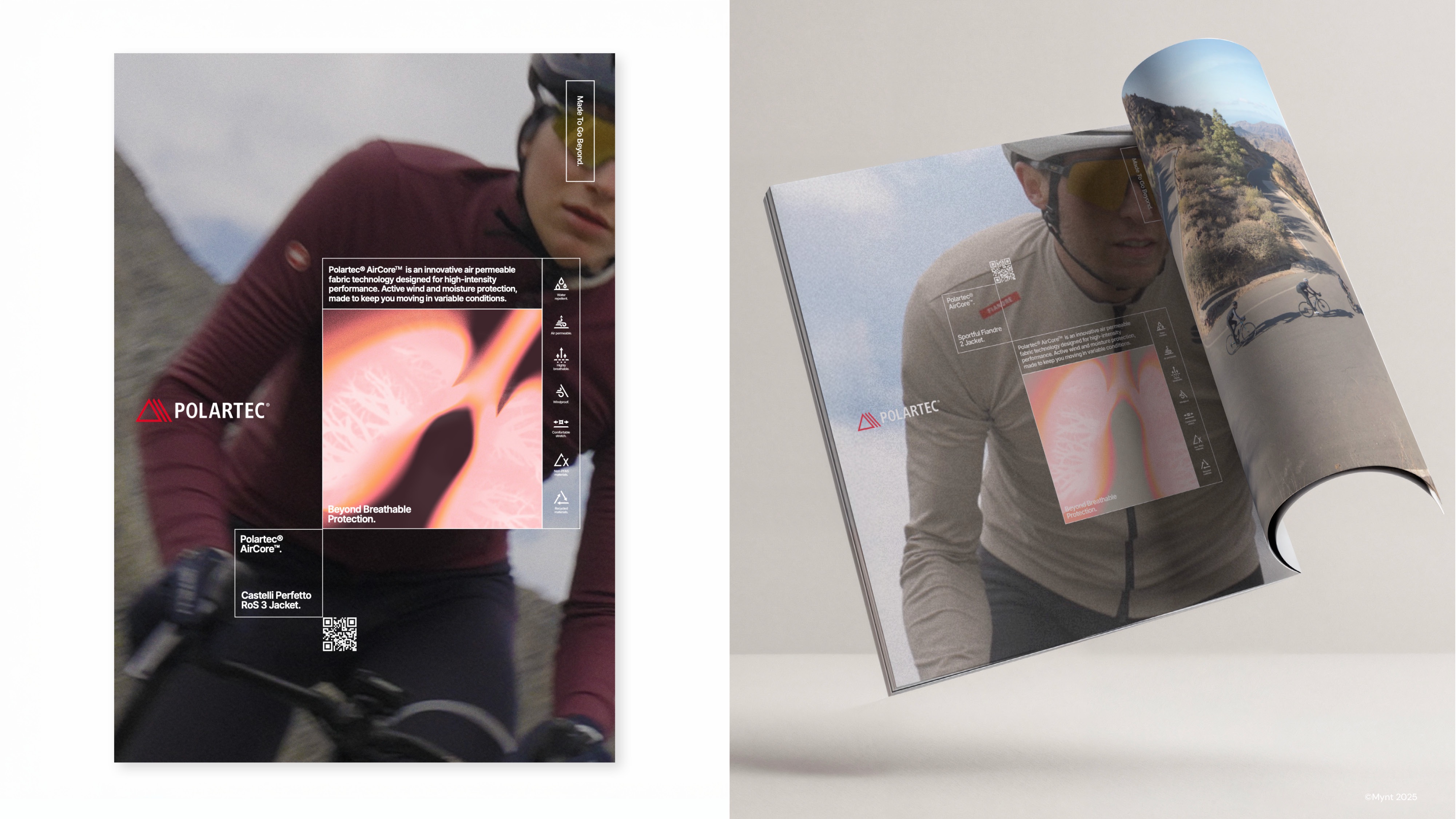
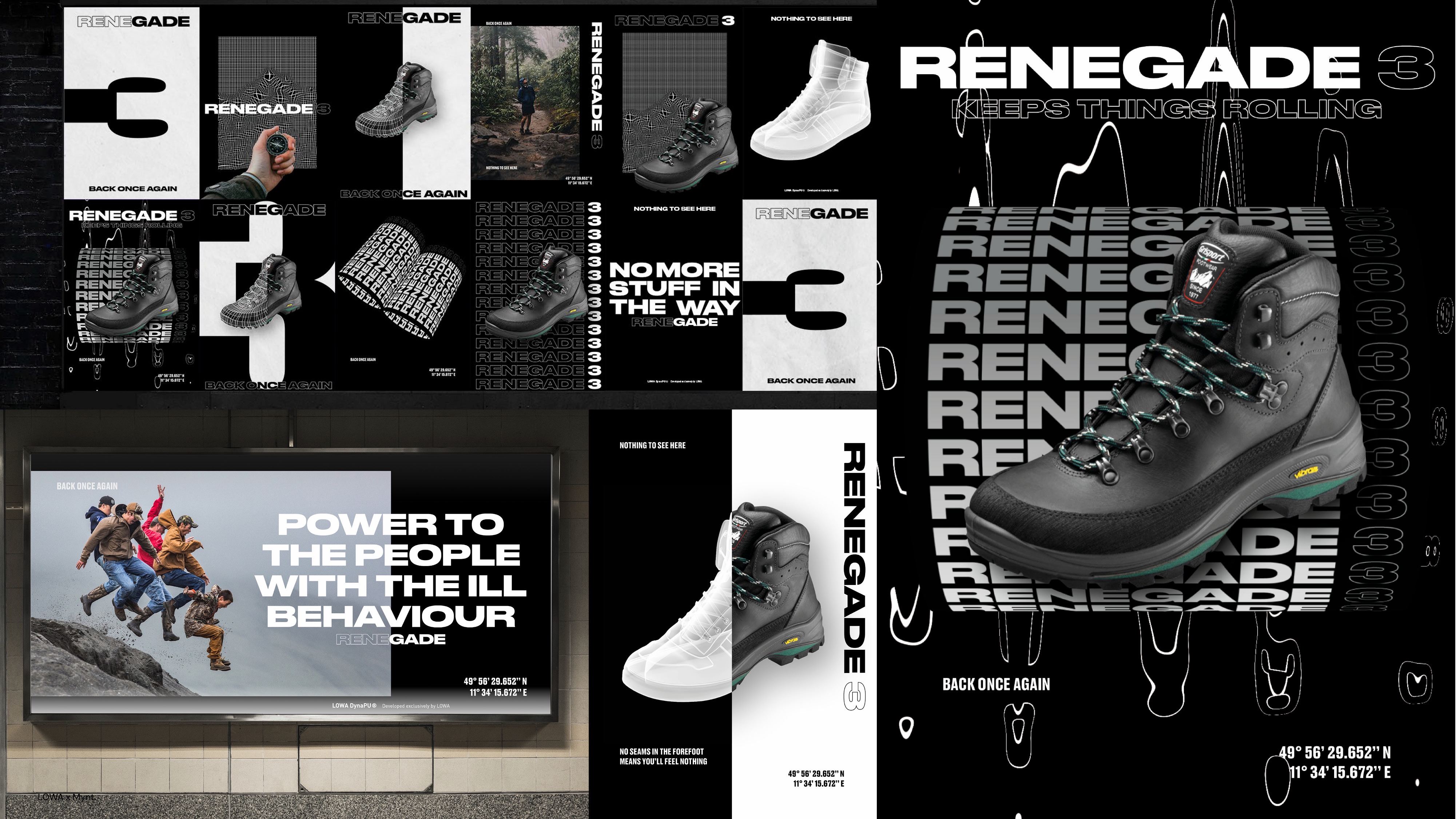
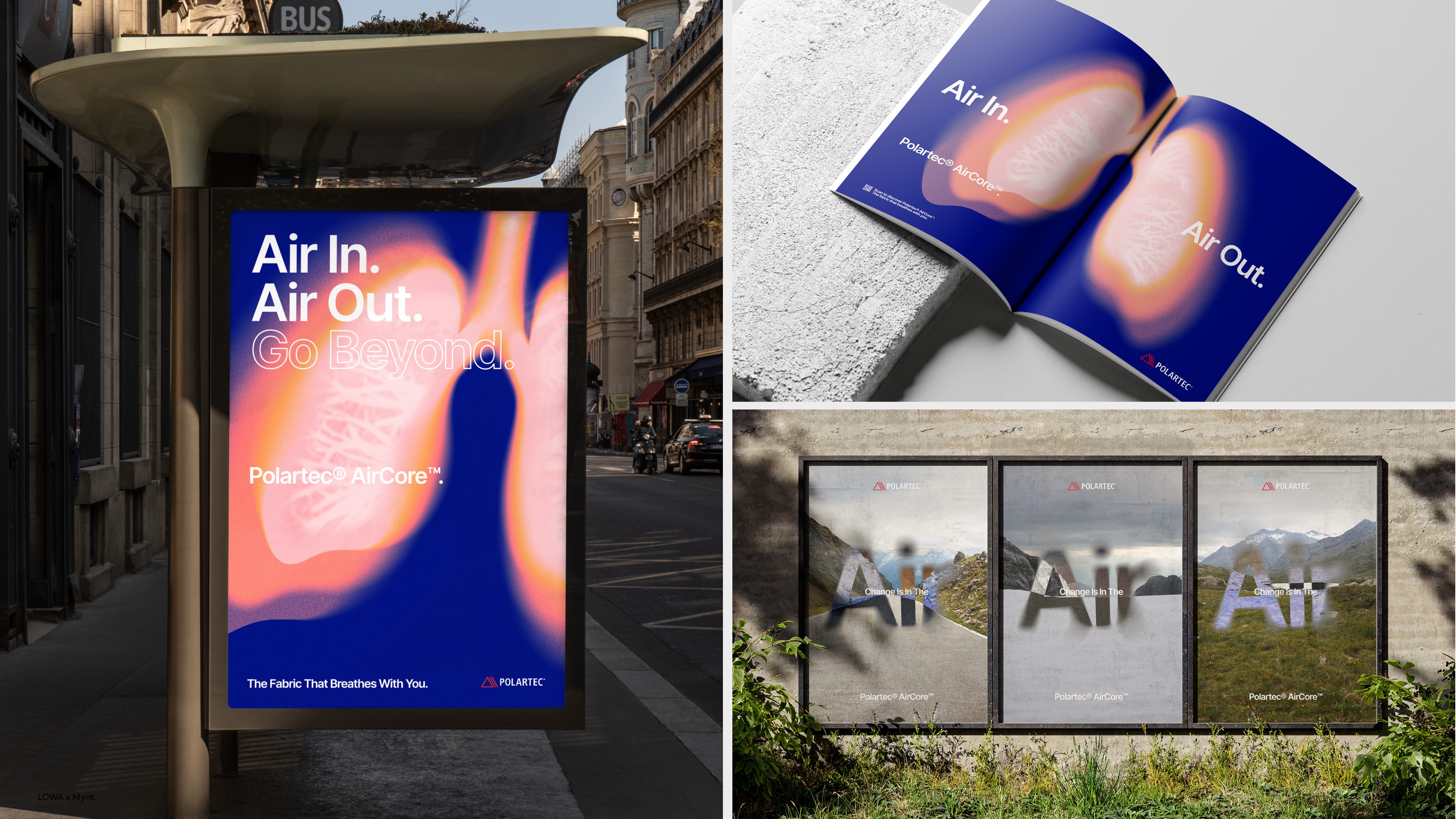
In the competitive, fast-paced world of creative agencies, few have managed to bridge the gap between rigorous strategic analysis and high-octane creative execution as effectively as Mynt. Based in Leicester, the independently owned agency has evolved from humble beginnings in a residential dining room into a powerhouse player, delivering campaigns for global heavyweights such as Nike, Salomon, and Umbro.
At the helm of this transformation is Ollie Patterson, the Managing Director and Partner at Mynt. Patterson’s philosophy is rooted in the belief that true creative impact is only possible when you understand the "why" behind the "what." By obsessively studying the motivations, behaviors, and emotional drivers that dictate consumer decision-making, Patterson has carved out a niche for Mynt in an increasingly saturated market. As part of our 5 Questions series, we sat down with Patterson to dissect the current state of the design industry, the controversial rise of AI, and why human-centric authenticity remains the ultimate currency in branding.
The Evolution of an Agency: A Chronology of Growth
The trajectory of Mynt serves as a case study for modern agency agility. Like many successful creative ventures, the company did not begin in a glass-fronted boardroom with venture capital backing; it started in a private home, driven by the founder’s vision of a more integrated approach to design.

- The Foundational Years: The agency’s early stages were defined by a "lean and hungry" mentality. By focusing on fundamental design principles and client service, the team quickly built a reputation for reliability.
- The Pivot to Strategy: Recognizing that aesthetic beauty alone was insufficient for long-term brand health, the agency underwent a transition, formalizing its internal strategy department. This allowed Mynt to offer clients a "full-stack" approach, where creative output was backed by deep behavioral data.
- The Global Expansion: With the adoption of digital-first workflows, the agency moved beyond regional boundaries. Working with brands like Nike and Salomon required a shift in scale, forcing the agency to refine its processes for handling global brand guidelines while maintaining local resonance.
- The Modern Era: Today, Mynt operates at the intersection of cultural insight and visual storytelling, navigating the complexities of the digital age by prioritizing human connection over automated convenience.
The "Human" Factor: Why Flaws Matter in Design
In an era dominated by sterile, pixel-perfect digital assets, Patterson holds a contrarian view on what constitutes "good" design. When asked about the ugliest design trends that he secretly admires, he points to the "wonderfully human" chaos of hand-written fluorescent price tags found in traditional corner shops.
"Maybe it’s the fact that someone actually took the time to write them by hand," Patterson notes. "Maybe it’s because they remind me of being a kid and going in to get sweets or a Panda Pop. They’re objectively ugly, but they’re also real."
This sentiment underscores a broader shift in the design industry: a pushback against the "homogenization" of brand identities. As big brands adopt increasingly minimalist and sanitized aesthetics, Patterson argues that consumers are gravitating back toward tactile, authentic, and human-led design elements. The imperfection of a hand-written sign provides a level of trust that a perfectly kerned, AI-generated font cannot replicate.

The AI Dilemma: Accelerator or Obstacle?
Perhaps the most pressing topic in the creative sector today is the role of Artificial Intelligence. For Patterson, the stance is pragmatic: AI is an unparalleled tool for acceleration, but a catastrophic replacement for judgment.
"It can help you get somewhere fast, but it can’t tell you where you should be going," he explains. "The real value in creativity has never been churning out more and more options. The value we bring is knowing what work deserves to exist."
This philosophy positions Mynt in a unique spot within the industry. While many agencies are scrambling to integrate LLMs (Large Language Models) and image generators to reduce overheads, Patterson is concerned with the "Canva-fication" of design. He describes a "creative ick" centered around the deluge of generic, AI-generated graphics that flood the internet.
The primary danger, according to Patterson, is not just the lack of originality, but the lack of discernment. "If everyone has access to the same tools, then our judgment, taste, curiosity, and strategic thinking become even more valuable," he says. Ironically, he believes that the ubiquity of AI will likely catalyze a "flight to quality," where human-led, emotionally resonant creative work commands a higher premium than ever before.
The "Formulaic" Trap: Challenging Industry Clichés
Beyond AI, Patterson is vocal about the decline of original copywriting and brand messaging. He highlights the repetitive, formulaic nature of modern taglines—specifically those ending in "made easy" or "your way."
When a car brand promises "Cars, made easy" or "Your car, your way," it fails to differentiate itself in a crowded market. This "lazy branding" contributes to consumer fatigue. For Mynt, the goal is to dismantle these templates. By focusing on the underlying emotional drivers of the consumer, the agency aims to craft narratives that feel personal and unique, rather than recycled from a marketing playbook.
Lessons Learned: The Power of Patience
In a candid reflection on professional growth, Patterson admits that the best advice he has ever received is also the advice he most frequently ignored in his youth: "Sleep on it."
Looking back at his early career, he acknowledges that his "Scottish roots" and a natural, youthful impatience led to more than a few impulsive emails. This anecdote serves as a reminder for young creatives and leaders alike: distance is a critical component of judgment. Whether it is an email to a client or a final sign-off on a brand strategy, the passage of time allows for a recalibration of perspective that is impossible to achieve in the heat of the moment.
Implications for the Future of Branding
What does it mean for a brand to stay relevant in 2024 and beyond? For Patterson, it is not about chasing the latest TikTok trend or jumping onto every passing digital fad. True relevance is built on three pillars:
- Authenticity: Staying true to the core identity of the brand while being flexible enough to evolve.
- Cultural Literacy: Understanding the audience’s behavior, culture, and context, rather than just demographic data.
- Curiosity: A willingness to experiment with new tools and ideas without losing the human spark that makes a brand memorable.
As the industry stands at a crossroads between the cold efficiency of machine learning and the warmth of human intuition, leaders like Ollie Patterson are proving that the future belongs to those who can bridge the two. Mynt’s success serves as a testament to the idea that no matter how advanced our technology becomes, the most powerful tool in the creative arsenal remains a deep, empathetic understanding of what it means to be human.
Key Takeaways for Industry Professionals
- Don’t Over-Automate: Use AI to speed up logistics, but keep the "strategy" and "taste" firmly in human hands.
- Prioritize Human Imperfection: In a world of perfect, AI-generated design, a touch of human "messiness" can be a powerful differentiator.
- Avoid the Formula: If your brand tagline is indistinguishable from your competitors’, it is time to pivot toward a more specific, emotionally driven narrative.
- Practice Strategic Delay: Decision-making, particularly in high-stakes environments, benefits from a "cooling-off" period.
As we look toward the future, the challenge for creative agencies will be to resist the temptation of easy, automated solutions. By continuing to champion the "why" and maintaining a focus on genuine human connection, agencies like Mynt are setting the standard for the next generation of brand-building.


 Nana
Nana
 Nana Wu