Laily UPN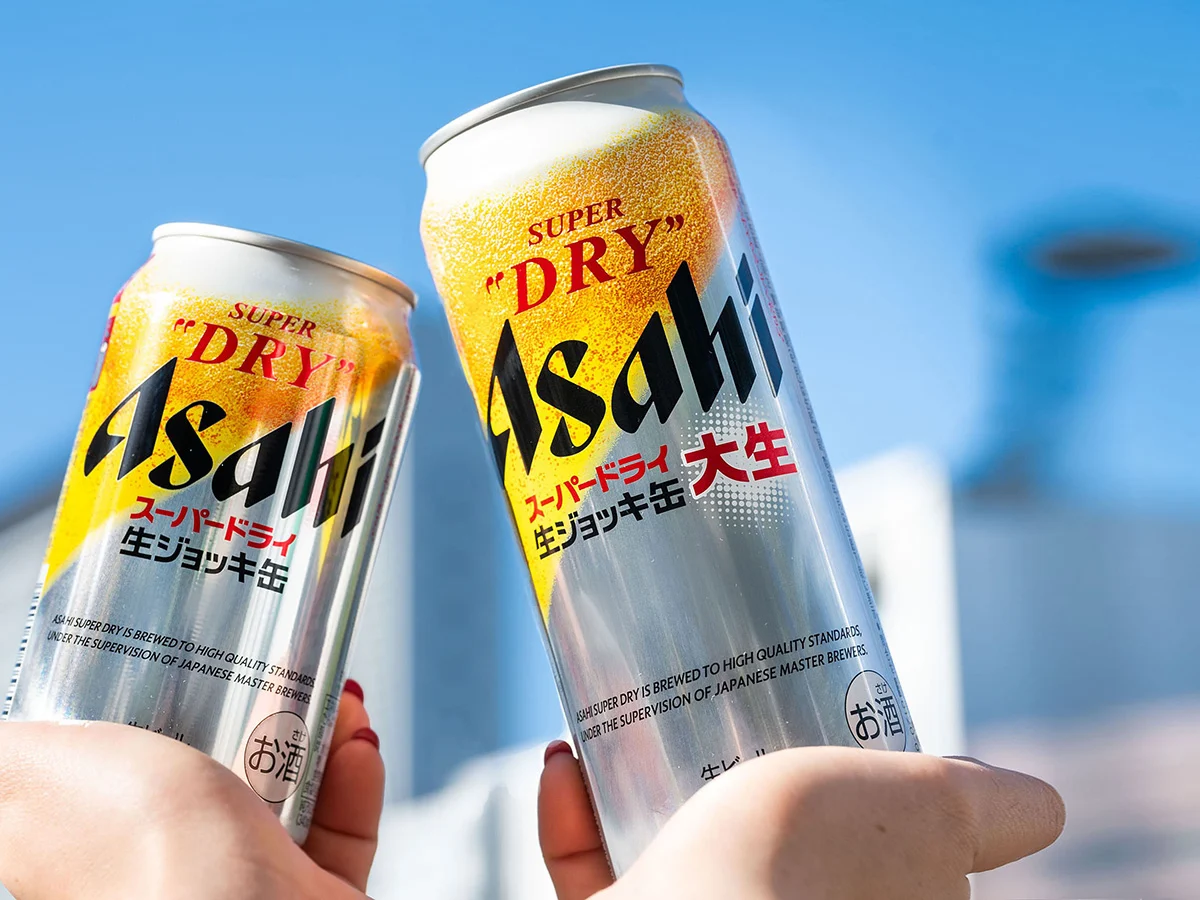
For travelers and locals alike, the quintessential Japanese drinking experience is often found in the glow of an izakaya—the lively, wood-paneled pubs where the cold, crisp sting of a draft beer, or nama (literally "fresh"), serves as the perfect punctuation mark to a long day. In Japan, the ritual of beer consumption is elevated to an art form; it is not merely about the liquid, but the texture, the temperature, and that perfect, silky crown of foam that sits atop a chilled glass mug.
However, modern life is rarely stationary. Between the frenetic pace of tourism and the comforts of home, finding the time to sit at a bar for a fresh pint is a luxury many cannot afford. Enter Asahi Breweries, the industry titan that has effectively miniaturized the pub experience. With the launch of the Asahi Super Dry Nama Jokki (Draft Mug) Can, the company has bridged the gap between the convenience of a store-bought can and the sensory satisfaction of a professional draft pour.
The Engineering Behind the Foam: Breaking the Can Barrier
The Nama Jokki Can is not simply a marketing gimmick; it represents a significant leap in packaging technology. To understand its impact, one must look at the traditional physics of a standard beer can. Typically, opening a standard aluminum can results in a flat pour or, at best, a bubbly head that dissipates quickly.
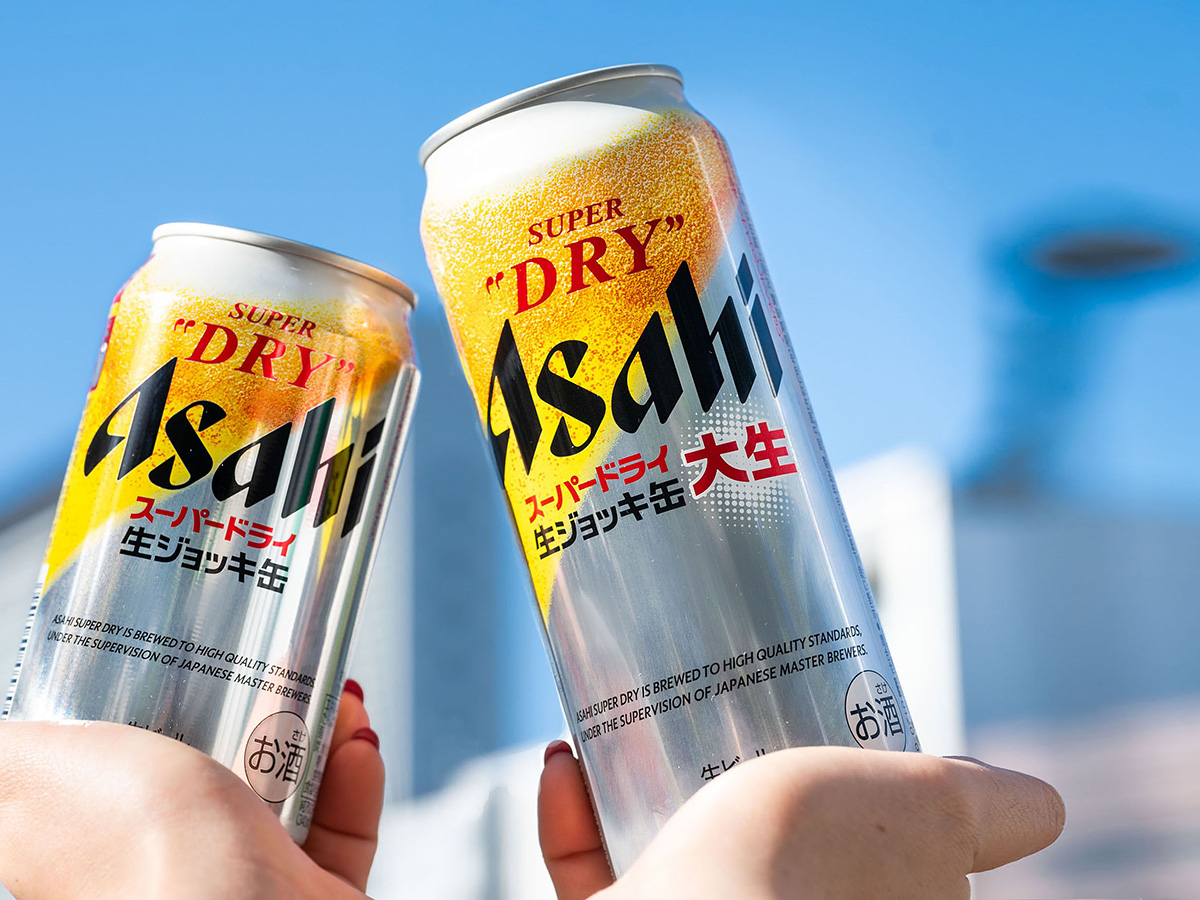
Asahi’s solution was to rethink the vessel entirely. The "Nama Jokki" features a full-opening lid—a departure from the standard small pull-tab. When the entire top of the can is removed, it mimics the wide opening of a traditional beer mug. More importantly, the interior of the can is treated with a specialized, proprietary coating. This rough, textured surface acts as a catalyst, inducing carbonation to bubble rapidly upon contact with the air. As the pressure is released by the wide opening, these bubbles form a thick, creamy, and long-lasting head that rivals any machine-tapped beer.

According to Mintel’s product database and internal research conducted by Asahi in October 2021, this was the world’s first canned beer designed to naturally develop a dense, frothy head immediately upon opening. The name Nama Jokki—literally "Draft Mug"—is a testament to the brand’s intent to bring the izakaya environment into the consumer’s hand, whether they are in a hotel room, a park during cherry blossom season, or sitting at their own dining table.
A Chronology of Innovation
The journey to the Nama Jokki was not an overnight success. It was the result of years of research into consumer behavior and packaging limitations.
- 2017–2019: The Conceptual Phase: Asahi identified a growing consumer desire for a more premium, "pub-like" experience at home. The challenge was to maintain the integrity of the carbonation while ensuring the safety of the wide-opening lid.
- 2020: The Prototype: Engineers focused on the interior texture of the aluminum, experimenting with microscopic indentations to encourage nucleation.
- April 2021: The Initial Launch: The product hit the Japanese market with unprecedented demand. It was so popular that Asahi had to temporarily suspend sales due to supply shortages, as they could not manufacture the specialized cans fast enough to meet the public’s overwhelming appetite.
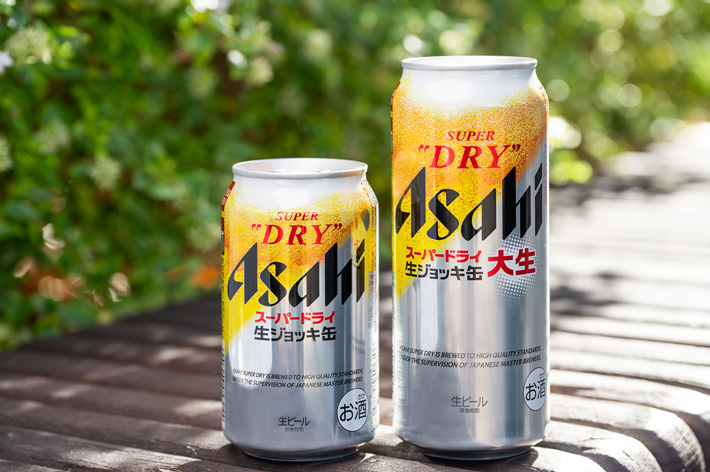
- 2022–2023: Refinement and Expansion: Following the initial success, Asahi optimized production, leading to a consistent rollout of 340ml and 485ml sizes, solidifying its place in convenience stores (konbini) across the archipelago.
The Sensory Experience: A Comparative Analysis
To truly understand the innovation, one must compare the traditional canned experience with the Nama Jokki. In a standard can, the beer is poured through a restricted aperture, which often forces the consumer to tilt the can at an angle, losing the aromatic profile of the hops and the "mouthfeel" of the foam.
When Umami Bites writers Steven and Bensky conducted a hands-on field test, the difference was stark. Bensky noted that the wide mouth allows for a more "fulfilling mouthfeel." Because the foam is produced naturally within the can, the bubbles are smaller and more consistent, creating a velvety texture that coats the palate—a hallmark of high-quality draft beer. Furthermore, the edges of the wide-opening lid are carefully designed to be smooth, ensuring that the act of drinking directly from the can is safe, comfortable, and allows for a "big swig" that a standard can simply cannot accommodate.

Implications for the Global Beverage Industry
The success of the Nama Jokki has far-reaching implications for the global brewing industry. It challenges the long-held notion that "premium" beer must be served in a glass to be enjoyed properly. By blurring the lines between packaging and serving ware, Asahi has opened a new category of "experience-based" beverage consumption.
Industry analysts note that this innovation addresses a major pain point: the decline of casual dining in favor of home-based consumption, a trend accelerated by the pandemic. If a consumer can get a "bar-quality" draft at home, the barrier to entry for enjoying a high-end beer drops significantly. We are already seeing competitors in various markets looking into "full-lid" technologies, though Asahi’s specific internal coating technology remains a closely guarded competitive advantage.

A Cultural Phenomenon and Souvenir Staple
Beyond the chemistry and the sales figures, the Nama Jokki has become a cultural icon of modern Japan. It embodies the Japanese spirit of omotenashi (hospitality) applied to convenience. It provides a way for travelers to enjoy the aesthetic of Japanese beer culture in non-traditional settings.
For the international visitor, the Nama Jokki is more than a drink; it is a souvenir. It is a portable piece of the izakaya experience that can be brought home to share with friends. As noted by the editorial staff at Grape Japan, the act of opening the can creates an element of surprise—a "wow factor"—that turns a simple beverage into a shared activity.

However, prospective buyers should take note of logistical nuances. While the 340ml and 485ml cans are readily available in Japanese convenience stores, they are specifically engineered for the Japanese market. Bringing these home involves considerations regarding air travel and local customs regulations. Yet, for those who manage to secure one, the can serves as a poignant reminder of the ingenuity that defines Japanese consumer goods.
Responsible Consumption: A Final Note
As with any alcoholic beverage, the launch of the Nama Jokki comes with a strong reminder from the manufacturer. Asahi Breweries is committed to the legal and ethical consumption of its products. In Japan, the legal drinking age is 20, and the company maintains strict policies against drink-driving.
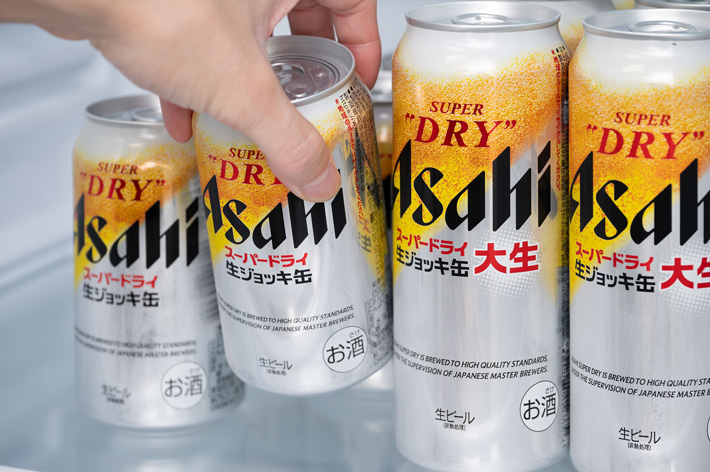
The Nama Jokki is an invitation to slow down and appreciate the craftsmanship of a well-poured beer, even when one is on the move. Whether it is enjoyed during the fleeting beauty of the hanami (flower-viewing) season or as a quiet nightcap in a hotel, it serves as a testament to how traditional brewing techniques can be perfectly married with cutting-edge manufacturing.
Asahi has successfully proven that you don’t need a bar to enjoy a "draft" experience—you just need a little bit of innovation, a wide-opening lid, and the right perspective. The next time you find yourself navigating the bustling streets of Tokyo, keep an eye out for the distinctive Asahi branding in the refrigerated aisle. You aren’t just buying a beer; you are purchasing a piece of Japan’s modern brewing history.
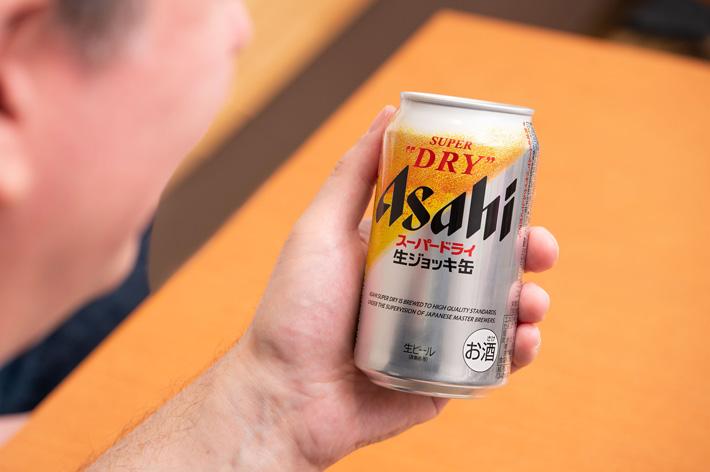
Disclaimer: Underage drinking (less than 20 years of age) and drink driving are prohibited by law in Japan. Please enjoy your drink responsibly and adhere to all local recycling regulations when disposing of your aluminum cans.


 Neng Nana
 Asro
Asro