Ali Ikhwan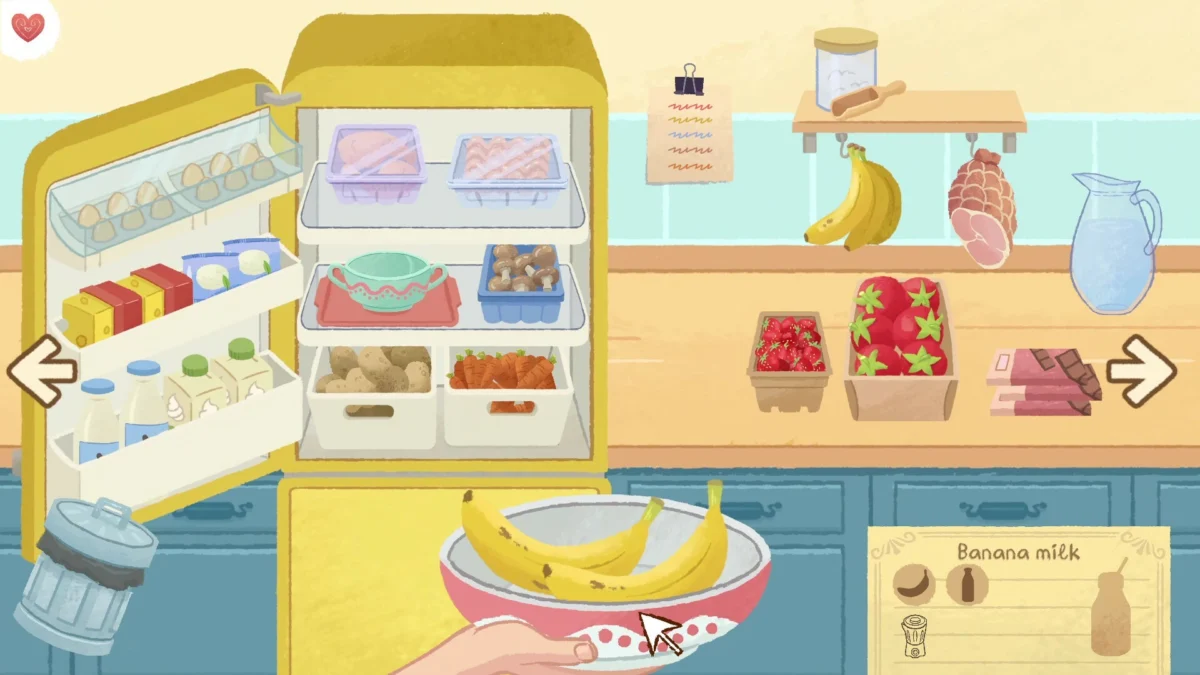
For many gamers, the "cozy game" genre has become a sanctuary—a digital space where the stressors of modern life melt away under the gentle hum of lo-fi beats and the promise of low-stakes progression. Cook for Love, a recent title that has made its way to Xbox, Nintendo Switch, and PC, promises to be the perfect companion for a quiet Saturday morning. Developed as a simulation of the culinary arts, it tasks players with stepping into the shoes of Clement, a young Frenchman navigating the trials and triumphs of running his own restaurant.
However, as with many indie titles that lean heavily into aesthetic charm, the reality of the gameplay loop offers a complex mixture of relaxing atmosphere and logistical frustration. Does Cook for Love succeed in capturing the soul of French cuisine, or does it get lost in the weeds of its own mechanics?
The Core Concept: A Recipe for Relaxation
At its heart, Cook for Love is a point-and-click style cooking simulator. The premise is refreshingly grounded: Clement, having inherited a small kitchen space, must learn the craft of cooking from the ground up. The game’s primary strength lies in its presentation. The developers have leaned into a soft, calming aesthetic, marrying a gentle color palette with a soundtrack that perfectly complements the slow-paced, methodical nature of the tasks at hand.
The gameplay revolves around a card-based instruction system. Each round, players are presented with a recipe, and they must navigate various kitchen "stations" to execute the necessary steps—chopping, blending, mixing, and heating. The game provides a helpful, high-level overview of objectives at the top of the screen, with an option to dive deeper into instructions if a player finds themselves stuck.
Chronology of the Experience: From Amateur to Restaurateur
The progression in Cook for Love follows a linear, narrative-driven path. Initially, the game acts as an extended tutorial, focusing on simple tasks like preparing various "cream of" soups. This stage of the game feels appropriately paced, allowing the player to adjust to the unique control scheme and the rhythm of the kitchen.
As the narrative progresses, Clement transitions from cooking for neighbors to operating a full-fledged establishment. This shift is marked by the introduction of more complex dishes, ranging from fruit pancakes to intricate pasta plates. Throughout this journey, the game introduces new kitchen screens and tools, ensuring that the player’s capabilities grow alongside their culinary reputation.
However, the transition from home cook to professional restaurateur highlights one of the game’s more divisive design choices: the lack of a traditional "order system." In most restaurant management sims, the challenge comes from time management and meeting the specific, shifting demands of customers. In Cook for Love, you move through recipes in a predetermined sequence. While this makes sense in the early narrative phases—where you are simply testing recipes for your neighbors—it creates a sense of disconnection once the restaurant is officially open. The urgency and adrenaline usually associated with a professional kitchen are absent, which will either be a blessing or a curse depending on what the player is looking for in a game.
Supporting Data and Mechanical Analysis
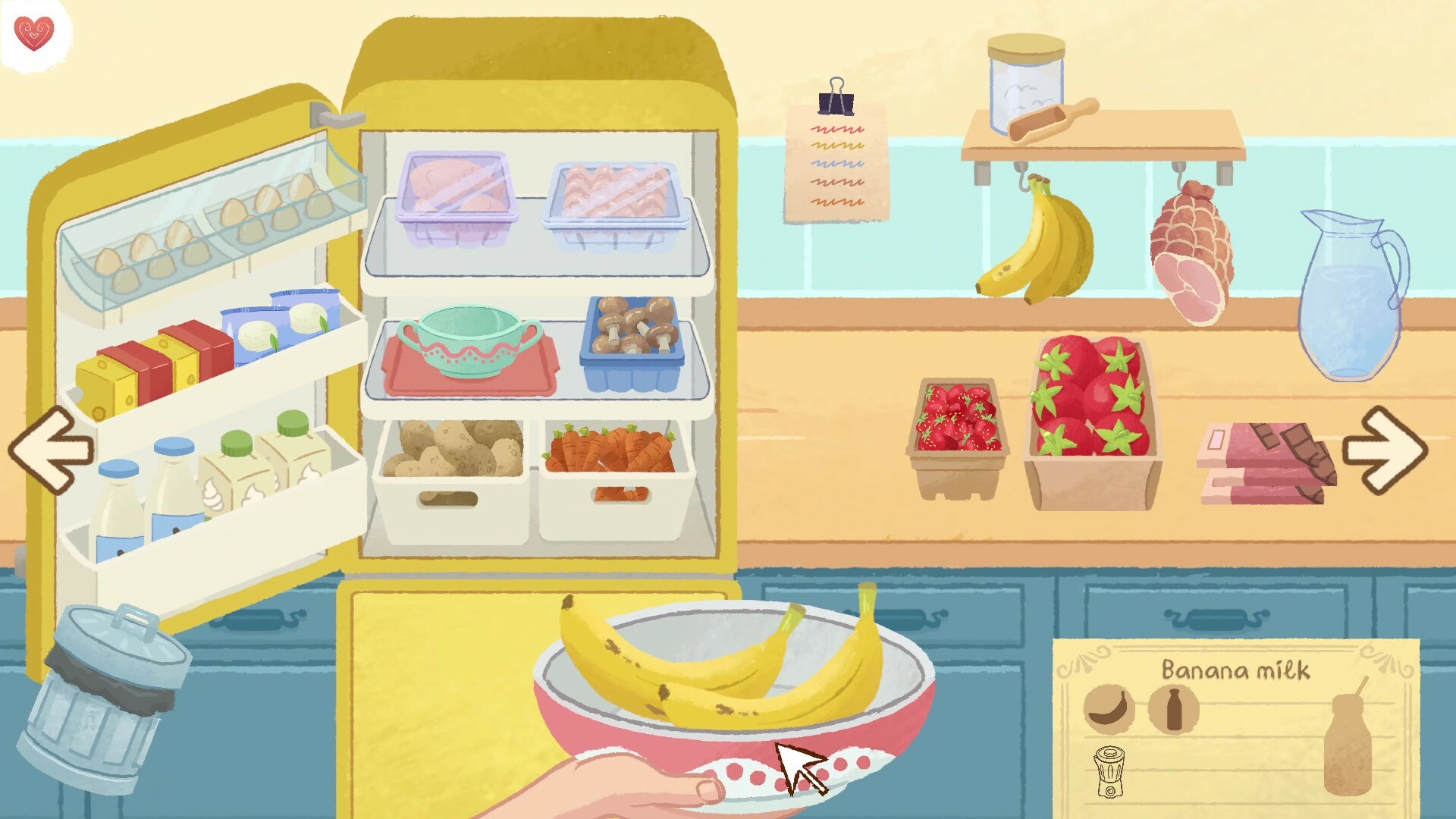
To understand why Cook for Love feels like a "mixed bag," one must examine the friction points within its mechanics. The game utilizes a spatial management system where the player has limited carrying capacity: one bowl item and two plate items.
This design requires constant movement between kitchen screens. If a dish requires both a cooked component and a sauce, the player must shuttle back and forth, moving ingredients from the stove to the prep station, then to the plating area, and potentially back to the stove. In theory, this simulates the busy nature of a real kitchen. In practice, it often feels cumbersome. When managing multiple components for a single dish, the back-and-forth movement can detract from the "cozy" vibe, turning a meditative cooking experience into a test of inventory management patience.
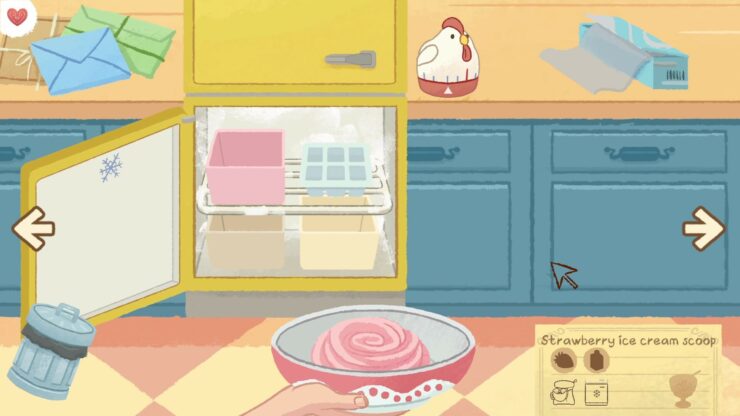
Furthermore, the game’s approach to "failure" is somewhat inconsistent. While there is no timer for orders, there are hidden penalties. Ice left in a freezer for too long will degrade, and cooking components can be ruined if left on the heat for too long, necessitating disposal. These mechanics feel like an attempt to inject challenge into an otherwise relaxing experience, but they can occasionally feel arbitrary, forcing the player to restart a process not because of a lack of skill, but because of a misunderstanding of the game’s internal, invisible clocks.
The Narrative Perspective
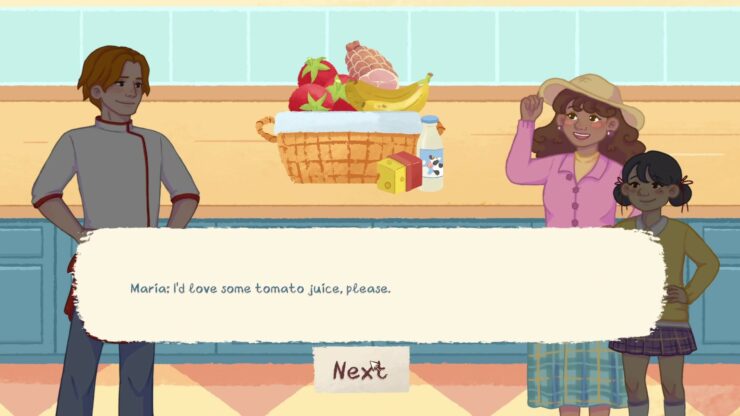
The story of Cook for Love is told through the interactions with the various patrons who visit the restaurant. These character vignettes serve as the connective tissue between the recipes. Yet, there is a missed opportunity here: the characters rarely comment on the quality of the food being served.
For a game centered entirely around the act of cooking, the lack of feedback—either positive or negative—regarding the finished product makes the culinary milestones feel somewhat hollow. While the recipes themselves look visually stunning, and the sense of accomplishment from plating a complex dish is real, the narrative would have been significantly bolstered by a deeper engagement with the "love" in Cook for Love. Understanding why these customers are visiting, and how Clement’s food impacts their lives, would have provided a much-needed emotional anchor to the repetitive tasks.
Implications: Who is This Game For?
The implications for the future of the cozy cooking genre are clear: aesthetic and charm can only carry a game so far before the mechanics must hold up their end of the bargain. Cook for Love stands as a testament to the importance of "game feel."
If you are a player who prioritizes a low-stress, aesthetically pleasing environment above all else, Cook for Love is a worthwhile addition to your library. It is a game to be played with a cup of coffee in hand, where the objective is not to win, but to exist within a space and perform the gentle, rhythmic tasks of creation.
However, if you are looking for a deep management simulation or a high-octane kitchen experience, you may find the mechanics here to be overly simplistic yet simultaneously frustrating. The game sits in a unique middle ground, and its success is entirely dependent on the player’s willingness to embrace its slower, more manual pace.
Official Stances and Community Reception
Since its launch across multiple platforms, the reception has been largely centered on the visual fidelity of the food and the soothing nature of the soundtrack. Players have praised the game for its "Saturday morning" energy, noting that it succeeds in creating a relaxing environment that is hard to find in more competitive titles.
Conversely, the community has pointed out the need for quality-of-life updates regarding the item-carrying capacity. Many have noted that the inability to carry more than a few items at once leads to unnecessary backtracking, which pulls them out of the "flow state" the developers clearly intended to create. As of now, the developers have maintained a focus on the game’s artistic direction, though the feedback from the player base remains a crucial point of interest for future patches.
Conclusion: A Beautiful, If Flawed, Culinary Journey
Cook for Love is a title that clearly understands the power of atmosphere. It is a beautiful game, one where every finished plate looks like a work of art and every kitchen screen feels like a lovingly crafted diorama.
While the mechanics of moving between stations can feel slightly disjointed and the narrative beats could benefit from more integration with the gameplay, there is an undeniable charm to the experience. It captures the essence of a quiet, slow-paced life in a way that few other games do. For those willing to overlook some of the clunkier elements of its inventory system, Cook for Love offers a delightful, if imperfect, retreat into the kitchen. It is not quite a masterclass in game design, but it is a sincere effort that, much like a simple home-cooked meal, provides comfort exactly when it is needed most.
About the Author
Jupiter Hadley is a prolific indie game journalist whose work has been featured in Metro UK, Big Boss Battle, and AlphaBetaGamer. With a career dedicated to highlighting the most innovative voices in the indie scene, Jupiter covers thousands of game jams and titles annually. She is also the founder of indiegamejams.com, a comprehensive calendar for the global game development community, and serves as a frequent judge for industry events and competitions.


 Azzam Bilal Chamdy
 Reynand Wu