

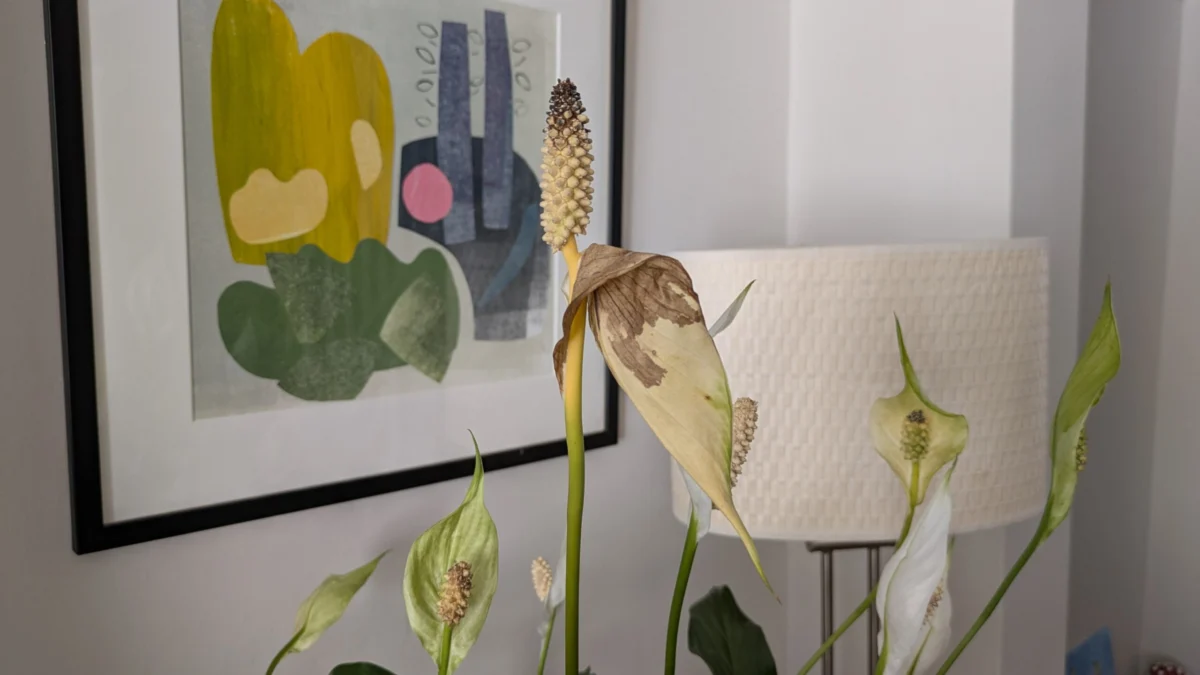
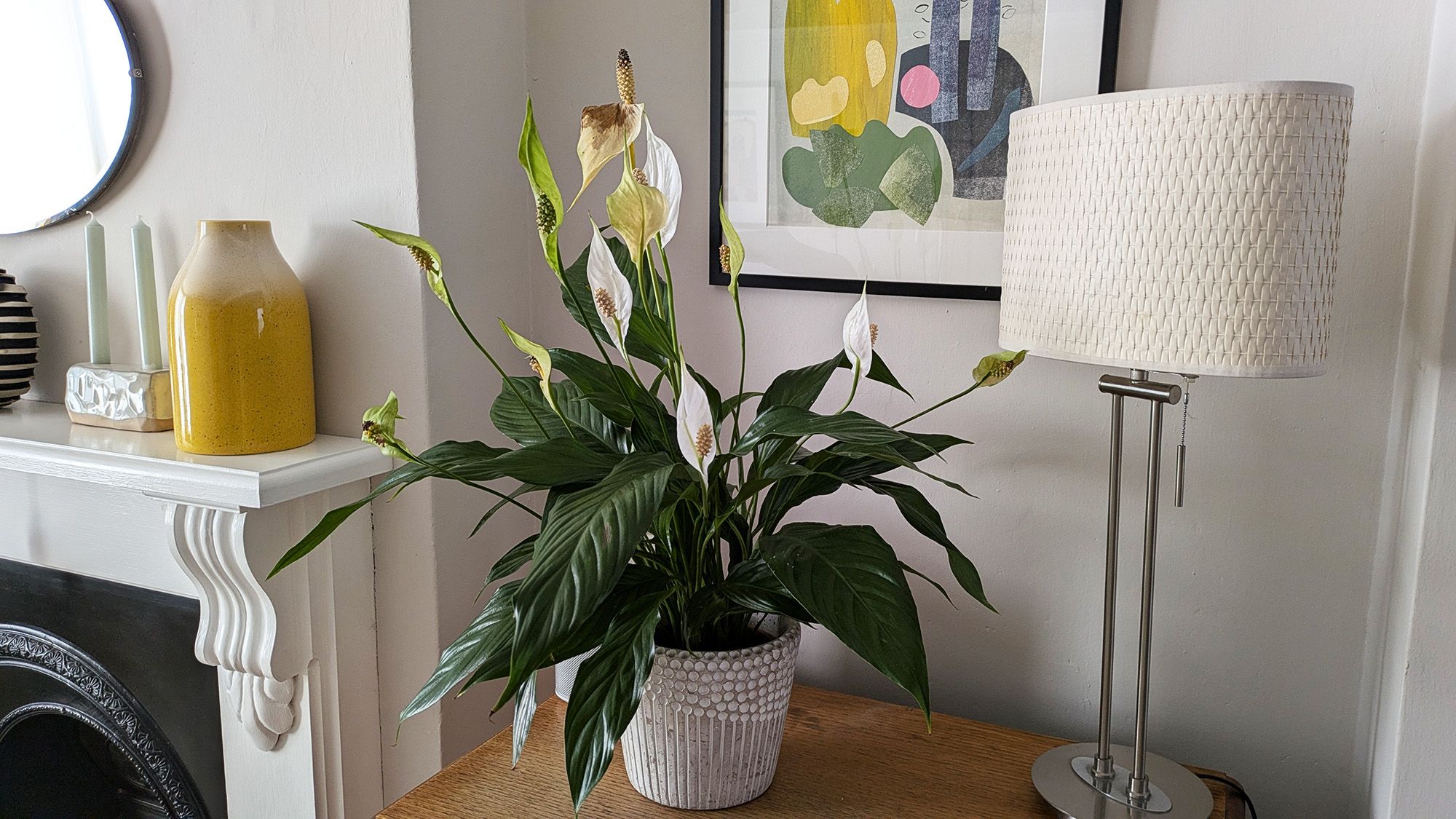
The peace lily (Spathiphyllum) is widely celebrated by interior designers and plant enthusiasts alike for its elegant, architectural white blooms and glossy, deep-green foliage. It is a staple of the modern indoor garden, prized not only for its aesthetic appeal but also for its reputation as an effective natural air purifier. However, even the most seasoned plant owners occasionally face a common, puzzling dilemma: the pristine white "flowers" begin to turn brown or wither prematurely.
If you have recently noticed your peace lily’s blooms losing their luster and transitioning to an unsightly brown, you are not alone. While the sight can be alarming, it is often a natural part of the plant’s biological life cycle. Conversely, it can also serve as a vital diagnostic tool, signaling that your plant is craving a change in its environment.
The Anatomy of the Bloom: Separating Fact from Fiction
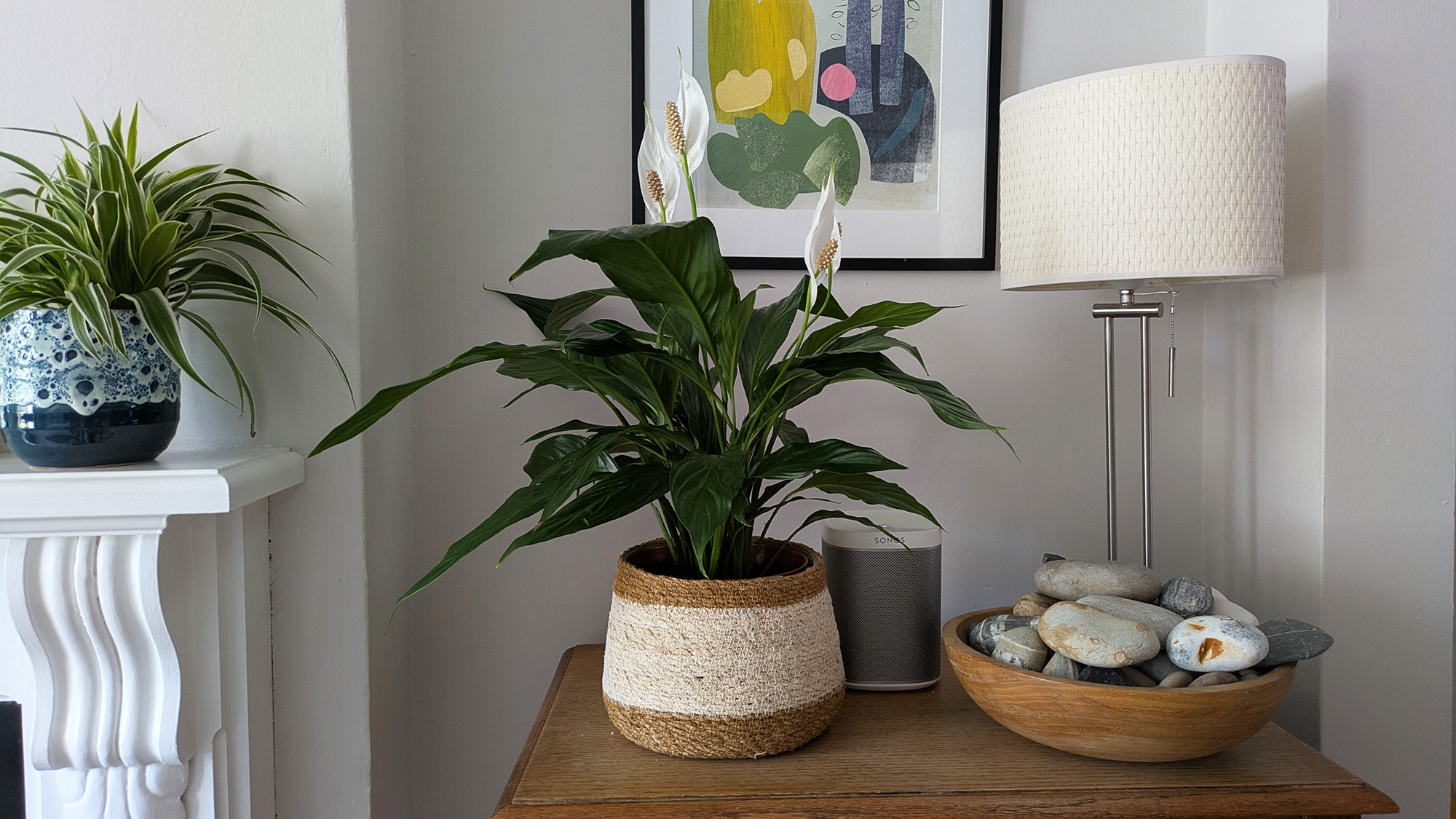
To understand why a peace lily browns, one must first understand what a peace lily "flower" actually is. The iconic white part of the plant is not technically a petal; it is a modified leaf known as a spathe. This spathe acts as a hood for the central, spike-like structure called the spadix, which holds the true, tiny flowers.
Because these structures are specialized leaves, they are subject to the same aging processes as the rest of the foliage. Many owners fall into the trap of assuming that a browning bloom is a sign of neglect or poor care. However, experts emphasize that there is a critical distinction between a plant that is dying and a plant that is simply finishing a natural phase of growth.
Chronology of a Peace Lily’s Bloom Cycle
For the average indoor gardener, the peace lily’s bloom cycle is a four-to-six-week event. Understanding this timeline is the first step toward reducing anxiety when discoloration begins.
- Week 1-2 (The Emergence): The spathe unfurls, revealing a bright, creamy-white or ivory color. At this stage, the plant is at its most visually striking.
- Week 3-4 (The Maturation): As the plant ages, the white spathe may begin to take on a slight greenish hue. This is the plant reabsorbing nutrients.
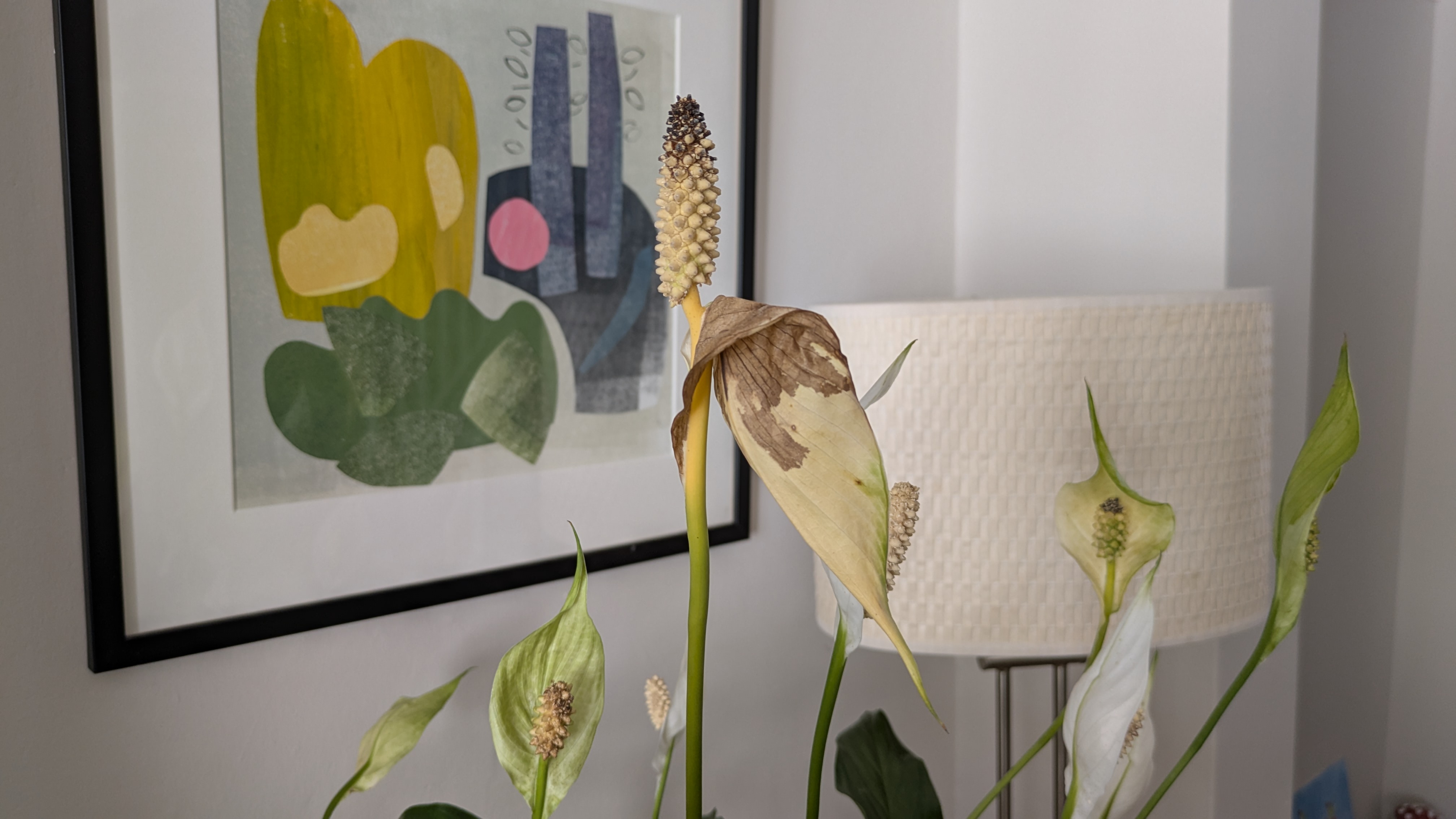
- Week 5-6 (The Senescence): The bloom begins its natural decline. The white tissue loses its turgidity and begins to turn tan or brown. This is not necessarily a "problem"—it is the bloom reaching the end of its functional life.
When this occurs, the plant is simply following its genetic programming. If your plant has been healthy, green, and vibrant for the previous month, a brown flower at the six-week mark is a sign of a job well done, not a failure of care.
Professional Insight: Expert Guidance on Maintenance
To get to the bottom of the "browning mystery," we consulted with Matt Aulton, head grower at Plant Proper. Aulton, who manages the cultivation of thousands of specimens, offers a clear perspective on managing expectations.
"Peace lily flowers browning can be concerning, but it is either a natural occurrence or an easy fix for future flowers," Aulton explains. "The flowers on peace lilies are not ‘forever flowers.’ They will naturally brown and fall within four to six weeks."
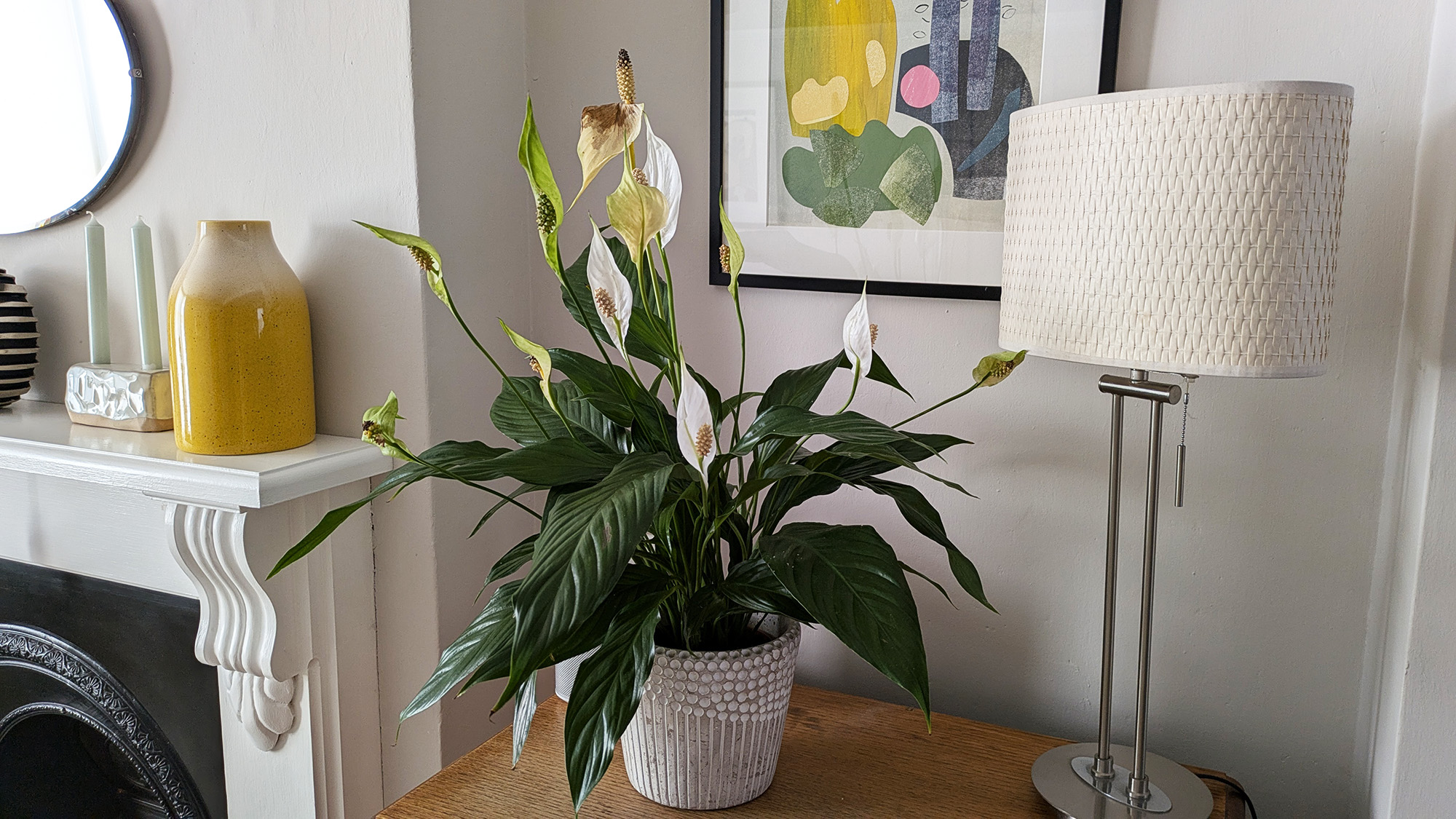
When asked about the best course of action for a browning bloom, Aulton recommends immediate intervention to redirect the plant’s energy. "If the flower expires, simply prune it back at the bottom of the stem, as close to the base of the plant as possible. Use clean shears and make a clean cut. This will help the plant focus on new, happy, healthy growth and future flowers."
Best Practices for Pruning
- Sanitize: Always ensure your shears are wiped down with isopropyl alcohol to prevent the spread of potential fungal spores or pathogens.
- Depth: Do not simply snip the top of the flower. Trace the stem down to the soil line and remove it entirely. Leaving a stump can lead to decay that may attract pests or mold.
- Observation: Use this time to inspect the base of the plant for any yellowing leaves or signs of root crowding, which might indicate that the plant is ready for a new, larger container.
When Browning Isn’t Normal: Troubleshooting Environmental Stress
If your peace lily’s flowers are turning brown before they have had a chance to complete their cycle, or if the browning is accompanied by crispy leaf edges, you are likely dealing with an environmental stressor. Identifying the root cause requires a systematic approach to your plant’s "lifestyle."
1. The Water Quality Conundrum
Peace lilies are surprisingly sensitive to the chemical composition of their water. If you are using tap water, you may be inadvertently introducing high levels of chlorine, chloramines, or fluoride. These minerals can accumulate in the soil over time, causing "salt burn" on the delicate tissues of the flower.
- The Fix: Transition to using filtered, distilled, or rainwater. If you must use tap water, let it sit out in an open container for 24 hours to allow the chlorine to dissipate.
2. The Humidity Factor
Native to the tropical rainforests of the Americas, peace lilies thrive in high-humidity environments. In modern, climate-controlled homes, the air is often too dry, which causes the thin tissue of the flowers to dehydrate and brown prematurely.
- The Fix: Mimic their native environment. Grouping plants together creates a localized microclimate that traps moisture. Alternatively, placing your peace lily on a tray of water and pebbles—ensuring the pot sits on the pebbles and not directly in the water—can significantly boost ambient humidity.
3. The Precision of Watering
"Be sure to keep the peace lily soil moist but not soggy," Aulton advises. "This plant will tell you when it is thirsty with droopy leaves. As soon as it is watered thoroughly, it bounces back and is ready to party!"
- The Danger: Overwatering leads to root rot, which manifests as brown tips and wilting. Under-watering, conversely, leads to crispy, brown flowers. Aim for consistency. A moisture meter can be a helpful tool for beginners, but learning to feel the top inch of soil is the gold standard for long-term health.
4. The Light Balance
Peace lilies are often marketed as "low light" plants, but this is a half-truth. While they can survive in low light, they will rarely bloom, and the blooms they do produce will be weak. Conversely, direct, harsh sunlight acts like a magnifying glass, scorching the white spathes.
- The Fix: Aim for "bright, indirect light." A north or east-facing window is usually ideal. If you notice the flowers turning brown, check if they are being hit by direct sun beams during the hottest part of the day.
Implications for Future Growth
The process of pruning away dead blooms is not just about aesthetics; it is an act of horticultural maintenance that encourages the plant to allocate its resources toward new development. When a plant stops supporting a dying flower, it can put that energy into root development, leaf production, and the initiation of new buds.
If you find that your plant is consistently struggling to produce new, healthy flowers, consider the following:
- Potting Density: If the plant is root-bound, it will focus all its energy on trying to expand rather than blooming. A spring repotting into a container one or two inches larger can often stimulate a new, vigorous flowering cycle.
- Nutrition: While peace lilies do not require heavy feeding, a balanced, water-soluble fertilizer applied at half-strength during the growing season (spring and summer) can provide the necessary minerals to support blooming.
Conclusion: Patience as a Gardening Tool
The peace lily is an expressive, communicative plant. It tells you exactly how it feels through its leaves and its blooms. While the sight of a brown flower might initially feel like a failure, it is more often a signal to observe, adjust, and prune.
By maintaining a consistent watering schedule, providing adequate humidity, ensuring the water quality is high, and learning to prune with confidence, you can ensure your peace lily remains a centerpiece of your home for years to come. Remember: in the world of indoor gardening, beauty is not static. It is a cycle of growth, bloom, and renewal—and with the right care, your plant will continue to reward you with its signature elegance season after season.











