Azzam Bilal Chamdy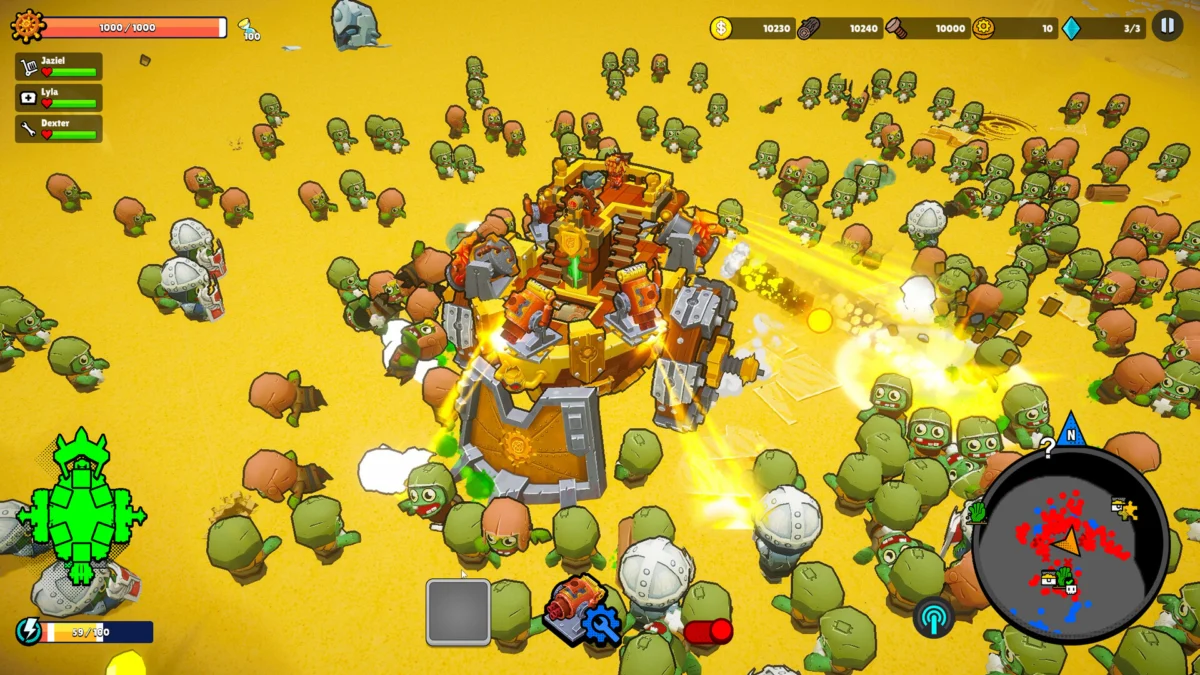
In the crowded landscape of survival games, few titles dare to blend the visceral intensity of a zombie apocalypse with the heavy-metal mechanical satisfaction of mobile fortress management. Zombie Rollerz: The Last Ship does exactly that, tasking players with piloting a customizable, spike-covered behemoth through an unforgiving wasteland. It is a game that balances the desperate scramble for survival with the methodical precision of an engineer, and for those who enjoy the "just one more run" loop, it offers an experience that is as challenging as it is addictive.
The Core Concept: Engineering Your Survival
At its heart, Zombie Rollerz: The Last Ship is a survival-roguelike that strips away the traditional "run and gun" mechanics of the genre in favor of heavy-vehicle combat. You aren’t just a survivor on foot; you are the captain of a mobile base. The game’s premise is deceptively simple: you are trapped in a sprawling, desolate map teeming with pockets of the undead. Your objective is to survive until the timer expires, at which point you are almost guaranteed to face a screen-filling boss encounter.
The gameplay loop revolves around the "rolling" aspect—literally using the mass and momentum of your tank to crush hordes, while simultaneously managing a sophisticated array of turrets and defenses. It is not merely about movement; it is about tactical positioning. The map is broken into distinct zones, each harboring unique threats and, more importantly, valuable resources.
A Chronology of the Struggle
The game’s progression follows a distinct, high-pressure timeline. When a level begins, the player is dropped into an open environment. The initial phase is one of exploration and resource gathering. You are constantly hunting for chests and scavenging "fallen gears" left behind by the decimated undead.
As the clock ticks down, the intensity ramps up. The zombies don’t just stand there; they react to your presence. Once they spot your tank, they become relentless, forcing you to constantly evaluate your positioning. If your tank takes too much damage—and it will—you must find a moment of respite to let the automated repair systems kick in. This creates a fascinating rhythm: you charge into the fray to deal damage, retreat to facilitate repairs, and then circle back to clear the remaining horde.
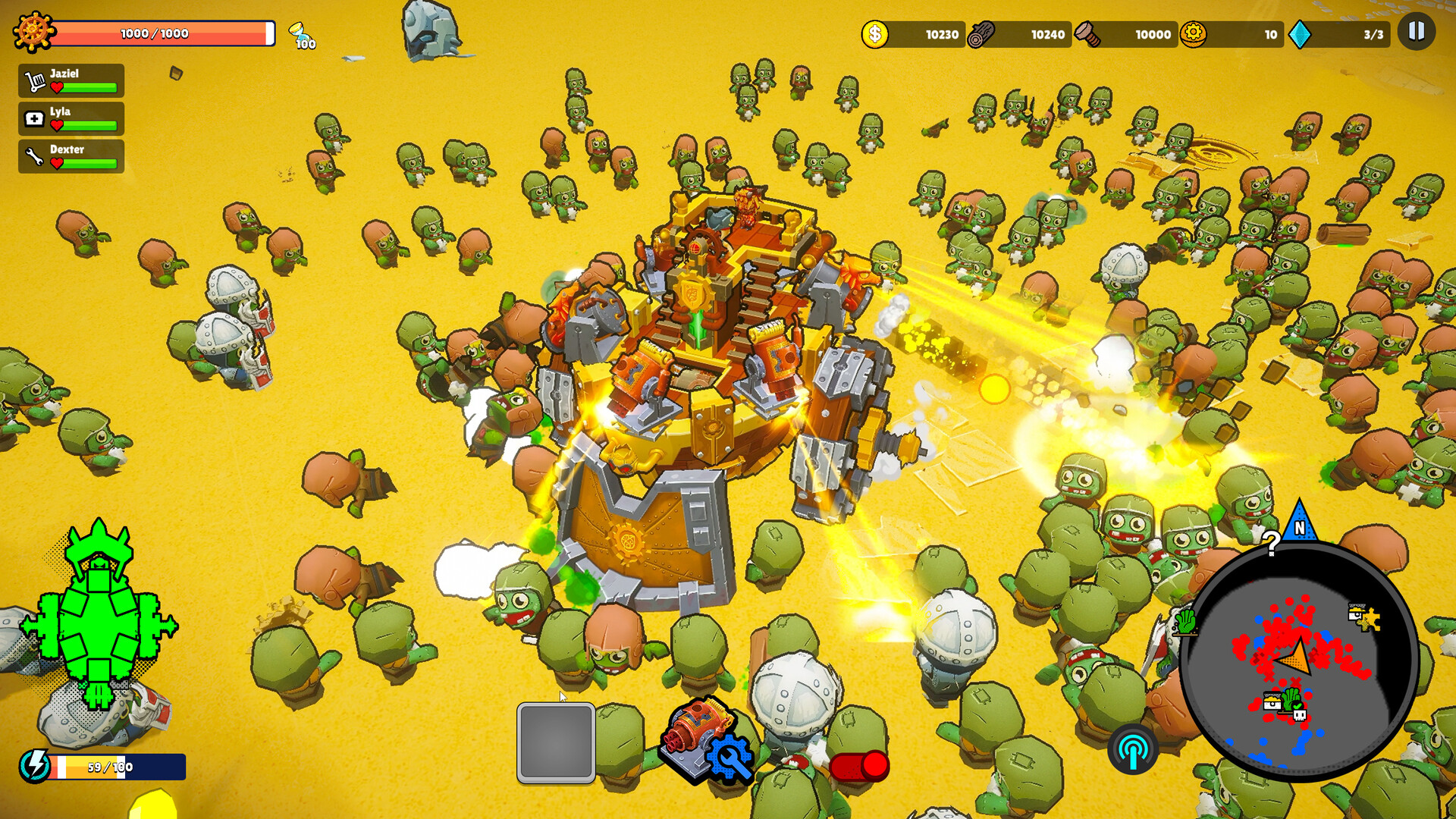
The finale of every stage is the boss fight. These encounters are the ultimate litmus test for your build. If you have spent your gears wisely and selected the right trinkets, you might stand a chance. If you have neglected your turret upgrades or failed to manage your tank’s armor, these encounters are swift and brutal, serving as a harsh reminder that in The Last Ship, preparation is the only currency that matters.
Strategic Depth: The Art of the Build
One of the most compelling aspects of the game is its upgrade system. The depth provided by the loot drops is substantial. After clearing a pocket of zombies, you are often presented with a choice between two trinkets. These decisions are not trivial; they dictate the flow of your combat. Do you prioritize increasing your critical hit probability to thin the herd faster, or do you invest in defensive buffs to ensure your tank survives the incoming onslaught?
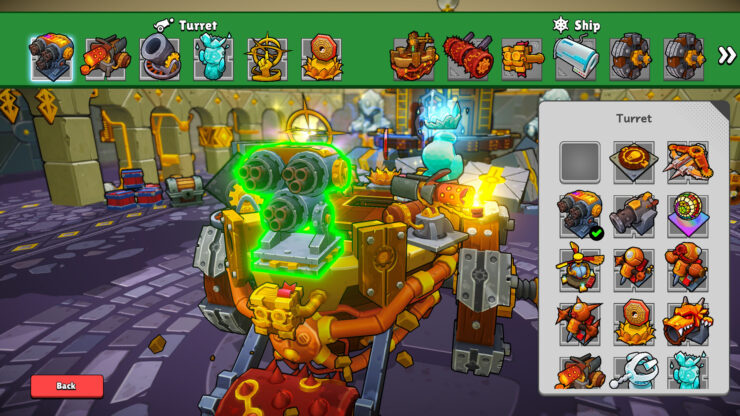
The modular nature of the tank is the game’s crowning achievement. You can swap out wheels, add devastating spiked weaponry for close-quarters collisions, or mount sophisticated turrets for long-range suppression. These upgrades feel impactful. Seeing a wooden, ramshackle tank evolve into a bristling, armored war machine is deeply satisfying.
Beyond the hardware, there is a social layer to the survival. Throughout the maps, you will encounter survivors in need of rescue. Saving these NPCs isn’t just a moral choice; it is a tactical one. These characters bring specialized skills and passive abilities that can fundamentally alter how your tank performs. Finding the right combination of crew, turret, and trinket is the "meta-game" that keeps players returning to the steering wheel.
Supporting Data and Technical Feel
The game’s "clunky" movement has been a point of discussion among the community. While some might view it as a detriment, it is clearly a deliberate design choice. Controlling a massive, improvised tank should feel heavy. The momentum required to turn a multi-ton vehicle adds a layer of weight and tension to every encounter. You cannot simply flick a joystick and dodge; you must commit to your lines of movement, predicting where the zombies will be rather than where they are.
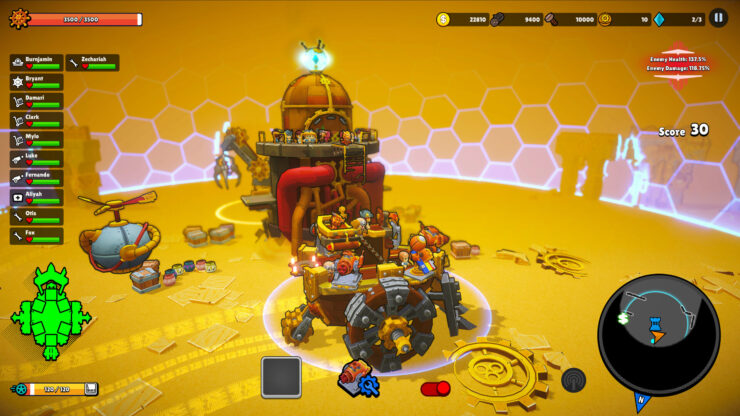
The data provided at the end of each run offers a granular look at your performance. For the stat-obsessed player, these post-game reports are a treasure trove of information, detailing everything from damage dealt to specific weapon efficiency. This data acts as a feedback loop, encouraging players to experiment with different builds to see if they can shave a few seconds off their survival time or deal higher damage in the boss phases.
Developer and Community Perspective
While the developers at Zombie Rollerz have maintained a relatively quiet profile, the community response has been largely defined by the game’s high skill ceiling. The "drama" of the game—the constant threat of being overwhelmed and the desperate need to find time to repair—resonates with the core audience of indie survival games.
The game’s design philosophy clearly leans into the "easy to learn, hard to master" trope. The initial experience is accessible enough to allow new players to grasp the basics of driving and shooting, but the later-game scaling ensures that only those who truly understand the synergy between their upgrades and the environment will succeed.
Implications for the Survival Genre
Zombie Rollerz: The Last Ship stands as a testament to the versatility of the survival genre. By shifting the perspective from a singular human to a mobile, customizable vessel, it manages to breathe new life into a trope that often feels stagnant.
The implications for the genre are clear: players are hungry for more complex, vehicle-based combat systems. The success of this title suggests that the future of indie survival games may lie in this kind of "modular management." Players want to feel like they are building their own solution to the apocalypse, rather than just surviving it with a static weapon loadout.
Furthermore, the game highlights the importance of environmental storytelling. Each map feels distinct, with its own set of secrets and unique hazards. This level of environmental design ensures that the game doesn’t just feel like a repetitive arena shooter, but a genuine journey through a ruined world.
Final Thoughts: Is it Worth the Journey?
Whether you are playing on the Nintendo Switch or PC via Steam, Zombie Rollerz: The Last Ship offers an experience that is consistently engaging. It is not a game that holds your hand; it is a game that tosses you the keys to a rusted, weaponized tank and tells you to figure it out.
The combination of the tense, rhythmic combat loop, the deep, satisfying customization of your vehicle, and the genuine sense of accomplishment upon defeating a boss makes it a standout entry in the indie scene. It is a game that rewards patience, strategic thinking, and, perhaps most importantly, the ability to keep your cool when the screen is filled with enemies and your tank is seconds away from failing.
If you have a penchant for roguelikes that require more than just quick reflexes—if you enjoy the feeling of tweaking a build until it is perfect—then The Last Ship is undoubtedly a title worth adding to your library. It is a gritty, mechanical, and thoroughly enjoyable descent into a zombie-infested hellscape, and you will certainly be coming back for more.
Zombie Rollerz: The Last Ship is currently available for purchase on the Nintendo eShop and Steam.


 Suro Senen
 Basiran