Jia Lissa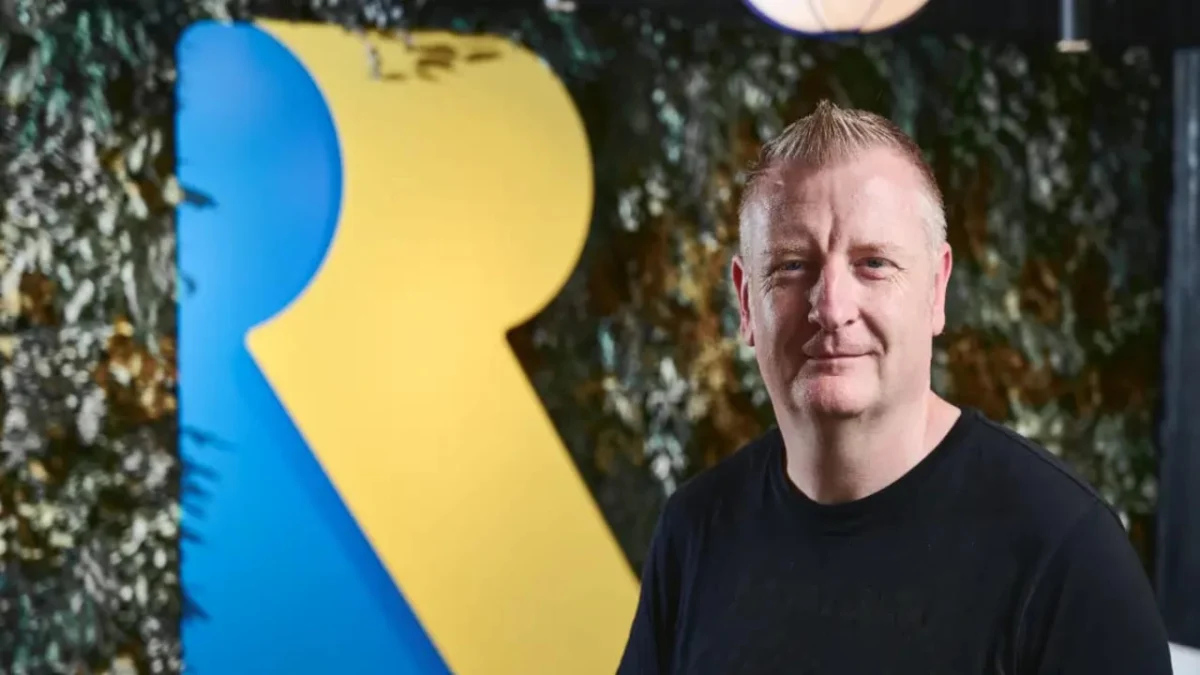
In a move that has sent tremors through the gaming industry, Xbox Games Studios (XGS) has confirmed the departure of its head, Craig Duncan, alongside his Chief of Staff, Louise O’Connor. The exit of these two long-standing veterans—both of whom boast deep roots within the prestigious Rare studio—marks a pivotal moment in the ongoing, high-stakes "reset" currently being spearheaded by Xbox CEO Asha Sharma.
As Microsoft navigates a turbulent period of fiscal recalibration, the departure of leadership figures who bridged the gap between traditional creative development and corporate oversight suggests that the company is shedding its historical skin in favor of a new, potentially more data-driven operational model.
Main Facts: The End of an Era
Craig Duncan’s tenure as the leader of Xbox Games Studios concludes after approximately 20 months in the role. Appointed in November 2024 to oversee the vast, complex ecosystem of Microsoft’s internal development houses, Duncan was responsible for the strategic direction of some of the most iconic names in gaming, including Halo Studios, Obsidian Entertainment, Ninja Theory, Playground Games, and The Coalition.
His departure is accompanied by the exit of Louise O’Connor, a industry stalwart who spent over 25 years at Rare, most notably serving as the Executive Producer for Everwild. Having moved to the XGS central team as Chief of Staff in August 2025, her departure—less than a year into the role—underscores the swiftness with which the current leadership transition is occurring.
Until a permanent successor is appointed, the sprawling network of XGS studios will report directly to Matt Booty, the Xbox Chief Content Officer. This consolidation of reporting lines is widely interpreted as a temporary bridge while the company continues its aggressive pursuit of a new operational identity.
A Chronology of the Xbox Transition
The current state of play at Xbox is the result of a long, often painful evolution. To understand the gravity of these departures, one must look at the timeline of the "reset."
- Pre-2024: Xbox embarks on an aggressive acquisition spree, spending over $20 billion over five years to bolster its portfolio. Despite this, the company faces mounting pressure as revenue figures fail to keep pace with investment, eventually dropping by nearly $500 million.
- November 2024: Craig Duncan, fresh off a 14-year stint as the head of Rare, is promoted to lead Xbox Games Studios, succeeding the retiring Alan Hartman. The industry views this as a move to bring a "developer-first" mentality to the corporate suite.
- Mid-2025: Tensions within Microsoft Gaming reach a breaking point as the financial performance of the division comes under intense scrutiny from leadership.
- Late 2025: Asha Sharma is positioned at the helm as CEO, tasked with the mandate of "resetting" the business. She begins by assembling an inner circle of executives, many drawn from her previous professional spheres at Instacart and Microsoft’s CoreAI division.
- Early 2026: The company announces a series of leadership changes, including the abandonment of specific projects like the "Gaming Copilot for Console," signaling a shift in R&D focus.
- June 2026: In a public communication titled "The Next 100 Days," the company outlines its commitment to a total business reset.
- Current Date: The departure of Duncan and O’Connor is finalized, marking the most significant leadership turnover since the start of the reset.
Supporting Data: The Cost of the Reset
The motivations behind this shake-up are rooted in cold, hard numbers. During the five-year period leading up to 2025, Microsoft’s investment in its gaming division was unprecedented. However, the anticipated growth—the return on investment for the acquisitions of studios like Bethesda and Activision Blizzard—did not manifest in a way that satisfied stakeholders.
When revenue began to slip by half a billion dollars, the "Xbox Reset" became a survival imperative rather than a luxury. The hiring of Matthew Ball as Chief Strategy Officer is a key piece of data in this puzzle. Ball, a renowned industry analyst, was brought in to navigate the intersection of high-level strategy, artificial intelligence, and platform economics. His presence, alongside the influx of non-gaming executives from the tech and AI sectors, suggests that Microsoft is pivoting away from a studio-centric model toward a platform-and-AI-first model.
Official Responses and Internal Sentiment
In an email circulated to staff, Craig Duncan maintained a tone of grace and reflection. "When I stepped into the role of leading XGS 20 months ago, my purpose was to serve our studios, our teams, and the people making our games," he wrote. "Together, we set out to deliver high-quality games, strengthen the cultural fabric across our studios, and help shape the future of the business. I’m proud to say we delivered many flawless launches that drove business success for the company."
Duncan’s comments regarding O’Connor were equally laudatory, characterizing her as a "thoughtful, creative, and trusted partner" who championed the craft of game development.
However, beneath the formal pleasantries, the internal atmosphere at Xbox is reported to be one of anxiety. The mention of "sweeping job cuts" in recent reports, coupled with the arrival of new leadership from outside the traditional gaming culture, has left many developers questioning the future of their creative autonomy. The "reset" is being felt in the hallways of every studio from Turn 10 to Double Fine.
The Implications: Where Does Xbox Go From Here?
The departure of Duncan and O’Connor has profound implications for the future of Xbox:
1. The Death of the "Developer-First" Era
For years, the narrative surrounding Xbox was that it was a haven for developers—a place where creative visionaries like Tim Schafer or the team at Obsidian could thrive. With the ascent of executives with backgrounds in AI and e-commerce, that culture is being superseded by one that prioritizes operational efficiency, data analytics, and platform-wide scalability.
2. AI as the New North Star
The hiring of experts from the AI sector indicates that Microsoft intends to utilize its massive gaming portfolio as a testing ground for next-generation AI tools. Whether through procedural generation, AI-driven NPCs, or automated development pipelines, the "reset" is fundamentally about making the production of games cheaper and more efficient.
3. Consolidation of Power
By placing all studio leads under the direct purview of Matt Booty and the new, AI-focused executive team, Microsoft is centralizing control. This reduces the autonomy of individual studios and ensures that every project aligns with the broader, unified goals of the parent corporation.
4. A Warning to the Industry
The Xbox situation serves as a bellwether for the wider gaming industry. It illustrates that even the largest entities are not immune to the economic pressures of the current market. When the "wait-and-see" approach to profitability expires, even the most legendary leadership figures can find themselves on the outside of a "reset."
Conclusion
As Craig Duncan and Louise O’Connor move on to their next chapters, the gaming world is left to speculate on the final form of the "New Xbox." Is this a necessary evolution to ensure the longevity of a giant, or is it a drift toward a corporate culture that risks losing the soul of the medium?
For now, the studios remain under the guidance of Matt Booty, but the real power has shifted. With a new guard—one that speaks the language of AI, analytics, and aggressive fiscal management—the Xbox of tomorrow will look significantly different from the one that existed even two years ago. The reset has begun, and the industry is watching with bated breath to see if the outcome justifies the high human cost.


 Layla Zulfa
 Laily UPN