Layla Zulfa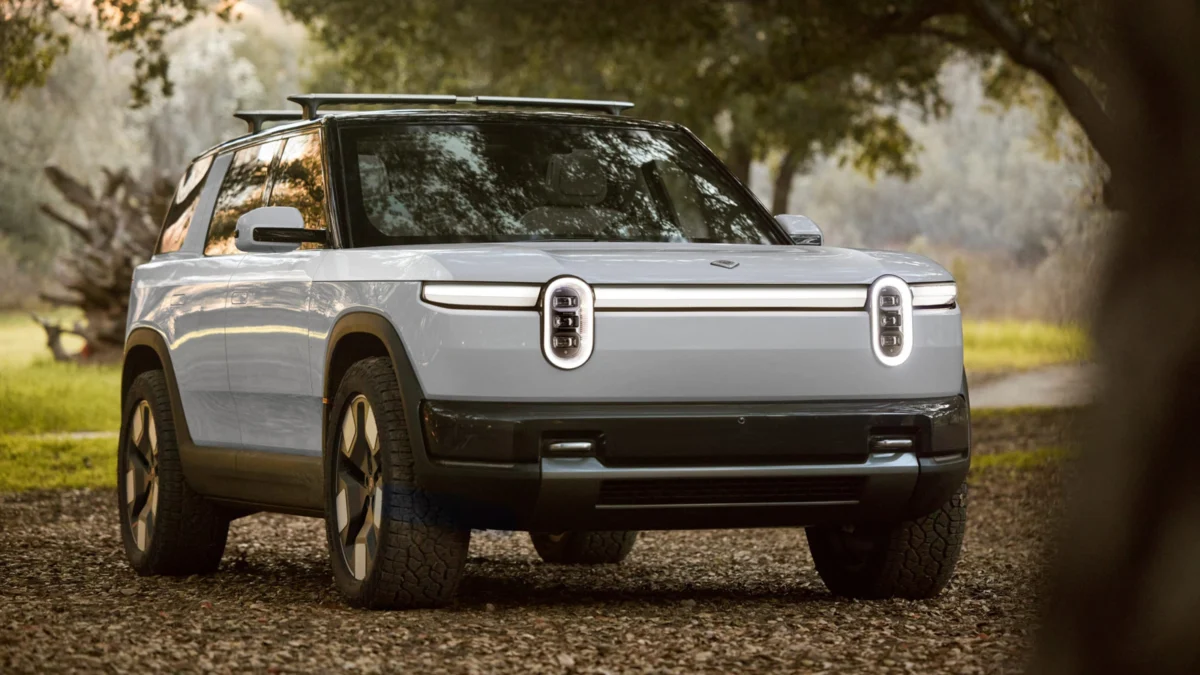
As the electric vehicle market matures, few companies have captured the public imagination quite like Rivian. Following the successful deployment of the R1T pickup and the R1S SUV, the company is currently poised for its most ambitious chapter yet: the rollout of the R2. Early test drives suggest the R2 is not merely a competitive offering but potentially the benchmark for its price segment, signaling a pivotal moment for CEO RJ Scaringe. His stated objective is clear: to transition Rivian from a niche luxury innovator into a household name that stands toe-to-toe with legacy automotive giants.
However, the path to becoming a global EV powerhouse was nearly derailed before it truly began. While millions now recognize the Rivian logo, the company’s history is rooted in a legal dispute that forced an emergency rebranding during its infancy. This is the story of how a small, cash-strapped startup transformed from "Avera" into the automotive force we know today.
The Genesis of Avera: A Vision for Efficiency
In 2009, long before the R1T dominated trails, RJ Scaringe founded his company under the moniker "Avera." At the time, the startup did not envision itself as a builder of rugged, all-terrain adventure vehicles. Instead, Scaringe’s initial vision was centered on high-efficiency sports cars.
Working with a limited team and a shoestring budget, the early Avera crew managed to engineer a prototype that prioritized aerodynamics and fuel economy—a stark contrast to the heavy, battery-electric trucks that define the brand today. During these formative years, the company operated in relative obscurity, focused on engineering breakthroughs rather than public branding. But as the startup began to gain modest traction, it inadvertently crossed paths with one of the world’s largest automotive conglomerates: Hyundai.
The Legal Collision: Hyundai vs. Avera
In 2010, the burgeoning startup received a cold reminder of the brutal realities of the automotive industry. Hyundai, the South Korean manufacturing titan, filed a lawsuit against the young company. The contention was simple: the name "Avera" sounded too similar to the "Azera," a luxury flagship sedan that served as a cornerstone of Hyundai’s American lineup at the time.
For a startup with a very small pool of capital, a legal battle with a multinational corporation was a non-starter. Scaringe, speaking on the How I Built This podcast with Guy Raz, reflected on the decision-making process during that crisis. "We said, ‘Okay, we’re not going to fight Hyundai and use the very small number of dollars we have to fight over a name that very, very few people around the world had ever even heard of,’" Scaringe explained.
The choice was binary: bleed the company dry in a courtroom to defend a name, or pivot and focus those precious resources on the actual engineering of the vehicle. Scaringe chose the latter, opting to abandon the Avera brand entirely.
The Rebirth: How "Rivian" Was Born
With the legal pressure mounting, the small team began an exhaustive brainstorming process to find a replacement identity. The requirements were specific: the name needed to be memorable, easy to pronounce, and linguistically neutral to ensure it would hold no negative connotations in global markets.
After hours of deliberation, the team settled on a portmanteau: "Rivian." The name was a deeply personal tribute to Scaringe’s upbringing, derived from the Indian River in Florida, a location that played a significant role in his childhood. Beyond the personal connection, the name carried a metaphorical weight. "River" evoked imagery of flow, movement, and a journey—a perfect fit for an automotive brand. Furthermore, the suffix "ian" rounded out the name, providing a sense of structure and completion.
Importantly, the name passed the rigorous "meaning check." By ensuring the name didn’t hold specific, potentially offensive, or awkward meanings in other major languages, the team secured a blank slate upon which they could build a global identity. Hyundai, satisfied that the potential for consumer confusion had been eliminated, allowed the litigation to drop. The Azera continued its run in the U.S. market until 2017, when it was eventually sidelined to make room for Hyundai’s burgeoning Genesis luxury brand.
Chronology: From Concept to Global Player
The timeline of the company’s evolution offers a masterclass in persistence and long-term planning:
- 2009: RJ Scaringe founds Avera with a focus on fuel-efficient sports cars.
- 2010: Hyundai files a trademark lawsuit, forcing the company to abandon the Avera name.
- 2011: The brand officially transitions to "Rivian," and the company pivots toward a new technological roadmap.
- 2013: The first prototype pickup truck is constructed. The team spends the next several years in a cycle of iteration, redesigning the architecture to meet the high standards of durability and performance required for their vision.
- 2018: The company finally emerges from its "stealth" period, unveiling the R1T and R1S at the LA Auto Show.
- 2021: Rivian goes public, marking one of the most successful IPOs in automotive history.
- 2024/2025: The company launches the second generation of its R1 platform, boasting improved range and efficiency, while simultaneously preparing the R2 for mass-market production.
The Engineering Philosophy: Why the Wait Was Worth It
The years between 2013 and 2018, where the brand largely disappeared from the public radar, are often cited by analysts as the most critical period in the company’s history. While competitors were rushing to market with "compliance cars"—vehicles designed primarily to meet regulatory requirements—Rivian spent its limited time and capital refining the "skateboard" platform.
This platform, which houses the battery, drivetrain, and suspension in a low-profile chassis, allowed for the modularity that eventually birthed both the R1T and the R1S. By focusing on the underlying technology rather than the exterior aesthetics, the company ensured that when they finally reached the market, they weren’t just selling a car—they were selling a lifestyle-capable machine that could handle off-road conditions as comfortably as highway commuting.
Implications for the Future
The story of the name change is more than just a historical footnote; it is a testament to the agility required to succeed in the automotive industry. Had Scaringe been stubborn, or had he chosen to fight a losing battle, the company might have folded before ever producing a single vehicle.
Today, the implications of that pivot are clear. With the R2, Rivian is moving into a segment where volume and brand recognition are paramount. The "Rivian" name, now synonymous with rugged innovation and clean-energy adventure, has become a massive asset. As the company prepares to ramp up production at its upcoming Georgia facility, the nameplate is expected to reach a demographic that has, until now, only seen the R1 series as an aspirational luxury product.
Conclusion: The Long Road Ahead
Looking back, the transition from Avera to Rivian serves as a reminder that the identity of a company is often forged in the fires of adversity. While the legal clash with Hyundai was a stressful hurdle in 2010, it ultimately provided the brand with a name that is distinct, evocative, and globally scalable.
As Rivian approaches the critical R2 launch, the company remains a case study in focus. By prioritizing the product over the ego of the brand name, Scaringe and his team managed to survive a crisis that could have easily ended their venture. Now, as they stand on the precipice of mass-market adoption, that early lesson in adaptability may well be the defining factor that ensures Rivian becomes not just a successful startup, but a permanent fixture in the history of the electric revolution.

 Nana Wu
 Reynand Wu