Lina Hope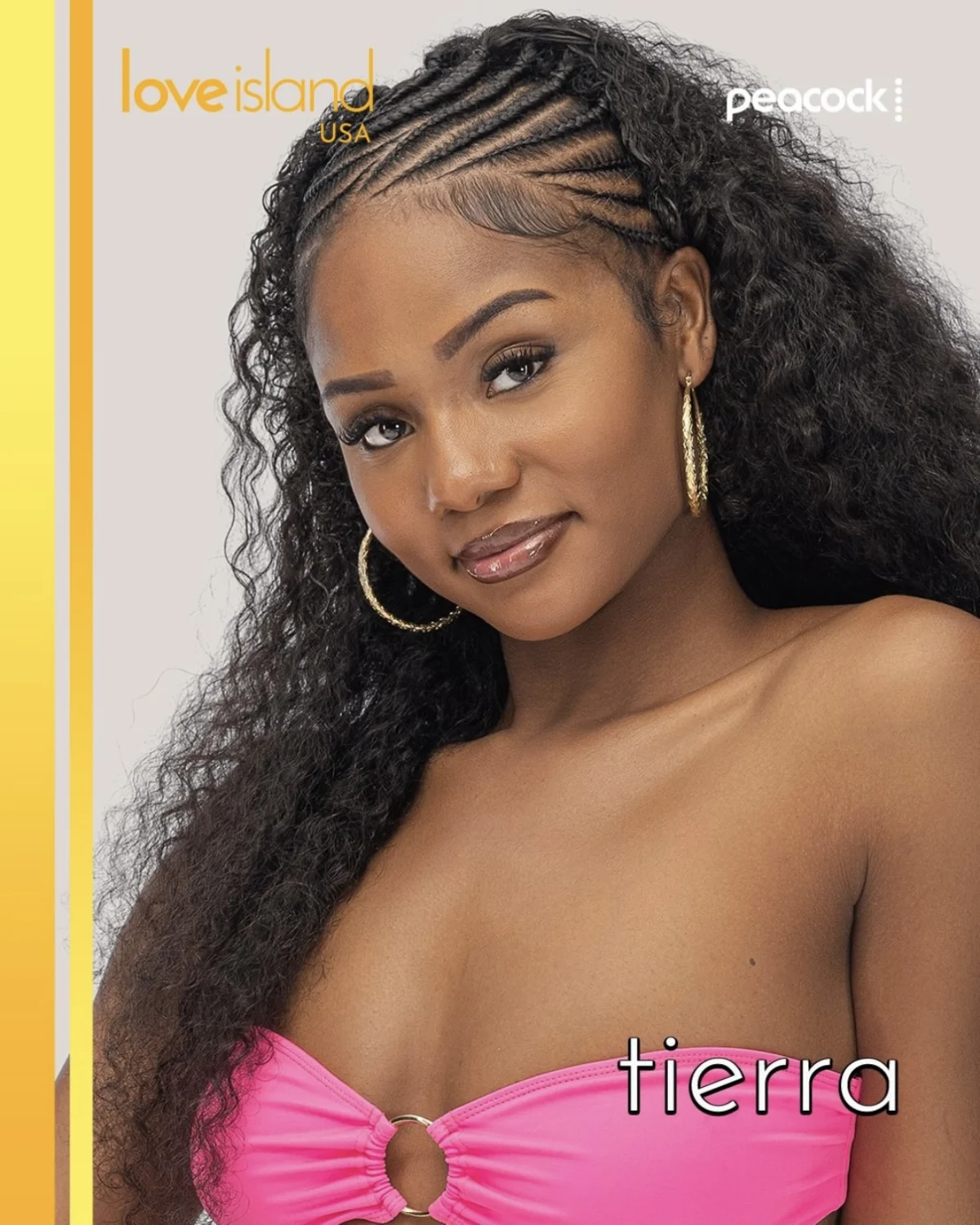
The sun is setting over the picturesque coast of Fiji, but for a new group of hopeful singles, the heat is only just beginning. Peacock’s runaway reality hit, Love Island USA, officially kicked off its highly anticipated eighth season on June 2, marking the return of the summer’s most addictive television experience. With Ariana Madix reprising her role as the series host and the inimitable Iain Stirling returning to provide his signature sharp-witted narration, the franchise is looking to capitalize on the massive momentum that turned it into a cultural juggernaut over the past two years.

The Main Facts: A New Chapter in Paradise
Season eight of Love Island USA brings a fresh batch of "Islanders" to the luxurious villa, all eager to navigate the complicated waters of modern romance. The format remains as high-stakes as ever: contestants must pair up to survive, facing constant pressure from new "bombshells" who arrive with the sole intent of turning heads and disrupting established connections.

The premiere, which aired on June 2 at 6 p.m. PT / 9 p.m. ET, set the tone for what producers promise to be the most dramatic season yet. While the core premise—singles mingling in a high-pressure, sun-drenched environment—remains the bedrock of the show, the production team has implemented new twists to keep both the contestants and the audience on their toes.

Ariana Madix, whose transition from reality star to the face of Love Island USA has been widely lauded by both critics and fans, continues to serve as the guiding light for the Islanders. Her presence is a significant draw, bridging the gap between established reality television culture and the fresh, chaotic energy of the Love Island brand.

A Chronology of Success: How the Show Conquered Streaming
To understand the scale of the current season, one must look back at the meteoric rise of the franchise on Peacock. Over the last several years, Love Island USA has evolved from a niche summer diversion into a primary pillar of NBCUniversal’s streaming strategy.

Last year’s seventh season was a watershed moment for the show. It shattered internal records, officially becoming the streamer’s most-watched original series. The data was staggering: the season accounted for a massive 18.4 billion minutes of total watch time throughout its six-week broadcast window. This level of engagement is rare in the streaming landscape, proving that appointment-based reality television is not only alive but thriving in the digital age.

The finale of season seven saw the crowning of Amaya Espinal and Bryan Arenales, who captured the hearts of the voting public. They were joined in the final stages of the competition by other notable couples, including Olandria Carthen and Nicolas Vansteenberghe, Huda Mustafa and Chris Seeley, and Iris Kendall alongside Jose "Pepe" Garcia-Gonzalez. Their success in the villa translated into significant social media followings, further cementing the show’s status as a launchpad for modern digital influencers.

Supporting Data: The Mechanics of the Engagement Machine
What makes Love Island USA a unique beast in the television industry is the level of audience participation. The show is not merely watched; it is governed by the viewers. Through the official Love Island USA app, fans are given the power to shape the narrative, voting on everything from which couples stay together to which new bombshells should enter the villa to stir up trouble.

This interactivity creates a feedback loop that drives social media engagement. During the airing of season seven, the show dominated trending topics on platforms like X (formerly Twitter) and TikTok. The production team has leaned into this, ensuring that the show’s schedule caters to the digital-first audience.

The broadcasting schedule for season eight is designed to maintain high engagement:

- Premiere Week: Daily episodes to establish the initial dynamics.
- Regular Schedule: Episodes drop every Thursday through Tuesday.
- Companion Programming: Love Island Aftersun, hosted by Ciara Miller and content creator Tefi Pessoa, airs every Saturday starting June 13, providing deep-dive analysis, guest interviews, and behind-the-scenes content that keeps the conversation alive even when the main show is on a brief hiatus.
Official Responses and Production Ethics
As the show has grown in popularity, so has the scrutiny surrounding the mental health and online safety of its participants. In a proactive move ahead of the season eight launch, Peacock issued a formal statement to the fanbase, explicitly urging viewers to "keep it kind, keep it positive" on social media platforms.

This represents a growing trend in reality television production—an acknowledgment that the intense public interest generated by the show carries the potential for toxicity. By setting a standard for discourse, the producers are attempting to foster a community that celebrates the contestants’ journeys without devolving into the harassment that has plagued other reality franchises in the past.

Furthermore, the involvement of experienced hosts like Madix, who understands the nuances of reality television fame, provides a level of mentorship and stability within the villa. Her interviews and guidance on screen are not just for show; they serve as an anchor for the contestants as they deal with the rapid transition from private citizens to public figures.

Implications for the Future of Reality TV
The success of Love Island USA has significant implications for the broader television industry. It proves that there is a massive, underserved market for high-production-value, daily-release reality content. In an era where many viewers are experiencing "choice paralysis" on streaming platforms, the consistency and community aspect of Love Island offer a reliable, comforting, and exciting routine.

Furthermore, the show’s success in integrating digital influencers and content creators into its hosting and companion-series roles indicates a shift in how networks view talent. By tapping into individuals like Tefi Pessoa—who have built their own audiences outside of traditional media—Peacock is ensuring that Love Island USA remains relevant to Gen Z and Millennial demographics.

As we look toward the remainder of the summer, the trajectory of season eight suggests that the "Love Island effect" is not slowing down. With the expansion of the "Casa Amor" segments—a fan-favorite twist that tests the strength of established couples—and the constant influx of new, unpredictable bombshells, the narrative structure is built for longevity.

Looking Ahead: The Journey Continues
For the viewers, the next few weeks will be defined by the "text" alerts, the recoupling ceremonies, and the inevitable heartbreak that comes with a show centered on finding love in a high-stakes environment. The Hollywood Reporter remains committed to tracking the developments of the villa, from the evolving dynamics of the original cast to the shock arrivals of new contenders.

As the season progresses, the focus will undoubtedly shift from the initial attraction to the deeper emotional stakes of the competition. The question remains: can the couples formed in the opening weeks survive the scrutiny of the public, the temptation of the bombshells, and the pressure of the final vote?

For those wishing to follow the action, the Love Island USA app remains the primary tool for influence. As the producers continue to update the roster and bring in new faces, the show promises to be a masterclass in modern storytelling. Whether you are a long-time fan of the franchise or a newcomer drawn in by the buzz surrounding Ariana Madix’s return, season eight is poised to be a defining moment in the history of the series.

The villa doors are open, the cameras are rolling, and in the world of Love Island, anything can happen. Stay tuned as we continue our comprehensive coverage of the season, the contestants, and the inevitable twists that will define the summer of 2026.

 Layla Zulfa