Laily UPN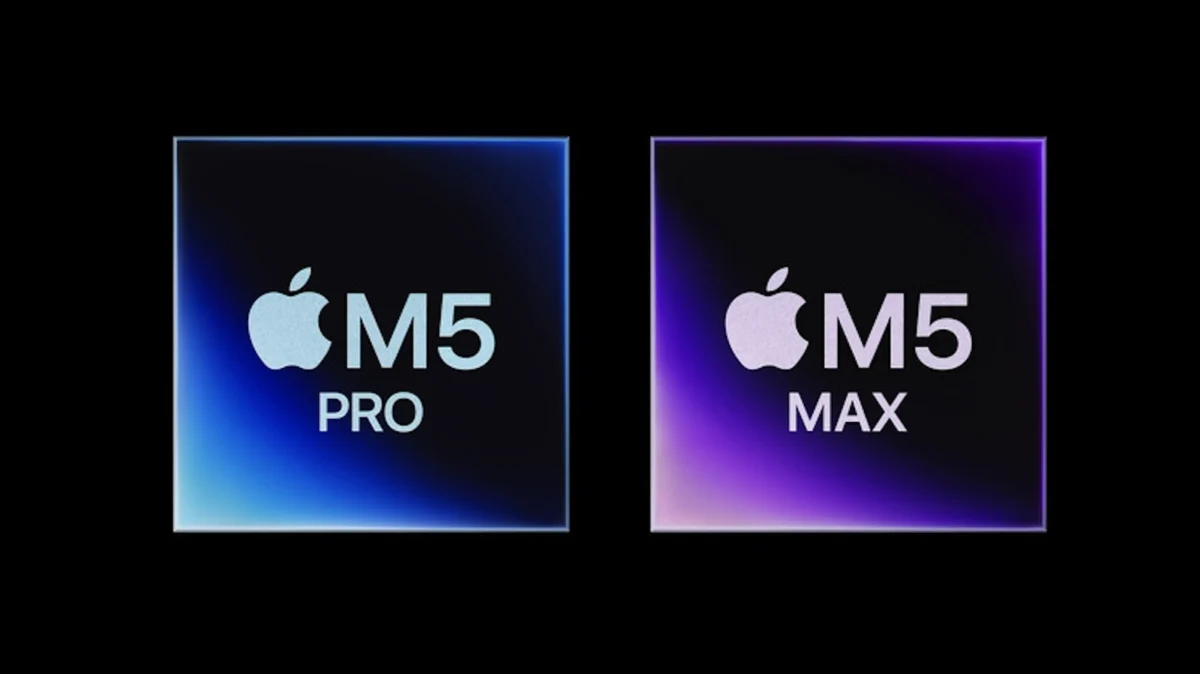
In a landscape where the lines between mobile computing and traditional desktop productivity continue to blur, Apple is reportedly preparing a pivotal transformation for its flagship laptop line. According to recent insights from Bloomberg’s Mark Gurman, the Cupertino-based tech giant is moving forward with plans for a touchscreen MacBook, a project that is slated to bypass the anticipated M6 chip generation in favor of a more aggressive deployment schedule utilizing the existing M5 architecture.
This strategic decision marks a significant departure from Apple’s typical cadence of chip-to-hardware synchronization. By anchoring the touchscreen MacBook’s launch to the M5 Pro and M5 Max chips, Apple is signaling a prioritization of form factor innovation over waiting for the next iterative leap in silicon performance.
Main Facts: A New Era for the MacBook
The core of the upcoming hardware update revolves around the integration of touch-sensitive display technology into the MacBook Pro chassis. For over a decade, Apple executives—including the late Steve Jobs—maintained that a touchscreen laptop was an ergonomic nightmare, citing the "gorilla arm" fatigue associated with vertical touch interactions. However, market pressures and the convergence of iPadOS and macOS have clearly prompted a change in internal strategy.
Key details regarding the transition include:
- The M5 Foundation: The touchscreen MacBook is expected to debut powered by the M5 Pro and M5 Max chips, the same hardware currently making waves in the 2026 product lineup.
- Design Paradigm Shift: The device will feature an "updated industrial design," representing the most significant aesthetic overhaul of the MacBook Pro since the 2021 redesign.
- Interface Evolution: Beyond the hardware, the device is expected to incorporate the "Dynamic Island" interface, bridging the visual language of the iPhone with the high-productivity environment of the Mac.
- Display Technology: Apple is moving toward OLED panels, which offer superior contrast ratios, deeper blacks, and better power efficiency compared to the current Liquid Retina XDR displays.
Chronology: Navigating the Roadmap
Understanding the timeline of this release requires looking at the broader roadmap of Apple Silicon. Apple has historically followed a predictable biennial cadence for its "M" series chips, but the recent decision to skip the M6 for high-end Pro and Max variants suggests a "leapfrog" strategy designed to maintain competitive dominance against Windows-based ARM alternatives.
2026: The M5 Era
The current year has been dominated by the rollout of the M5 family. The efficiency and thermal management of the M5 Pro and Max have provided Apple with the necessary overhead to support more complex display technologies, such as touch-layer digitizers, without compromising battery life.
Late 2026 to Early 2027: The Launch Window
The initial launch of the touchscreen MacBook is currently projected for the tail end of 2026 or the first quarter of 2027. By leveraging the mature M5 platform, Apple mitigates the risks associated with launching a new form factor simultaneously with a new chipset architecture.
Late 2027: The M7 Transition
According to reports, the M7 chip architecture is already in advanced testing. Apple intends to transition the touchscreen MacBook to the M7 platform relatively quickly. This allows the company to treat the "Touch MacBook" as an evolving product line rather than a static one-off experiment.
2028: The M7 Ultra
The roadmap extends into 2028, where the M7 Ultra is expected to round out the professional lineup, likely targeting the high-end workstation market and potential Mac Studio or Mac Pro refreshes.
Supporting Data: The Technical Underpinnings
To understand why Apple is choosing to deploy the M5 chips for this venture, one must look at the technical specifications of the M5 Pro and Max. These chips are characterized by the inclusion of "super-cores"—high-performance processing units that significantly outpace their predecessors in single-core tasks.
The Thermal Efficiency of Touch
Adding a touch layer to a screen requires additional power consumption and, in some display configurations, added heat dissipation requirements. The M5’s thermal architecture is reportedly robust enough to handle the overhead of a touch-sensitive interface without requiring an aggressive redesign of the MacBook’s cooling fans.
Dynamic Island Integration
The integration of the Dynamic Island into macOS is not merely a cosmetic choice. It represents a functional shift in how macOS manages background processes and notifications. By utilizing the M5’s Neural Engine, Apple is creating a system where the "island" can adapt to different workflows, providing a tactile, interactive bridge between the user’s cursor and the touch interface.
Official Responses and Industry Context
While Apple maintains its policy of not commenting on unreleased products, the industry sentiment surrounding these reports is overwhelmingly positive. Apple’s "walled garden" has long kept the Mac, iPad, and iPhone distinct; however, the move toward touch suggests a unified ecosystem where the OS becomes secondary to the user experience.
Market analysts note that Apple has been quietly testing internal prototypes of touchscreen laptops for years, specifically under the codename "Project Horizon." These prototypes have consistently focused on the interaction between the macOS windowing system and touch input, ensuring that the precision of a mouse cursor is not lost when a user touches the screen.
Implications: The Future of Computing
The decision to move forward with a touchscreen MacBook carries profound implications for both the software developer community and the hardware market.
For Developers: A New UI Paradigm
Developers will need to rethink how macOS applications handle input. Historically, Mac apps have relied on "hover" states and precise mouse clicking. A touchscreen environment requires larger tap targets and gesture-based navigation, similar to the transition developers faced when moving from desktop websites to mobile-optimized experiences in the late 2000s.
For the Competition: Closing the Gap
The laptop market, dominated by Windows machines that have featured touchscreens for years, is currently seeing a surge in ARM-based competitors. By bringing touch to the Mac, Apple is neutralizing one of the primary competitive advantages of high-end Windows ultrabooks. It effectively removes a reason for power users to migrate to other platforms.
The Convergence of iPad and Mac
Perhaps the most significant implication is the potential convergence of the iPad and the Mac. If the MacBook gains a touchscreen, the line between an "iPad Pro with a Magic Keyboard" and a "MacBook with a touchscreen" becomes razor-thin. This leads to questions regarding the future of iPadOS. Will we eventually see a unified operating system that scales based on the input method? Or will Apple maintain two separate platforms that simply share a common design language?
Industrial Design and Ergonomics
The "updated industrial design" mentioned in reports may suggest a hinge mechanism that allows the screen to sit flatter, or perhaps a chassis that is more resilient to the pressures of touch input. Apple is unlikely to release a product that feels "flimsy" under pressure, implying a high-strength glass or a reinforced display assembly.
Conclusion
Apple’s decision to launch a touchscreen MacBook using the M5 chip architecture is a calculated risk that reflects the company’s confidence in its current silicon. By prioritizing the user experience of touch—supported by the Dynamic Island and advanced OLED displays—Apple is preparing to redefine the laptop category once again.
As the industry looks toward the 2027 release window, the focus remains on whether this shift is merely a convenience feature or a fundamental restructuring of how we interact with our digital tools. If history is any indicator, Apple will not just add a feature; they will attempt to set the standard for how touch should function in a professional, high-performance environment. The M5 Pro and Max are merely the engines for this transition; the real change will be in how we work, create, and interact with the next generation of Apple hardware.


 Azzam Bilal Chamdy