San Francisco, CA – In a seismic legal challenge that could reshape the global semiconductor landscape, three of the world’s most dominant chip manufacturers – SK Hynix, Samsung, and Micron – are facing a federal class-action lawsuit alleging "concerted anticompetitive behaviour" within the Dynamic Random Access Memory (DRAM) market. The suit, filed in the District Court for the Northern District of California, claims the trio deliberately manipulated supply and prices of conventional DRAM, driving up costs for consumers and businesses alike, while strategically pivoting towards the lucrative high-bandwidth memory (HBM) sector fueled by the burgeoning artificial intelligence (AI) industry.
The allegations paint a picture of calculated market control, asserting that the companies coordinated their exit from the production of older-generation DDR3 and DDR4 DRAM, essential components for personal computers, gaming consoles, and various consumer electronics. This alleged pivot towards HBM, critical for data centers and AI accelerators, is claimed to have been executed "in defiance of all economic and business logic" regarding the conventional DRAM market, which lawyers argue was highly profitable. The lawsuit posits that this coordinated action has resulted in a staggering 700% increase in conventional DRAM prices over the past four years, inflicting substantial financial burden on a wide array of industries and end-users.
This legal battle arrives at a time when the AI boom is placing unprecedented demand on advanced computing hardware, simultaneously creating immense pressure and opportunity for chipmakers. However, the lawsuit suggests that this opportunity has been exploited through anticompetitive practices, drawing parallels to a previous criminal conspiracy among the same companies to fix DRAM prices between 1998 and 2002. The outcome of this case could have profound implications for the accessibility and affordability of technology, the competitive dynamics of the semiconductor industry, and the regulatory oversight of critical supply chains.
The Allegations Unpacked: A Coordinated Market Shift
The heart of the class-action lawsuit, spearheaded by antitrust specialist Bathaee Dunne LLP, revolves around several key allegations that collectively suggest a deliberate strategy to constrain supply and inflate prices in the conventional DRAM market.
Accusations of Anticompetitive Practices
According to the initial filing, the three chip giants — SK Hynix, Samsung, and Micron — are accused of engaging in a coordinated effort to control the supply and pricing of DRAM since 2022. This alleged coordination manifested primarily through a strategic shift in manufacturing priorities. The lawsuit claims that the companies collectively decided to reduce or cease production of DDR3 and DDR4 DRAM, which are widely used in a vast array of consumer electronics, from laptops and desktop PCs to routers and embedded systems. Instead, they purportedly redirected their manufacturing capacity and resources towards the production of High-Bandwidth Memory (HBM), a more advanced and specialized type of DRAM critical for the high-performance computing demands of AI data centers.
This pivot, while seemingly a response to market demand for AI-specific hardware, is characterized by the plaintiffs’ lawyers as an anticompetitive maneuver. By allegedly coordinating this shift, the companies could artificially constrain the supply of conventional DRAM, thereby creating scarcity and enabling significant price increases. The filing asserts that this behavior goes against fundamental principles of competitive markets, where producers would typically respond to demand by increasing supply, or at least maintaining it, especially in a profitable segment.
The "Defiance of Economic Logic" Claim
A central tenet of the plaintiffs’ argument is that the alleged reduction in consumer-facing DRAM supply occurred "in defiance of all economic and business logic." Lawyers highlight Micron’s announced plan to shut down its consumer-focused Crucial DRAM business by 2025 as a prime example. This decision, they argue, is particularly perplexing given that the Crucial brand was reportedly at its "most profitable point in its history." In a truly competitive market, a company would typically expand or maintain operations in a highly profitable segment, not exit it. The lawsuit suggests that Micron’s decision, alongside similar actions or inactions by Samsung and SK Hynix, points to an overarching strategy to collectively manipulate market dynamics rather than respond to them organically.
The cumulative effect of these alleged actions has been dramatic. The filing explicitly states that prices for conventional DRAM have surged by approximately 700% over the last four years. This exponential increase far outpaces any reasonable inflation or cost-of-production increases, according to the plaintiffs, and serves as compelling evidence of market distortion. For consumers, this translates directly into higher costs for new computers, upgrades, and devices. For manufacturers, it means increased production costs, which are often passed on to the end-user or squeeze profit margins, potentially stifling innovation and competition within the broader electronics industry.
A Historical Echo: Past Antitrust Violations
The current lawsuit gains additional weight and context from a significant historical precedent involving the same three defendants. This is not the first time SK Hynix, Samsung, and Micron have faced accusations, and convictions, of market manipulation.
The 1998-2002 Precedent
The filing prominently notes that Samsung, SK Hynix (then known as Hyundai Electronics), and Micron were previously found to be involved in a criminal conspiracy to fix DRAM prices between 1998 and 2002. This earlier investigation by the U.S. Department of Justice resulted in substantial fines and, in some cases, jail sentences for executives. The companies collectively paid hundreds of millions of dollars in penalties. This historical pattern is crucial for the current class-action lawsuit, as it suggests a propensity for coordinated anticompetitive behavior and potentially a deep-seated culture of market manipulation within these organizations. For the plaintiffs, this precedent serves to underscore the credibility of their current allegations, indicating that the alleged conduct is not an isolated incident but potentially a recurrence of past illegal activities.
Barriers to Entry and Market Control
A significant factor contributing to the alleged ability of these three companies to manipulate the DRAM market is the extraordinarily high barrier to entry for new competitors. The lawsuit highlights the immense capital investment required to establish and operate a modern DRAM fabrication plant (fab). Estimates place this cost at a staggering $15 billion to $20 billion, coupled with a long and complex roadmap for design, development, and mass production.
This colossal financial and technical hurdle effectively creates an oligopoly, where a handful of dominant players control the vast majority of the market. The lawyers argue that this high barrier makes it extremely difficult for new entrants to emerge and "discipline" the existing companies by offering competitive pricing or increasing supply. Without the threat of new competition, the incumbent firms allegedly face fewer external pressures to adhere to fair market practices, making them more susceptible to engaging in coordinated efforts to maintain their market power and profitability, even at the expense of consumers. This structural characteristic of the DRAM industry is thus presented as a key enabler for the alleged anticompetitive behavior.
The AI Boom’s Unintended Consequences
The rapid ascent of Artificial Intelligence technologies has undeniably transformed the global tech landscape, creating unprecedented demand for specialized hardware. However, the lawsuit suggests that this AI revolution has inadvertently—or perhaps intentionally—exacerbated market issues in the conventional DRAM sector.
The HBM Pivot and Data Center Demand
At the core of the current market dynamics is the pivot by SK Hynix, Samsung, and Micron towards High-Bandwidth Memory (HBM). HBM is a type of RAM designed for superior performance, characterized by its stacked-die configuration that allows for significantly higher data transfer rates compared to conventional DRAM. This makes HBM indispensable for AI accelerators, graphics processing units (GPUs), and other high-performance computing applications that power large-scale data centers and AI models.
With the explosion of interest and investment in AI, particularly generative AI, demand for HBM has skyrocketed. Major tech players like NVIDIA, Google, Microsoft, and Amazon are all investing heavily in AI infrastructure, creating an insatiable appetite for HBM. The lawsuit alleges that the defendant companies, recognizing this lucrative opportunity, strategically shifted their manufacturing capabilities and resources to prioritize HBM production. While a natural business response to capitalize on a booming market, the plaintiffs argue that this shift was executed in a coordinated manner that deliberately starved the conventional DRAM market, rather than simply letting market forces naturally rebalance supply. This strategic re-prioritization, according to the lawsuit, directly contributed to the severe downturn in consumer-facing DRAM and NAND (another type of non-volatile memory) supply, leading directly to the soaring prices observed in the market.
Impact on Consumer Electronics
The consequences of this alleged HBM pivot and the resulting conventional DRAM shortage have rippled across the entire consumer electronics ecosystem. Products ranging from everyday personal computers to high-end gaming consoles are directly affected by the scarcity and increased cost of DRAM.
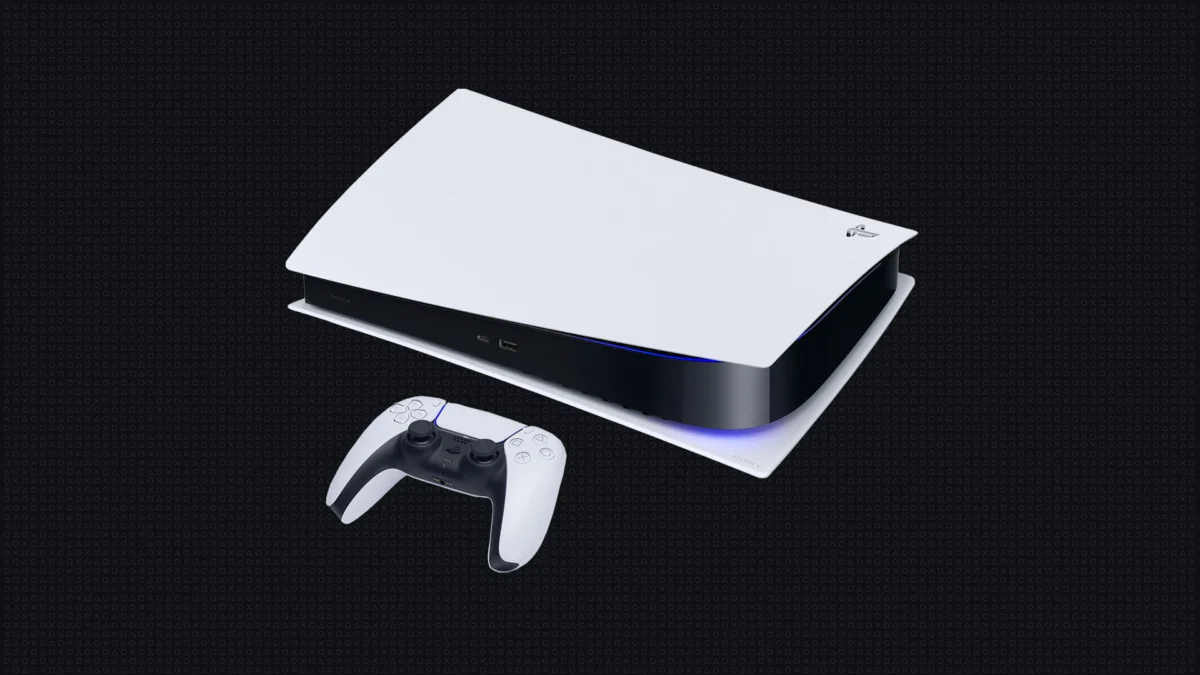
The lawsuit highlights specific impacts on the gaming industry, noting that major console manufacturers like Sony, Microsoft, and Nintendo have all reportedly increased the costs of their game hardware. This is a direct reflection of the higher component costs, with DRAM being a critical ingredient in modern gaming systems. Furthermore, Valve, the developer behind the popular Steam platform, recently stated that its soon-to-be-released Steam Machine console would cost more than initially desired, explicitly attributing this increase to the pressures created by the AI boom and its impact on chip pricing.
Beyond gaming, the PC market is also feeling the pinch. Builders of custom PCs, as well as manufacturers of pre-built systems, face higher bills for RAM modules, which in turn translates to more expensive end products for consumers. The broader implication is that technological advancement and accessibility for the average consumer could be hampered if essential components remain artificially inflated in price due to alleged market manipulation. The lawsuit posits that consumers are effectively subsidizing the AI boom through inflated prices on their everyday electronics.
Soaring Prices and Market Volatility
The most tangible evidence cited by the class-action lawsuit is the dramatic escalation in DRAM prices and the resulting financial windfalls for the accused companies, alongside the chaotic market conditions described by industry experts.
The 700% Price Hike
Central to the plaintiffs’ case is the staggering claim that conventional DRAM prices have surged by approximately 700% over the past four years. This figure represents an extraordinary increase that, according to the lawyers, cannot be explained by normal market fluctuations, increased production costs, or genuine supply-demand imbalances alone. Instead, it is presented as a direct consequence of the alleged coordinated supply cuts and market manipulation by SK Hynix, Samsung, and Micron. Such a dramatic price escalation has a cascading effect throughout the tech supply chain, impacting everything from the cost of raw materials for manufacturers to the final retail price paid by consumers for everything from smartphones to servers.
Industry Expert Perspectives
The tumultuous state of the hardware market has not gone unnoticed by industry insiders. Speaking to GamesIndustry.biz earlier this year, an unnamed industry expert candidly described the current market for hardware as "totally crazy." This sentiment encapsulates the frustration and confusion among businesses and analysts grappling with unpredictable supply chains, sudden price spikes, and the perceived irrationality of certain market behaviors. The expert’s description lends qualitative support to the quantitative claims of price inflation, suggesting that the market is indeed operating under unusual and potentially manipulated conditions. Such anecdotal evidence from within the industry can bolster the legal argument that the market is not functioning as a free and fair competitive environment.
Micron’s Record Profits
Further reinforcing the plaintiffs’ claims of manipulated profitability, the lawsuit points to Micron’s recent financial reports. In its financials for the last quarter, Micron reported a colossal 1,398% increase in profit year-on-year. While companies are expected to pursue profitability, such an exponential surge in profits, especially when juxtaposed with the alleged coordinated supply cuts and astronomical price increases for conventional DRAM, raises significant questions. The plaintiffs argue that this extraordinary profit growth is not merely a reflection of efficient operations or innovative products, but rather a direct benefit derived from the alleged anticompetitive practices that artificially inflated market prices and suppressed supply, ultimately at the expense of consumers and other businesses. This financial data serves as a compelling piece of evidence connecting the alleged actions to tangible economic benefits for the defendants.
The Class Action: Who is Affected?
The lawsuit is structured as a class action, a legal mechanism designed to allow a large group of people with similar claims to sue as a group. This approach is particularly relevant in antitrust cases where the harm is widespread but individual damages might be too small to warrant separate lawsuits.
The Plaintiffs
The class represented in this lawsuit is broadly defined, encompassing both individual consumers and brick-and-mortar retailers.
- Consumers: This group includes anyone who has purchased devices or components containing conventional DRAM (DDR3, DDR4) since 2022, and who has consequently paid inflated prices due to the alleged market manipulation. This could range from individuals buying new laptops or gaming PCs to those upgrading their existing systems with new RAM modules. The widespread nature of DRAM in modern electronics means that potentially millions of consumers could be part of this class.
- Brick-and-mortar retailers: This group consists of businesses that sell electronics and computer hardware to the public. These retailers would have incurred higher costs when purchasing DRAM-equipped products or standalone RAM modules from distributors, which in turn affected their pricing strategies, profit margins, and competitiveness. They too have been financially impacted by the alleged artificial price inflation.
The collective nature of the class action allows these diverse groups to pool their resources and present a unified front against the powerful chip manufacturers, seeking restitution for the alleged damages incurred.
The Legal Framework
A class-action lawsuit in an antitrust context aims to prove that the defendants engaged in illegal activities that harmed competition, such as price-fixing or market allocation, which directly resulted in financial damages to the class members. For the plaintiffs to succeed, they must demonstrate:
- Concerted Action: That the defendants acted together, rather than independently, to achieve their anticompetitive goals.
- Anticompetitive Effect: That their actions substantially lessened competition in the DRAM market.
- Causation: That this anticompetitive effect directly led to the alleged price increases and supply shortages.
- Damages: That class members suffered quantifiable financial harm as a result.
The lawsuit will seek monetary damages to compensate the affected consumers and retailers for the overpayments made due to the alleged manipulation. It may also seek injunctive relief, which would involve court orders to prevent future anticompetitive practices and restore fair competition in the DRAM market. The high stakes involved, given the size of the market and the financial heft of the defendants, mean this case could proceed through extensive discovery and potentially a lengthy trial, or lead to a significant settlement.
Official Responses: Awaiting Commentary
As of the time of this report, SK Hynix, Samsung, and Micron have not yet issued public statements in direct response to the allegations outlined in the class-action lawsuit.
Silence from the Accused
In such high-profile legal proceedings, it is common for corporations to either issue a brief statement denying the allegations, or, more frequently, to refrain from public comment while their legal teams review the filing and prepare their defense. The absence of immediate public statements from SK Hynix, Samsung, or Micron is consistent with this standard corporate legal strategy. Their responses will likely be formally filed with the court in due course, addressing the specific claims made by the plaintiffs’ lawyers. Any official comments, when they do emerge, will be critical in understanding their defense strategy and their interpretation of the market dynamics that led to the current situation. For now, the public and the affected class await the defendants’ official stance on these grave accusations of market manipulation.
Broader Implications and Future Outlook
The class-action lawsuit against SK Hynix, Samsung, and Micron extends far beyond the immediate financial claims, carrying profound implications for the global semiconductor industry, consumers, and the future trajectory of technological development.
Impact on the Global Semiconductor Industry
Should the allegations be proven true, this case could trigger increased regulatory scrutiny across the entire semiconductor sector. Antitrust bodies worldwide, including the U.S. Department of Justice, the European Commission, and various national competition authorities, may launch their own investigations into market practices, particularly concerning critical components like DRAM and NAND. This could lead to stricter enforcement of antitrust laws, potentially resulting in larger fines, forced divestitures, or structural changes to prevent future collusion.
The outcome could also influence the strategic decisions of other major players in the tech supply chain, potentially encouraging more vertical integration or diversification of suppliers to mitigate risks associated with an oligopolistic market. Furthermore, it might embolden smaller competitors or new entrants, if the legal precedent helps to dismantle artificial barriers to competition, though the immense capital required for chip manufacturing remains a significant hurdle.
Consequences for Consumers and Businesses
For consumers, a successful class action could result in significant financial restitution, compensating them for the inflated prices paid for electronics over several years. More importantly, it could lead to a more stable and competitive DRAM market in the long term, potentially driving down prices and making technology more accessible and affordable. This would benefit a vast range of industries, from PC manufacturing and gaming to automotive and telecommunications, all of which rely heavily on DRAM. Businesses, particularly smaller hardware manufacturers and retailers, could see improved profit margins and a fairer competitive environment, fostering innovation and economic growth. Conversely, if the lawsuit fails, it could reinforce the market power of the current oligopoly, potentially leading to continued price volatility and reduced consumer choice.
The AI Revolution’s Dark Side
Finally, this lawsuit casts a shadow over the otherwise celebrated AI revolution. While AI promises transformative advancements, the allegations suggest a potential "dark side" where the intense demand for AI-specific hardware inadvertently (or intentionally) creates market distortions that harm other sectors and everyday users. It raises ethical questions about how the pursuit of cutting-edge technology should be balanced with fair market practices and consumer welfare. The case could serve as a critical test for how legal and regulatory frameworks adapt to the rapid shifts in technological priorities and the potential for market manipulation in emerging, high-value sectors. The resolution of this lawsuit will undoubtedly shape not only the future of the DRAM market but also the broader narrative surrounding responsible innovation in the age of artificial intelligence.