

By Nicholas Bythrow | Published June 29, 2026
The long-awaited descent into the macabre has finally begun. Focus Features has officially unveiled the first full-length trailer for Werwulf, the highly anticipated supernatural horror feature directed by the visionary auteur Robert Eggers. Starring Aaron Taylor-Johnson in the lead role, the footage offers a chilling, visceral glimpse into a production that seeks to redefine the werewolf subgenre for a modern generation.
Known for his meticulous period accuracy and psychological intensity in films like The Witch, The Lighthouse, and The Northman, Eggers’ pivot to the werewolf mythos has been the subject of intense industry speculation for months. With the release of this trailer, the veil has finally been lifted, revealing a project that blends historical grit with primal, atmospheric terror.
The Core Narrative: A Descent into Primal Darkness
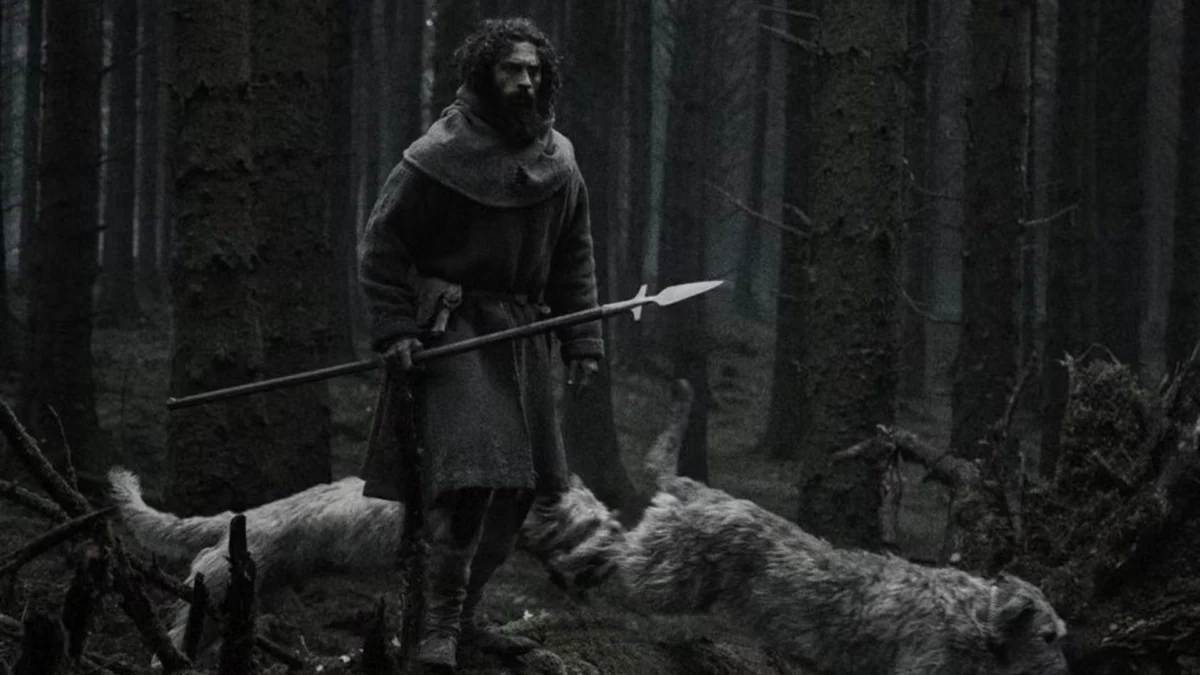
While the trailer remains intentionally cryptic, it establishes a tone of suffocating dread. The narrative appears to center on a man—played by Taylor-Johnson—grappling with a transformative curse that is as much a psychological unraveling as it is a physical metamorphosis.
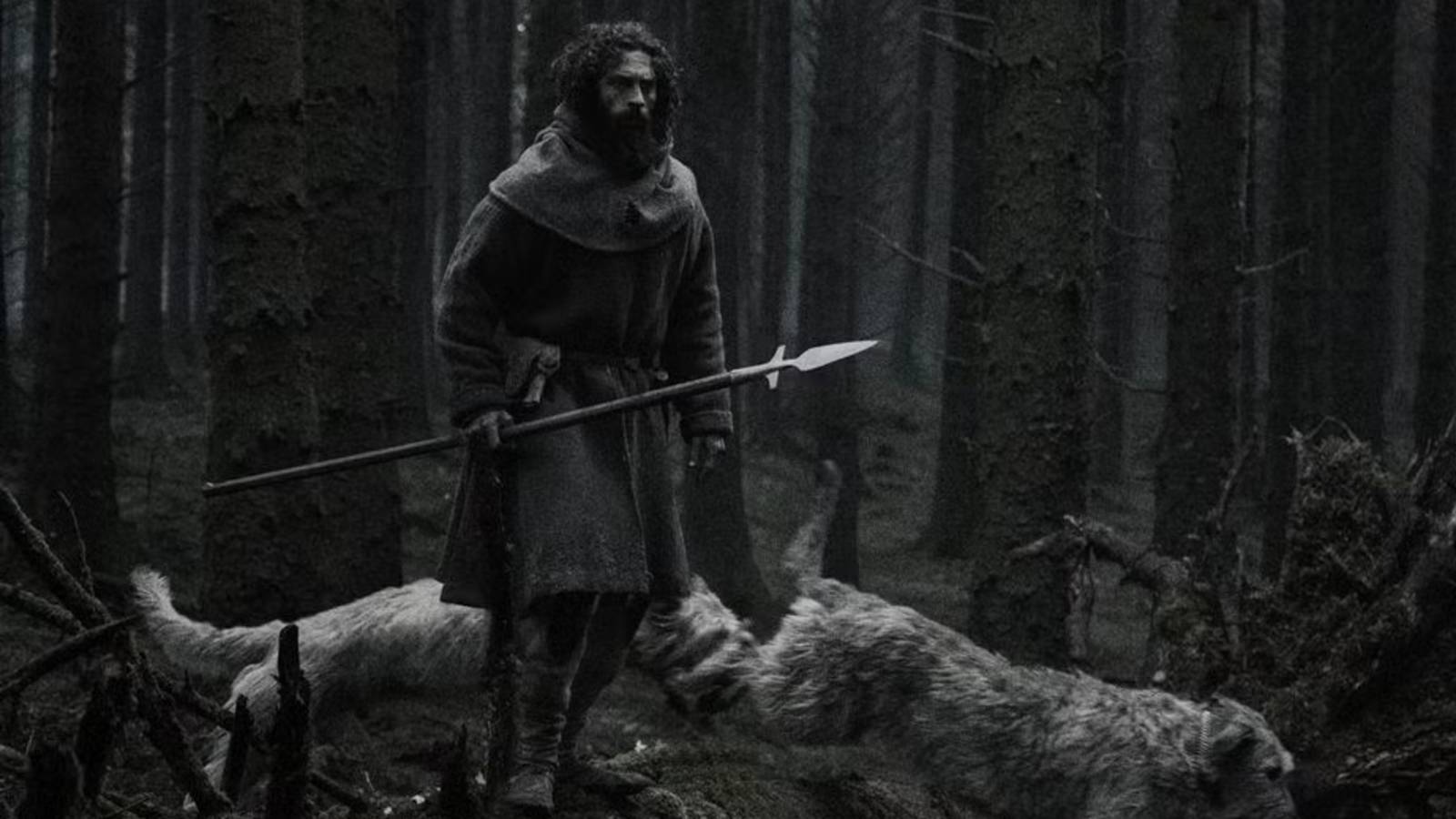
The trailer opens with sweeping, rain-lashed vistas of a dense, isolated forest, a hallmark of Eggers’ signature aesthetic. We see Taylor-Johnson’s character, isolated from his community, exhibiting signs of severe physiological distress. The pacing is deliberate, eschewing the quick-cut editing common in modern horror trailers in favor of lingering shots that heighten the audience’s sense of unease. As the trailer progresses, the auditory landscape becomes increasingly chaotic: the sound of snapping bone, frantic breathing, and an unsettling, guttural vocalization that suggests a creature born of both man and wolf.
Chronology of Production: A Journey from Concept to Screen
The path to Werwulf has been a journey defined by high expectations and extreme secrecy.
- Early 2024: Rumors first began circulating that Robert Eggers was scouting locations in the Pacific Northwest and Eastern Europe for a "creature feature."
- August 2024: Official confirmation arrived that Aaron Taylor-Johnson had signed on to star. The casting was hailed as a major coup, given Taylor-Johnson’s recent transition into more complex, physically demanding roles.
- November 2024 – March 2025: Principal photography took place under a strict media blackout. Cast and crew were reportedly prohibited from using mobile devices on set to prevent leaks regarding the film’s creature design.
- January 2026: Post-production began in earnest, with reports indicating that Eggers was insisting on extensive practical effects over CGI to achieve a tactile, "lived-in" feeling for the monster.
- June 2026: Focus Features announced the marketing campaign kickoff, culminating in today’s trailer release.
The production timeline reflects the director’s notorious perfectionism. By emphasizing practical effects and on-location shooting, the team aimed to avoid the "glossy" look that often plagues big-budget horror, instead opting for a texture that feels grounded in reality.
Supporting Data: Why ‘Werwulf’ is a Cultural Touchstone
The werewolf subgenre has seen a relative lull in high-brow entries over the last decade, with many projects leaning heavily into camp or action-heavy tropes. Werwulf represents a significant departure from these trends. Industry analysts have noted several factors contributing to the massive anticipation surrounding the film:
- The Eggers Factor: Following the critical success of The Northman, Robert Eggers has solidified his status as a director who can balance arthouse sensibilities with commercial appeal. His ability to evoke "folk horror" resonates deeply with modern audiences seeking more intellectual, atmospheric experiences.
- The Casting of Taylor-Johnson: Aaron Taylor-Johnson’s physical transformation for the role has become a focal point of pre-release discussion. Known for his intense preparation, Taylor-Johnson reportedly spent six months working with movement coaches to mimic canine physiology, adding an layer of authenticity that is rarely seen in mainstream horror.
- Return to Practicality: In an era dominated by AI and digital enhancement, the industry’s shift back toward practical, animatronic, and makeup-driven effects—championed by projects like this—has become a major marketing hook. Fans are eager for a return to the tactile scares of 1980s classics like An American Werewolf in London.
Official Responses and Creative Vision
In a brief statement following the trailer launch, Robert Eggers addressed the philosophy behind the film. "The werewolf myth is the ultimate exploration of the divide between civilization and the wild," Eggers stated. "We didn’t want to make a movie about a monster; we wanted to make a movie about the loss of self. It is a story about the fragility of our humanity when confronted with the biological imperative of the hunt."
Aaron Taylor-Johnson echoed these sentiments in a recent interview, noting the grueling nature of the performance. "It wasn’t just about the prosthetics or the stunts," Taylor-Johnson explained. "It was about finding the humanity in the monster. When you’re behind the mask, you’re not acting like a wolf—you’re acting like a man who has forgotten how to be a person. It was the most challenging role of my career."
The studio, Focus Features, has expressed high confidence in the project, positioning it as their flagship horror release for the upcoming awards season. By scheduling the film for a wide release during the autumn months, the studio is clearly aiming to capitalize on the "spooky season" demographic while maintaining the prestige branding that Eggers’ name carries.
Implications for the Horror Genre
The release of Werwulf is likely to have significant implications for the landscape of horror cinema. Should the film succeed, it may signal a "renaissance" for the werewolf subgenre, encouraging other studios to invest in creature features that prioritize atmosphere and character development over cheap jump scares.
Furthermore, the film’s reliance on practical effects poses a challenge to the industry’s current reliance on digital post-production. If audiences respond positively to the tangible quality of the creature design, we may see a broader industry shift toward "craft-first" horror filmmaking.
However, the film also carries risks. The high budget required for such detailed practical effects necessitates a strong box-office performance to achieve profitability. If the film is perceived as too slow or "arthouse," it may struggle to find an audience among casual horror fans who are accustomed to the frenetic pace of contemporary jump-scare cinema.
Final Thoughts: A New Benchmark?
As the trailer fades to black, leaving viewers with nothing but the haunting sound of a howl in the distance, the question remains: Can Werwulf truly deliver on the massive hype generated by its director and star?
The signs are promising. By combining a classic mythological framework with the singular, uncompromising vision of Robert Eggers, Werwulf appears poised to be more than just a horror movie. It aims to be a visceral, haunting meditation on the darkness that resides within the human condition.
For now, the film remains a developing story. As we approach the theatrical release date, keep checking back for further updates, exclusive interviews, and deeper dives into the production secrets behind what may well be the most terrifying film of the year.
Werwulf is currently slated to hit theaters this autumn. Stay tuned for further developments.
Disclaimer: This article covers a developing story. Information regarding release dates, specific cast details, and plot developments are subject to change as more information becomes available from the production team and Focus Features.










