Raul Delapena Setiawan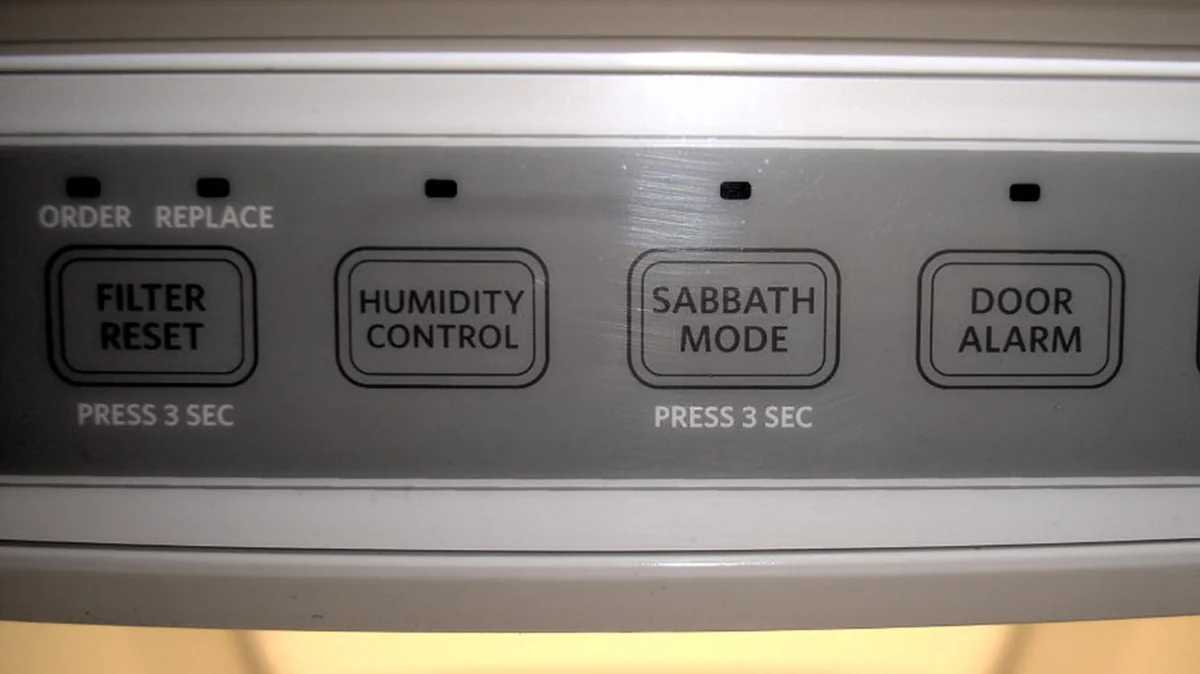
The modern kitchen has undergone a radical transformation over the past decade. Once a collection of simple mechanical tools, the kitchen is now a hub of connectivity, sensors, and automation. From refrigerators that track expiration dates to ovens that can be preheated via a smartphone app, the "smart kitchen" is designed to maximize convenience. However, as these devices become more sophisticated, they have inadvertently created significant barriers for observant Jewish households.
To bridge this gap between high-tech convenience and ancient tradition, manufacturers have introduced a specialized setting known as "Sabbath Mode." While often overlooked by the general public, this feature is a triumph of engineering and cultural sensitivity, allowing millions of people to balance the demands of modern living with the strict observance of Shabbat, the Jewish day of rest.
Main Facts: What is Sabbath Mode?
At its core, Sabbath Mode is a specialized "religious safe mode" programmed into appliances to ensure they comply with Halacha (Jewish law). Shabbat, which begins at sundown on Friday and ends at nightfall on Saturday, involves a comprehensive set of prohibitions. Among these is the prohibition against performing melacha—a term often translated as "work," but which technically refers to thirty-nine specific categories of creative activity.
In the context of modern electricity, many rabbinical authorities hold that completing an electrical circuit (such as turning on a light or activating a sensor) constitutes a violation of the Sabbath. Because modern refrigerators and ovens are packed with sensors, internal lights, and digital displays, a standard appliance would be unusable for an observant family. Opening the fridge door, which triggers a light and often logs a "door open" event in a smart system, would technically violate these religious tenets. Sabbath Mode effectively "neutralizes" these features, allowing the appliance to operate in a passive state throughout the holiday.
Chronology: From Mechanical Simpleton to Digital Minefield
To understand the necessity of Sabbath Mode, one must look at the evolution of kitchen technology through a historical lens.
The Mechanical Era (Pre-1990s)
In the mid-20th century, the refrigerator was a relatively simple mechanical device. It relied on a mechanical thermostat and a basic light switch triggered by a physical plunger when the door opened. For observant families, bypassing these systems was a manual task: one could simply unscrew the lightbulb before the Sabbath began.
The Rise of the Smart Home (2000–2015)
As manufacturers integrated printed circuit boards (PCBs) and digital displays into appliances, the "unscrew the lightbulb" method became obsolete. Modern fridges began utilizing magnetic sensors to detect door status, and interior LEDs were often hard-wired into the motherboard. Opening a door now triggered not just a light, but a cascade of digital events: fans would ramp up, compressor cycles would adjust, and the internal control panel might register an "event."
The Standardization of Sabbath Mode (2015–Present)
Recognizing a growing market segment, major appliance brands—such as GE, Whirlpool, Samsung, and Bosch—began collaborating with organizations like the Star-K Kosher Certification agency. These partnerships led to the formalization of "Sabbath Mode" as an industry standard. Today, it is no longer an "aftermarket" hack; it is a factory-installed software feature that can be activated with a specific key combination or menu setting.
Supporting Data: How It Works Under the Hood
The technical implementation of Sabbath Mode is a masterclass in software-hardware integration. It operates by systematically disabling or modifying the appliance’s logic.
Refrigeration Logic
When a refrigerator is in Sabbath Mode, it essentially stops "listening" to the user.
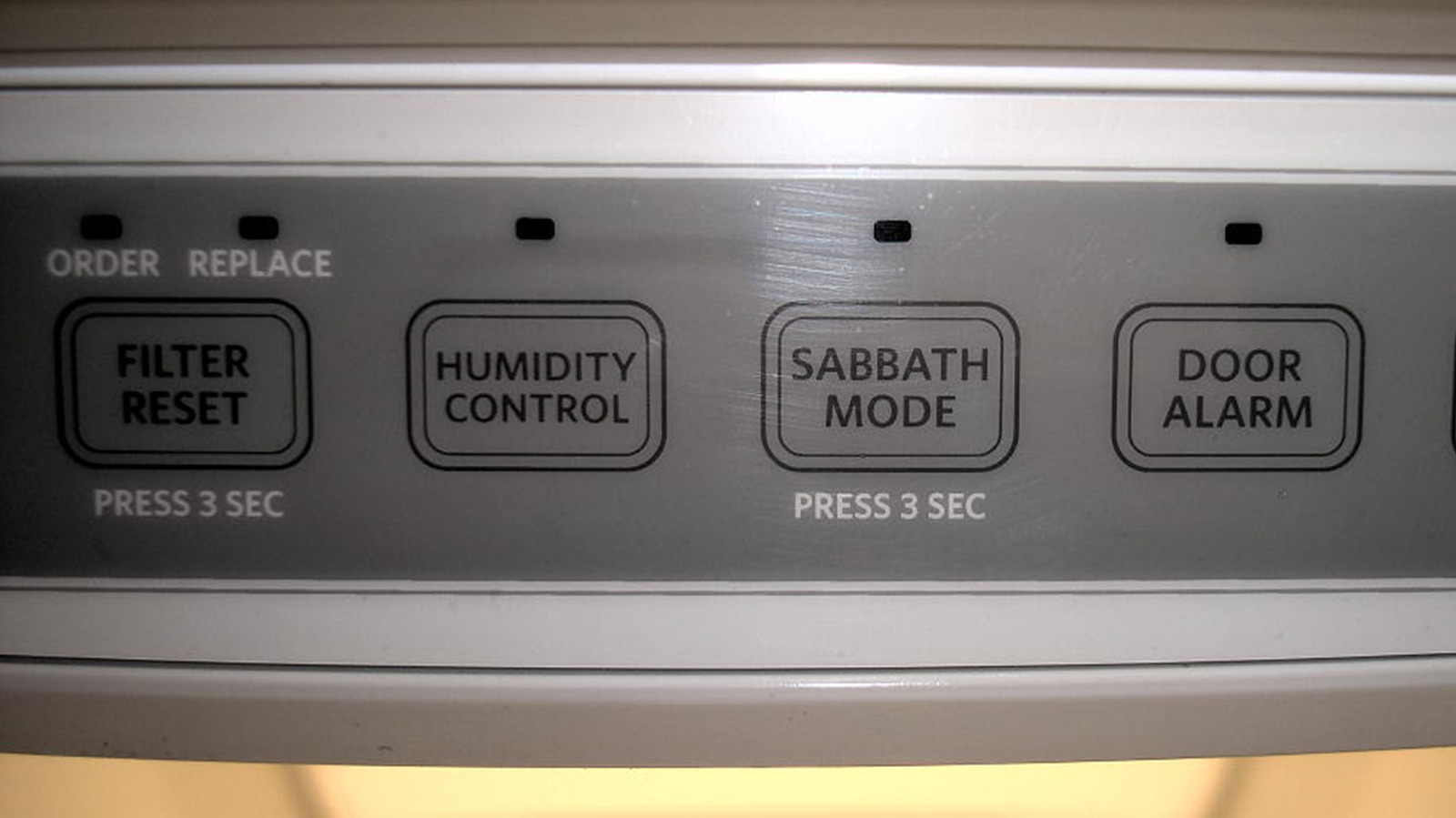
- Light Suppression: The most immediate change is the total disablement of interior lights. No sensor input—be it a door opening or a motion detector—will trigger an illumination event.
- Compressor Delay: Standard fridges are programmed to kick the compressor into high gear when the door is opened to compensate for the loss of cold air. In Sabbath Mode, the software introduces a "randomized delay." This ensures that when a user opens the door, the compressor does not react immediately to that specific action. Instead, the cooling cycle operates on a fixed, pre-programmed schedule that is independent of human interaction.
- Sensor Deactivation: Touchpads, digital temperature displays, and warning alarms are completely locked. This prevents accidental activation of the digital interface.
Oven Logic
Ovens present a more complex challenge because they are designed to heat up and shut down based on precise temperature monitoring.
- The "Loophole" of Passive Cooling: When an oven is in Sabbath Mode, the temperature display is often blanked out to prevent the user from seeing—or changing—the setting. The thermostat remains active to keep the food warm, but it operates independently of the door status.
- Continuous Heating: Most ovens in this mode will bypass the standard "auto-off" safety feature, which usually shuts the oven down after 12 hours. This allows food to remain warm throughout the entirety of the Sabbath.
Official Responses: Industry and Religious Collaboration
The implementation of Sabbath Mode is rarely a solo endeavor by a tech company. It is the result of years of consultation with rabbinical authorities.
According to organizations like Star-K, which provides technical oversight for appliance manufacturers, the goal is to create a "neutral" environment. Manufacturers receive guidance on how to ensure that no electrical action taken by the consumer is "beneficial or wanted" in a way that violates law.
For instance, when a user opens an oven door in Sabbath Mode, the drop in temperature will eventually cause the heating element to turn on. However, because the user’s primary intent is to remove food—not to trigger the heater—and because the heating element’s activation is a delayed, non-immediate consequence of the door opening, it is considered permissible under certain interpretations of Jewish law. This collaborative approach has transformed the appliance industry from one that ignored religious needs to one that actively caters to them.
Implications: The Future of "Faith-Tech"
The success of Sabbath Mode raises broader questions about the future of technology in the home. As we move toward a world of "Ambient Computing"—where houses are governed by AI that anticipates our needs—the tension between convenience and ritual will only increase.
The Privacy and Autonomy Trade-off
Sabbath Mode serves as a reminder that "smart" features are not always universally desired. For those who choose to live according to religious mandates, the ability to "dumb down" an appliance is just as important as the ability to "smarten" it up. It forces manufacturers to consider the "off-ramp" of their technology.
Market Expansion
The inclusion of Sabbath Mode has significant economic implications. For developers of luxury smart homes, including Sabbath-compliant appliances is increasingly viewed as a standard requirement for high-end properties in urban centers with significant Jewish populations. It has moved from a niche requirement to a feature that adds value to a property.
Challenges Ahead: The IoT Frontier
The next challenge for Sabbath Mode lies in the Internet of Things (IoT). As appliances become connected to the cloud, they constantly "ping" servers to report status, update software, or check for error codes. Even if the screen is dark, the background connectivity could still trigger electrical events. Engineers are now tasked with ensuring that when a device is in Sabbath Mode, it is truly "offline" in every sense—a difficult task for devices that rely on cloud-based firmware updates.
Conclusion
Sabbath Mode is more than just a settings menu on a refrigerator; it is a symbol of how technology can respect tradition. By allowing users to opt-out of the "smart" features that define the modern age, appliance manufacturers have demonstrated that true innovation is not just about doing more, but about providing the flexibility to do less. As the home becomes increasingly automated, the persistence of features like Sabbath Mode ensures that technology remains a tool to serve human life, rather than a system that dictates how it must be lived. Whether one is a devout observer of the Sabbath or a secular consumer, the existence of this mode stands as a testament to the importance of user-centric design in an increasingly complex digital landscape.

 Sagoh
Sagoh