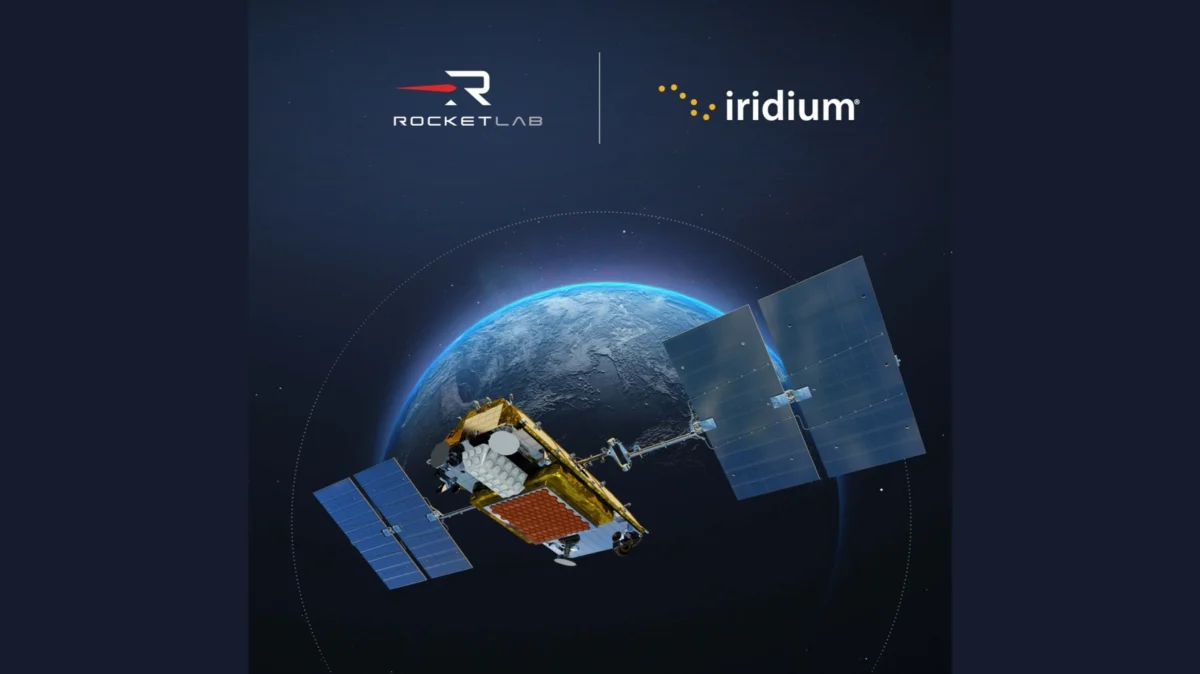
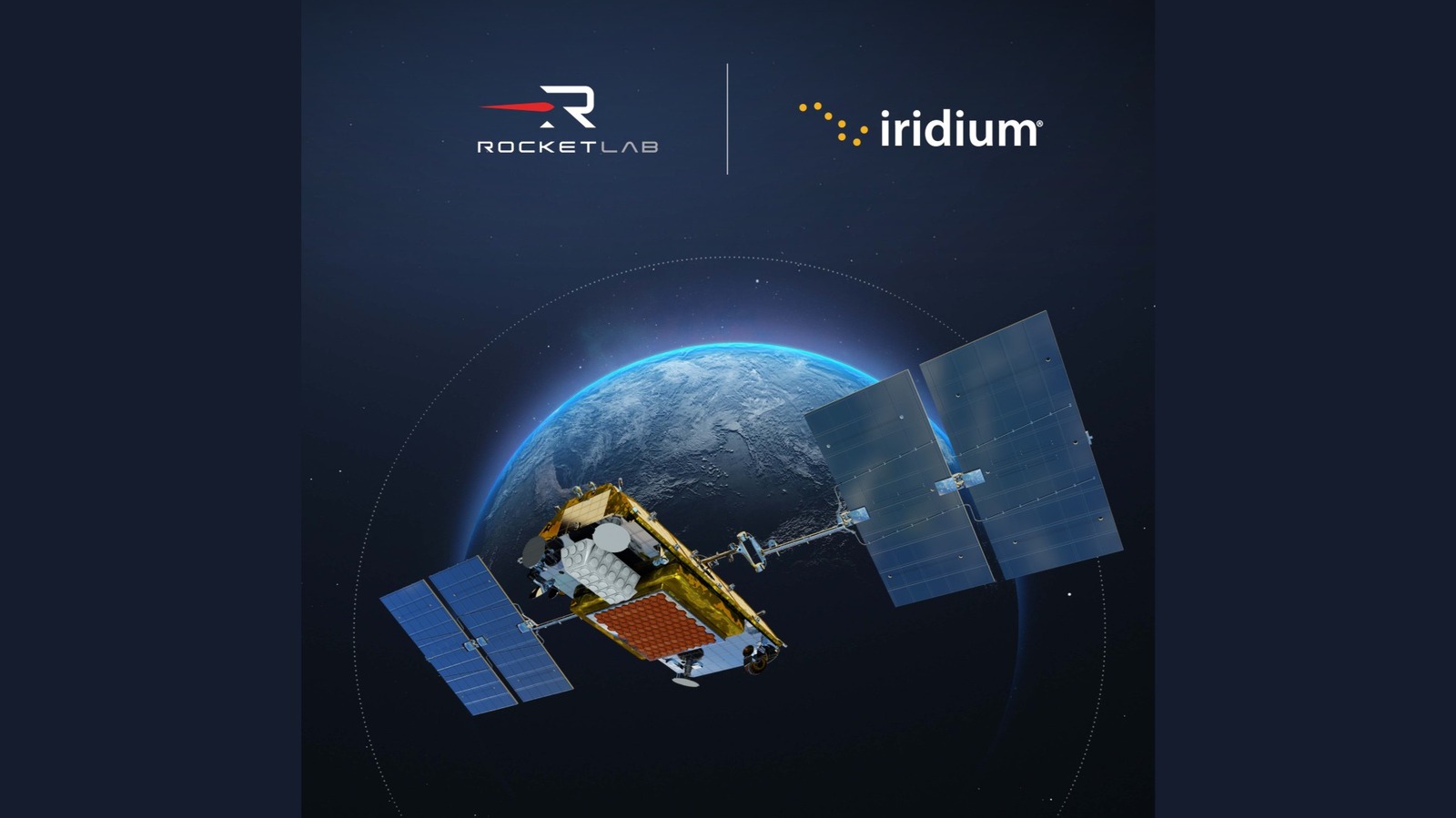
In a transformative move that reshapes the landscape of the NewSpace economy, Rocket Lab—the aerospace manufacturer and launch services provider—has announced a definitive agreement to acquire satellite operator Iridium Communications in a deal valued at approximately $8 billion. This acquisition represents more than a mere consolidation of space assets; it is a strategic pivot designed to challenge the overwhelming market dominance of SpaceX’s Starlink and Amazon’s Project Kuiper, signaling a shift from a pure-play launch provider to a vertically integrated end-to-end space infrastructure giant.
Main Facts: A New Titan in Low Earth Orbit
The core of this transaction lies in the integration of Rocket Lab’s launch capabilities with Iridium’s established, robust satellite constellation. By absorbing Iridium’s network of 80 active satellites, Rocket Lab gains immediate ownership of a high-value asset that provides reliable, global connectivity to some of the most remote and challenging environments on the planet.
For years, the space industry has been defined by the "Starlink Effect"—a model where control over the launch vehicle (the rocket) and the payload (the satellite) allows for unparalleled agility and cost-efficiency. Rocket Lab, historically known for its reliable Electron rocket and its upcoming Neutron launch vehicle, has long recognized that launch services alone are a thin-margin business compared to the recurring revenue of space-based data services.
By acquiring Iridium, Rocket Lab secures:
- Infrastructure: A mature constellation already in orbit, bypassing years of expensive deployment phases.
- Spectrum: Crucial wireless spectrum rights, which are the "real estate" of the space age and increasingly difficult to acquire due to regulatory scarcity.
- Customer Base: A diverse portfolio of government, military, and enterprise clients that rely on Iridium for mission-critical communications.
Chronology: From Launch Provider to Service Architect
To understand the magnitude of this acquisition, one must view the trajectory of the space industry over the last decade.
- 2010s: The Rise of Small-Sat Launch. Rocket Lab carved out a niche as the premier provider for small satellite launches, proving that orbital access could be frequent, reliable, and relatively affordable.
- 2020–2023: The Snapdragon Satellite Initiative. Iridium’s profile rose in the consumer sector through a high-profile partnership with Qualcomm. The goal was to bring satellite-based messaging to Android devices, a direct response to Apple’s SOS system. However, by 2023, the initiative faltered as handset manufacturers proved hesitant to adopt the necessary hardware, leaving Iridium in a state of technological limbo.
- April 2024: The Competitive Pivot. The industry saw a tectonic shift when Amazon announced a "merger" of sorts between its Project Kuiper and Globalstar, the backbone of Apple’s emergency SOS features. This move effectively signaled to the market that the "satellite-to-phone" race was no longer just about hardware—it was about who owned the network.
- Late 2024: Faced with an evolving landscape where competitors were locking down connectivity infrastructure, Rocket Lab initiated the negotiations with Iridium to secure its own "footprint" in the sky, culminating in today’s $8 billion announcement.
Supporting Data: Why $8 Billion is the Price of Entry
The valuation of $8 billion reflects both Iridium’s current operational capacity and its untapped potential. Iridium’s network is unique because it operates in Low Earth Orbit (LEO) with cross-linked satellites, meaning data can travel from satellite to satellite without needing a ground station in every region—a critical feature for military and maritime operations.
- Network Capacity: The 80-satellite constellation ensures 100% global coverage, including the poles, which is a major differentiator compared to constellations that lack polar coverage.
- Market Share: While Starlink focuses on high-speed consumer internet, Iridium dominates the "Internet of Things" (IoT) and narrowband data markets—a sector projected to reach a multi-billion dollar valuation as autonomous vehicles, remote monitoring, and global logistics expand.
- Revenue Synergy: Rocket Lab’s ability to launch its own replenishment satellites for the Iridium constellation will drastically reduce the operating costs of the network. Previously, Iridium had to purchase launch services from external providers; now, those costs become internal accounting, significantly boosting the margin of the entire operation.
Official Responses and Strategic Rationale
In an official statement, the leadership at Rocket Lab emphasized that this deal is about "verticalizing the space value chain."
"We are no longer just a company that builds rockets," the statement noted. "We are an architecture firm for space." The company outlined three primary pillars for the acquisition:
- Direct-to-Device (D2D) Connectivity: Rocket Lab intends to leverage Iridium’s spectrum and existing infrastructure to compete directly with Starlink’s "Direct-to-Cell" ambitions, providing text and data capabilities to unmodified smartphones.
- Global Navigation and Timing (PNT): In an era of heightened geopolitical tension, GPS/GNSS reliability is a matter of national security. Rocket Lab aims to enhance Iridium’s existing services to provide redundant PNT services for military and critical infrastructure.
- Scalability: Rocket Lab has committed to investing in the next generation of Iridium satellites. By utilizing the Electron and Neutron launch platforms, they plan to expand the constellation’s bandwidth, targeting the untapped markets that Iridium had previously been unable to reach due to capital constraints.
Market analysts have largely reacted with cautious optimism. While $8 billion is a significant debt load, the prospect of having a vertically integrated "Space-as-a-Service" company provides a level of stability that pure launch providers currently lack.
Implications: The New Space Race
The acquisition sets the stage for a three-way battle for orbital dominance between SpaceX, Amazon, and the newly expanded Rocket Lab.
The Consumer Impact
For the average consumer, this is the beginning of the "Always-Connected" era. The failure of the Qualcomm Snapdragon project was not a failure of the technology, but a failure of the business model. By owning both the satellite network and the space-grade hardware design, Rocket Lab can now offer a more cohesive integration package to Android OEMs, potentially reviving the vision of satellite-enabled smartphones for the mass market.
Geopolitical and Defense Implications
The defense sector is perhaps the biggest winner in this deal. Iridium has long been the gold standard for government communications. By bringing that capability under the wing of an American launch provider, the U.S. government secures a domestic supply chain for its most sensitive orbital assets. This reduces reliance on international launch providers and ensures that the "backbone" of modern warfare—satellite data—is protected by a robust, end-to-end U.S. company.
The Future of Orbital Logistics
With this deal, Rocket Lab proves that the "NewSpace" gold rush has transitioned from the "Launch Era" to the "Service Era." Just as the early 20th century saw the rise of the vertically integrated automotive giants, the 21st century is seeing the rise of vertically integrated space giants. Rocket Lab is no longer just the company that puts satellites into space; it is the company that defines what those satellites do once they arrive.
As regulatory bodies begin their review of the merger, the focus will undoubtedly be on the competitive impact. However, in an industry where SpaceX currently holds a near-monopoly on high-cadence launch, the emergence of a strong, well-resourced competitor like a combined Rocket Lab-Iridium entity may be exactly what regulators are looking for to maintain a healthy, competitive aerospace market.
The path forward will not be without challenges—integrating a legacy satellite operator with a fast-moving, agile launch company is a significant cultural and operational hurdle. Yet, if the execution matches the ambition, the $8 billion price tag may look like a bargain in a decade where the global economy is increasingly tethered to the infrastructure orbiting 500 kilometers above our heads.