


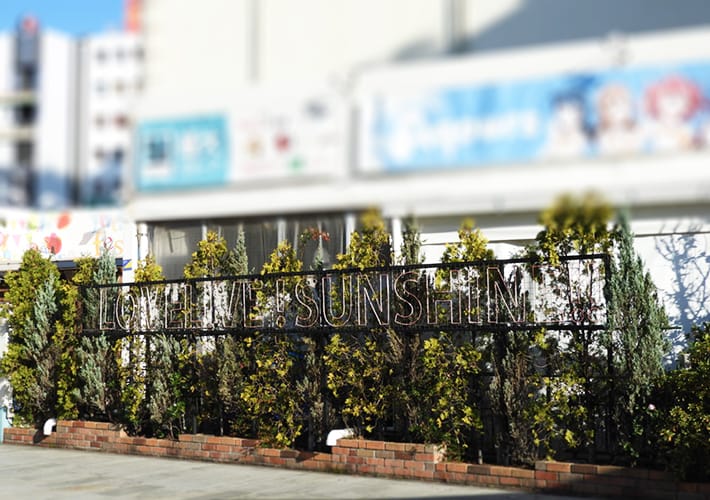
In the landscape of modern Japanese pop culture, the concept of the "anime pilgrimage"—or seichi junrei—has evolved from a niche hobby into a robust pillar of regional revitalization. At the heart of this phenomenon lies the sunny coastal city of Numazu in Shizuoka Prefecture. For the past seven years, Numazu has served as the real-world backdrop for the multimedia project Love Live! Sunshine!!, a series centered on "Aqours," a group of high school girls striving to save their school, Uranohoshi Girls’ Academy, from closure.
What began as a fictional narrative has blossomed into a symbiotic relationship between a local municipality and a global fandom. This partnership has turned Numazu into a premier destination for "LoveLivers"—the dedicated fanbase of the series—creating a cycle of economic growth, cultural exchange, and community cohesion that stands as a model for regional development across Japan.
A Chronology of a Cultural Phenomenon
The Love Live! Sunshine!! project was launched as a spin-off of the highly successful original Love Live! series. When the first season of the television anime aired in 2016, the choice of Numazu as a setting was intentional, designed to capture the authentic, breezy atmosphere of Japan’s Izu Peninsula.

- 2016–2017: The anime’s debut seasons introduced global audiences to the sights of Uchiura, the coastal districts, and the urban center of Numazu.
- 2017: The "pilgrimage" trend solidified. Fans began flooding the city, prompting local businesses to pivot their marketing strategies to cater to the influx of visitors.
- 2019: The release of the feature film, Love Live! Sunshine!! The School Idol Movie: Over the Rainbow, further cemented local landmarks—such as the Tsuji Photo Studio—into the series’ canon, granting them "official" status in the eyes of the fans.
- 2020–2022: Despite the travel restrictions imposed by the global COVID-19 pandemic, the bond between the city and the fans remained resilient. Online engagement surged, and residents maintained their hospitality, preparing for the eventual return of travelers.
- 2023: The release of the spinoff Yohane of the Parhelion: Sunshine in the Mirror—a fantasy reimagining of Numazu—marked a new chapter in the city’s branding, proving that the intellectual property remains a living, evolving asset.
The Synergy of Stakeholders: Official Perspectives
The success of the Numazu-Aqours relationship is not accidental; it is the result of deliberate collaboration between local government and the private sector. During extensive fieldwork conducted in 2020 and 2022, we interviewed key figures who have navigated this intersection of fandom and municipal governance.
The Legislative View: Ryuo Ozawa
Numazu City Councilman Ryuo Ozawa, himself a fan of the franchise, highlights that the transition from a quiet coastal city to a bustling pilgrimage site was not without growing pains. Early in the project, there were minor incidents—such as the defacement of anime-themed manholes and reports of over-enthusiastic visitors interacting with students at Nagaisaki Elementary and Jr. High School, the real-world model for the anime’s academy.
"These were merely minor hiccups," Ozawa notes. He emphasizes that the overwhelming sentiment among the local populace is one of gratitude. The anime has acted as a catalyst for intergenerational connection. "We see residents, including those in their 80s, engaging with the series because it features their home," he explains. Furthermore, the city’s leadership—including the mayor—has actively participated in the phenomenon, frequently acknowledging the characters and voice actors on social media, thereby validating the fans’ dedication.
The Grassroots Engine: Tsuji Photo Studio
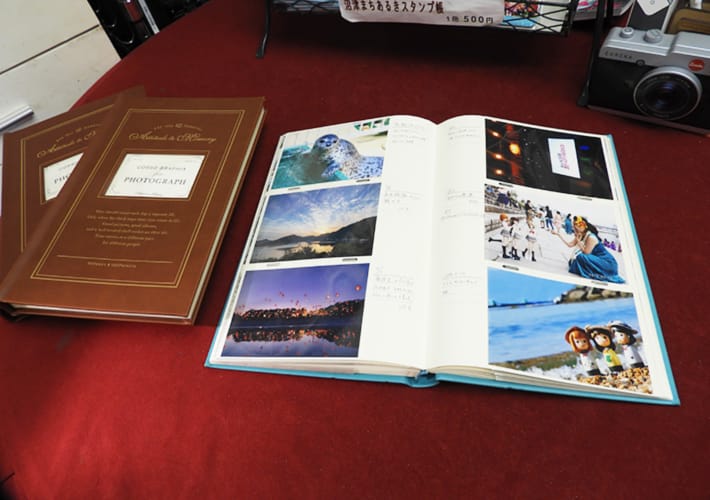
The "pilgrimage" model relies heavily on the willingness of local businesses to act as hubs for community interaction. Tomomi Mine of the Tsuji Photo Studio exemplifies this. When she recognized the series was using her city as a canvas, she initiated a community board outside her shop, inviting fans to pin maps and contribute drawings of the Aqours members.
"The albums [of fan photos] serve as a bridge between the past and the future," Mine says. By providing a physical space for fans to leave their mark, her studio became an unofficial community center. This grassroots effort was eventually recognized by the anime’s producers, who granted the studio a cameo in the 2019 feature film, a rare honor that underscores the deep integration of real-world businesses into the fictional narrative.
Supporting Data: The Anatomy of a Pilgrimage Site
The economic and social footprint of Love Live! Sunshine!! in Numazu is categorized by four distinct tiers of business participation:

- Directly Featured Locations: Establishments that appeared in the anime or games (e.g., Shougetsu, a confectionery in the Uchiura area). These locations report significant revenue spikes tied to episode airings and event dates.
- Collaborative Merchants: Shops that officially sell licensed merchandise, stamps, or badges. These businesses act as the "official" nodes of the pilgrimage, providing fans with tangible souvenirs.
- Thematic Supporters: Businesses that display character panels and artwork to signal their welcome to LoveLivers, even without formal licensing deals.
- Passive Participants: Local establishments that provide general hospitality to the increased tourist traffic, benefiting indirectly from the overall uptick in regional vitality.
For businesses like the Shougetsu confectionery, the impact was immediate. Owner Kiminobu Segawa notes that while the pandemic caused a temporary dip in foot traffic, the core demographic of fans remained loyal. "Fans come from as far as Northeastern Japan and overseas," Segawa says. "They aren’t just here for a vacation; they are here to pay homage to the ‘holy places’ of their favorite story."
Implications: The Religious and Social Dimensions
Perhaps the most fascinating aspect of the Numazu pilgrimage is its intersection with traditional institutions. The presence of the Numazu St. John’s Anglican Church—which shares a name with the character Yoshiko "Yohane" Tsushima—has led to a unique, if unintended, connection between the church and the fandom.
Father Paul Masato Kubota, the resident priest, has leveraged this association to bridge the gap between his congregation and the younger generation. By using anime analogies in his newsletters for the associated Shion Kindergarten, he has made religious education more accessible and engaging. "If it helps bring more interest to the church, it’s a positive thing," Father Kubota observes, reflecting a pragmatic and inclusive attitude that has become the hallmark of Numazu’s relationship with the series.
Conclusion: A Model for Future Tourism
The story of Numazu and Love Live! Sunshine!! provides a masterclass in regional development through cultural assets. By embracing the enthusiasm of fans rather than treating them as an intrusion, the city has successfully cultivated a "positive energy cycle."
This synergy relies on three pillars:
- Institutional Support: The city council and local government provide the infrastructure and encouragement necessary for businesses to thrive.
- Community Integration: Residents and shop owners act as ambassadors, creating a welcoming environment that encourages repeat visits.
- Narrative Continuity: The production of new content, such as the 2023 spinoff Yohane of the Parhelion, ensures that the city remains relevant to the evolving interests of the fanbase.
As Numazu continues to welcome visitors from around the globe, it remains a shining example of how a fictional world can provide real-world economic, social, and cultural value. The "pilgrimage" to Numazu is no longer just about visiting the locations featured on screen; it is about participating in a living, breathing community that has successfully redefined its identity through the lens of a global pop-culture phenomenon.











