
 Neng Nana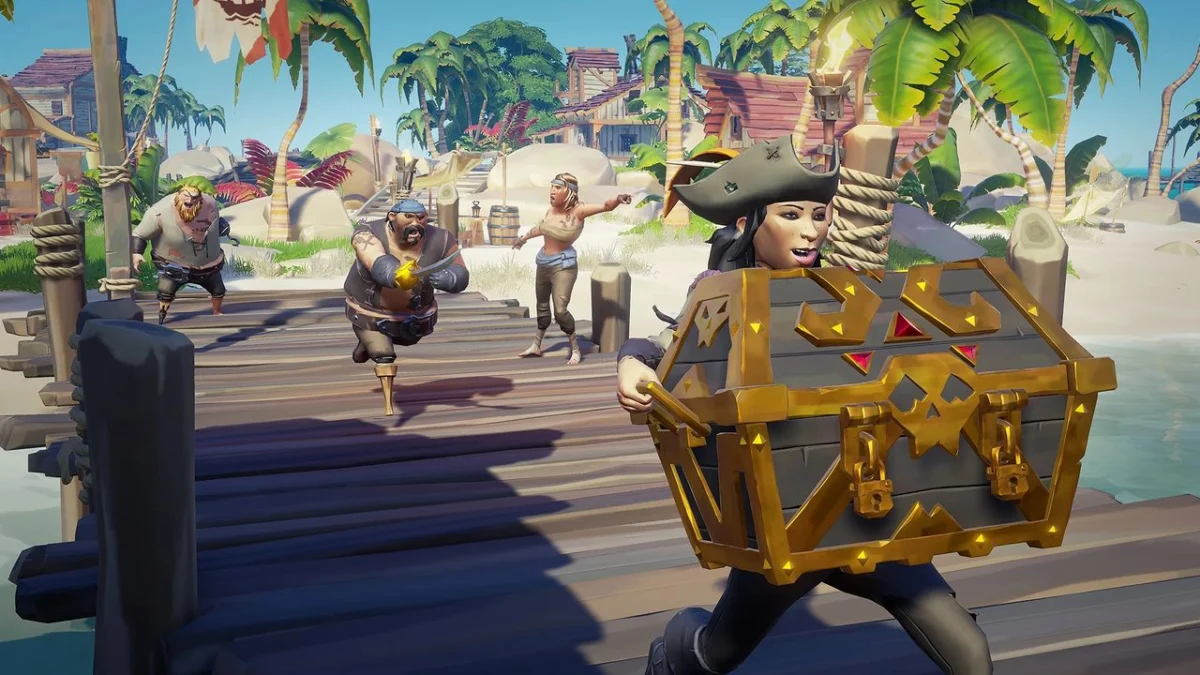
Great moments in PC gaming are bite-sized celebrations of some of our favorite gaming memories.
Developer: Rare
Release Year: 2018
Genre: Multiplayer Action-Adventure / Survival
In the sprawling, salt-sprayed expanse of Rare’s Sea of Thieves, the horizon is never empty, and every ship on the waves is a potential story waiting to be written in blood, gunpowder, and stolen gold. While modern survival games like Windrose continue to push the boundaries of the genre, returning to the oceanic sandbox of Sea of Thieves feels like coming home to a familiar, albeit treacherous, harbor.
After years away from the game, I recently corralled a few of my colleagues at PC Gamer to return to the high seas. We found that while the game has evolved significantly—introducing new factions, complex season passes, and a staggering array of cosmetic flair—the core soul of the game remains untouched. It is a game defined not by its mechanics, but by the emergent, often infuriating, and always brilliant interactions between players.
The Chronology of a Silent Heist
Our return to the seas began as a routine affair. We were operating a four-player galleon, a vessel that commands respect and provides a formidable platform for any crew. Over the course of a long, multi-island voyage, we had accumulated a respectable haul of treasure. We were in the final stretch, navigating toward a nearby outpost to offload our earnings, when the silence of our journey was broken by a sudden, jarring notification.
An achievement popped on our screens: "This is Unacceptable!" The flavor text was as blunt as a boarding axe: “Another crew took one of your chests and cashed it in.”
The irony was palpable. We had been vigilant, keeping a watchful eye on the two-player sloops that had drifted in and out of our peripheral vision throughout the evening. We had assumed our size made us an unappealing target, and indeed, they had kept their distance. Or so we thought. In reality, we had been the victims of a masterclass in stealth. Somewhere between our frantic island hopping and our naval maneuvers, a lone pirate had slipped aboard, identified a high-value chest, and vanished back into the mist before we even knew our hold was lighter.
The Anatomy of Emergent Gameplay
This experience serves as a testament to the brilliance of Rare’s design philosophy. Sea of Thieves is a rare example of a title that trusts its players to generate their own drama. There are no safe zones, no automated defenses, and no hand-holding. The "achievement" system itself is a cheeky nod to the game’s core tenet: theft is not just a mechanic; it is the primary social interaction.
The Surgical Approach vs. The Brute Force Method
In the early days of Sea of Thieves, my own approach to piracy was far less refined. My strategy was one of patient, albeit ungentlemanly, calculation. I would identify a ship actively engaged in a multi-stage quest and tail them from a distance. I would then stake out the nearest outpost, hiding behind crates or in the shadows of the docks, armed with nothing but a sniper rifle and a handful of explosive barrels.
When the unsuspecting crew would finally arrive, burdened by the heavy weight of their hard-earned treasure, I would wait for the perfect moment—when they were most vulnerable, arms full of chests—and trigger the chaos. The resulting explosion was rarely just about the gold; it was about the psychological shock of the ambush.
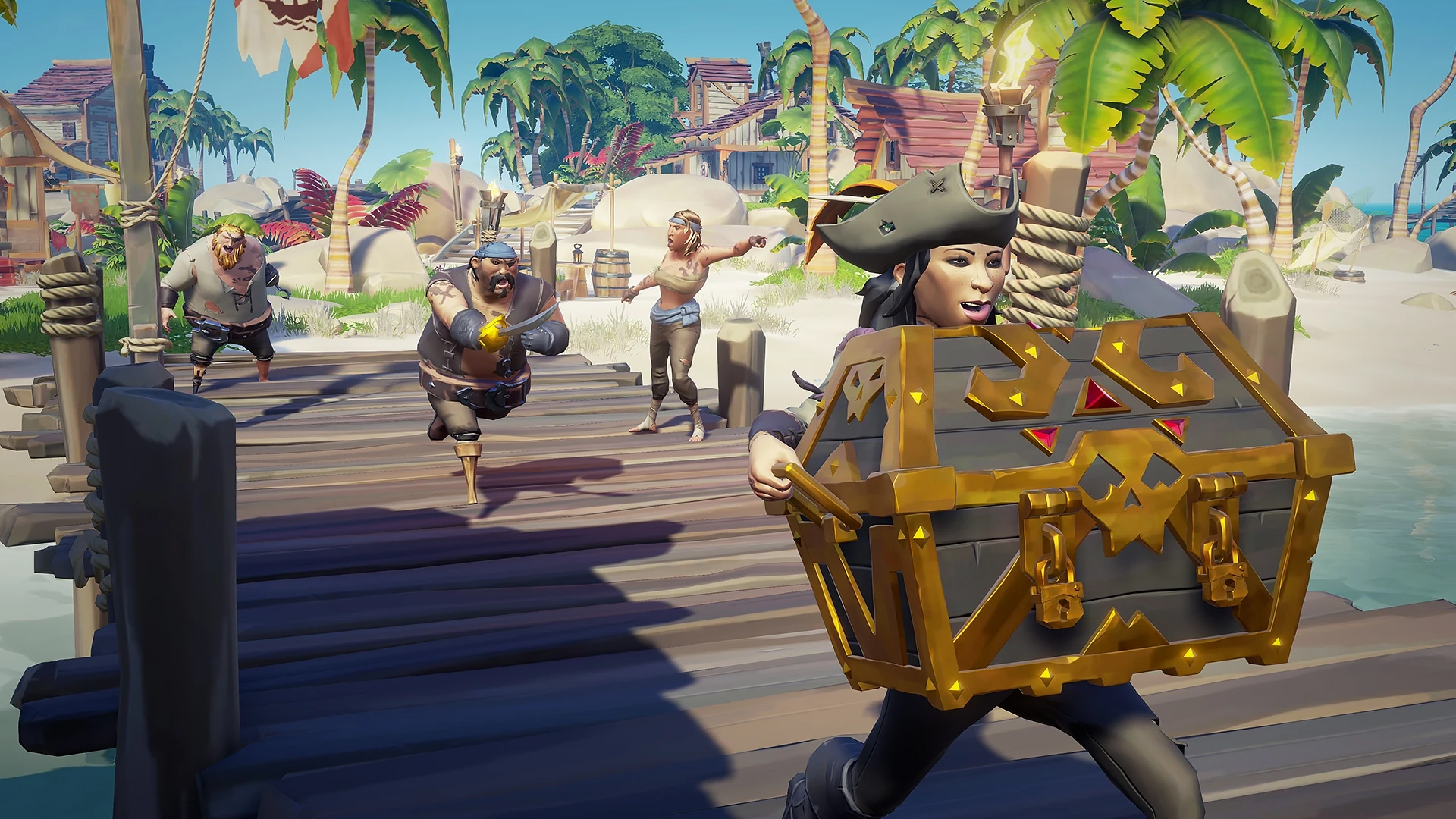
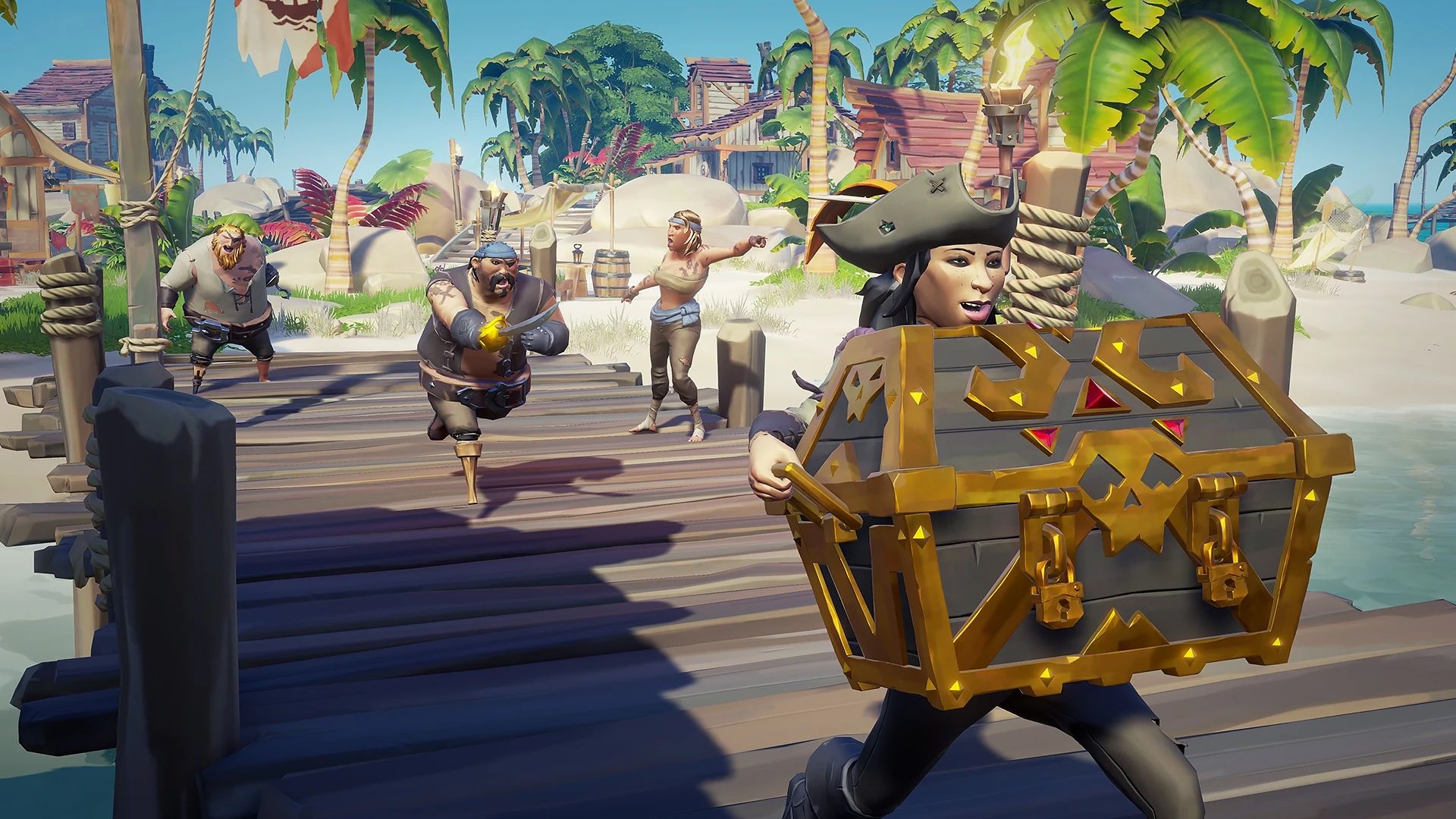
However, the heist we experienced on our recent voyage was something entirely different. It was surgical. There were no cannonballs, no shouting, and no grand reveal. It was a silent, professional extraction. The perpetrator likely watched us disembark, waited for the perfect window of opportunity, and slipped aboard while we were occupied with the environmental hazards of an island. They didn’t need to fight us; they simply needed to be smarter than us.
Supporting Data: Why "Unfair" is Essential
Rare’s commitment to a "level playing field" is often misunderstood by newcomers. In many games, losing items to another player feels like a failure of the system. In Sea of Thieves, it is a deliberate feature designed to foster a specific type of tension.
- The Risk-Reward Ratio: By allowing players to steal loot, the game creates a constant "fight or flight" response. The moment you acquire a valuable item, you become a target. This turns a simple delivery mission into a high-stakes thriller.
- Social Engineering: The game encourages players to communicate—or stay silent. The ability to hide on another ship, stow away in a rowboat, or disguise oneself as a member of the crew adds a layer of depth that most survival games fail to capture.
- The "Pirate" Persona: The game is essentially a social experiment. It forces players to decide: do you form alliances, or do you embrace the cutthroat nature of the setting?
Official Stance and Community Reception
Rare has consistently doubled down on this design. In various developer diaries and patch notes, the studio has emphasized that the "Sea" in Sea of Thieves is meant to be a place of uncertainty. When players complain about being "griefed" or robbed, the developers often point to the fact that the game provides the tools for protection—lookouts, ship management, and combat training—which are meant to be utilized.
The community, for its part, has embraced this. The subreddit and forums are filled with "war stories" of stolen loot, elaborate traps, and miraculous escapes. The "This is Unacceptable!" achievement has become a rite of passage, a badge of honor that signifies you have finally been initiated into the true, unpredictable life of a pirate.
The Implications for Future Sandbox Titles
What Sea of Thieves achieves—and what many developers fail to replicate—is the perfect balance of frustration and satisfaction. When you lose your treasure, you don’t feel cheated by a broken game mechanic; you feel outplayed by a human being. That distinction is crucial.
As we look toward the future of multiplayer survival games, the "Rare model" offers a roadmap for developers who want to create truly memorable player experiences. The goal isn’t to create a perfectly balanced competitive arena, but to create a world where players can tell stories that are uniquely their own.
Conclusion: Tipping the Tricorn Hat
Returning to the game after a hiatus reminded me that the allure of the high seas isn’t just about the progression systems or the new cosmetics. It’s about the vulnerability of the journey.
When that mysterious, silent pirate made off with our loot, my crew and I didn’t reach for the report button. We didn’t rage in the voice chat. We simply stood on the deck of our galleon, watching the horizon, and tipped our tricorn hats. In a world where most games provide a linear, predictable experience, Sea of Thieves offers something far more valuable: a chance to be part of a living, breathing, and occasionally heart-breaking story.
After all, we are pirates. And in this game, theft is not just a crime—it’s the highest form of flattery. Whether you are the one holding the cutlass or the one left standing on the dock with empty hands, the game continues to be, in my professional estimation, the definitive pirate experience on PC. We will be back on the water next week, likely with a few more guards posted, but fully aware that on the Sea of Thieves, you are never truly safe. And that, truly, is the point.


 Asro
Asro
 Muslim





