By Editorial Staff
Updated: 8 hours ago
In a legal development that could reshape the global semiconductor landscape, the world’s three dominant DRAM (Dynamic Random-Access Memory) manufacturers—Samsung, SK Hynix, and Micron—have been hit with a significant antitrust lawsuit. The complaint alleges that these industry titans engaged in coordinated price-fixing practices, artificially restricting supply to drive up costs during a tumultuous period that analysts have colloquially dubbed the "Rampocalypse."
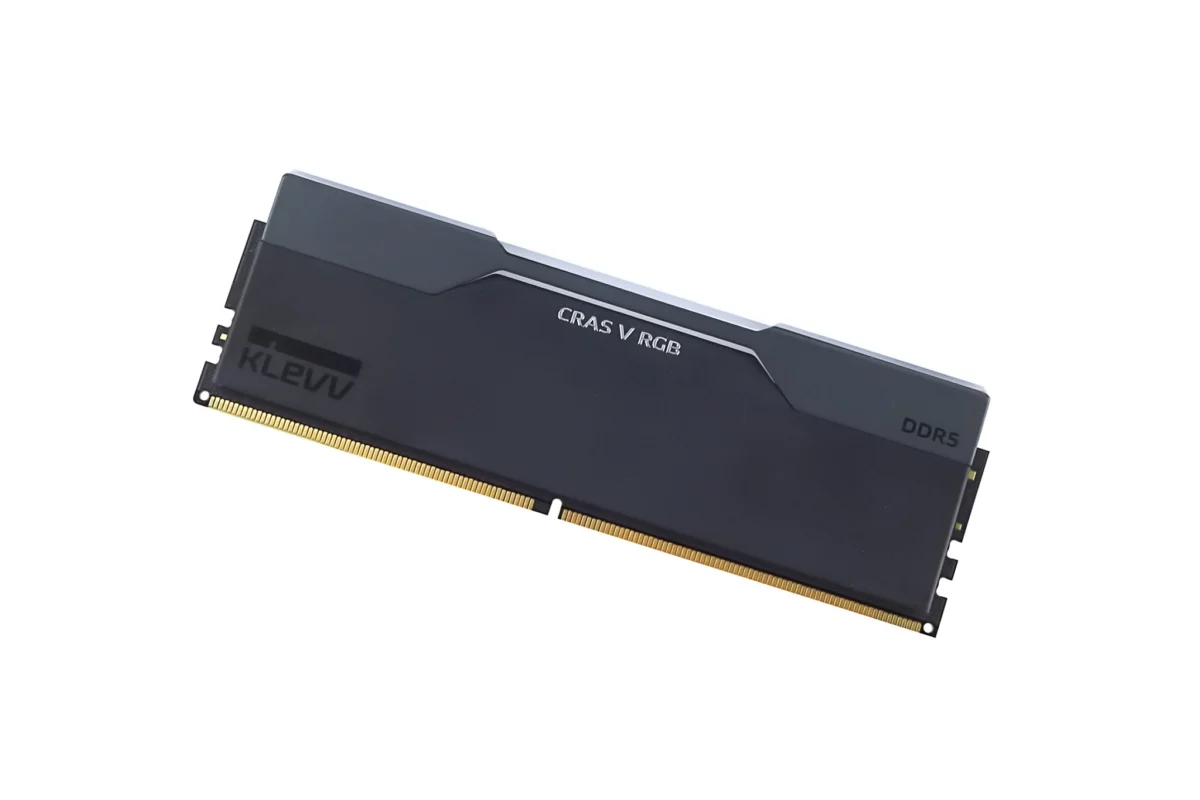
As the trio collectively controls the vast majority of the global DRAM market, their production and pricing strategies hold immense sway over the entire technology ecosystem. The lawsuit, which has sent ripples through the hardware industry, alleges that these companies leveraged their market dominance to manipulate consumer prices for DDR4 and DDR5 memory modules, which have seen costs double since 2023.
The Core Allegations: A Cartel in the Silicon Valley?
At the heart of the litigation is the claim that the defendants engaged in a conspiracy to "fix, raise, maintain, and stabilize prices." The plaintiffs argue that this was not merely a reaction to market forces—such as the post-pandemic supply chain recovery or inflationary pressures—but a deliberate, coordinated effort to constrict the availability of DRAM.
The complaint alleges that the manufacturers systematically throttled the output of standard DDR memory modules. By shifting production focus toward High Bandwidth Memory (HBM)—a specialized, high-margin product often used for AI-driven servers and enterprise-grade hardware—the companies allegedly created an artificial scarcity of consumer-grade RAM. Because Samsung, SK Hynix, and Micron operate as an effective oligopoly, the plaintiffs contend that any parallel reduction in supply could not have occurred by chance.
Instead, the suit argues, these shifts in wafer allocation served as a mechanism to squeeze the market, forcing manufacturers of PCs, smartphones, and game consoles to pay significantly higher premiums for essential components, costs which were eventually passed down to the end-user.
Chronology of the "Rampocalypse"
The term "Rampocalypse" emerged as a descriptor for the dramatic and rapid inflation of memory prices that began roughly 12 months ago. To understand the gravity of the allegations, one must look at the timeline of the industry’s recent volatility:
- Late 2023: Following a period of inventory glut, manufacturers announced intentions to curtail production to stabilize falling prices.
- Early 2024: Industry analysts observed a pivot in manufacturing priorities. As the demand for Generative AI exploded, manufacturers began prioritizing HBM production, which requires significantly more wafer space than standard DDR5 memory.
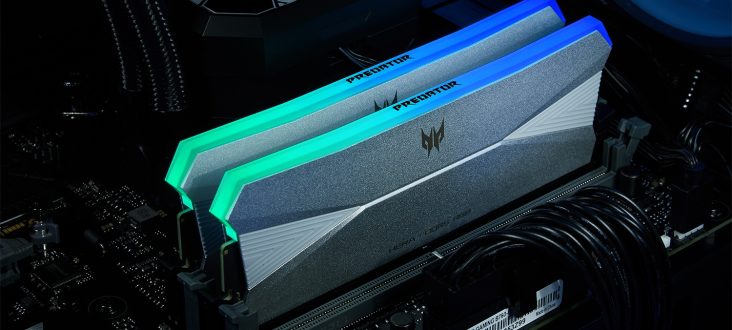
- Mid-2024: Consumer prices for high-performance DDR5 kits began to climb aggressively. Reports indicated that retail prices for popular 32GB and 48GB modules had increased by nearly 100% compared to the previous year.
- Late 2024: The market reached a boiling point. OEMs (Original Equipment Manufacturers) began signaling concerns over rising costs for laptops and pre-built gaming desktops, leading to the current legal challenge.
The lawsuit asserts that this "production pivot" was not merely a business decision, but a predatory strategy designed to capitalize on the AI boom at the direct expense of the consumer electronics market.
Supporting Data and Market Dynamics
DRAM is a commodity-like product characterized by high barriers to entry and intense capital requirements. Consequently, the "Big Three" manufacturers operate in a market with very little competition from smaller entities.
Historical data shows that DRAM prices are notoriously cyclical. However, the current spike is anomalous. Unlike previous cycles, where price increases were typically driven by massive spikes in global demand, the current trend occurred while general PC demand remained relatively stagnant.
Economic Indicators of Manipulation:
- Inventory Management: The complaint highlights that while manufacturers reported "record-low inventory" levels to justify price hikes, their own internal financial reports often showed that they were holding back on bringing capacity back online, even as market prices soared.
- Margin Disparity: Data suggests that while consumer RAM prices hit historic highs, the profit margins for the manufacturers expanded significantly, exceeding historical norms for the DRAM division.
- Parallel Pricing: The lawsuit notes that across different geographical regions, the price increases for identical modules from the three manufacturers tracked with eerie consistency, a hallmark sign of collusive behavior in antitrust investigations.
The Silent Response: Official Stances
As of this writing, Samsung, SK Hynix, and Micron have remained largely silent regarding the specific claims made in the lawsuit. In legal circles, this is standard protocol; corporations rarely comment on active litigation to avoid potential self-incrimination or the misinterpretation of public statements by the court.
However, industry observers note that the companies have previously defended their production shifts as necessary responses to the "AI Supercycle." Micron, in particular, has publicly stated that its shift toward HBM3E and other high-capacity products is essential to meeting the needs of data center operators like NVIDIA and Microsoft. The defense will likely argue that the tightening of standard DDR supply is an inevitable byproduct of a technological transition, rather than a conspiracy to inflate prices.
Implications for the Tech Industry
The ramifications of this lawsuit could be profound, spanning far beyond the immediate legal fees and potential settlements.
1. Consumer Electronics and Hardware Costs
If the court finds that prices were artificially inflated, it could lead to mandated price caps or a forced release of production capacity. This would be a boon for PC builders and smartphone manufacturers, potentially leading to a much-needed cooling of component prices in 2025.
2. Regulatory Scrutiny
An antitrust victory—or even a prolonged, high-profile trial—would likely draw the attention of international regulators. The European Commission and the U.S. Federal Trade Commission (FTC) are already increasingly wary of the concentration of power in the semiconductor sector. This lawsuit could serve as the catalyst for broader investigations into the supply chain dependencies that currently exist.
3. Industry Trust and Transparency
The DRAM industry has a history of antitrust issues; in the early 2000s, several manufacturers paid massive fines for a similar, well-documented price-fixing scheme. The fact that the industry is facing similar allegations today suggests that the fundamental structure of the market—dominated by three players—remains inherently prone to collusion. If the court decides that these companies have abused their market power, it may trigger calls for increased oversight or even structural changes to the industry to encourage new competition.
Final Thoughts: A Long Road Ahead
The allegations brought forth in this lawsuit are, by any measure, "lofty." Proving that a series of business decisions—such as shifting production to more profitable chips—constitutes an illegal price-fixing cartel is a massive evidentiary hurdle.
In the eyes of the law, parallelism is not always proof of collusion. To win, the plaintiffs must provide "smoking gun" evidence: internal emails, meeting minutes, or whistle-blower testimony confirming that the three companies communicated and agreed to restrict supply to manipulate prices.
If the lawsuit proceeds to the discovery phase, the internal communications of these three tech giants will be laid bare. Regardless of the outcome, the process will be slow, likely dragging on for years. For the consumer, the "Rampocalypse" may continue to impact their wallets for the foreseeable future, as the market remains sensitive to any signals from the Big Three. For now, the tech world watches, waiting to see if these giants will be held accountable for the high cost of memory in an increasingly digital world.