

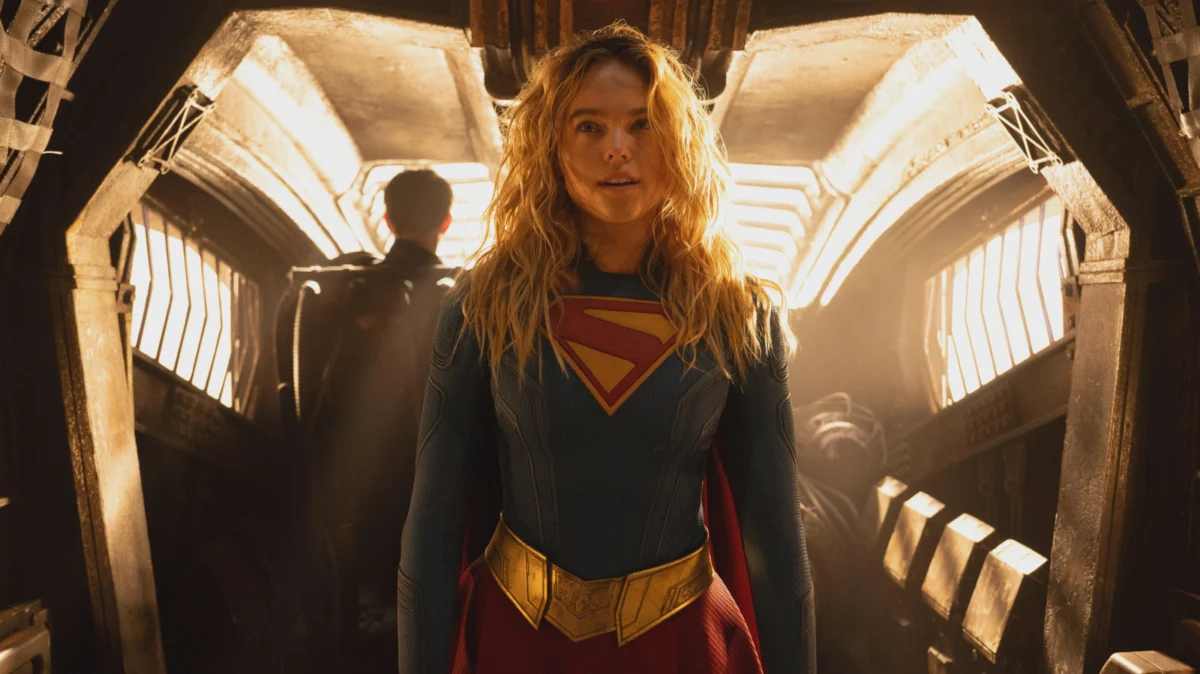
The superhero genre, once the undisputed titan of the global box office, finds itself at a precarious crossroads. For over a decade, comic book adaptations functioned as a reliable printing press for major studios, with audiences flocking to theaters to witness the latest interconnected spectacles. However, the release of Craig Gillespie’s Supergirl on June 26, 2026, has served as a sobering, perhaps terminal, wake-up call for the industry. With a staggering production budget of $186 million and a lackluster $38 million domestic opening, the film’s commercial collapse is more than just a box-office footnote—it is being viewed by many as a potential death knell for the current leadership at DC Studios.
The Anatomy of a Flop: A Chronology of Decline
To understand the current crisis, one must look at the recent trajectory of the genre. The 2010s were defined by the dominance of the Marvel Cinematic Universe (MCU) and the ambitious, if uneven, DC Extended Universe (DCEU). Following the cultural peak of 2019’s Avengers: Endgame, the genre began a slow, grinding descent. While high-profile crossover events like Spider-Man: No Way Home and Deadpool & Wolverine managed to secure billion-dollar returns, these successes relied heavily on nostalgia—effectively acting as "victory laps" rather than sustainable engines for new storytelling.
The DCEU, meanwhile, endured a volatile lifespan. Despite some successes, it was marred by high-profile bombs including Black Adam, Shazam! Fury of the Gods, and The Flash. By 2023, the brand was effectively toxic. In an effort to "save" the franchise, Warner Bros. turned to James Gunn and Peter Safran, handing them the keys to a complete, bottom-up reboot. Their vision, officially branded as "Gods and Monsters," kicked off with the 2025 release of Superman. While Superman provided a brighter, more optimistic tone than the "grimdark" Snyder-era films, the momentum failed to carry over to Supergirl.
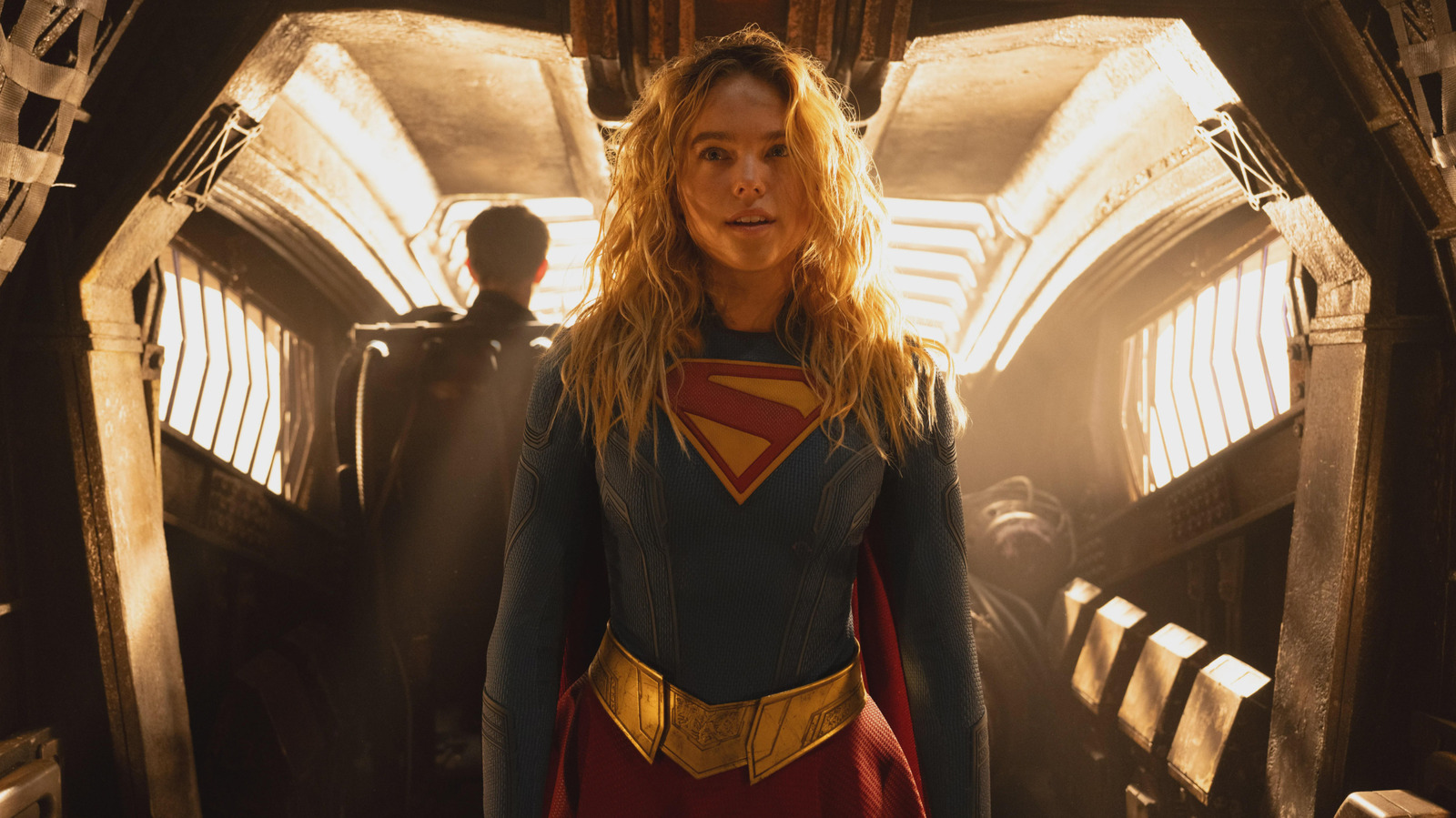
The release of Supergirl in late June 2026 was intended to be the next major building block of this new universe. Instead, it arrived to middling critical reviews and a disastrous financial performance. Opening to only $38 million in North America and a meager $30 million internationally, the film is on track to become one of the most significant financial liabilities in recent Warner Bros. history.
Supporting Data: The Disconnect Between Vision and Audience
Industry analysts point to a fundamental disconnect between the studio’s strategy and current market appetites. The primary failure of Supergirl appears to be a miscalculation of target demographics. Marketing efforts were heavily focused on capturing the Gen-Z female audience—a demographic that has proven vital for recent non-superhero hits. However, exit polling revealed that the actual audience skew was heavily weighted toward males over the age of 25.
Furthermore, the "obscurity factor" has become a liability. In the mid-2010s, James Gunn famously turned the relatively unknown Guardians of the Galaxy into a household name. However, the cultural climate has shifted. The appetite for "B-list" or peripheral superhero characters has waned significantly. Audiences, now suffering from "superhero fatigue," are far less likely to commit to a $186 million project centered on a character that does not possess the brand equity of Batman, Superman, or Wonder Woman. As one industry insider noted, "The era of the $200 million gamble on an obscure character is effectively over. The audience simply doesn’t care enough to show up."
The Tone Problem: Reverting to Old Habits
While the Superman reboot was praised for shedding the heavy, angst-ridden tone of the previous DC era, Supergirl unfortunately regressed. The film was criticized for its reliance on "grossly over-designed" sci-fi environments and an internal tone that felt disconnected from the optimism Gunn had promised. While some reviewers, such as /Film’s BJ Colangelo, found merit in the direction, giving the film a 7/10, the general consensus suggests the creative choices felt disjointed from the broader DCU mandate. The shift back toward dark, isolated sci-fi aesthetics likely alienated the very audience the studio was hoping to court with a fresh start.
Official Responses and Internal Panic
In the face of these figures, the atmosphere at Warner Bros. is reportedly tense. While DC Studios co-CEO Peter Safran has attempted to mitigate the damage—publicly framing the film’s underperformance as a "disappointing but isolated incident" that will not derail the long-term plan—the industry narrative suggests otherwise.
The most damning insight comes from an unnamed talent agent who spoke to The Wrap, stating: "I don’t know how nervous DC is, but certainly James Gunn should be nervous. There will always be a DC, and the current execs have survived previous regime changes, but I don’t think Gunn survives." This sentiment highlights the fragility of executive positions in the high-stakes world of Hollywood. With the looming merger between Warner Bros. and Paramount, the power dynamics at the studio are poised for a massive restructuring. If the new leadership sees the DCU as a sinking ship, Gunn may find himself the first casualty of a major corporate purge.
Implications: A Future in Flux
The failure of Supergirl carries profound implications for the rest of the "Gods and Monsters" slate. The studio is currently invested in a multi-platform strategy, including the upcoming Clayface film this October, the animated Creature Commandos, Peacemaker, and the live-action Lanterns series.
If the studio decides that the "Gunn-Safran" experiment is a failure, we may see a "course correction" that is far more drastic than a simple change in creative direction. Options for the studio include:
- A Hard Pivot: Canceling the "Gods and Monsters" roadmap entirely and pivoting to a standalone, director-driven model that eschews the "cinematic universe" format.
- Leadership Turnover: Replacing the current heads of DC Studios with executives tasked with downsizing the scope and budget of upcoming projects.
- Brand Hibernation: Temporarily shelving all DC theatrical projects to allow the market to recover from superhero fatigue, focusing instead on limited, prestige television content.
Conclusion: The End of the Golden Age of Superheroes
The collapse of Supergirl is not merely the failure of a single movie; it is a symptom of a broader decline. The "shared universe" model, which dominated the 2010s, is clearly under duress. Audiences have become discerning, and the "brand loyalty" that once guaranteed millions for any movie with a comic book logo has evaporated.

For James Gunn, the path forward is narrow. He must prove that the DCU is capable of producing not just technically competent films, but cultural events that resonate with a post-superhero-fatigue audience. If he fails to turn the ship around with his upcoming projects, the legacy of his tenure may be remembered as the final chapter in the era of the superhero blockbuster. As the industry watches and waits, one thing is certain: the era of blind faith in comic book franchises is officially over, and the future of DC Studios depends on its ability to evolve—or face extinction.








