

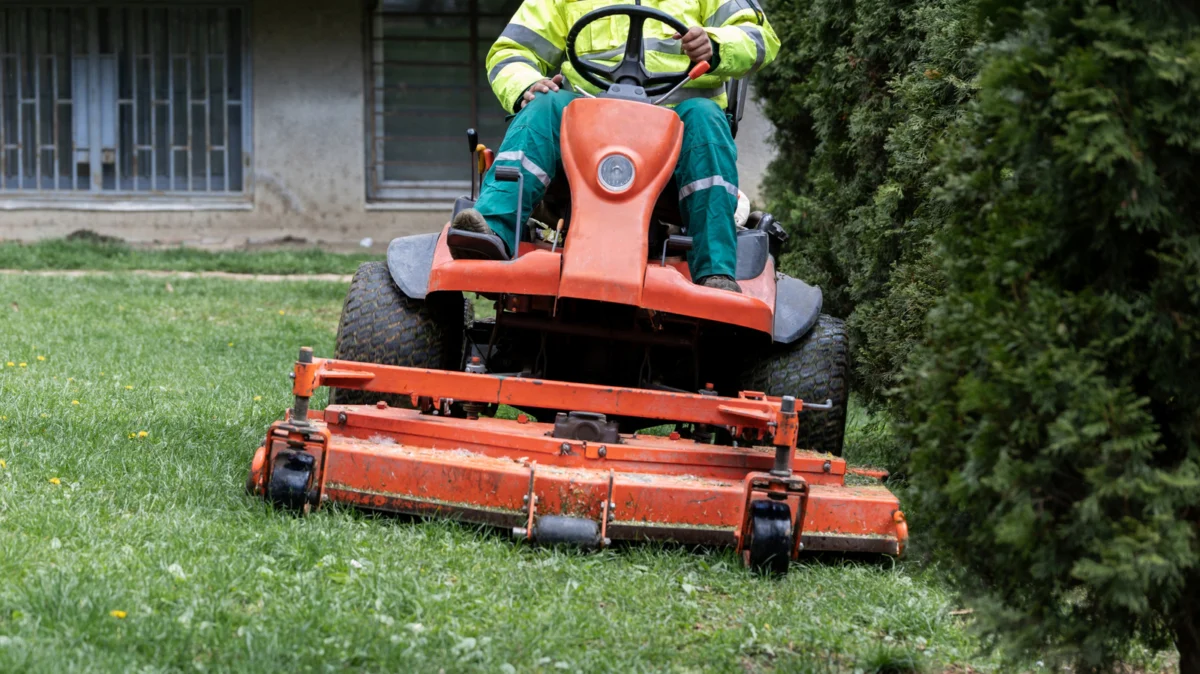
When performing seasonal maintenance on a riding lawn mower or tractor, the primary focus is almost always on the engine, the oil levels, the air filters, and the sharpness of the blades. While these components are undeniably the heart of the machine, there is a set of "unsung heroes" located beneath the mower deck that frequently suffer from neglect: the deck wheels.
Often dismissed as simple plastic or rubber rollers, these wheels are essential to the structural integrity of your mower deck and the aesthetic quality of your lawn. Ignoring their condition is a common pitfall that can lead to costly repairs, uneven grass growth, and long-term damage to your equipment.
The Role of Mower Deck Wheels: More Than Just Rollers
To understand why these wheels require attention, one must first understand their specific mechanical purpose. Many owners mistakenly believe that these wheels are intended to bear the weight of the lawn mower. This is incorrect. The chassis and the primary tires carry the weight of the machine and the operator.
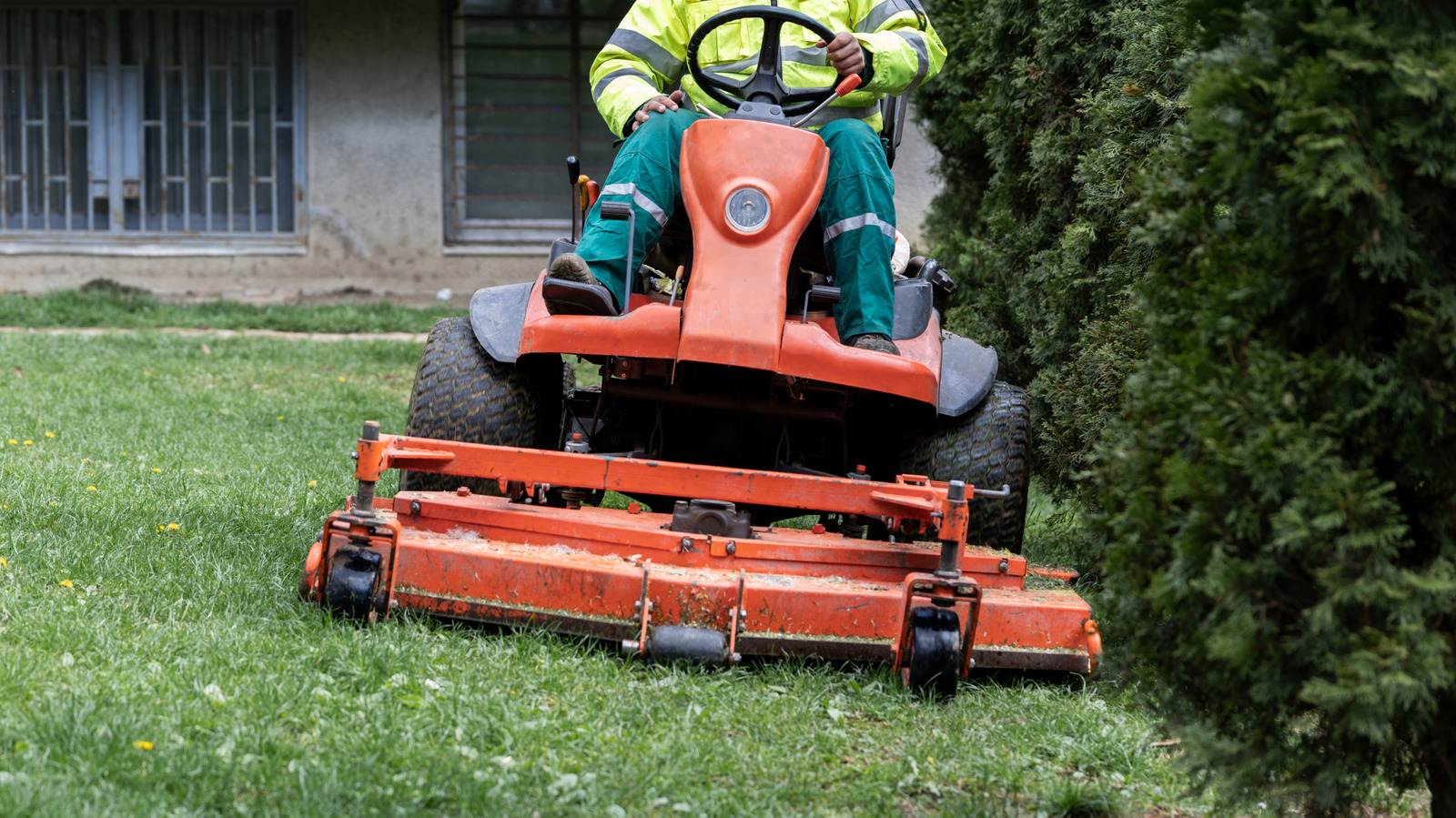
Instead, the deck wheels serve as an "anti-scalping" system. As you traverse uneven terrain, slopes, or undulating patches of grass, the deck wheels act as a buffer. They keep the mower deck floating at a consistent height relative to the ground. When the mower encounters a rise in the landscape, the deck wheels touch the ground first, preventing the heavy metal deck from digging into the turf.
By maintaining this slight clearance—typically a quarter-inch to a half-inch off the ground—the wheels prevent the mower from "scalping," a process where the blades cut so close to the dirt that they expose the soil and damage the root system of the grass.
Identifying the Warning Signs of Wear
Because these wheels operate in a harsh environment—subjected to constant debris, moisture, heat from the engine, and the abrasive nature of soil—they have a finite lifespan. Recognizing the early symptoms of failure can save you from a major headache mid-season.
1. The Audible Squeak
A persistent, rhythmic squeaking sound emanating from beneath the mower is often the first indicator that the wheel bearings or bushings are failing. While a small amount of high-quality lithium grease can sometimes silence a minor squeak, it is often a sign that the internal lubrication has been compromised by dust and grit.
2. Resistance and Seizure
If you attempt to spin the wheel by hand and it offers significant resistance or refuses to rotate entirely, it has effectively become a "skid" rather than a roller. A seized wheel will drag across the turf, leaving unsightly gouges or trenches in your lawn. This friction also puts unnecessary strain on the mounting bracket and the deck itself.
3. Structural Instability and "Wobble"
If a wheel feels loose or wobbly when pushed laterally, the internal bushing or the mounting shaft has likely worn down. A wobbly wheel creates an inconsistent deck height. One side of your deck may be cutting at a different depth than the other, resulting in a "wavy" or uneven cut across your lawn.
4. Visible Damage and Deformation
Plastic wheels can crack or chip over time, while rubber wheels can dry-rot and flake. If you observe deep gouges, flat spots, or missing chunks of material, the wheel’s ability to roll smoothly is permanently compromised.
The Chronology of Neglect: From Minor Wear to Major Repair
The decline of a mower deck wheel generally follows a predictable timeline, often exacerbated by the environment in which the mower is stored and used.
- Stage 1: Lubrication Loss. Early in the season, grit and dirt work their way into the wheel hub, absorbing the factory-applied grease. At this stage, the wheel may begin to make noise.
- Stage 2: Bearing/Bushing Erosion. As the lubricant disappears, metal-on-metal or plastic-on-metal friction begins to grind down the internal components. This creates "play" or "slop" in the wheel assembly.
- Stage 3: The Drag Phase. The wheel eventually seizes. As the mower moves, the stationary wheel creates a friction point that scrapes against the lawn, damaging the grass roots and stressing the mower’s deck-lift system.
- Stage 4: Structural Failure. Continued use in this state leads to the bending of the mounting bolt or the tearing of the bracket welded to the deck. At this point, you are no longer looking at a $20 wheel replacement, but potentially a costly repair to the deck assembly or the frame.
Supporting Data: The Economics of Maintenance
Industry experts frequently point out that the cost of replacing a deck wheel is negligible compared to the cost of replacing or repairing a mower deck. According to data on residential landscaping equipment, a deck repair caused by a seized wheel—such as a bent mounting bracket or a stress-cracked deck housing—can run between $200 and $600 in parts and labor. Conversely, a high-quality replacement deck wheel typically retails for between $15 and $40.
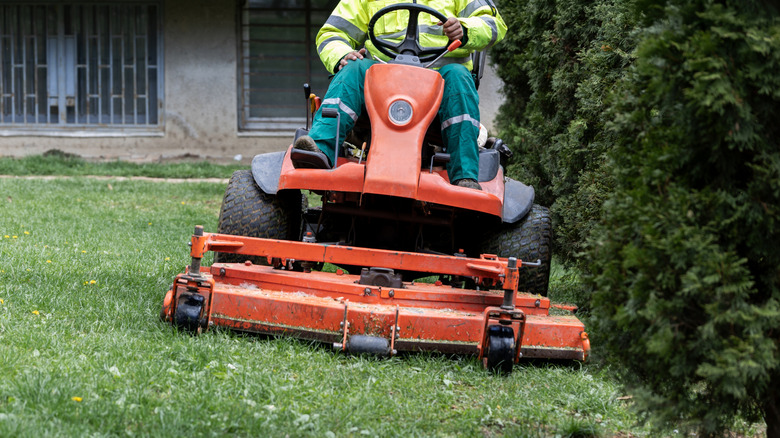
Furthermore, consider the "cost" of the lawn itself. A scalped lawn is more susceptible to weed infiltration, drought stress, and disease. By ensuring your deck wheels are functioning, you are protecting the long-term investment you have made in your landscaping.
Professional Advice on Replacement
When the time comes to replace these wheels, it is important to follow the correct procedure to ensure safety and longevity.
- Safety First: Always disengage the blades, turn off the engine, and remove the ignition key. If you are lifting the mower, ensure it is supported by high-quality jack stands. Never rely solely on a hydraulic jack.
- Assessment of Hardware: When removing the old wheel, inspect the mounting bolt or shaft. If the bolt is pitted, bent, or heavily rusted, do not reuse it. Replace the hardware simultaneously with the wheel.
- Material Selection: Owners often deliberate between plastic and rubber wheels. Plastic wheels are generally cheaper and highly resistant to moisture, making them ideal for standard residential use. Rubber or pneumatic wheels offer better shock absorption and are preferred for professional-grade mowers or properties with extremely rough terrain.
- Alignment: Once the new wheel is installed, verify that the deck remains level. Many riding mowers have an adjustable L-shaped arm shaft that dictates the height of these wheels. Adjust these so that the wheel sits exactly 1/4 to 1/2 inch above the ground when the deck is in the desired cutting position.
Implications for Future Performance
The habit of checking your deck wheels should be integrated into your "pre-mow" inspection list. Much like checking tire pressure or oil levels, this five-minute task prevents the gradual degradation of your mower’s performance.
Beyond the mechanical benefits, there is a tangible pride in ownership that comes from a perfectly manicured lawn. A mower that is properly maintained—down to the smallest wheel—is a machine that will serve you faithfully for years, if not decades. By heeding the early warning signs of squeaking, seizing, and wobbling, you transition from being a reactive owner who pays for repairs to a proactive operator who ensures the longevity of their equipment.
In the world of lawn care, the difference between a pristine, professional-grade cut and a patchy, damaged lawn often comes down to the small, often forgotten components beneath the deck. Do not let your mower deck wheels be the weak link in your maintenance routine. Inspect them, grease them, and replace them when necessary. Your mower—and your lawn—will thank you for it.











