The landscape of the global video game industry has been defined by a volatile cycle of growth and contraction, and today, that instability has struck one of the most storied developers in the business. IO Interactive, the Copenhagen-based studio renowned for the critically acclaimed Hitman franchise and the highly anticipated 007: First Light, has announced a significant internal restructuring.
The studio confirmed that a professional relationship with a key external partner has concluded, a development that has necessitated immediate, painful adjustments to their workforce. While the studio remains committed to its future projects, the news marks a somber moment for a company that had previously enjoyed a period of significant momentum and creative success.
Main Facts: The "New Reality" at IO Interactive
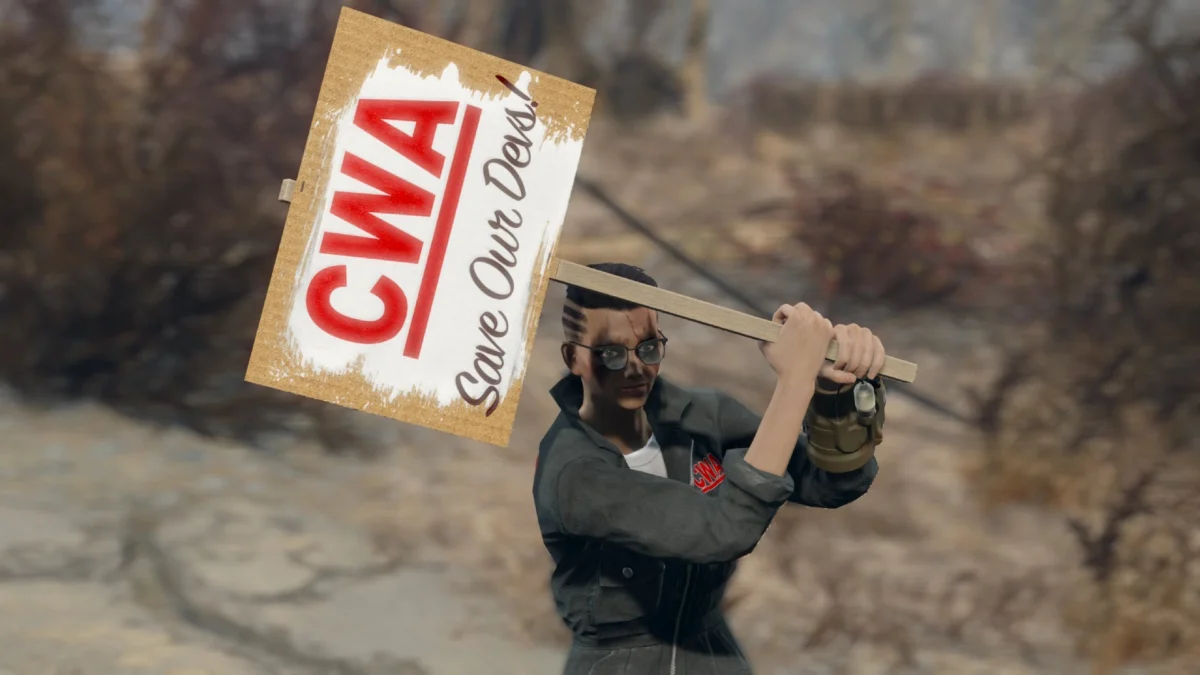
In a formal statement released via social media, IO Interactive revealed that the dissolution of an external partnership has forced the studio to adapt to a "new reality." This euphemistic phrasing, common in corporate communications, was quickly clarified by the studio: the company is currently undergoing a series of layoffs.
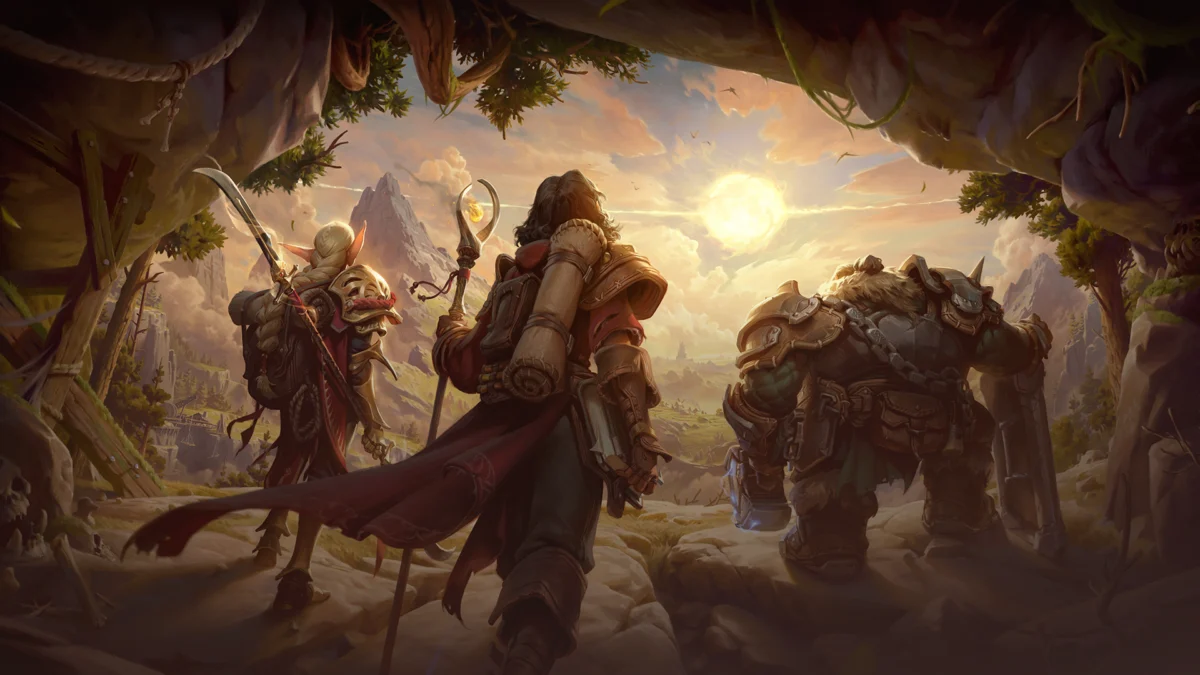
The primary project impacted by this shift is Project Fantasy, an ambitious online fantasy RPG that has been in development since at least 2023. Despite the staffing reductions and the loss of a financial or publishing backer, the studio has stated unequivocally that Project Fantasy will continue to be developed. "Project Fantasy is a game, a world, and an IP that we absolutely love and remain 100% committed to, now and in the future," the studio noted.
While the identity of the "external partner" remains undisclosed, industry speculation has reached a fever pitch. Given historical documentation from the Microsoft/FTC legal proceedings, which linked Project Fantasy to Xbox Game Studios as of 2021, many analysts are questioning if the dissolution of this partnership is a byproduct of broader industry cutbacks currently plaguing the Xbox ecosystem.
A Chronology of Project Fantasy
To understand the weight of this announcement, one must look at the timeline of Project Fantasy—a title that has remained shrouded in mystery since its inception.
- 2021: Internal documents surfaced during the Microsoft vs. FTC court hearings regarding the acquisition of Activision Blizzard. These documents identified Project Fantasy as a potential Xbox-published title, signaling that IO Interactive had secured a major industry heavyweight as a financial and distribution partner.
- 2023: IO Interactive officially acknowledged the existence of the project. They described it as an online fantasy RPG, marking a significant pivot from their historical expertise in stealth-action titles like Hitman and the Freedom Fighters series.
- 2024–2025: Throughout this period, the studio maintained a quiet development cycle, focusing heavily on the production of 007: First Light. The success of the latter helped build a narrative of stability around the studio.
- June 2026: The current crisis point. IO Interactive announces the end of its external partnership, the immediate commencement of layoffs, and a reaffirmation of its commitment to the Project Fantasy IP.
The Broader Industry Context
The situation at IO Interactive does not exist in a vacuum. The gaming industry is currently navigating a "correction" phase following the rapid, pandemic-fueled growth of 2020 and 2021. Major publishers, including Microsoft, Sony, and EA, have collectively laid off thousands of employees over the past 18 months.
The specific challenge for independent, high-profile studios like IO Interactive is the reliance on external publishing deals. When a publisher—such as Xbox—decides to "over-extend" or shift its strategic focus, the studios dependent on that funding are the first to suffer. If the partner in question is indeed Xbox, this would be a significant blow to the ecosystem of studios currently working under the "Xbox Game Studios" umbrella or its publishing arm.
The volatility of the current market means that even studios with successful, high-profile releases (like 007: First Light) are not immune to the pressures of venture capital-driven corporate mandates.
Official Responses and Corporate Communications
IO Interactive’s communication strategy has been characterized by a blend of optimism for their current successes and guarded transparency regarding their challenges.
In their public address, the studio wrote: "For a good while, it has been all positive news from IO Interactive. We remain humbled and honored by the response to our latest outing with a young, unproven Bond." By framing the news against the backdrop of their recent successes, the studio attempts to maintain brand confidence. However, the subsequent pivot—"This means we have to adapt to this new reality and its short-term consequences, including staffing decisions"—is a clear admission that the financial backing for Project Fantasy was either retracted or significantly altered.
The studio’s commitment to "supporting those affected through this challenging transition" is a standard pledge in modern tech layoffs, though it offers little solace to the developers whose careers have been disrupted. The reliance on "corpo-speak" to describe the termination of employees reflects a broader trend in the industry of minimizing the human cost of fiscal adjustments.
Implications for Project Fantasy and IO Interactive
The implications of this move are multifaceted, affecting the studio’s internal culture, their development pipeline, and their standing in the global market.
1. Development Delays
Even if the studio is "100% committed" to Project Fantasy, the loss of a major external partner almost certainly guarantees delays. Transitioning from a multi-publisher model to a self-funded model—or searching for a new partner—is a time-consuming process that requires a total reassessment of scope, budget, and release targets.
2. The Identity of the Partner
If the partner was indeed Microsoft/Xbox, the dissolution of the deal suggests a strategic divergence. It may indicate that Xbox is pulling back on third-party publishing commitments to focus on internal "first-party" output. Conversely, if the partner was a different entity, it could signal a broader cooling of interest in high-budget, "live-service" style fantasy RPGs in a market that is increasingly saturated with such titles.
3. Studio Independence vs. Security
IO Interactive has historically prided itself on its independence. However, the requirement for an "external partner" for a project of this scale highlights the inherent tension between wanting to retain creative control and needing the massive capital required to produce modern AAA games. The studio must now decide if it can scale down Project Fantasy to make it viable for self-publishing, or if they must return to the bargaining table to find a replacement partner.
4. Human Capital and Retention
The most critical, yet often overlooked, implication is the loss of talent. When a studio undergoes layoffs, it often loses the institutional knowledge and creative expertise that defined its previous successes. The "staffing decisions" mentioned by IO Interactive will likely strip away essential team members who were integral to the early vision of Project Fantasy, potentially altering the DNA of the game itself.
Conclusion: A Uncertain Future
As of late June 2026, the future of IO Interactive hangs in a delicate balance. While the studio remains one of the most respected names in game development, the loss of a major partner and the resulting layoffs serve as a stark reminder of the precarity inherent in modern game development.
For the gaming community, the promise that Project Fantasy will "see the light of day" is a glimmer of hope. However, the reality of the situation—a team in transition, a missing partner, and a studio forced to adapt to a shrinking financial landscape—suggests that the road ahead will be long and difficult. Whether IO Interactive can weather this storm and maintain the high standard of quality they have set for themselves remains to be seen. For now, the industry watches closely, waiting to see if this "new reality" will result in a salvaged masterpiece or a cautionary tale of a project that lost its foundation.