Reynand Wu
June 2026 will be remembered as the tipping point in the evolution of Artificial Intelligence. For the past two years, AI in the digital marketing ecosystem acted largely as a "co-pilot"—a sophisticated spell-checker, a background eraser, or a caption generator. It was a tool you operated. However, as the industry closed the book on June, a seismic shift occurred: AI stopped being a feature and started being a worker.
This month, the world’s dominant social platforms—Meta, TikTok, YouTube, and X—collectively pivoted toward an agent-based architecture. These are not merely buttons you click; they are autonomous entities that take a broad instruction and execute a multi-step workflow. From Meta’s Business Agent closing sales in DMs to TikTok’s Symphony Agent building entire ad campaigns from a single prompt, the mandate for marketers has changed. You are no longer just a creator; you are a director.
The Paradigm Shift: From Operator to Architect
The core takeaway for professionals in June is simple: stop asking, "What new feature can I try?" and start asking, "What work can I now hand off?"
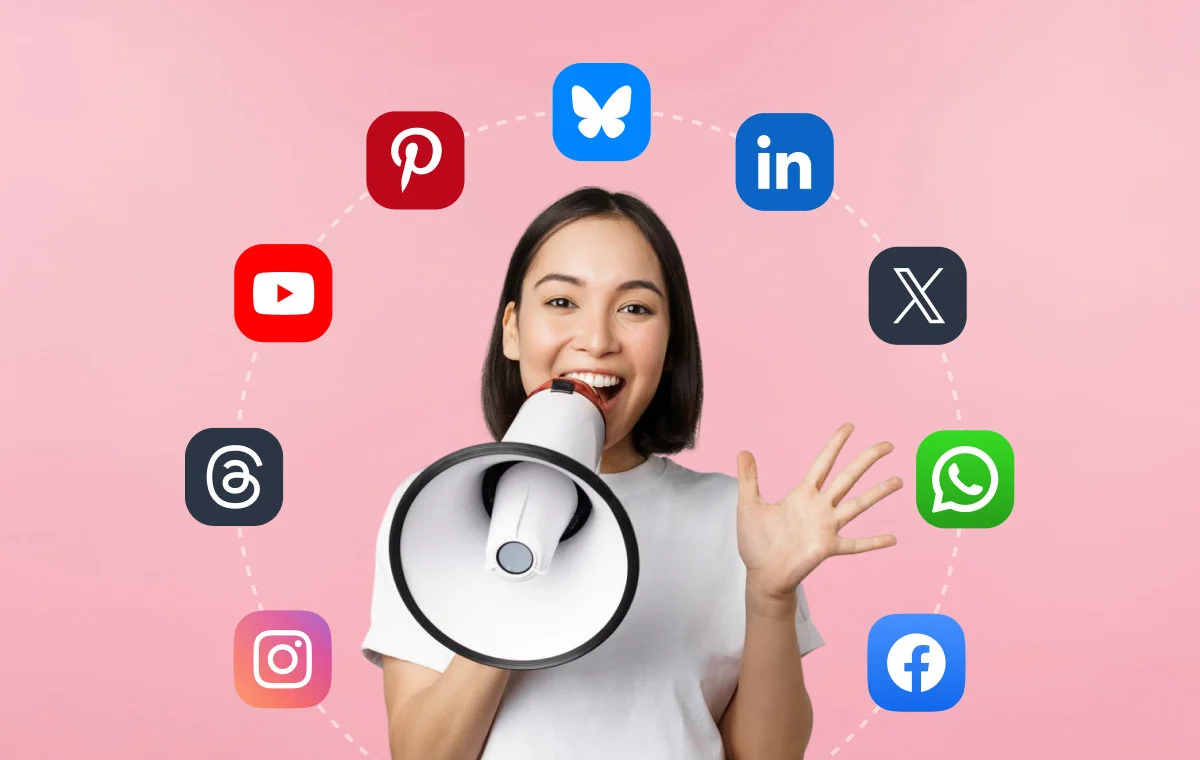
The transition is rooted in the maturity of Large Language Models (LLMs) and multimodal agents. Previously, if you wanted to launch a campaign, you had to source creators, draft briefs, edit assets, configure ad sets, and analyze performance across fragmented dashboards. Today, platforms are consolidating these tasks. By briefing an AI agent, you shift your value proposition from the manual labor of "doing" to the strategic oversight of "directing."
Chronology of the June Update Wave
The rapid deployment of these agents and platform updates occurred in a synchronized burst throughout the month.
Early June: The Instagram and X Shakeup
The month opened with significant platform-level changes. Instagram introduced manual profile grid reordering, ending the era of chronological grid-lock. This allows brands to curate their "first impression" space with high-converting, evergreen content. Simultaneously, Instagram launched Instagram Plus, a $3.99/month subscription offering, which includes exclusive features like "Direct-to-Profile" posting and granular Story audience segmentation.

On the X (Twitter) front, "React with Video" launched, allowing users to record split-screen or green-screen video replies directly within the app. This was accompanied by the general availability of Grok Imagine Video 1.5, an AI tool that transforms static brand assets into 15-second video clips with synced audio, drastically reducing the cost of video production for the platform.
Mid-June: The Meta and YouTube Expansion
By the second week, Meta and YouTube began rolling out their heavy-hitting AI infrastructure. Meta debuted the Meta Business Agent, a powerhouse tool for SMBs that handles customer inquiries, product recommendations, and appointment scheduling across Messenger, Instagram, and WhatsApp.
Simultaneously, YouTube overhauled its Studio Content tab. The redesign replaced complex, siloed columns with a streamlined "Notices" interface and, crucially, a new "Estimated Revenue" column. This allows creators to see the financial impact of their content at a glance, enabling data-driven decisions on which formats to replicate.

Late June: TikTok and Enterprise Integration
As the month concluded, TikTok showcased Symphony Agent. Integrated across the Creative Studio and Content Suite, this agent allows advertisers to build full-funnel TikTok campaigns through natural language prompts. It automates the sourcing of creators and the generation of ad creative, signaling a move toward "one-click" marketing for episodic and short-form content.
Supporting Data and Technical Implications
The technical landscape has shifted to support this level of automation. LinkedIn, for example, updated its Marketing API (v202606) to include 365-day firmographic lookbacks and deeper attribution data. This allows brands to track not just clicks, but the real-world value of their leads in local currencies.
Furthermore, the rise of "Verified Skills" on LinkedIn via Connected Apps (integrating platforms like HubSpot and Beehiiv) provides a new layer of professional accountability. As the demand for AI literacy in marketing roles has surged by 113% year-over-year, the industry is racing to validate these new skill sets through initiatives like the Adobe and LinkedIn "AI Essentials for Marketers" certification.

Official Responses and Industry Sentiment
Platform leaders have positioned these moves as "democratizing enterprise-grade efficiency." In the Meta Newsroom, spokespeople emphasized that the Meta Business Agent is designed to bridge the gap for small teams who lack the budget for 24/7 human support.
Conversely, the creator community has shown a mixed reaction. While independent creators appreciate the efficiency of YouTube’s new AI-powered comment sorting (which uses semantic search to surface themes rather than keywords), there is a growing dialogue regarding "platform lock-in." By encouraging users to do everything—from editing to ad-buying—within the platform’s walled garden, giants like TikTok and Meta are making it harder for creators to diversify their workflows using third-party tools.
Strategic Implications for the Future
The implications for the marketing ecosystem are profound, demanding a re-evaluation of roles within agencies and small businesses.

For Agencies: The Margin is in the Agent
Agencies are facing a "billing paradox." As AI agents handle the time-consuming tasks of drafting copy and managing initial customer chats, the billable hours for those tasks disappear. However, agencies that lean into these tools can scale their output significantly. The recommendation is to use agents for first drafts and front-line management, freeing up the team to focus on high-level brand strategy—the one area where AI cannot yet replicate human intuition.
For Small Businesses: The Efficiency Play
Small businesses have the most to gain. The setup of the Meta Business Agent represents a "free win." By feeding a product catalog and a set of five core FAQs into the agent, a small business can effectively double its coverage hours without increasing headcount. Coupled with the new grid-reordering features on Instagram, businesses can now maintain a premium brand presence with minimal manual intervention.
For Multi-Location Brands: Consistency at Scale
For companies managing hundreds of locations, the new per-slide carousel captions and automated scheduling tools are game-changers. These allow for localized messaging without the need for manual, site-by-site post creation.

Moving Into July: The Road Ahead
As we look toward July, the trajectory is clear: the AI agents that launched this month will expand in capability, language support, and platform depth. The platforms are betting heavily that you will choose to keep your entire workflow—from ideation to conversion—inside their ecosystem.
The challenge for the modern marketer is not to keep up with every single button, but to audit the workflow. Before July gets into full swing, every professional should:
- Identify the most repetitive task in their current rotation (e.g., answering DMs, drafting video briefs, or sorting comments).
- Assign that task to an AI agent for one week.
- Establish a rigorous review process. The AI is the worker, but you remain the editor-in-chief.
The digital landscape is no longer about who can post the most; it is about who can best direct the AI to execute a vision. Those who treat these agents as members of their team—rather than mere gadgets—will define the success stories of the second half of 2026. The tools are ready. The question remains: which parts of your job are you ready to hand off?


 Raul Delapena Setiawan
 Laily UPN