

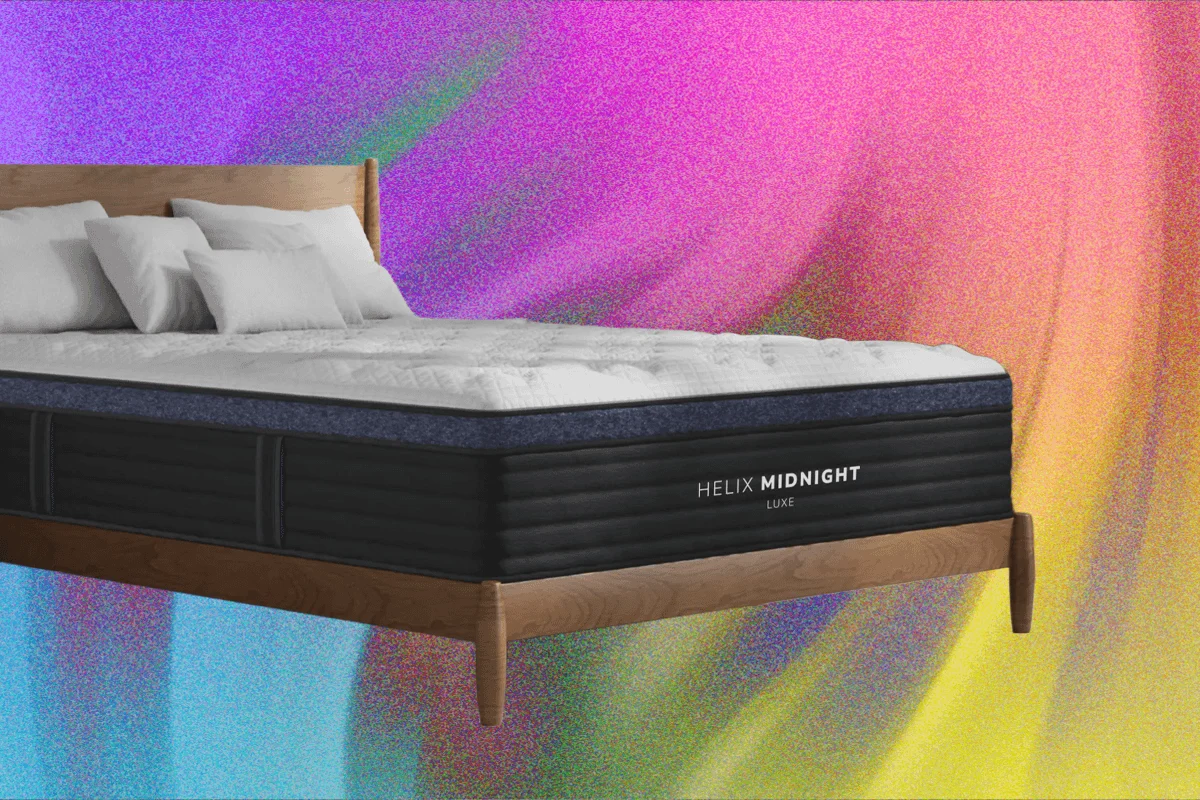
As we kick off 2026, the mattress industry remains a crowded, complex landscape. For the average consumer, the shift from legacy brick-and-mortar showrooms to the "bed-in-a-box" direct-to-consumer model has been both a blessing and a burden. While the variety is unprecedented, the sheer volume of choices—each claiming to be the "perfect" sleep surface—can lead to decision paralysis.
At WIRED, our testing methodology has evolved significantly since we first began evaluating sleep products in 2019. Gone are the days of quick, side-by-side conference room comparisons. Today, our team of experts, including certified sleep science coaches, spends weeks sleeping on each mattress in real-world home environments. This report outlines our findings from the past year, highlighting the standouts that didn’t quite make our "starter team" but still deserve your attention, as well as the models we advise you to skip.
The Testing Philosophy: Why We Do It
The mattress industry is rife with marketing buzzwords like "hyper-elastic," "zero-gravity," and "proprietary cooling technology." Our role is to cut through the noise. We don’t just test for motion transfer or edge support; we evaluate materials, longevity, and, most importantly, the subjective experience of recovery.
We acquire mattresses through a mix of manufacturer-provided media samples and direct, anonymous purchases from retailers like Amazon and Wayfair. Regardless of how we obtain a bed, our editorial independence remains absolute. No partnership dictates our coverage, and our reviews reflect the honest, often personal experiences of our testers.
Honorable Mentions: The Runners-Up
While our "best of" lists are reserved for the absolute top-tier performers, several mattresses tested in 2025 and early 2026 showed significant promise.
Leesa Original Hybrid
At $1,499, the Leesa Original Hybrid is a masterclass in balanced engineering. It is neither too soft nor too firm, making it a safe "crowd-pleaser" for a wide variety of sleepers. With 789 individual pocketed coils, it avoids the premature sagging often found in all-foam beds. Note: It leans toward the softer side of "medium-firm." We highly recommend pairing it with the optional Cooling Quilt Top for those who struggle with heat retention.
The Purple Mattress
Purple’s GelFlex grid is perhaps the most divisive innovation in the sleep space. You will either love the unique, squishy, pressure-relieving sensation or find it alienating. For those who enjoy it, this model is a standout because it avoids extra foam layers, allowing the grid to perform exactly as intended. However, be warned: the grid adds significant weight and height constraints, making it a poor choice for those with low-profile bed frames.

Thuma Luxury Hybrid
Thuma has built a reputation on high-end aesthetics, and their mattress follows suit by blending a smorgasbord of materials: Tencel, organic wool, memory foam, and Dunlop latex. Its support is robust, though the 100-night trial policy is restrictive if you have already purchased other Thuma products.
Puffy Cloud
The Puffy Cloud ($1,049) is an all-foam option that excels at pressure relief. While the "Cloud" moniker suggests an overly soft feel, it provides surprising support for average-weight sleepers. Its motion isolation is top-tier, making it an ideal candidate for households with pets or restless partners.
High-End Luxury and Niche Needs
The Saatva Contour5
Replacing the iconic Loom & Leaf, the Contour5 ($3,049) represents a luxury turn for all-foam mattresses. Unlike most online brands, Saatva skips the roll-packing, delivering the bed on a traditional truck. Its cooling technology—using advanced airflow channels in the gel foam—is genuinely effective, a rare feat for high-density foam.
The Big Fig Classic
Designed for larger frames and weight capacities up to 550 pounds, the Big Fig offers a durable alternative to standard beds. While the construction is solid, our testing revealed a slight "hammock" effect due to aggressive edge support, which may or may not suit your personal preference for sleeping posture.
Helix Sunset Elite
Our top pick, the Helix Elite collection, features a 15-inch profile that is, quite literally, the tallest mattress on the internet. Shipped in two separate, massive boxes, the Elite system allows for modular customization. If you find the initial feel isn’t quite right, the foam density layers can be swapped. It is a premium investment, but for those seeking deep, cradling support, it is currently the industry benchmark.
Models to Approach with Caution
Not every innovation succeeds. Based on our testing, these models failed to meet our standards for comfort, support, or value.
- Birch Elite Hybrid: Despite the high price tag, the top layers were prone to sliding, creating an uneven, lumpy surface that made the bed difficult to move.
- Brooklyn Bedding Spartan: Marketed for "athletic recovery," the medium-firm model we tested cratered immediately, offering virtually no spinal support.
- Sleep Number Climate360: While the technology is impressive, the price (exceeding $10,000) is difficult to justify. Furthermore, the reliance on a high-tech app goes against the sleep hygiene advice of avoiding screens before bed.
- Tempur-Pedic Tempur-Adapt: Multiple reviewers found this model to be "void-like," leading to significant muscle soreness. It is a reminder that brand legacy does not always translate to individual comfort.
Understanding Mattress Certifications
When you are shopping, look for certifications. They are the "cheat code" for safety.

- CertiPUR-US: Essential for memory foam, confirming the absence of harmful chemicals.
- GreenGuard Gold: Vital for those with asthma or chemical sensitivities, ensuring low off-gassing.
- Oeko-Tex Standard 100: Ensures that textiles are free from harmful substances.
The Economics of Sleep: Sales and Timing
Should you wait for a sale? If your current mattress is causing you physical pain or sleep deprivation, the answer is no. However, for those who can wait, the calendar of mattress sales is highly predictable. We track price fluctuations year-round, and the best deals reliably appear during major holidays: Presidents’ Day, Memorial Day, Fourth of July, Labor Day, Black Friday, and Cyber Monday.
Additionally, many brands offer "evergreen" promotions. We often find that manufacturers are willing to offer discounts outside of holiday windows if you know where to look or have access to specific coupon codes.
Frequently Asked Questions (FAQ)
How long should a mattress last?
The industry standard is 8 to 10 years. Beyond that, even the best materials begin to break down, losing their ability to provide proper spinal alignment. If your bed begins to sag or "buckle" under you, check your warranty—you may be eligible for a replacement or a significant discount on a new model.
Is the warranty actually useful?
Always read the fine print. While many brands advertise "lifetime" or "forever" warranties, these are often prorated. For example, a company might cover the first 10 years fully, but require the customer to pay for shipping or labor after that point.
Should I buy in-store or online?
Buying online provides a far wider selection and usually comes with a trial period ranging from 90 days to a full year. However, if you are unsure of your material preferences, visiting a showroom to get a "feel" for the difference between latex, hybrid, and memory foam can be a valuable use of your time. If you do find a bed you like in a store, don’t feel pressured to buy it on the spot; you can often find the same model online at a better price point during a holiday sale.
What happens to the mattresses after testing?
At WIRED, we believe in sustainability. Because most of the mattresses we test are provided as media samples, we donate them to local charities once our testing period is complete. This keeps perfectly good products out of landfills while providing a much-needed service to the community.
Conclusion: The Path Forward
In 2026, the best mattress for you is the one that accounts for your specific body type, sleeping position, and sensitivity to heat. Avoid the urge to be swayed by aggressive marketing. Focus on the materials, check for the required certifications, and prioritize a trial period that gives you enough time to truly adjust. Your sleep is a foundational pillar of your health—invest in it accordingly.











