

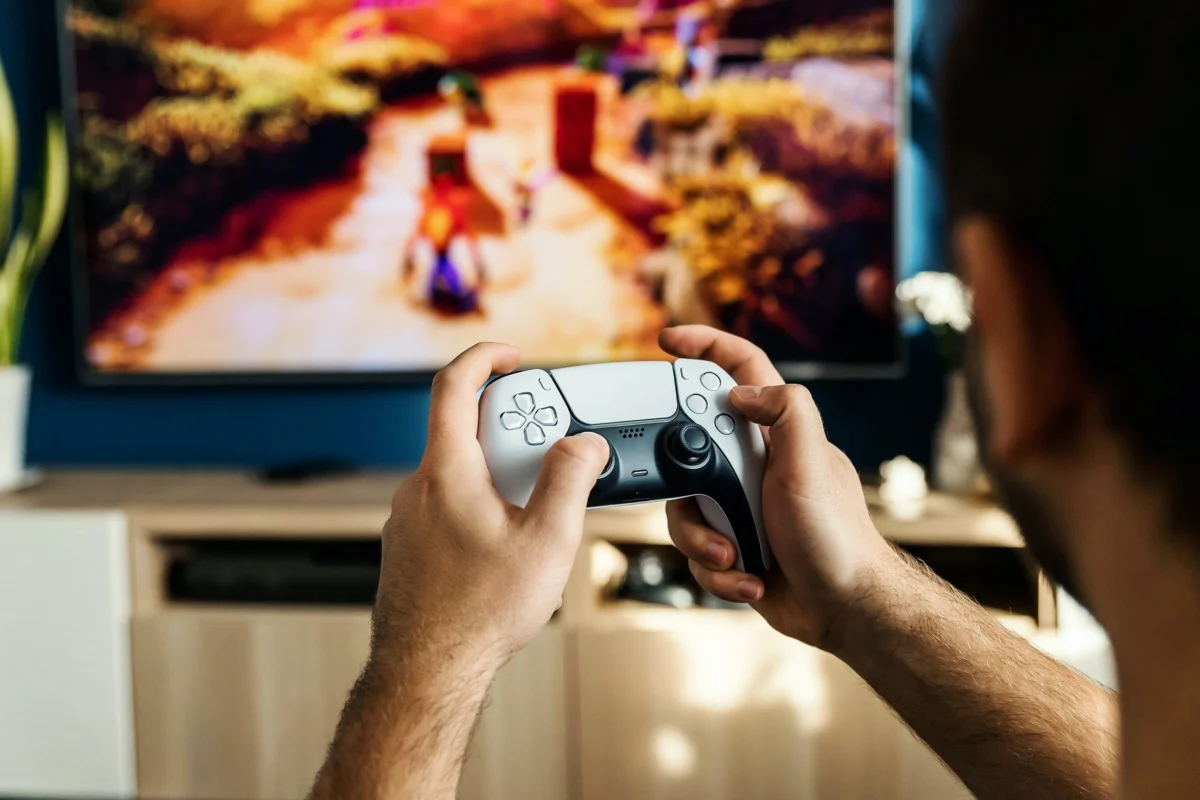
For over a decade, the gaming industry has watched the portable market evolve from a niche curiosity into a massive, multi-billion-dollar sector. While Nintendo dominated the space with the Switch and Valve revolutionized the "PC-in-your-pocket" category with the Steam Deck, Sony Interactive Entertainment (SIE) remained largely on the sidelines, focusing its efforts on the monolithic success of the PlayStation 5. However, recent signals from the highest levels of Sony’s leadership suggest that the company’s "living room-only" strategy is undergoing a fundamental shift.
With the next generation of hardware on the horizon, Sony has dropped its most significant hint yet that a dedicated, native PlayStation handheld could be in active development. As CEO Hideaki Nishino pivots the company toward a "seamless gaming experience," the industry is beginning to connect the dots between modern consumer habits and the potential return of a handheld titan.
The Evolution of the "Living Room" Strategy
In a recent Q&A session with investors, SIE CEO Hideaki Nishino provided a strategic roadmap that signaled a departure from traditional console limitations. When discussing the future of the PlayStation brand, Nishino emphasized that the company’s next-generation strategy is designed to deliver a gaming experience that extends "beyond the living room."
While Nishino stopped short of explicitly announcing a handheld console, the context of his remarks is telling. He acknowledged a seismic shift in gaming behavior: players are increasingly moving away from the communal TV setup toward personal monitors and highly flexible, portable gaming environments. Sony’s internal data suggests that the "traditional" console experience is no longer the sole primary touchpoint for the modern gamer.
This admission is the catalyst for current market speculation. By explicitly identifying the need to meet players "in various forms and locations," Sony is signaling that it understands the future of the brand is not anchored to a single piece of hardware under the television.
A Chronology of Sony’s Portable Ambitions
To understand why a new handheld is being discussed now, one must look at Sony’s complex history in the handheld market:

- 2004–2011 (The PSP Era): Sony’s first foray into the portable space, the PlayStation Portable (PSP), was a massive success that brought console-quality graphics to a pocket-sized device, selling over 80 million units globally.
- 2011–2019 (The PS Vita Era): The PlayStation Vita, despite being a technological powerhouse with a gorgeous OLED screen and dual analog sticks, struggled due to high proprietary memory costs and a lack of sustained first-party support. It was eventually discontinued, leading many to believe Sony had abandoned the market.
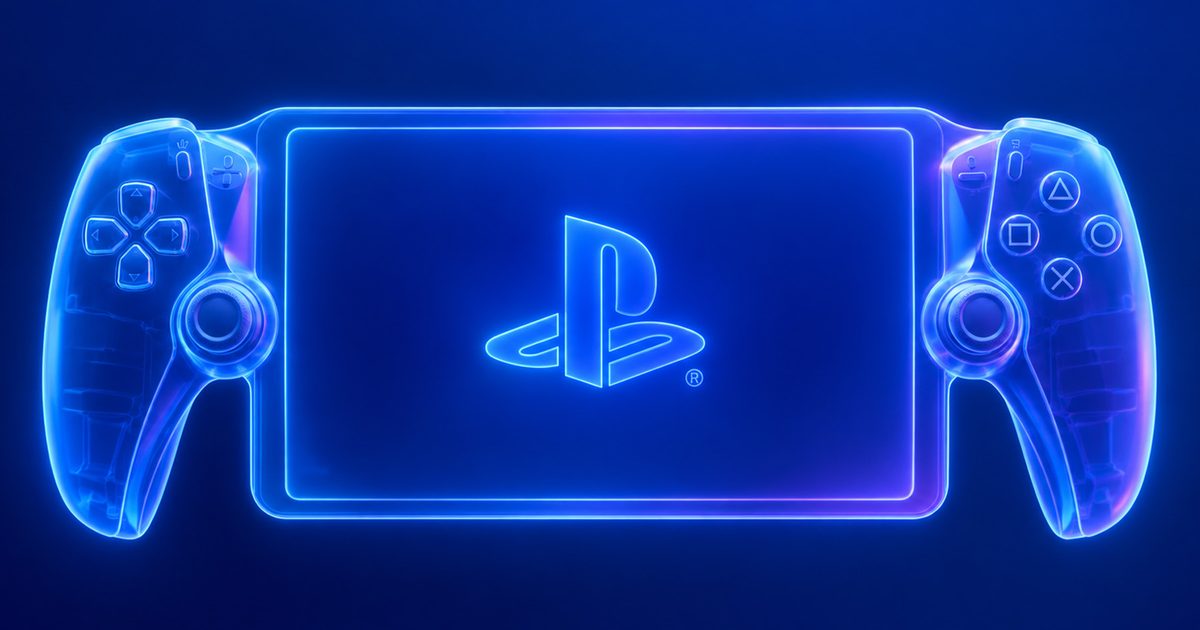
- 2023 (The PlayStation Portal): Sony introduced the PlayStation Portal, a remote-play device that allowed users to stream their PS5 games. While some criticized it for being a "streaming-only" device, its surprisingly strong sales figures provided Sony with critical data: there is a high demand for a portable PlayStation experience, even if that experience is currently tethered to a home console.
- 2025–Present (The "Native" Speculation): With cloud streaming now fully integrated into the Portal, the next logical step—and the one currently being debated—is a "native" handheld, capable of running games locally without the need for a PS5 base station.
The Economic Reality: Profits vs. Hardware
One of the primary concerns surrounding a new Sony handheld is the financial viability of such a project. During the recent investor Q&A, Nishino addressed the elephant in the room: "As a principle, we do not intend to sell hardware at significant losses."
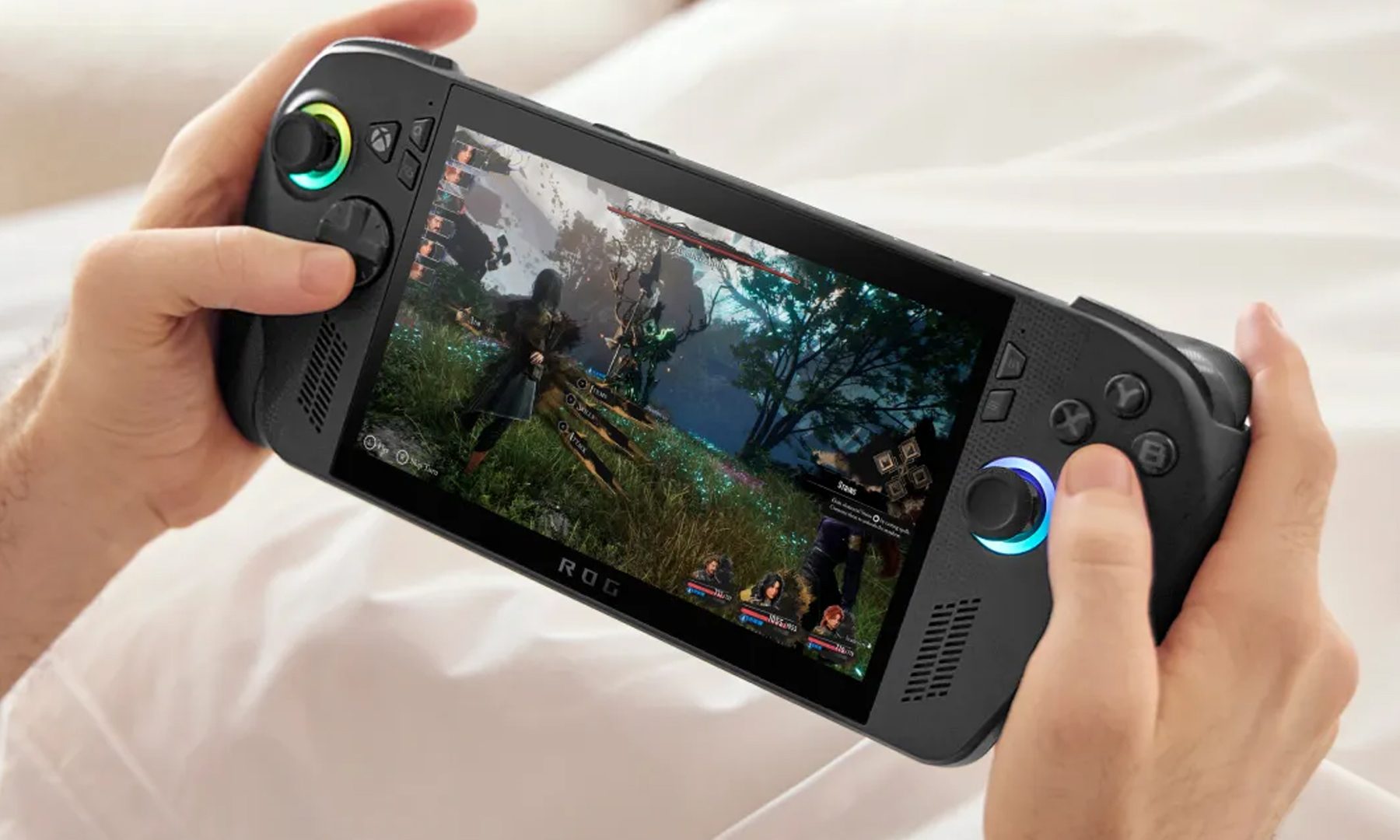
This is a conservative, yet prudent, stance in an era of ballooning component costs. High-end handhelds like the ASUS ROG Ally X and the Steam Deck represent significant engineering feats, but they also highlight the difficulty of balancing performance with a consumer-friendly price tag.
However, skeptics who argue that Sony cannot afford a handheld are likely looking at the wrong set of metrics. Sony is not merely a hardware manufacturer; it is an ecosystem architect. Unlike smaller manufacturers, Sony controls the entire pipeline: from the first-party development studios (Naughty Dog, Insomniac, Santa Monica Studio) to the PlayStation Plus subscription service and the digital storefront.
Even if the hardware itself is sold at a thin margin, the "LTV" (Lifetime Value) of a user who enters the PlayStation ecosystem via a handheld is massive. If a player buys a handheld, they are entering a funnel for software purchases, digital accessories, and long-term subscription fees. This creates a recurring revenue model that allows Sony to subsidize the hardware cost in ways that third-party PC handheld manufacturers cannot.
Can the Tech Keep Up?
The technical argument against a portable PlayStation usually relies on the assumption that a handheld must be a "PS5 in a box." This is a fundamental misunderstanding of mobile hardware. A handheld does not need to render games at 4K resolution; it only needs to look sharp on an 8-inch display.
By targeting a 1080p resolution, Sony can leverage modern advancements in AMD’s APU technology, which continues to become more efficient at smaller power envelopes. Furthermore, Sony’s proprietary upscaling technologies and the specialized nature of a closed console environment—where developers optimize for one specific set of hardware rather than a thousand different PC configurations—could yield performance results far beyond what current Windows-based handhelds achieve.
The Strategic Window: 2026 vs. 2027
The timeline for a potential launch remains the subject of intense debate. While many speculated that a handheld might launch alongside Grand Theft Auto VI to maximize the impact of the biggest game of the decade, a 2026 release seems increasingly unlikely given the lack of supply chain leaks.
A 2027 launch, however, appears to be the "Goldilocks" scenario for Sony. By 2027, the PS5 Pro will have established a mature market, and the hype surrounding GTA VI will have transitioned into a long-tail engagement phase. Crucially, a 2027 release would allow Sony to capitalize on the expected PC release of GTA VI, positioning the handheld as the "preferred portable platform" for the title.
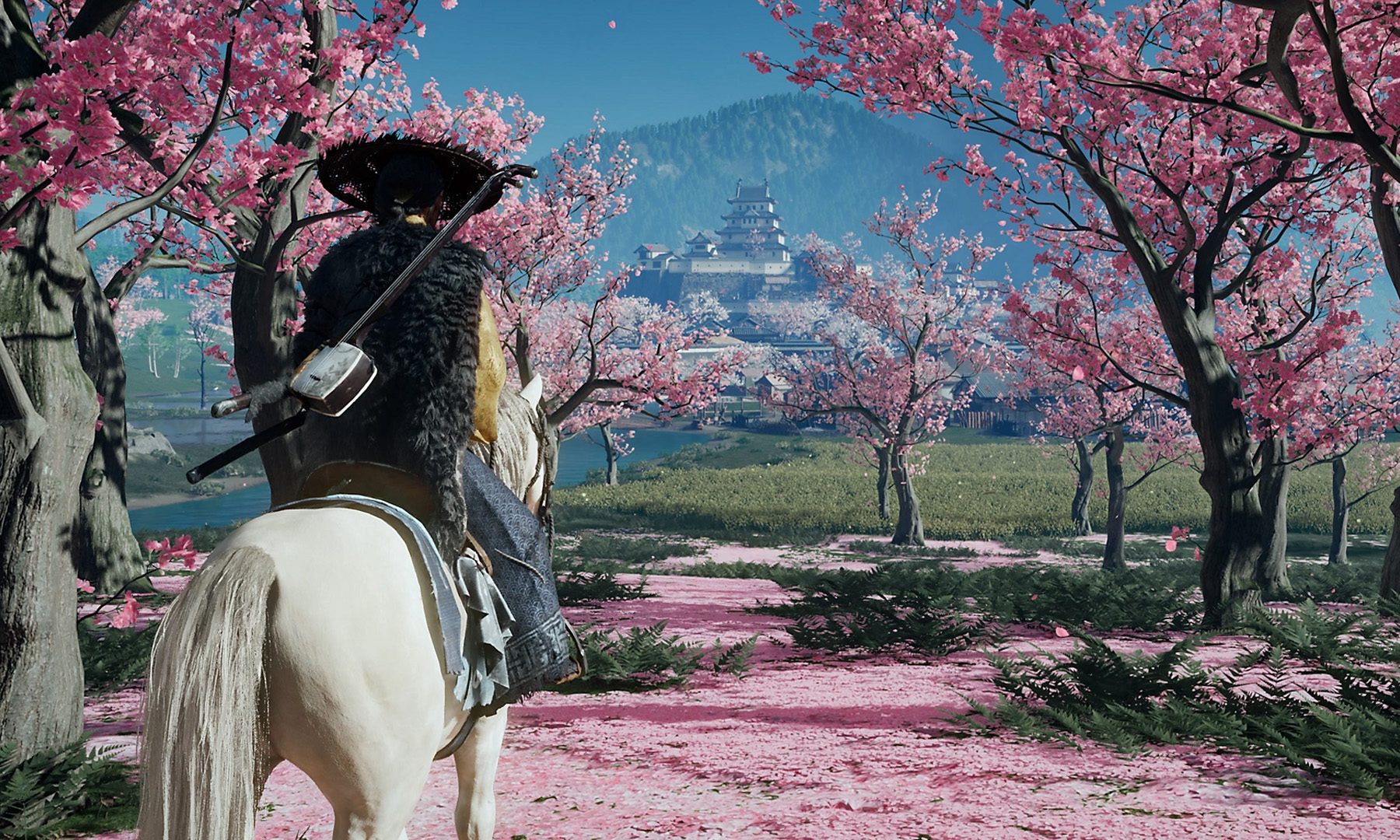
Moreover, launching in 2027 would provide Sony with a stronger library of exclusives to bolster the device’s value proposition. As Sony reportedly pulls back from its aggressive "day-and-date" PC release strategy for flagship single-player games, the handheld becomes the exclusive gateway to the PlayStation brand. If the only way to play the next Ghost of Yotei or God of War on the go is through a dedicated Sony handheld, the device becomes an essential purchase for the enthusiast market.

The Competitive Landscape
Sony is currently the only major console manufacturer without a footprint in the modern handheld space. The landscape is currently crowded:
- Nintendo: Continues to dominate the casual and family market with its hybrid approach.
- Valve: Holds the enthusiast space with the Steam Deck, which has proven that gamers are willing to pay for premium portable experiences.
- PC Handheld Makers (ASUS, Lenovo, MSI, Acer): These companies are pushing the envelope of Windows gaming, but they suffer from the inherent friction of using a desktop OS on a small screen.
Sony’s advantage lies in its software. A "PlayStation Handheld" would offer a console-level UI, instant resume, and the seamless integration of the PlayStation Network—features that PC handhelds struggle to replicate.
Conclusion: A Gamble Worth Taking?
Whether Sony officially enters the handheld market again is no longer a question of "if," but "when." The company has spent years cultivating the infrastructure—from cloud streaming to the PlayStation Portal—to prepare its audience for a move away from the living room.
If Sony can deliver a premium, native-performance handheld that offers a seamless transition between console and portable play, it would effectively complete its ecosystem. For the player, it represents the dream of a unified library. For Sony, it represents the opportunity to reclaim the portable market and ensure that, regardless of where the gamer is, the brand remains front and center.
If you had the opportunity to purchase a high-end PlayStation handheld—a device designed for your existing library, optimized for your favorite exclusives, and built with the reliability of a dedicated console—would the $600 price point be a barrier, or the price of entry into a new era of gaming? The answer to that question may well determine the future of the industry.











