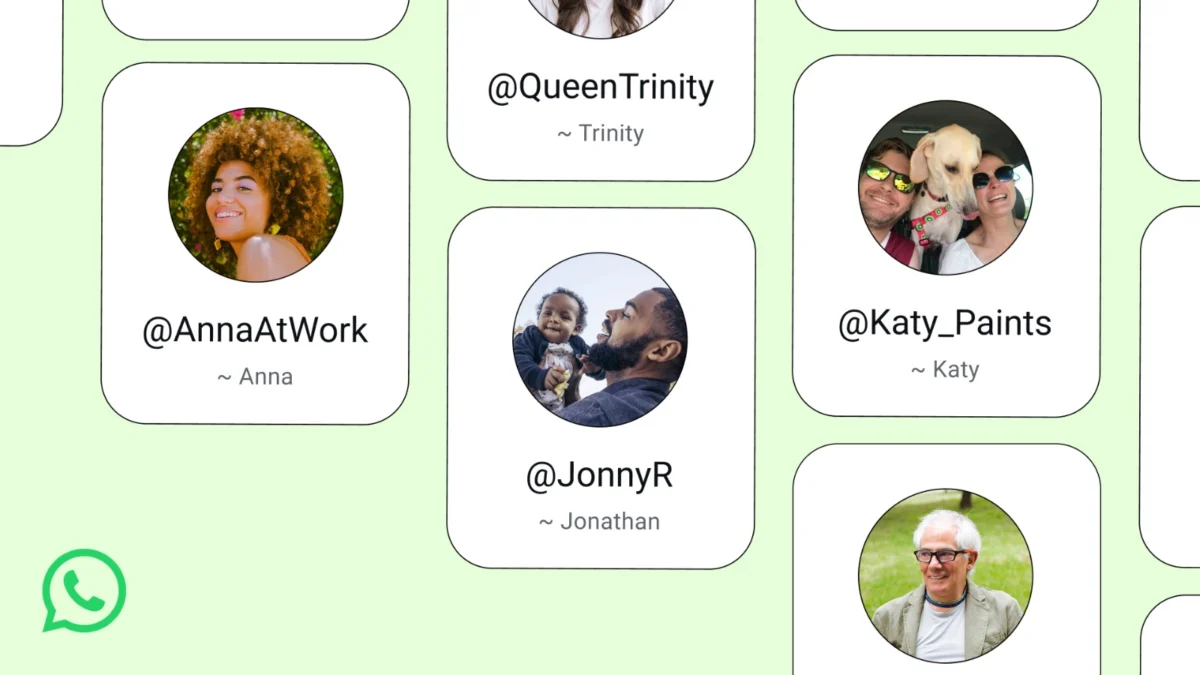
In a landmark shift for one of the world’s most ubiquitous communication platforms, WhatsApp has officially initiated the reservation process for unique usernames. This move marks a departure from the app’s long-standing reliance on phone numbers as the primary identifier for every user, promising a new era of digital privacy. With over three billion active users globally, the introduction of usernames is designed to bridge the gap between seamless connectivity and personal security, allowing individuals to interact with peers, businesses, and community groups without exposing their most sensitive contact information.
The Core Transformation: Moving Beyond the Phone Number
For over a decade, WhatsApp has operated on a rigid infrastructure: to talk to someone, you needed their phone number. While this simplified the onboarding process and reduced spam in the platform’s early years, it created a significant privacy vulnerability. A phone number is more than just a sequence of digits; it is a gateway to a user’s financial, social, and professional life.
The new update, which began rolling out this week, allows users to secure a unique handle. This identifier will function similarly to those on platforms like Instagram or X (formerly Twitter), enabling users to initiate conversations and join groups without revealing the phone number tied to their SIM card. WhatsApp describes this as a "privacy-first" evolution, acknowledging that modern digital life often requires users to connect with strangers—such as classmates, neighbors, or event attendees—without wanting to grant them permanent access to their private contact details.
A Chronology of the Privacy Shift
The development of the username feature has been a long-gestating project within Meta’s engineering teams. While early rumors circulated in tech circles throughout 2024 and 2025, the official confirmation arrived in mid-2026.
- Early 2024–2025: Beta testers began reporting hidden strings of code within the WhatsApp APK that hinted at "handle" or "username" functionality, sparking speculation about the end of phone-number-only identification.
- June 2026: Meta officially announced the global rollout of the username reservation system. The company noted that this period serves as a "pre-launch window," allowing high-profile users, businesses, and early adopters to stake their claim before the feature becomes fully integrated into the user interface.
- Late 2026: The full, broad-scale launch of the functionality is expected. By this time, users who have reserved their handles will see them replace their phone numbers in discovery and initial contact scenarios.
Protecting the Digital Identity: Why Now?
The decision to decouple phone numbers from identity comes at a time when digital harassment and data privacy concerns are at an all-time high. WhatsApp’s internal research suggests that a significant percentage of its user base is hesitant to engage in community groups or contact local businesses specifically because they do not wish to broadcast their phone numbers to an unknown audience.
By implementing usernames, WhatsApp is effectively lowering the "social cost" of interaction. When a user joins a group chat in the future, their presence will be marked by their chosen handle. Their phone number will remain hidden unless they explicitly choose to share it—a process that is currently automatic and often undesirable.
Supporting Data and Demographic Trends
With more than three billion users, the scale of this migration is unprecedented. To facilitate a smooth transition, WhatsApp has introduced a "Username Generator" to assist users who may struggle to find an available handle. Furthermore, the company has integrated a cross-platform synchronization tool that allows creators, small businesses, and influencers to claim the same handle they already use on Instagram or Facebook, ensuring brand consistency across the Meta ecosystem.
Official Stance and Privacy Safeguards
The introduction of usernames is not without its risks. The primary concern among cybersecurity experts is the potential for "impersonation" or the creation of spam accounts. To combat this, WhatsApp has architected the system with rigorous constraints:

- No Public Directories: There is no centralized "search" function to browse usernames. Users cannot simply search for "John Doe" and see a list of accounts. To connect with someone, you must already know their specific username. This prevents mass-scraping and unsolicited spam.
- The Optional Username Key: Perhaps the most robust privacy feature is the "Username Key." Users can configure their accounts to require a secondary verification code or "key" before a stranger can send them their first message. This effectively turns a public handle into a private, gated entry point.
- Data Minimization: WhatsApp has emphasized that the username is simply an alias for the existing account. The backend remains encrypted, and the underlying phone number is still used for authentication, ensuring that the platform’s security protocols remain intact.
"When someone new walks into your life," the company stated in a recent press release, "sharing a phone number can feel like a big step. That’s because a phone number is personal and it’s tied to so many parts of your life. Sometimes you just want to chat without handing over your digits."
The Implications for Business and Commerce
For the business community, this update is a game-changer. Small businesses that rely on WhatsApp to field customer inquiries have historically been forced to share a mobile number, which is often tied to a personal device. This created a lack of professionalism and a boundary issue for business owners.
With the rollout of usernames, businesses can now use a professional handle—such as @BakeryName or @ServiceConsultant—to interact with clients. This move potentially positions WhatsApp as a more viable competitor to professional CRM tools and communication platforms like Slack or Microsoft Teams, as it allows for a cleaner, more professional interaction layer.
How to Secure Your Username
As the rollout is occurring in waves, not all users will see the option immediately. The company advises users to:
- Ensure their WhatsApp application is updated to the latest version via the Apple App Store or Google Play Store.
- Navigate to Settings > Account > Username.
- Follow the prompts to select a handle.
If the option is not yet visible, users should expect an in-app notification in the coming weeks. Because of the sheer volume of users, WhatsApp is encouraging people to reserve their preferred names as early as possible to avoid disappointment, as handles are being issued on a first-come, first-served basis.
Looking Toward the Future
The shift toward username-based communication represents a fundamental evolution in how we define "presence" in the digital age. By allowing for pseudonymity, WhatsApp is acknowledging that users want to curate their digital footprint more carefully.
However, the true success of this feature will be measured by how effectively it curbs spam. While the lack of a public directory is a strong defense, bad actors have historically found ways to exploit communication platforms. WhatsApp’s commitment to iterating on these privacy tools will be under intense scrutiny as the feature rolls out to its massive global audience.
As we move toward the end of 2026, the era of the "phone number as a public identifier" is clearly coming to a close. Whether this transition will lead to a more secure, less cluttered, and more professional messaging environment remains to be seen, but one thing is certain: WhatsApp is changing the rules of engagement for billions of people, and the digital landscape will never be the same.