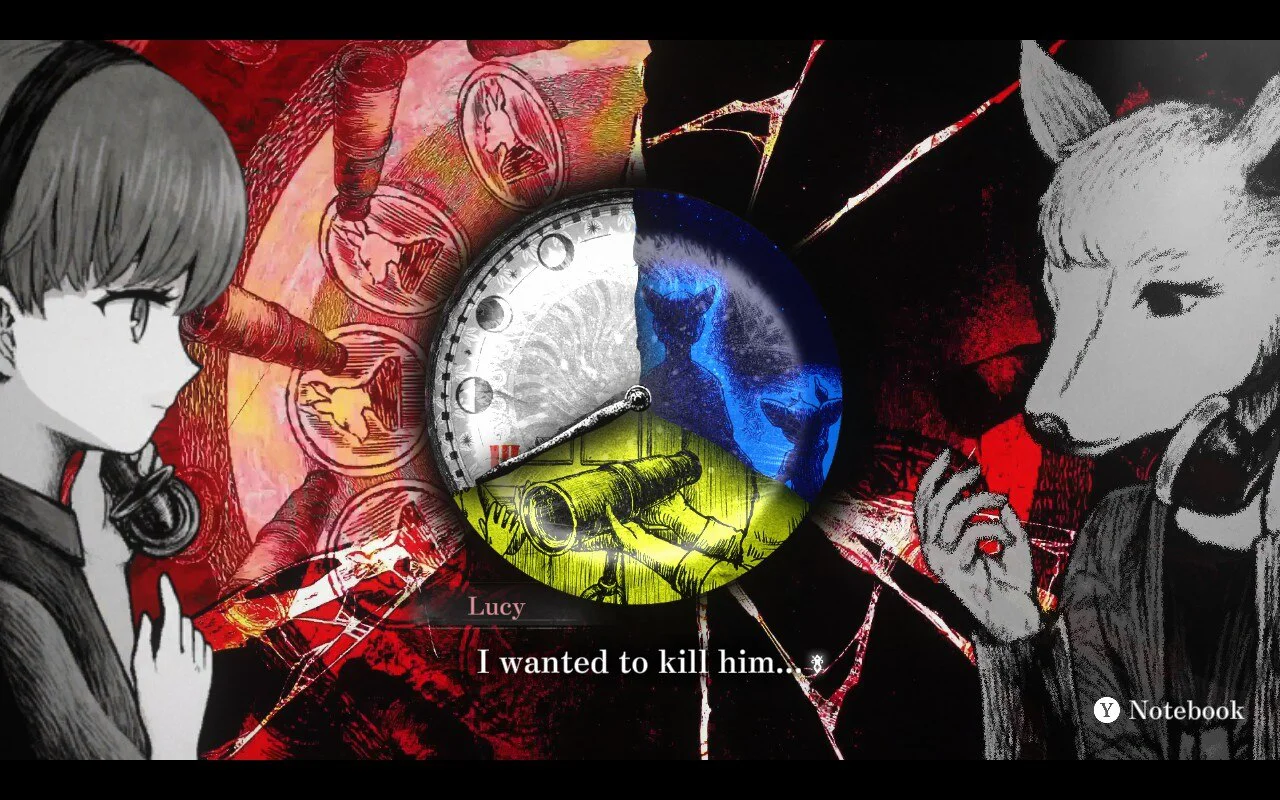
Video games have long served as a mirror to the human condition, reflecting our deepest fears, our wildest aspirations, and our most profound grief. While many titles have tackled the subject of mortality through the lens of combat or high-stakes tragedy, few have paused to examine the quiet, singular stillness of a soul’s final heartbeat. Schrödinger’s Call, an indie narrative experience, does exactly this—and in doing so, it manages to achieve an emotional resonance that feels both alien and intimately familiar.
The Premise: The Last 21 Nanoseconds
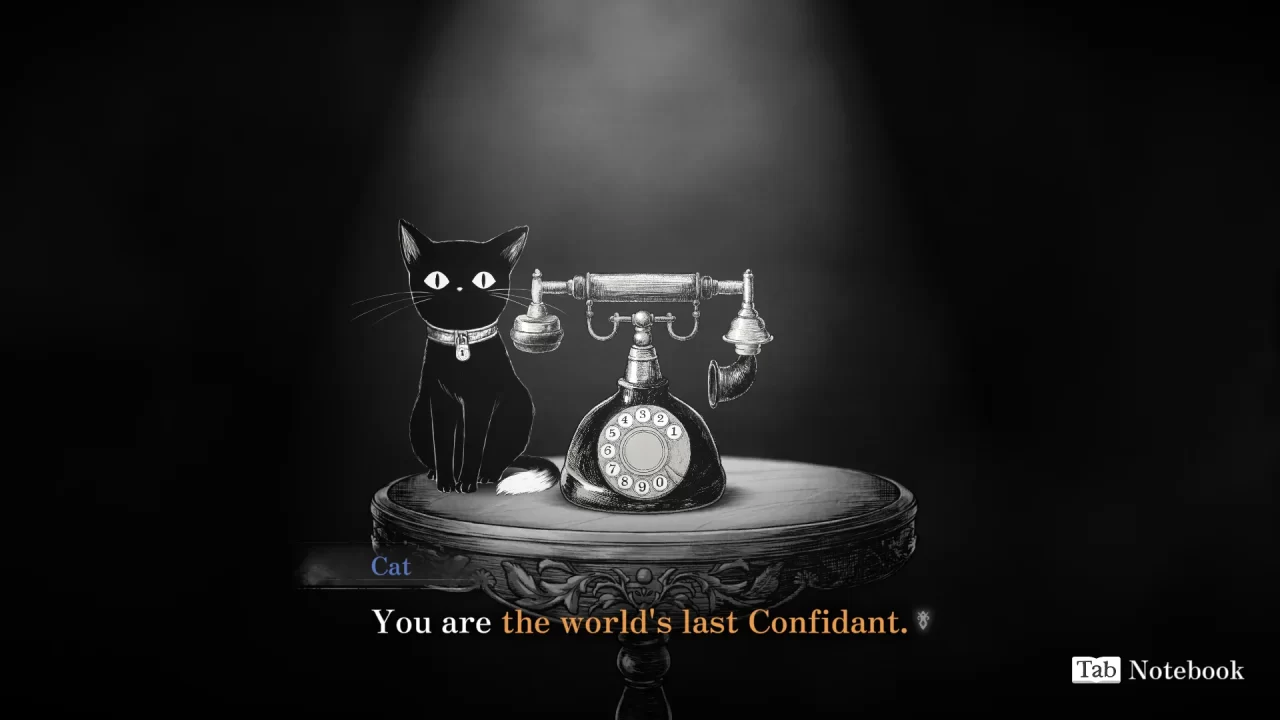
Schrödinger’s Call presents an apocalyptic scenario that is as sudden as it is absolute. The premise is stark: the moon has collided with the Earth, resulting in the instantaneous termination of all human life. The game places players in the shoes of Mary, the world’s final "Confidant." Accompanied by Hamlet, an enigmatic and cryptic feline companion who remains reticent regarding the specifics of his origins or his true motivations, Mary occupies the liminal space between existence and oblivion.
The narrative takes place within the final 21 nanoseconds of human consciousness. In this microscopic window of time, the world as we know it has ended, yet the echoes of human regret and memory persist. As the Confidant, Mary’s role is to act as a vessel for these departing souls, helping them process their final earthly attachments before they vanish forever. Simultaneously, she must grapple with her own fractured identity, as her own memories are as obscured as the truth behind Hamlet’s cryptic commands.
Chronology of a Crisis
The structural pacing of Schrödinger’s Call is designed to mirror the frantic, disorienting nature of a life ending. The player’s journey begins in a state of profound confusion, mimicking Mary’s own lack of context.

- The Awakening: The player is introduced to the role of the Confidant through Hamlet’s guidance. The immediate objective is established: make contact with the souls of humanity.
- The Triage of Regret: The gameplay shifts into a series of intimate encounters. Each soul the player interacts with is caught in the recursive loop of their most painful, unresolved memory.
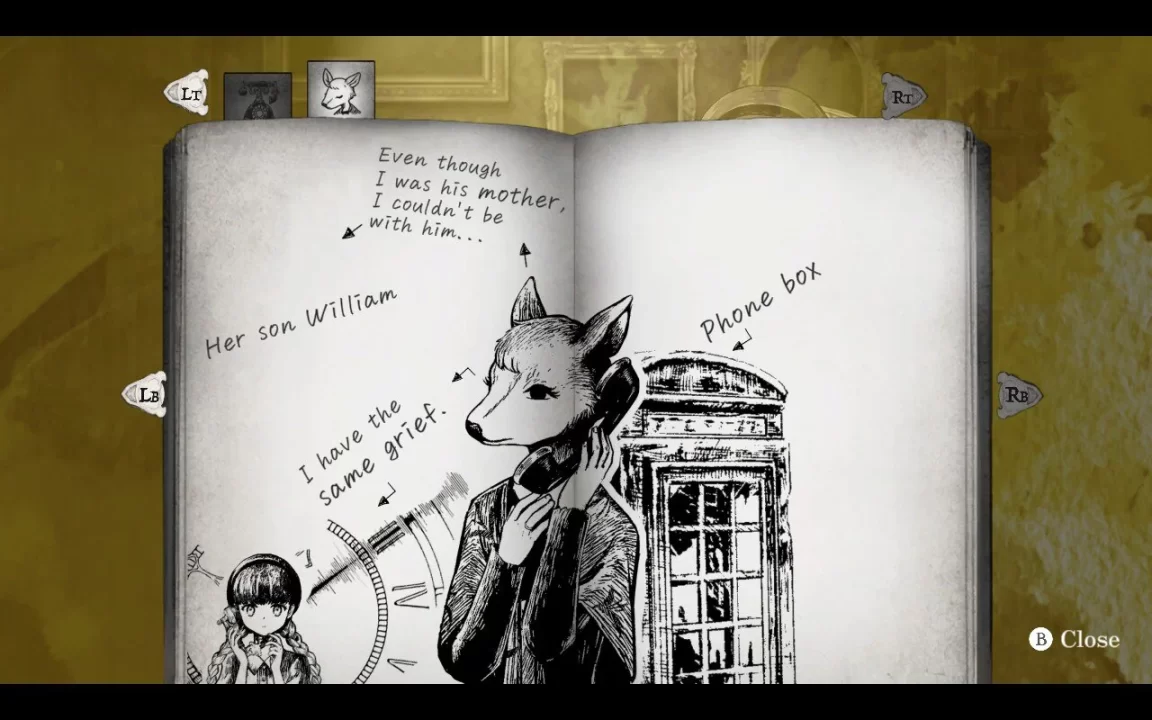
- The Deep Dive: Through dialogue-heavy sequences, players assist these souls in unpacking their burdens. A primary example is the narrative arc involving Lucy and her estranged son, William. This segment serves as a cornerstone of the game’s emotional architecture, requiring the player to sift through layers of guilt and misunderstanding to arrive at a cathartic conclusion.
- The Final Silence: As the game progresses, the intensity of the "breakdown" scenes—where a soul begins to collapse under the weight of their own trauma—increases, pushing the player to provide support under the looming shadow of total erasure.
Supporting Data: Narrative Design and Player Agency
In an era where the industry is dominated by expansive open-world games and branching narrative paths, Schrödinger’s Call makes a bold, counter-intuitive choice: it is strictly linear. There is no moral alignment system, no branching endings, and no "game over" state dictated by incorrect choices.
While some critics might argue that this lack of mechanical agency diminishes the stakes, the game’s design philosophy suggests otherwise. By removing the pressure to "win" or "solve" a character’s trauma through a correct dialogue path, the developers force the player into a role of a passive observer. Much like the Confidant, the player is not there to alter the outcome—the outcome is already sealed by the moon’s impact—but to bear witness. This linear approach provides a "breath of fresh air," allowing for a focused, curated narrative experience that refuses to prioritize player ego over the integrity of the story being told.
The Artistry of the End
The visual presentation of Schrödinger’s Call is, by any measure, an outlier in the visual novel genre. It avoids the static, predictable tropes of its contemporaries, opting instead for a dynamic visual language that feels as fractured as the world it depicts. Character portraits fade and flicker, reflecting the instability of the souls being interviewed. The anthropomorphic character designs are not merely stylistic choices but serve to heighten the surreal, otherworldly atmosphere of the final 21 nanoseconds.
Complementing this visual identity is a soundscape that manages to be both haunting and deeply evocative. The "babble" language—a creative, synthetic phonetic system used by the characters—echoes the design choices found in games like The Sims or Animal Crossing. However, where those titles use it for charm, Schrödinger’s Call uses it to create an unsettling, dreamlike quality. It serves as a reminder that these beings are no longer quite human, yet they retain enough of their humanity to express universal pain.
Official Perspectives: The Creator’s Intent
While the development team behind Schrödinger’s Call has kept much of the game’s deeper lore under wraps, the thematic focus remains clear: the universality of regret. By framing the end of the world not through the lens of explosions or fire, but through the lens of a mother trying to reconcile with her son, the developers highlight the insignificance of global catastrophe when measured against the weight of a single, human heart.
The game challenges the player to confront the "inevitability of death"—a concept that becomes more pressing as one ages. The developers have suggested that the "Confidant" role is meant to represent the way we, as individuals, hold onto the stories of those we have lost. In this sense, the game is not about saving the world, but about acknowledging that everyone eventually faces a moment of finality, and that the only thing left to do is to be heard.
The Implications of a "Final" Game
The release of Schrödinger’s Call signals a shift in indie game development toward more existential, meditative experiences. It joins a pantheon of games that prioritize emotional output over gameplay loops.
Emotional Impact
The game is notoriously difficult to play in a single sitting. Its heavy subject matter—estrangement, death, and the loss of identity—demands a significant emotional toll from the player. The "breakdown" sequences, in particular, are masterclasses in tension, using minimalist gameplay to convey maximum emotional distress.
Philosophical Contribution
Schrödinger’s Call asks a fundamental question: If you knew the world was ending in a fraction of a second, would you spend that time fighting the inevitable, or would you spend it seeking a moment of peace? By forcing the player to engage with the lives of others, the game suggests that even in the face of total annihilation, connection remains the most valuable human currency.
Conclusion: A Testament to the Human Experience
Schrödinger’s Call is more than just a game; it is a contemplative exercise in empathy. It refuses to hold the player’s hand or provide easy answers, yet it remains one of the most accessible explorations of grief in the modern gaming landscape.
It reminds us that while we cannot control the ticking clock of our own existence, we can control how we treat the people we encounter along the way. It is a haunting, beautiful, and profoundly melancholic work that deserves a place in the library of anyone looking for a game that does more than just entertain. It asks us to look at the end, not with terror, but with the quiet dignity of a conversation—a final, lingering call before the silence takes over.
In a world that is constantly moving, Schrödinger’s Call demands that we stop, listen, and remember that our time here is finite. It is a reminder to ensure that, while we are here, we make our time count.