Ammar Sabilarrohman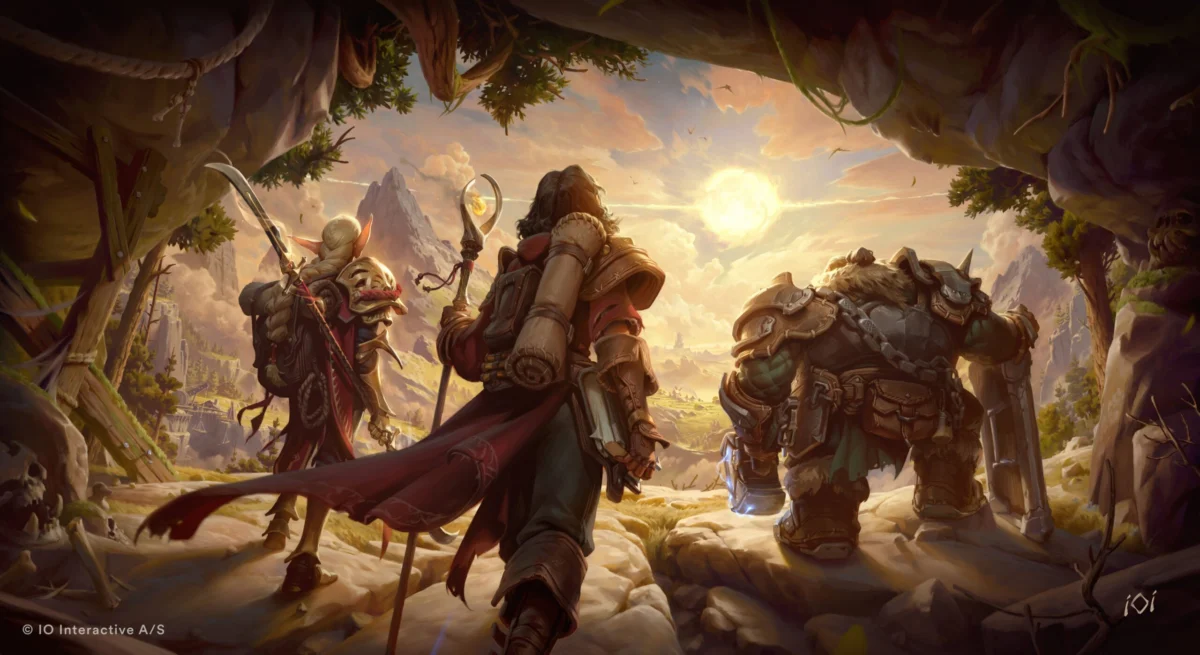
Copenhagen, Denmark & Redmond, Washington – June 30, 2026 – IO Interactive, the acclaimed studio behind the Hitman franchise and the upcoming Project 007, has announced a wave of layoffs following the termination of its partnership with an external publisher for its ambitious online fantasy RPG, Project Fantasy. In a significant revelation that underscores the volatile landscape of the video game industry, leaked documents from the Federal Trade Commission (FTC) v. Microsoft court proceedings, subsequently confirmed by Bloomberg, have identified Xbox Game Studios as the publishing partner in question.
This development at IO Interactive arrives as Xbox itself grapples with an impending, extensive round of layoffs, reportedly slated to commence next week. These cuts are expected to lead to the potential closure or spin-off of at least five studios, including high-profile entities such as Arkane Studios, and the possible cancellation of anticipated titles like Marvel’s Blade. The confluence of these events paints a stark picture of a gaming industry in flux, undergoing a significant "reset" driven by strategic recalibrations and economic pressures.
Main Facts
IO Interactive’s Layoffs and the Project Fantasy Setback
The news from IO Interactive, a studio celebrated for its distinctive approach to game design and narrative, particularly with the Hitman series, marks a somber moment. Project Fantasy, an online fantasy RPG first announced in February 2023, was positioned as a major new intellectual property for the independent developer. The abrupt end of its publishing partnership has necessitated immediate "staffing decisions," leading to an undisclosed number of layoffs. This move, while described by the studio as an adaptation to a "new reality," undoubtedly casts a shadow over the morale and stability of the Copenhagen-based team. Despite the setback, IO Interactive has affirmed its "100 percent commitment" to the Project Fantasy IP, expressing confidence that "this wonderful universe will see the light of day."
Xbox Confirmed as Publisher Amidst Industry Turmoil
The identity of the departed publishing partner remained shrouded in speculation until documents from the ongoing FTC v. Microsoft legal proceedings surfaced. These leaks, which have become an unexpected wellspring of confidential industry information, revealed Xbox Game Studios as the entity backing Project Fantasy. Bloomberg subsequently confirmed Xbox’s involvement, adding another layer of complexity to the narrative. This disclosure places the decision firmly within the context of Microsoft’s broader strategic re-evaluation of its gaming division, a "reset" that Xbox CEO Asha Sharma has recently hinted at. The timing is particularly poignant, as Xbox itself is reportedly poised for a substantial internal restructuring, impacting numerous first-party studios and projects.
Chronology
The Genesis of Project Fantasy
IO Interactive first unveiled Project Fantasy in February 2023, teasing an ambitious online fantasy RPG. Following the critical and commercial success of their self-published Hitman 3 and the high anticipation for Project 007, the studio appeared to be diversifying its portfolio with significant backing. The announcement generated considerable excitement, promising a fresh take on the fantasy genre from a studio renowned for its meticulous world-building and innovative gameplay mechanics. The partnership with a major publisher like Xbox Game Studios would have provided substantial financial and marketing muscle, crucial for an online-focused title with presumably long-term service ambitions.
The Unraveling Partnership: Leaks and Confirmations
The first public indication of trouble emerged from the persistent leaks stemming from the FTC v. Microsoft court proceedings. These legal documents, originally unsealed as part of the regulatory review of Microsoft’s acquisition of Activision Blizzard, have inadvertently exposed numerous confidential agreements and strategic plans within the gaming industry. It was through these documents that the publishing relationship between IO Interactive and Xbox for Project Fantasy was first revealed, along with hints of its dissolution. This was swiftly followed by IO Interactive’s public announcement of layoffs due to the termination of an external partnership, and subsequently, Bloomberg’s confirmation from Microsoft that Xbox was indeed the partner in question. This sequence of events highlights the increasing transparency (albeit often involuntary) within the gaming industry, where court proceedings and digital trails can reveal corporate machinations.
The Immediate Aftermath: Layoffs at IO Interactive
For IO Interactive, the end of the partnership has immediate and tangible consequences. The studio’s statement explicitly mentioned "staffing decisions" as a short-term outcome, confirming layoffs. While the exact number of affected employees remains undisclosed, any reduction in force is a significant blow to a development team and the individuals involved. This period of transition will undoubtedly test the studio’s resilience and its ability to maintain momentum on its remaining projects, including the highly anticipated Project 007. The studio’s commitment to Project Fantasy despite the setback indicates a determination to see the vision through, but the path forward will undoubtedly be more challenging without a major publishing partner.
Supporting Data
The Broader Context of Xbox’s Strategic Shift
The decision to withdraw from Project Fantasy is not an isolated incident but rather a symptom of a larger strategic overhaul within Xbox. Reports indicate that the division is bracing for a significant wave of layoffs, potentially impacting several internal studios. Sources suggest that Microsoft is weighing the closure or spin-off of at least five development teams, with whispers specifically naming Arkane Studios (known for Dishonored and Prey) and the potential cancellation of Marvel’s Blade, a highly anticipated title from Arkane Lyon. This aggressive restructuring, dubbed a "reset for a stronger Xbox" by CEO Asha Sharma, suggests a concerted effort to streamline operations, cut costs, and potentially refocus development efforts on a narrower, more strategically aligned portfolio. The pressures of maintaining Game Pass subscriptions, escalating development costs for AAA titles, and intense competition in the gaming market are likely driving these difficult decisions.
A Pattern of Industry Contraction
The gaming industry, which experienced unprecedented growth during the pandemic, has been in a period of significant contraction over the past year. Layoffs have become a disturbingly common headline, affecting companies of all sizes, from indie studios to industry giants. Major publishers and developers like Epic Games, Unity Technologies, Amazon Games, and numerous others have announced workforce reductions, signaling a broad market correction. Factors contributing to this trend include over-hiring during the pandemic boom, rising interest rates, increased development costs, investor pressure for profitability, and a more competitive and saturated market. Xbox’s internal layoffs and its decision regarding Project Fantasy are thus part of a wider, systemic challenge facing the global video game sector, where even successful studios and established publishers are forced to make tough economic choices.
The Role of the FTC v. Microsoft Proceedings
The FTC’s legal challenge against Microsoft’s acquisition of Activision Blizzard has inadvertently become a remarkable source of transparency in an otherwise secretive industry. Throughout the proceedings, numerous confidential documents, emails, and internal communications were unsealed or leaked, providing an unprecedented glimpse into the strategic thinking, financial dealings, and partnership agreements of major players. These leaks have revealed everything from console sales figures and unannounced game projects to publishing deals and internal studio valuations. The disclosure of Xbox’s involvement with Project Fantasy and its subsequent withdrawal is yet another instance where the legal spotlight has illuminated the often-hidden realities of game development and publishing, offering invaluable context to otherwise opaque corporate decisions.
Official Responses
IO Interactive’s Message to the Community
In a direct address to its "gaming community," IO Interactive acknowledged the difficult news. The statement, posted on their social media channels, began by reflecting on recent successes, particularly the positive reception to their "young, unproven Bond" – a clear nod to Project 007. It then transitioned to the "more downbeat news":
"A relationship with an external partner on our own [intellectual property], Project Fantasy, has come to an end. This means we have to adapt to this new reality and its short-term consequences, including staffing decisions, which is what is happening as we write this update, and we are fully committed to supporting those affected through this challenging transition."
Crucially, the studio reiterated its unwavering commitment to the game: "Project Fantasy is a game, a world, and an [intellectual property] that we absolutely love and remain 100 [percent] committed to, now and in the future. This wonderful universe will see the light of day." This message aims to reassure fans and stakeholders that the vision for Project Fantasy persists, even as the immediate path forward becomes more complex.
Microsoft’s Stance on Investment and Strategy
A Microsoft spokesperson provided a carefully worded statement to Bloomberg, attempting to contextualize Xbox’s actions within its broader investment strategy:
"We’re not reducing our overall investment in games. We expect to invest about the same in content as we did last year. What’s changing is where we’re investing and the kinds of projects we’re backing."
This statement is critical. It suggests that Xbox is not necessarily scaling back its total financial commitment to gaming content but is rather reallocating resources. This could mean a shift towards projects with a clearer strategic fit for Game Pass, a focus on established first-party franchises, or an emphasis on projects with lower perceived risk or faster development cycles. It implies a more selective and perhaps more conservative approach to external partnerships and new IP development, particularly for large-scale online games that require significant long-term investment.
Xbox Leadership’s "Reset" Philosophy
The decisions affecting IO Interactive and the impending internal layoffs align with the "reset for a stronger Xbox" hinted at by Xbox CEO Asha Sharma and Executive Vice President Matt Booty in a staff memo. While the full details of this "reset" are yet to be publicly unveiled, the pattern emerging suggests a drive for increased efficiency, greater focus on core strengths, and a more disciplined approach to content development and portfolio management. The next "100 days" for Xbox are anticipated to be a period of significant change, designed to reposition the brand for future growth and sustainability. This strategic shift reflects a challenging period for the gaming giant, which has invested heavily in content and acquisitions but now faces the imperative to demonstrate sustainable profitability and growth in a highly competitive market.
Implications
The Future of Project Fantasy and IO Interactive
For IO Interactive, the immediate implication is a period of uncertainty for Project Fantasy. While the studio’s commitment to the IP is strong, finding a new publishing partner for an online fantasy RPG will be a significant challenge. Such games typically require substantial upfront investment, long development cycles, and a robust live-service infrastructure. The termination of a partnership with a major player like Xbox could make other potential partners hesitant, perceiving increased risk. IO Interactive might explore self-publishing, but this would be a monumental undertaking, diverting resources and focus from development. Alternatively, they may need to scale back the project’s ambition or seek a smaller, more niche publisher. The impact on their other flagship project, Project 007, also remains a concern, as resources and morale could be stretched thin.
The Evolving Landscape for Xbox Game Studios
Xbox’s decision to pull out of Project Fantasy and its impending internal layoffs signal a profound shift in its content strategy. The "reset" suggests a move away from certain types of external partnerships and potentially a more cautious approach to investing in new, unproven IPs, especially those with high development costs like online RPGs. This could mean a renewed focus on strengthening its existing first-party franchises and ensuring their synergy with Game Pass. However, such aggressive restructuring also carries risks, including a potential decline in developer morale, a reputation hit within the industry, and the loss of creative talent. The closure or spin-off of established studios could impact the diversity and quantity of content available on Xbox platforms in the long term, potentially affecting Game Pass’s value proposition.
Broader Ramifications for Game Development and Publishing
This series of events—IO Interactive’s layoffs, Xbox’s withdrawal, and the impending mass layoffs across Xbox studios—sends a clear, sobering message across the entire game development and publishing ecosystem. It underscores the precarious nature of external partnerships, even with major publishers, and highlights the increasing pressure on studios to deliver immediate results and align perfectly with evolving corporate strategies. For independent developers, securing funding and partnerships will likely become even more challenging, with publishers prioritizing projects with lower risk, clearer ROI, or established brand recognition. The industry is in a period of consolidation and strategic re-evaluation, where even well-regarded studios and innovative projects are not immune to the harsh realities of market economics and shifting corporate priorities. The dream of bringing a "wonderful universe" to life now often hinges not just on creative brilliance, but on navigating an increasingly turbulent financial and strategic landscape.


 Lina Irawan
 Sagoh
Sagoh