Siti Muinah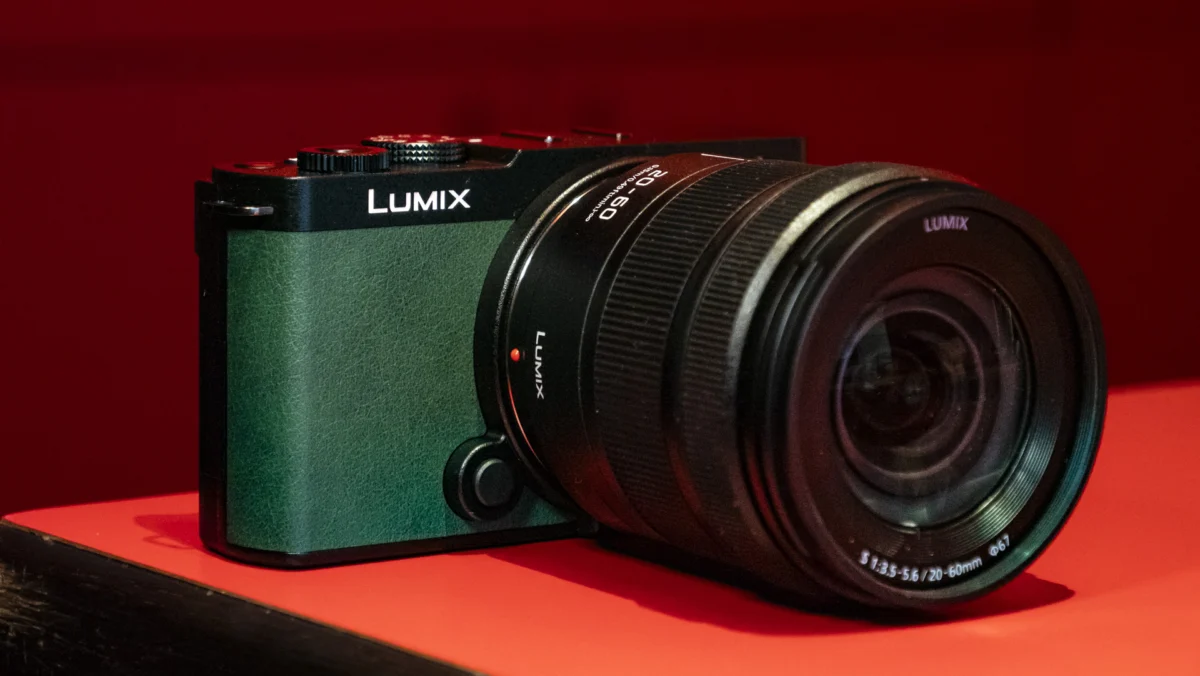
For photography enthusiasts, the eternal struggle is finding the perfect balance between image quality and portability. We all want the professional-grade output of a full-frame sensor, but few of us are willing to lug around a bulky camera bag filled with heavy glass during a casual weekend outing or an international holiday.
As the pre-Prime Day deals begin to surface, one particular offer stands out for its sheer value: the Panasonic Lumix S9 has seen a massive 42% price reduction. For those who have been hesitant to switch from a smartphone or a smaller Micro Four Thirds system to full-frame, this discount represents a significant barrier-to-entry removal.
The Core Dilemma: Quality vs. Portability
The allure of a dedicated camera is undeniable. While the iPhone 15 Pro offers remarkable computational photography, there is a distinct look to full-frame optics—the natural bokeh, the depth of field, and the sheer dynamic range—that software simply cannot replicate.
However, the "dedicated camera" experience often fails the real-world test. Many photographers own cameras like the OM System OM-D E-M10 MKIV, which are praised for their compact size. Yet, even these smaller systems can become cumbersome when paired with a selection of lenses. This author’s personal experience highlights this: after taking an OM-D system on a European holiday, it spent the majority of the trip in the hotel safe. The bulk, combined with the stress of carrying extra lenses, rendered it a liability rather than a creative tool.
This led to the "Fujifilm experiment"—opting for an Instax mini camera instead. The simplicity of the analog experience transformed the trip, forcing a shift toward intentional composition. But while analog is charming, the convenience of digital is difficult to abandon entirely. This is exactly where the Panasonic Lumix S9 enters the conversation.
Chronology: The Evolution of the S9 Concept
Panasonic has long been a heavyweight in the professional mirrorless space, particularly with its GH and S-series lineups. However, the Lumix S9 represents a strategic pivot.
- Launch Phase: The S9 was introduced as a lifestyle-oriented, ultra-compact full-frame camera. It was designed to bridge the gap between content creators who rely on smartphones and professional photographers who demand sensor performance.
- Market Reception: Upon release, critics praised its image quality but pointed to its lack of a mechanical viewfinder and its simplified button layout as potential drawbacks for traditionalists.
- The Content Creator Shift: By prioritizing 6K open gate video and "Real-Time LUTs," Panasonic signaled that this camera was intended for the social-media-first generation—users who want cinema-quality footage without the learning curve of a complex cinema rig.
- The Prime Day Catalyst: Now, in the lead-up to Amazon Prime Day, the aggressive 42% price slash indicates a push to put this high-end sensor into the hands of the wider enthusiast market, effectively making it one of the most affordable entry points into the L-mount ecosystem.
Supporting Data: Why the S9 Still Wins for Stills
While the marketing for the Lumix S9 leans heavily into the videography space—highlighting its 6K open-gate recording and industry-leading stabilization—its pedigree as a stills camera is often underrated.
The Sensor Advantage
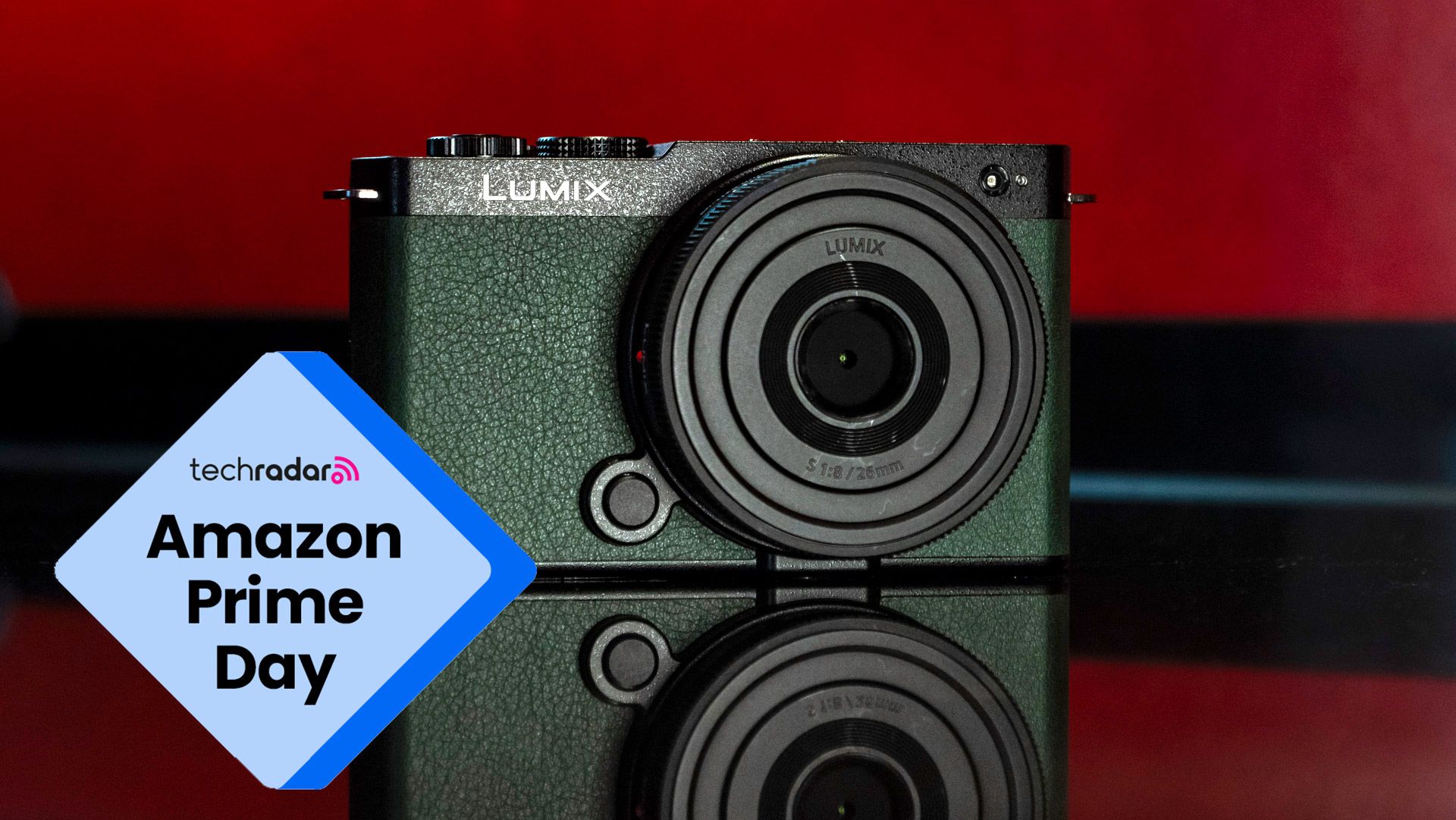
The S9 features a 24.2MP full-frame sensor, the same reliable workhorse found in the highly regarded Lumix S5 II. For the average user upgrading from a smartphone or a smaller sensor format, the performance leap is immediate. The noise control is superior, and the dynamic range allows for significant recovery in shadows during post-processing.
Low-Light Capabilities
The physics of a larger sensor cannot be ignored. In low-light environments, where Micro Four Thirds systems often struggle, the S9 excels. The ability to capture clean, high-ISO images without the "muddy" look associated with smaller sensors makes this an ideal companion for evening travel photography.
The L-Mount Ecosystem
One of the most compelling arguments for the S9 is its inclusion in the L-Mount Alliance. Because the camera is compatible with lenses from Leica, Sigma, and Panasonic, users are not limited to a single brand’s glass. The kit typically comes with an 18-40mm lens, which is a versatile starting point for street photography and landscape work.
Addressing the Trade-offs: The Viewfinder Debate
No review of the Lumix S9 would be complete without addressing the elephant in the room: the lack of an electronic viewfinder (EVF).
For many professional photographers, the EVF is a non-negotiable tool. It provides a level of focus and isolation that a rear LCD screen cannot, especially in bright, direct sunlight. However, for the target demographic of the S9—creators used to composing via smartphone screens—this is a non-issue. The screen on the S9 is articulating and high-resolution, which aids in creative angles and composition.
The trade-off is clear: by removing the EVF, Panasonic created a camera that is significantly more pocketable and visually minimal. It is a design choice that prioritizes form and portability over the "tactical" feel of a traditional DSLR.
Implications: The Democratization of Full-Frame
The implications of this 42% price drop are profound. For years, the barrier to entering the "full-frame world" was a combination of weight, complexity, and price. By drastically reducing the cost, Panasonic is effectively competing with premium compact cameras and high-end smartphones.
A New Era of Travel Photography
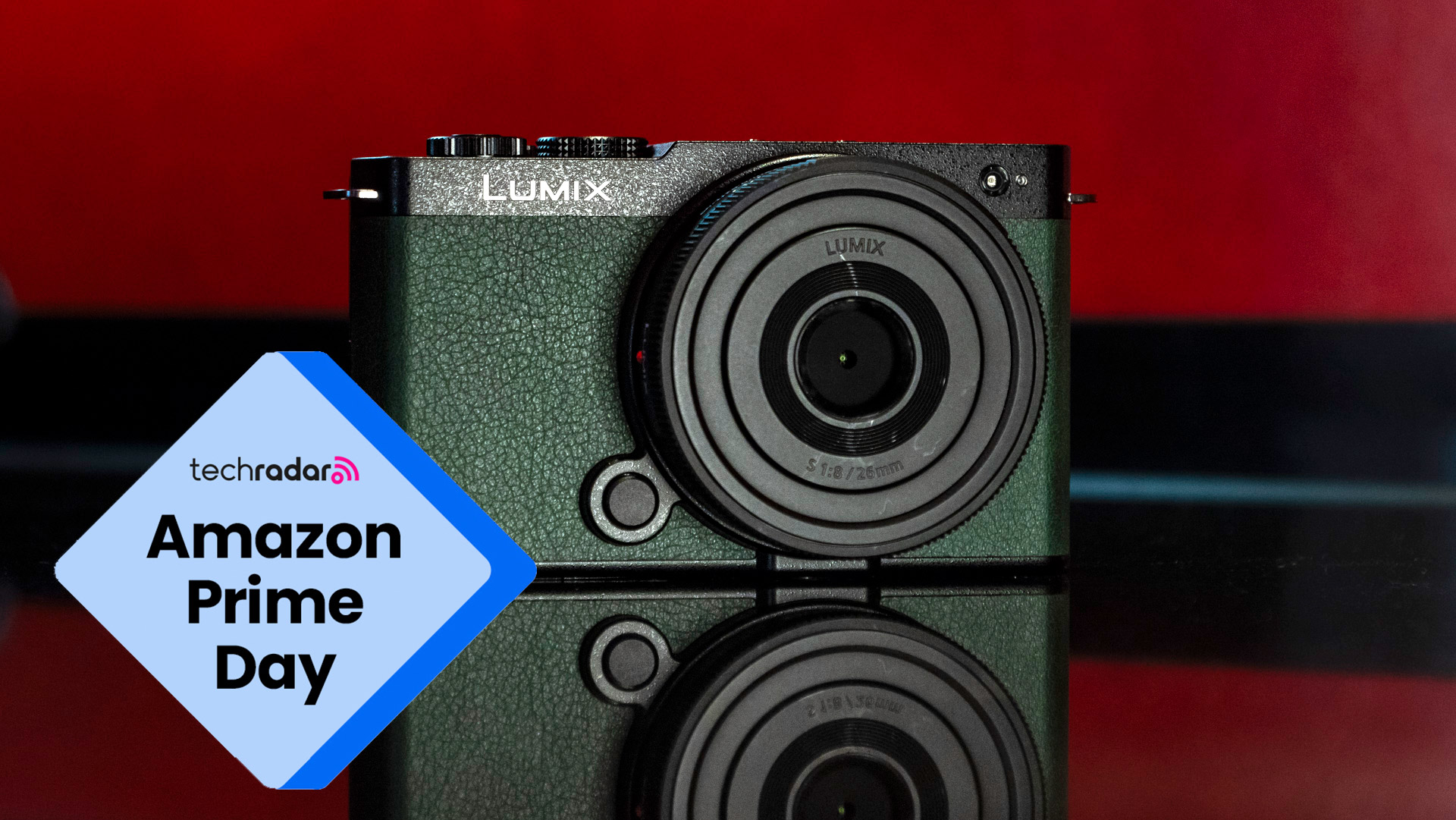
For the traveler, the S9 represents the "Goldilocks" solution. It offers the image quality of a professional rig in a body that doesn’t feel like a burden. It encourages the user to actually bring their camera out of the bag, which is the most important factor in capturing great photos.
The Rise of Real-Time LUTs
Panasonic’s implementation of Real-Time LUTs allows users to bake specific color grades directly into their files. While this is marketed for video, for photographers, it offers a way to achieve a "look" straight out of the camera, reducing the need for heavy editing in Lightroom. While the menu system for managing these LUTs could be more intuitive, the creative potential is vast.
Final Verdict: Is it Time to Buy?
If you have been waiting for a sign to upgrade your photography setup, the current market conditions are optimal. The Lumix S9 was already a compelling package; at its current reduced price point, it is an absolute steal.
The RRP of AU$3,299 was a significant hurdle, one that likely kept many potential buyers on the sidelines. With a 42% discount, that price falls well under the $2,000 threshold, placing it in direct competition with cameras that feature significantly smaller sensors and lower technical capabilities.
For the photographer who is tired of the limitations of their phone but intimidated by the bulk of professional gear, the Lumix S9 offers a sophisticated, elegant, and highly capable middle ground. Whether you are shooting 6K video or 24.2MP stills, the S9 is a testament to the fact that you no longer need to sacrifice portability to achieve professional results.
As we head into the peak of the shopping season, the Lumix S9 stands out not just as a gadget, but as a tool that could fundamentally change how you approach your craft. If you value aesthetics, ease of use, and uncompromising image quality, this is an opportunity that is difficult to ignore.

 Nila Kartika Wati
 Asep Darmawan