Ali Ikhwan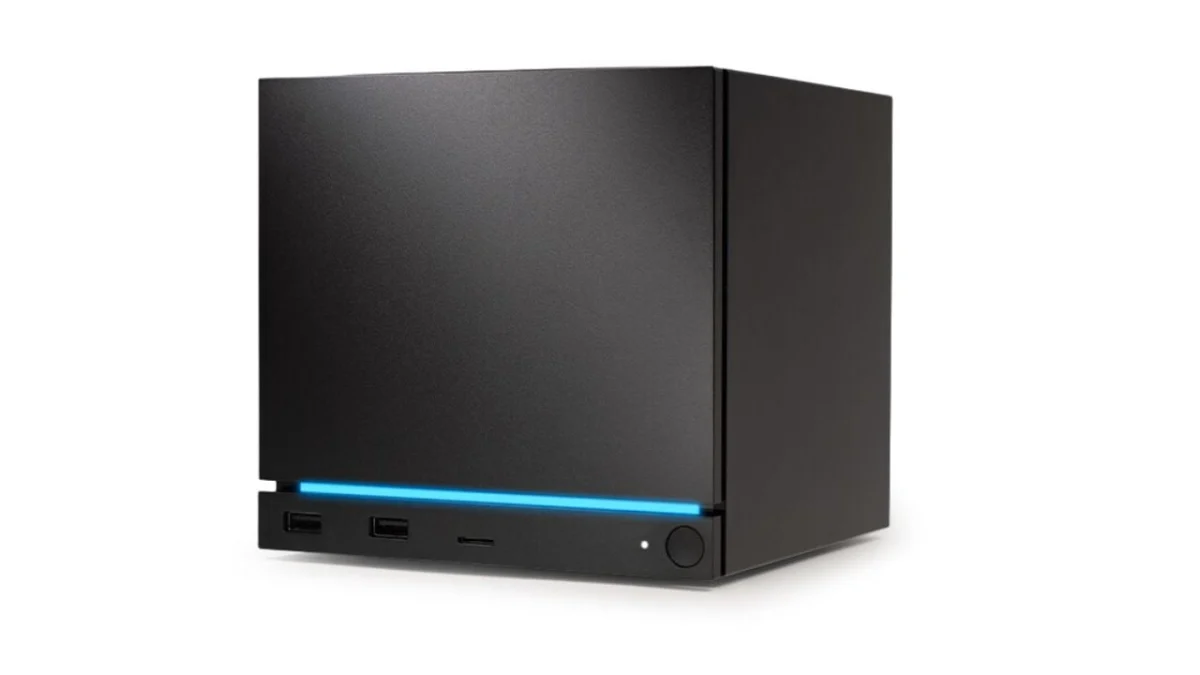
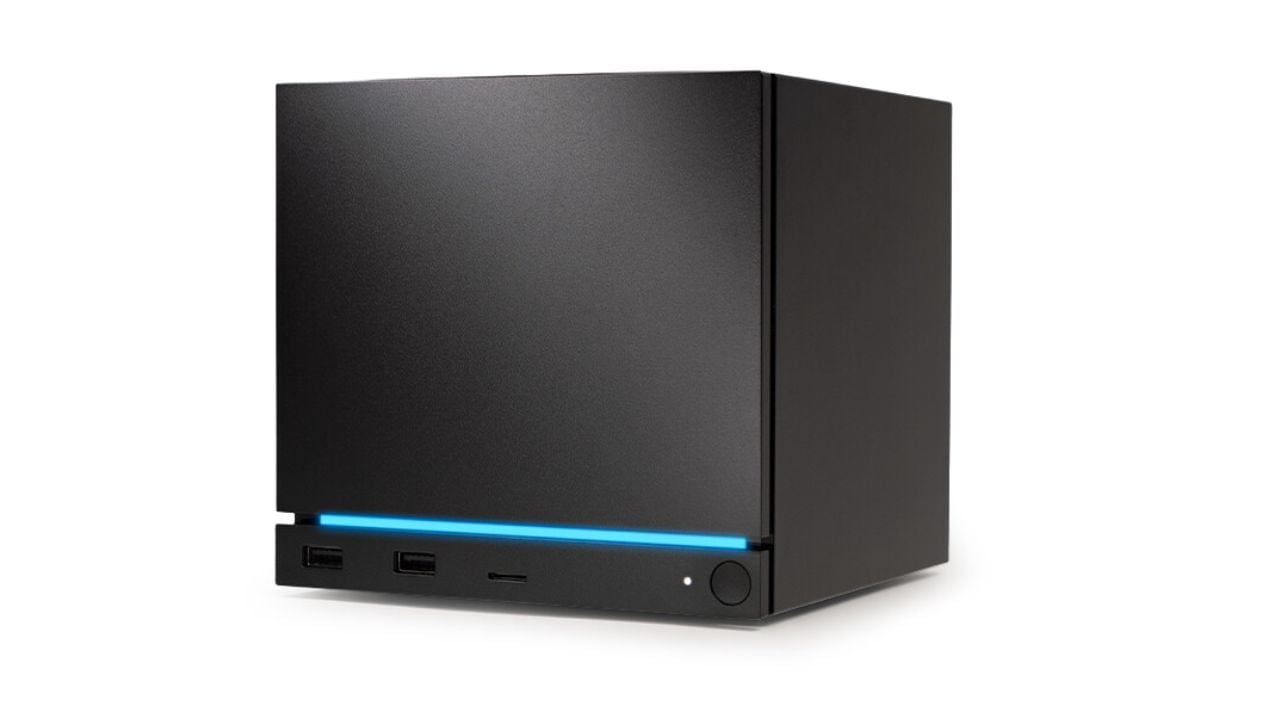
In the fast-paced world of gaming hardware accessories, few companies have cultivated a brand identity as bold—and occasionally reckless—as Dbrand. Known for their high-quality skins and abrasive social media presence, the Canadian firm recently attempted to bridge the gap between fan-favorite aesthetics and modern hardware with their "Companion Cube" project. Designed to transform the recently released Steam Machine into the iconic, heart-adorned crate from Valve’s Portal series, the product was positioned to be a massive success.
However, what began as a highly anticipated release quickly spiraled into a cautionary tale regarding intellectual property (IP) rights, corporate due diligence, and the risks of a "launch first, ask questions later" business model. Within days of its announcement, the project was officially canceled, leaving 100,000 pre-save hopefuls disappointed and triggering a full refund process.
The Rise and Fall: A Chronology of the Companion Cube
The trajectory of the Companion Cube project was brief but explosive. Dbrand, recognizing the massive cultural footprint of the Portal franchise, sought to capitalize on the nostalgia and design language of Aperture Science.
- The Tease: Dbrand spent weeks building anticipation, hinting at a "transformative" accessory for the Steam Machine.
- The Launch: On Monday, June 22nd, at approximately 3:00 AM, the product went live. Priced at $100, the wrap promised to turn the Steam Machine into a physical replica of the Companion Cube.
- The Market Response: The response was instantaneous. The project became the second-fastest-selling product in Dbrand’s 15-year history, trailing only the "Switch 2 Killswitch" case. Within hours, over 100,000 users had registered their interest or initiated pre-orders.
- The Legal Intervention: Shortly after the launch, Valve’s legal department contacted Dbrand. The message was concise: the Companion Cube design is protected intellectual property, and Dbrand lacked the necessary licensing to utilize it commercially.
- The Failed Appeal: Dbrand attempted to pivot, seeking a retroactive licensing agreement to bring the project into compliance. Valve, maintaining their stance, declined the request.
- The Cancellation: Faced with an inevitable legal hurdle, Dbrand officially pulled the product from their storefront and initiated a total refund for all pre-orders.
Understanding the "Backwards Approach"
In a transparent post on Reddit, Dbrand admitted to a significant strategic miscalculation. The company’s philosophy has historically been one of speed and disruption. By designing the product, marketing it, and launching it before securing the rights from Valve, they operated under the assumption that a successful, high-quality product might be welcomed as a partnership opportunity.
"Given our backwards approach of building first and asking permission later, it was a fair answer," Dbrand noted in their public statement. This admission highlights a common tension in the "modding" and accessory community: the desire to celebrate beloved franchises versus the legal reality of copyright ownership.
While many fans of the brand appreciate Dbrand’s willingness to push boundaries, this instance served as a "hard lesson to learn publicly." It underscored that no matter how much a company believes a product will delight a fanbase, it does not supersede the rights of the IP owner to control their brand image and assets.
Valve’s Stance: Protecting the Aperture Science Brand
Valve has historically been a company that values its creative output with a protective intensity. The Portal franchise, in particular, is a crown jewel in their library. The Companion Cube is not merely a box in a game; it is a narrative device and a symbolic character that holds significant emotional weight for players.
Valve’s legal team acted with what Dbrand described as "direct, fair, and respectful" communication. By demanding the immediate cessation of the product’s sale, Valve exercised its fundamental right to protect its creative property. For Valve, allowing an unlicensed third party to profit from their iconic imagery—regardless of the quality of the product—would set a dangerous precedent that could dilute the value of the Portal brand.
The Impact on the Consumer and the Community
The reaction from the gaming community has been polarized. On one hand, there is a vocal segment of the fanbase that feels slighted by the cancellation of a product they were genuinely excited to own. The "choice words" found in the comments section of Dbrand’s announcement, including accusations of incompetence, reflect the frustration of consumers who feel they were teased with an item that was destined to fail.
Conversely, there is a segment of the community that views Dbrand’s transparency as a redeeming factor. By openly discussing the failure and taking full responsibility without casting blame on Valve, the company managed to maintain a level of brand loyalty.
The Rarity of the "Influencer Units"
One of the most interesting developments in this saga is the existence of the units that were sent out to influencers prior to the cancellation. These physical prototypes have now effectively become "black market" collectibles. Given the narrative surrounding their cancellation and the high demand for the product, these units are likely to become significant items of interest for gaming collectors. Their value, which could potentially climb into the thousands of dollars, stands as a testament to the "what could have been" sentiment that now surrounds the project.
Strategic Implications for the Accessory Market
This incident serves as a vital case study for companies operating in the intersection of tech hardware and pop culture.
- Due Diligence is Non-Negotiable: The "build first, ask later" model may work for aesthetic skins that do not infringe on specific copyrighted characters, but it is a losing strategy when utilizing protected IP.
- Licensing Requires Lead Time: Genuine partnerships—like those seen between hardware manufacturers and game studios—take months, if not years, of negotiation. Attempting to bypass this through a surprise launch creates reputational risk.
- The Power of Transparency: Dbrand’s decision to own the error publicly, rather than hide behind legal jargon or blame external factors, likely saved the company from a PR disaster. By admitting the error and apologizing to Valve, they maintained their reputation as a "straight shooter," even if that shooting is sometimes done in the wrong direction.
Conclusion: The Lesson of the Cube
The saga of the Companion Cube project is a modern parable of the gaming industry. It reflects the intense passion of a fanbase eager to integrate their favorite game worlds into their physical reality, and the corporate necessity of maintaining brand integrity.
Valve, in this instance, demonstrated that even the most "beloved" franchises are not open-source, and Dbrand learned that even the most innovative marketing cannot override the legal protections afforded to intellectual property holders. As the dust settles on the project, the primary takeaway is clear: while fans may be disappointed by the loss of a cool, custom-wrapped Steam Machine, the incident reinforces the importance of professional boundaries in the creative economy.
Dbrand’s closing message to Valve—"Thank you for Portal, and sorry for the headache. We should’ve asked first"—is perhaps the most mature admission a company in their position could offer. It closes the chapter on the Companion Cube, but it leaves behind a lingering question: will we ever see a licensed version of such a product, or does the nature of the Portal brand mean that some things are best left in the digital realm? For now, the "Cube" remains a hypothetical, a piece of vaporware that will only ever exist in the collections of a few lucky influencers and the memory of those who hit ‘pre-save’ on a product that was never meant to be.

 Sagoh
Sagoh
 Ammar Sabilarrohman