By Jen Glennon
Published: June 30, 2026, 4:34 PM EDT
The last several months have presented a tumultuous and often perplexing landscape for Xbox, Microsoft’s gaming division. What began with a seismic leadership change in February, followed by a series of bold, seemingly rejuvenating initiatives, has rapidly devolved into a period of uncertainty marked by widespread layoffs, studio closures, and a significant reevaluation of strategic priorities. Just weeks after a celebratory summer showcase, the brand known as "Team Green" finds itself grappling with a complex array of challenges, leaving developers and fans alike questioning the future direction of one of gaming’s most prominent platforms.
Main Facts: A Brand in Crisis
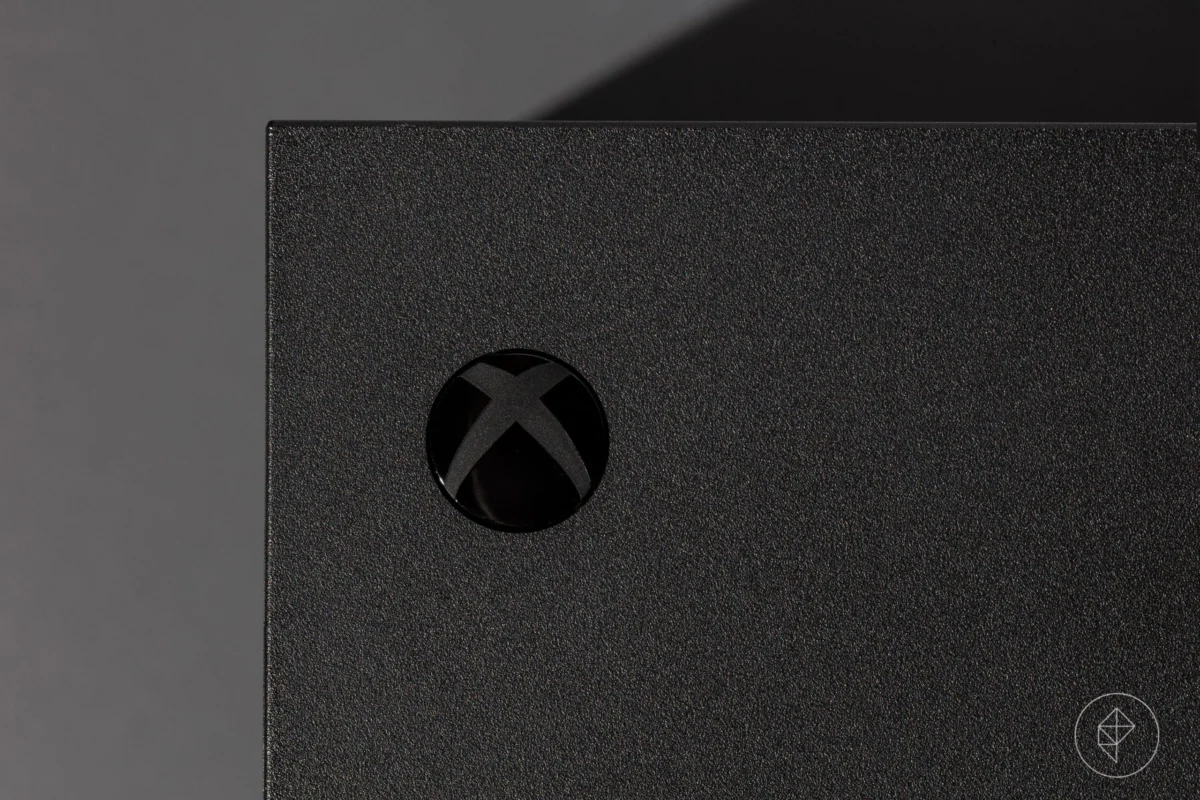
The narrative of Xbox in early 2026 is one of stark contrasts. Following the abrupt departure of long-standing CEO Phil Spencer and his heir apparent Sarah Bond in February, Microsoft brought in Asha Sharma as the new CEO, alongside Matt Booty as Chief Content Officer. Their initial mandate was clear: to re-instill trust and reinvigorate a brand perceived by many as faltering. Early moves included scrapping the unpopular "This is an Xbox" advertising campaign, implementing a crucial 50% price cut to Xbox Game Pass after a divisive hike, and confirming the development of new high-end hardware under "Project Helix." The division even underwent a brand refresh, shifting from "Microsoft Gaming" to the more assertive, all-caps "XBOX." The positive momentum culminated in a "barnstorming" summer showcase on June 7, where hundreds of translucent green Series X consoles were given away, signaling a renewed connection with the community.
However, this brief period of optimism shattered just three days later. On June 10, Bloomberg reported a looming wave of massive layoffs, a fact largely confirmed by Sharma and Booty themselves in an Xbox Wire post outlining plans for an "Xbox reset" over the next 100 days. Citing "lousy revenue, increasing hardware costs, and excessive expansion during the pandemic years," the post signaled a dramatic shift from growth to consolidation, triggering a cascade of negative news that has since defined the month of June for the gaming giant.
Chronology of Turbulence: A Month of Disruption
The following events, presented in reverse chronological order, detail the rapid unraveling of Xbox’s fortunes in the latter half of June:

June 30: Bond Developer Caught in the Crossfire
On the very day of this report’s publication, IO Interactive, the acclaimed studio behind the Hitman series, cryptically announced via X that its "relationship with an external partner on our own IP, Project Fantasy, has come to an end." It was quickly confirmed that Xbox was the "external partner" in question, withdrawing funding from the deal. While IO Interactive affirmed its commitment to continue developing Project Fantasy, the studio indicated it would have to make "staffing decisions" in light of the significant funding change. This move signals Xbox’s immediate retrenchment from third-party publishing agreements, impacting not just its own portfolio but also potentially the stability of independent studios reliant on such partnerships. IO Interactive, known for its creative freedom and strong IPs, now faces the difficult task of re-securing funding or scaling down ambitions for its ambitious fantasy project.
June 30: Blade Gets Screwed Over Again
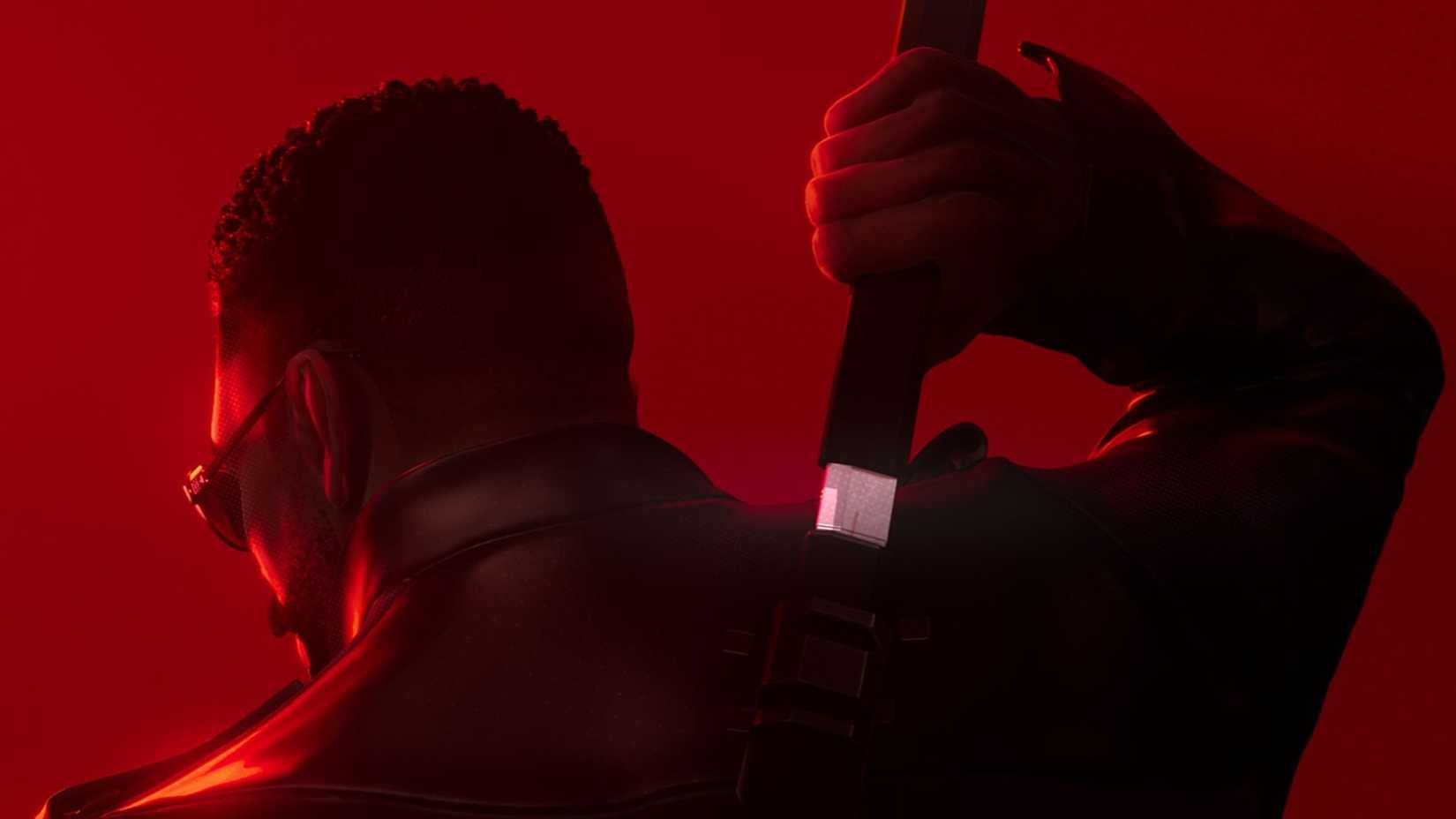
Further compounding the grim news on June 30, The Verge reported that Microsoft is actively considering the shutdown of Arkane Studios, a developer celebrated for its critically acclaimed immersive sim titles like Dishonored, Deathloop, and Prey (2017). This potential closure would inevitably lead to the cancellation of Arkane’s highly anticipated Marvel’s Blade game. Originally slated for a 2026 debut, Marvel’s Blade had already faced internal delays, with its ship date allegedly pushed back to late 2027. The prospect of losing Arkane, a studio synonymous with innovative single-player experiences, would represent a significant blow to Xbox’s first-party creative diversity and its ability to deliver unique, genre-defining games. The Blade IP, beloved by comic fans, also suffers another setback in its gaming adaptation journey, raising questions about Microsoft’s commitment to high-profile licensed projects.
June 29: State of Decay Maker Undead Labs Under Threat
Preceding the Arkane news, on June 29, GamesBeat added Undead Labs to the list of studios reportedly at risk of closure. Undead Labs, the developer behind the State of Decay series, had recently showcased State of Decay 3 at Xbox’s June 7 event, with a projected release in 2027. The potential shutdown of Undead Labs would not only jeopardize a promising sequel but also undermine Xbox’s efforts to cultivate compelling live-service experiences and expand its presence in the survival-horror genre. The studio has been a key component of Xbox Game Studios, offering a distinct open-world zombie survival experience that has garnered a dedicated fanbase.
June 29: Third-Party Developers Claim Their Xbox Deals Are On Hold
Simultaneously, on June 29, a flurry of reports emerged indicating further adjustments to the Xbox Game Pass strategy. Fernando Rizo, a consultant specializing in advising self-publishing indie studios, disclosed on The Business of Video Games podcast that Xbox had "suspended discussions" with third-party developers regarding deals to bring their games to Game Pass. Rizo reported speaking with multiple developers who had "the rug pulled out from under them," describing the situation as a "pause" rather than outright cancellation, as Xbox undertakes a comprehensive reassessment of its Game Pass operations. This development signals a significant tightening of the purse strings for Game Pass, potentially impacting the pipeline of new and diverse titles for the subscription service and creating uncertainty for independent studios banking on such agreements.
June 29: No More Freebies, Call of Duty Fans
Also on June 29, the prominent Call of Duty fan site CharlieIntel revealed that Activision and Xbox were actively running advertisements for the upcoming Modern Warfare 4 that explicitly stated the game would be "NOT ON XBOX GAME PASS THIS YEAR." This direct communication follows Sharma’s earlier decision in April to remove new entries in the hugely popular military shooter series from Game Pass, a move made as part of broader price adjustments. The prominent advertising highlights Xbox’s intent to clarify this policy shift, likely to manage player expectations and avoid the backlash that often accompanies changes to Game Pass offerings, especially concerning a franchise as massive as Call of Duty. This also underscores a new revenue strategy for major titles within the Xbox ecosystem.

June 15: Prestige Studios Rumored to Be on the Chopping Block
A few days after Bloomberg’s initial report of layoffs, on June 15, a clearer picture began to emerge regarding which specific studios were facing potential closure. Reports indicated that Xbox leadership was considering shutting down several "prestige" studios, including:
- Compulsion Games: Known for unique, narrative-driven titles like We Happy Few, Compulsion Games has brought a distinct artistic flair to the Xbox portfolio. Its potential closure would diminish Xbox’s commitment to unconventional and stylistically bold experiences.
- Double Fine Productions: Led by industry veteran Tim Schafer, Double Fine is celebrated for its quirky, imaginative games such as Psychonauts and Brutal Legend. The studio’s closure would be a significant loss for creative game design and narrative innovation within Xbox Game Studios.
- Ninja Theory: Renowned for its strong storytelling and combat mechanics in games like Hellblade: Senua’s Sacrifice and Enslaved: Odyssey to the West, Ninja Theory represents a key pillar of cinematic action-adventure for Xbox. Its potential demise would be particularly impactful, given the critical acclaim of Hellblade and the anticipation for future projects.
These studios, while perhaps not producing blockbuster sellers, have been crucial for Xbox’s reputation as a platform that fosters creative diversity and supports unique artistic visions. Their potential loss raises serious questions about the company’s long-term strategy for first-party development.
June 10: Sharma Fast-Tracks Major Franchises
Immediately following the news of impending layoffs on June 10, reports surfaced detailing CEO Asha Sharma’s plan to aggressively prioritize the release of new installments for major Xbox franchises. This strategy specifically targets Bethesda’s highly anticipated titles, Fallout and The Elder Scrolls. The Elder Scrolls 6 was initially announced in 2018, long before Bethesda joined Microsoft and when E3 was still a major industry event, yet has seen no footage in the intervening eight years. Similarly, despite the immense success of Amazon’s Fallout TV adaptation in 2024, no new game in the series has been officially announced. Sharma’s directive signals a pivot towards leveraging established, high-demand IPs to bolster revenue and subscriber numbers, potentially at the expense of newer, unproven, or more niche projects. This move is expected to accelerate development efforts for these tentpole franchises in the coming months and years.
Supporting Data: The Economic Imperative Behind the Reset
While the specific financial figures driving Xbox’s "reset" remain internal, the official communications point to a clear economic rationale: "lousy revenue, increasing hardware costs, and excessive expansion during the pandemic years." The gaming industry experienced an unprecedented boom during the COVID-19 lockdowns, leading many companies, including Microsoft Gaming, to invest heavily in expansion, acquisitions, and ambitious projects. However, the post-pandemic landscape has seen a normalization of growth, coupled with rising inflation, increased development costs, and fierce competition.
The 50% price hike on Xbox Game Pass earlier in the year, which reportedly led to a significant "exodus from the service," underscores the challenges of maintaining profitability in a subscription-based model. While the subsequent price cut was a consumer-friendly move, it likely impacted short-term revenue. Furthermore, the global semiconductor shortage and general supply chain issues have continued to drive up hardware manufacturing costs, squeezing margins on consoles like the Xbox Series X|S and the upcoming Project Helix.
Industry analysts have been increasingly vocal about the need for tech giants to streamline operations and focus on core competencies. Microsoft, like many other large corporations, has been under pressure from investors to demonstrate efficiency and profitability, especially after large-scale acquisitions such as Activision Blizzard. The decision to cut costs through layoffs and re-evaluate development pipelines aligns with a broader trend of consolidation and strategic recalibration seen across the technology and entertainment sectors. The shift away from broad content acquisition for Game Pass and the focus on proven blockbusters suggests a more conservative, revenue-driven strategy moving forward.
Official Responses: Navigating the Narrative
New CEO Asha Sharma and Chief Content Officer Matt Booty have been at the forefront of communicating these drastic changes. Their Xbox Wire post on June 10, titled "The Next 100 Days: Xbox Reset," served as the primary official response to the Bloomberg reports. The tone was one of acknowledgement of challenges, a commitment to difficult decisions, and an emphasis on "re-establishing trust" and ensuring long-term sustainability.
The post explicitly stated the need to address "lousy revenue" and "excessive expansion," framing the layoffs and strategic shifts as necessary steps to navigate a challenging economic climate. While offering little in the way of specific numbers regarding job losses or studio fates, the communication aimed to manage expectations and convey a sense of decisive leadership. However, the swift pivot from a celebratory showcase to an announcement of widespread restructuring has inevitably created a perception of instability and a disconnect between public-facing optimism and internal realities. The lack of detailed explanations for specific studio closures or project cancellations, beyond general economic reasons, has left many in the community feeling unaddressed and anxious.
Sharma’s subsequent directives, such as fast-tracking major franchises, indicate a clear strategic shift under her leadership. The emphasis appears to be on leveraging established, high-performing assets to generate revenue, rather than maintaining a broad, diverse portfolio that includes experimental or niche titles from smaller studios. This approach, while potentially sound from a business perspective, risks alienating segments of the player base and stifling creative innovation within the Xbox ecosystem.
Implications: A Shifting Landscape for Xbox
The events of June 2026 carry profound implications for Xbox, its developers, its players, and the wider gaming industry.
Impact on First-Party Development and Creative Diversity: The potential closure of studios like Arkane, Undead Labs, Compulsion Games, Double Fine, and Ninja Theory would decimate Xbox’s first-party lineup. These studios represent diverse genres and unique artistic voices that have been crucial in enriching the Xbox Game Pass library and broadening the platform’s appeal beyond its traditional shooter franchises. Their loss would not only mean fewer distinctive games but also a significant brain drain of creative talent, potentially pushing these developers towards competitors or independent ventures. The focus on Elder Scrolls and Fallout suggests a concentration of resources on proven, massive IPs, which, while lucrative, could lead to a less varied and potentially more predictable gaming experience for Xbox players.

The Future of Game Pass: The suspension of third-party Game Pass deals and the explicit exclusion of Call of Duty: Modern Warfare 4 signal a fundamental re-evaluation of the service’s strategy. Game Pass has been Xbox’s defining feature, a cornerstone of its ecosystem. If Xbox becomes more selective with third-party content and restricts its biggest new releases to outright purchases, the value proposition of Game Pass could diminish significantly for subscribers. This shift might be aimed at improving profitability per subscriber, but it risks slowing subscriber growth and making the service less competitive against rivals. The initial price cut after the hike indicated sensitivity to subscriber numbers, but these new moves suggest a renewed focus on the financial sustainability of the model, even if it means a less expansive library.
Developer Morale and Industry Confidence: The rapid succession of layoffs, studio closure rumors, and deal suspensions will undoubtedly have a chilling effect on developer morale, both within Xbox Game Studios and among external partners. The uncertainty can lead to talent attrition and make it harder for Xbox to attract top-tier studios for future collaborations. The perception of instability also affects broader industry confidence in Xbox as a reliable partner or a stable platform for future investments. Indie developers, in particular, who often rely on Game Pass deals for visibility and financial security, will likely approach future negotiations with caution.
Competition and Market Positioning: In a fiercely competitive market dominated by Sony’s PlayStation and Nintendo, Xbox needs a clear, compelling strategy. The current turmoil risks eroding consumer trust and loyalty, especially if the flow of new, diverse content slows down. While "Project Helix" promises new hardware, software and services remain critical differentiators. If Xbox struggles to deliver a consistent stream of high-quality, exclusive titles across various genres, it risks losing ground to rivals who continue to invest heavily in their first-party offerings and cultivate strong relationships with third-party developers.
A Long Road Ahead: The "Xbox reset" over the coming 100 days, as outlined by Sharma and Booty, promises a period of intense restructuring. While tough decisions are often necessary for long-term health, the speed and scale of these changes, particularly after a period of optimistic branding, suggest deep-seated issues that will take significant time and effort to resolve. The road to re-establishing trust with both developers and players will be long and arduous, demanding clear communication, consistent execution, and ultimately, a renewed commitment to delivering the diverse, high-quality gaming experiences that define the Xbox brand at its best. The coming months will be critical in determining whether this "reset" is a painful but necessary correction, or a fundamental re-sculpting of Xbox’s identity in the gaming world.